May 25th, 2008

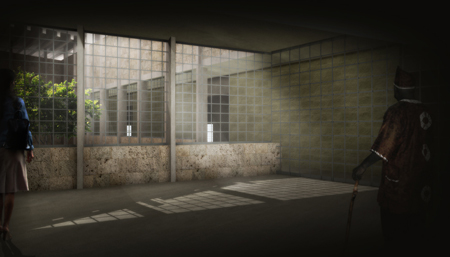
squ08-trasitional-courtyar.jpg

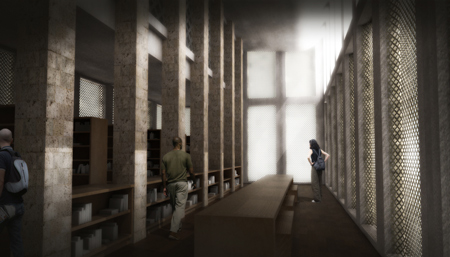
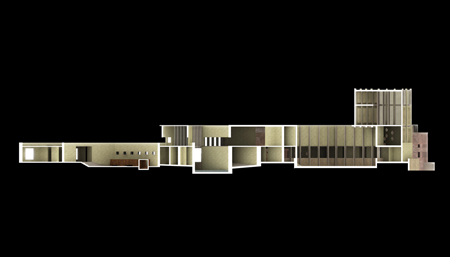
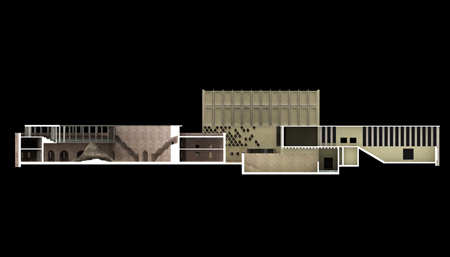
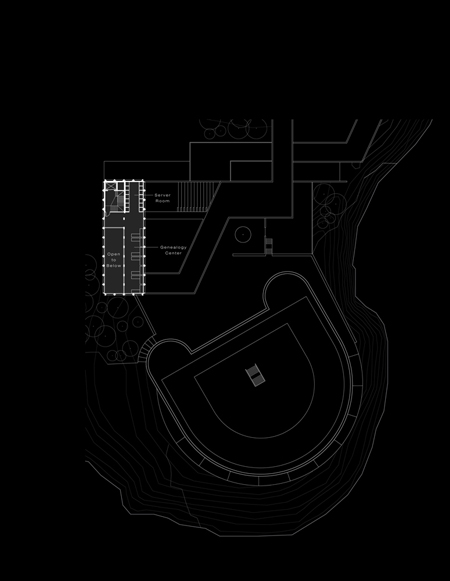
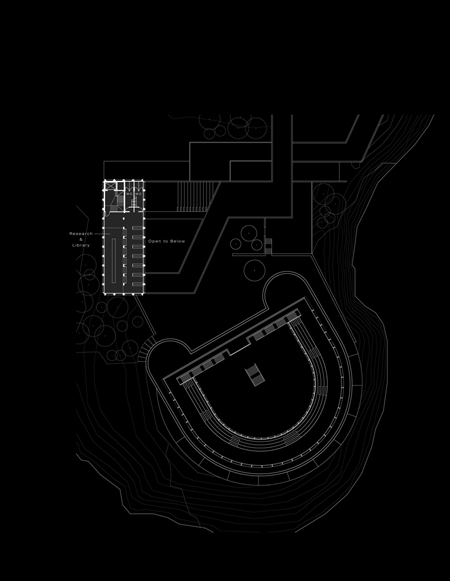
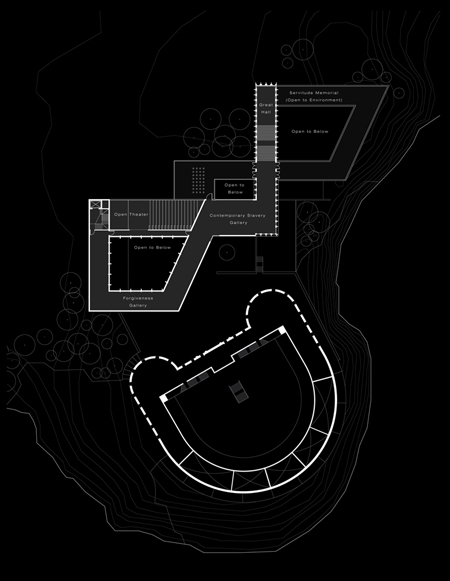
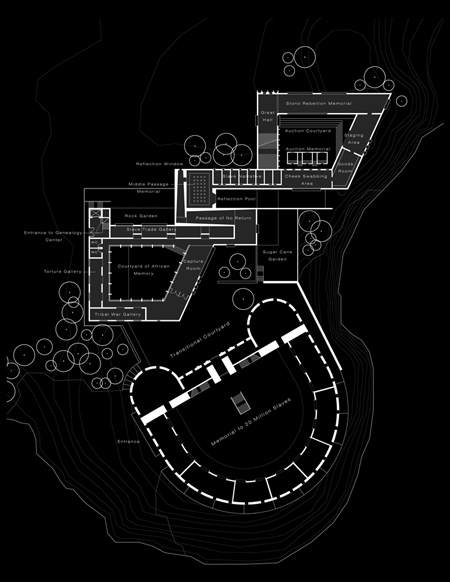
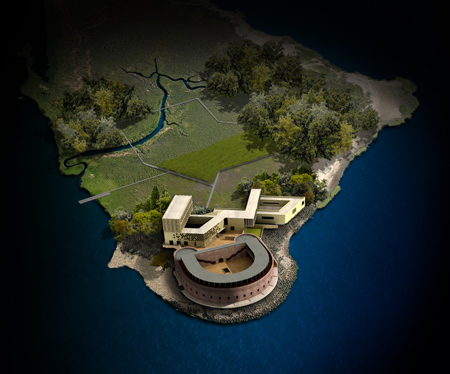
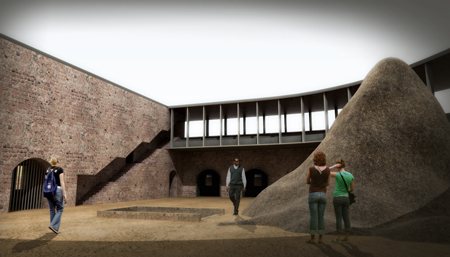
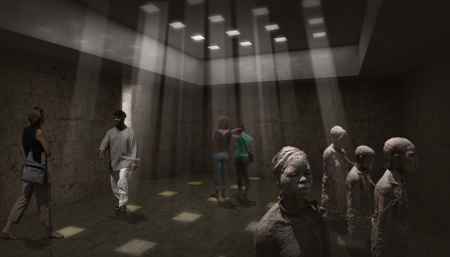
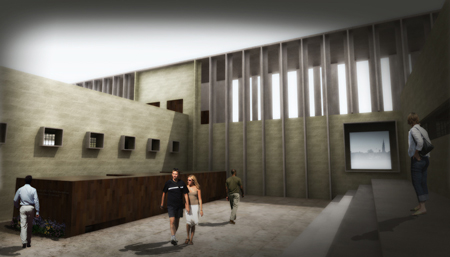
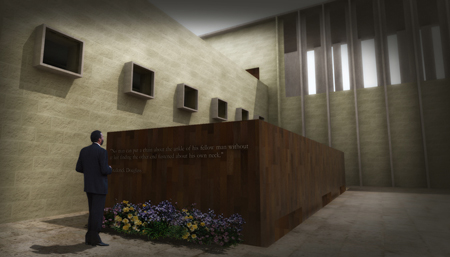
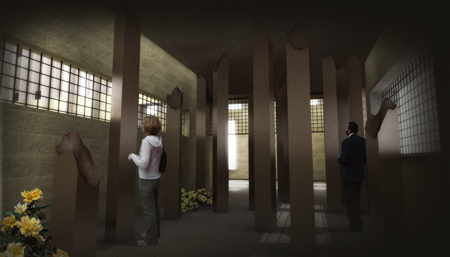
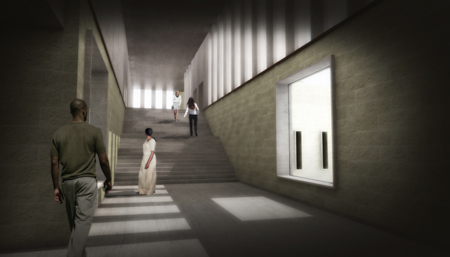
Britton Chambers, an architecture student at the University of Minnesota, has designed a memorial centre to commemorate the suffering of slaves in 18th and 19th century America.
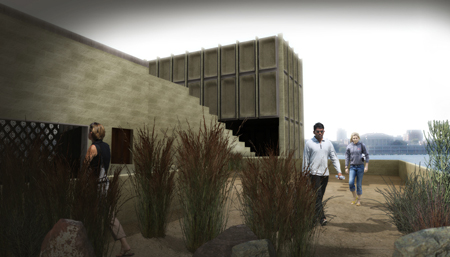
07-island-entry.jpg

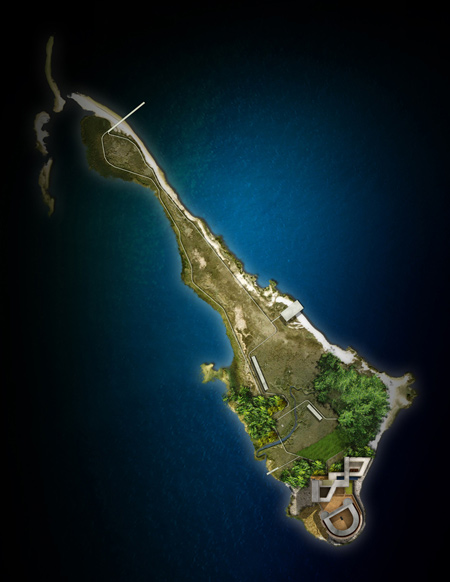
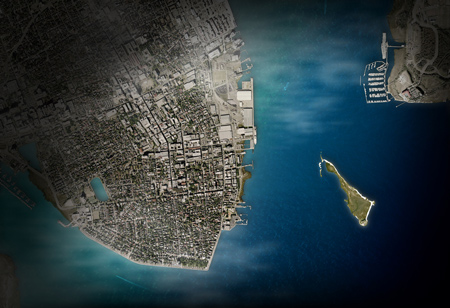
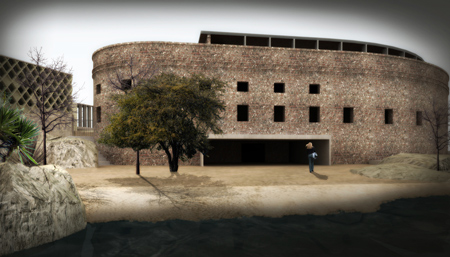
The project is titled Island of Memory: Memorial to the Dehumanization and Murder of African Slaves within the United States of America. Chambers proposes building the memorial on Shutes Folly Island, South Carolina.
08-memorial-to-20-million.jpg

“This project began approximately a year ago when I was travelling through Europe studying monuments and memorials of WWII.” explains Chambers. “As I was there I began to notice similarities between the treatment of Jews in 1940’s Europe with the treatment of African slaves in 18th and 19th century America.”

09-capture-room.jpg

“When I returned home, I had hoped to compare the Jewish memorials in Europe to memorials to slavery here in America. However, this was not possible as there was no monument or memorial to slavery in America. Therefore, my proposal is to create the first national memorial to slavery that would preserve the memory of dehumanization of African Slaves in America.”

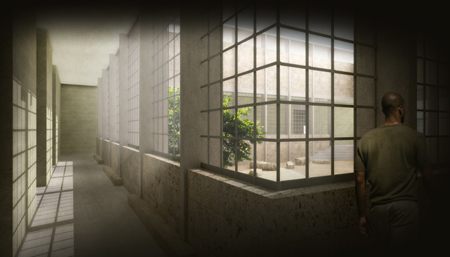
10-cloister.jpg

Here’s some more information from Chambers:

Island of Memory: Memorial to the Dehumanization and Murder of African Slaves within the United States of America
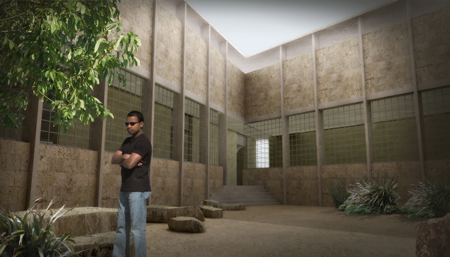
11-courtyard-to-african-me.jpg

Project Location: Charleston, South Carolina – Shutes Folly Island
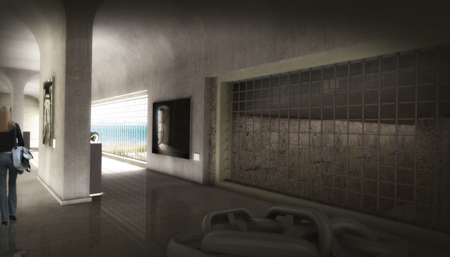
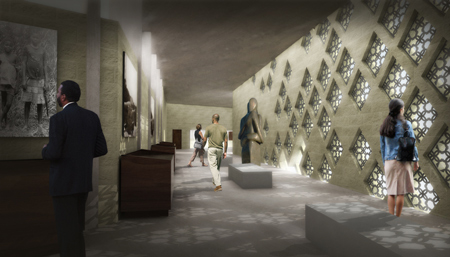
12-slave-trade-gallery.jpg

The objective of this project is to create a building that preserves the memory of a culture which, for over two hundred years, faced immeasurable oppression, torture, and murder.
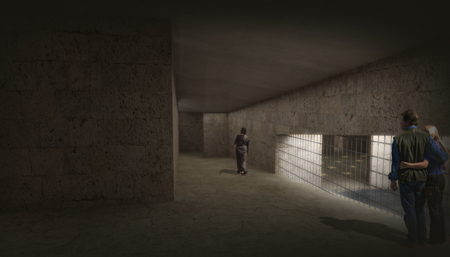
13-passage-of-no-return.jpg

We, as Americans and even more as human beings, are responsible for the actions of our past and must make every effort possible to amend or apologize for the actions of our country.
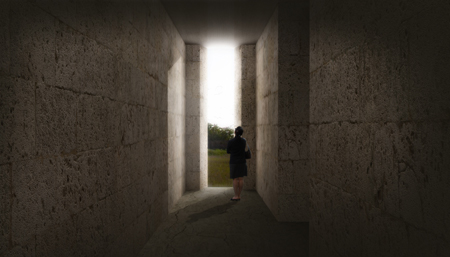
14-reflection-window.jpg

Slavery is an issue that pertains to all of humanity and its importance far outweighs any cultural or social difference. African Americans share a different understanding of our history, however slavery is a part of our global history as human beings. It can and should be addressed by all people.
15-middle-passage-gallery.jpg

I feel that the greatest power of a memorial is its ability to educate current and future generations of people about man’s inhumanity to man.
16-auction-courtyard.jpg

The lessons learned from this memorial may guide future generations away from the atrocities of the past and promote a more peaceful approach to embracing our differences and understanding our similarities.
17-auction-memorial.jpg

This memorial will not take away the pain and sorrow endured by slaves. However, my hope is that this project will help in ameliorating one part of a much greater issue.
18-stono-rebellion-gallery.jpg

19-grand-hall.jpg

20-servitude-garden.jpg

21-contemporary-slave-gall.jpg

22-geneology-center.jpg

23-metal-screen-diagram.jpg

06-courtyard-section.jpg

05-transverse-section.jpg

04-fourth-floor.jpg

03-third-floor.jpg

02-second-floor.jpg

01-first-floor.jpg

00-site-axon.jpg

00-shutes-folly-island.jpg

00-charleston-south-caroli.jpg

Britton Wade Chambers
www.brittonchambers.com

University of Minnesota


Posted by Rose Etherington

9 Responses to “Island of Memory by Britton Chambers”

  1. edward Says:

    Highest marks for realistic documentation. The room that suggests a ships hole with a grate/hatch above was particularly powerful. But I wonder if the project might benefit from being more compact and perhaps relating to the fort and the site in a more sensitive way.

  2. Mattia Says:

    Exceptional and necessary. Really fine work that I would love to see built as shown.

  3. edward Says:

    No disrespect to Mr. Chamber’s fine work, but I would prefer a structure with a smaller foot print on this small spit of land. Say a torus, elevated, recalling the ouroboros in the meaning of all is one, with visitors moving through chambers having the same visceral effect as the design. Just a thought.

  4. fly Says:

    is it true that the US has no memorial to slavery ?

  5. vico Says:

    Nice renders but looks like a collection of parts from other works spliced together – I’m seeing the mandatory Richard Serra rusting cube, the stair off a winning project in the RIBA President’s Medal two years ago, Kengo Kuma’s ceiling from his Stone Museum…

  6. piet faloppa Says:

    Ok for a project. But to think of it seriously, I say no, don’t trivialize Africans’ suffering the same way the Jewish victims’ suffering was. Especially since, as Vico said, this is recycling the same ideas we have in our heads from other models of what a memorial should be.

    I just think most normative memorials end up being trivial in their architectural dramatization and museum-visit agenda. It’s the Hollywood effect applied here; is this necessary, or is there an alternative, less marketable, way to remember?

  7. Roy Says:

    The history of slavery in the USA is embedded in the thoughts and culture of the place and the people. The memorial is around us and in us and we all are a part of it.

    A memorial park can be just as effective as a building complex. The FDR Memorial comes to mind.

  8. Dekodex Says:

    A little bit pathetic. To much things in one place.

  9. future Says:

    it looks like our new project. so i catch some idea!

Submit a comment

See our comments policy