Oskar Zieta at DMY Berlin
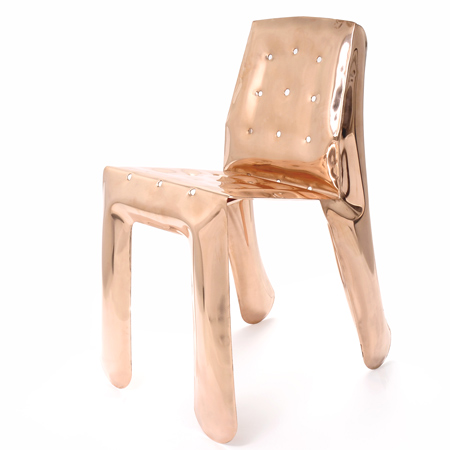
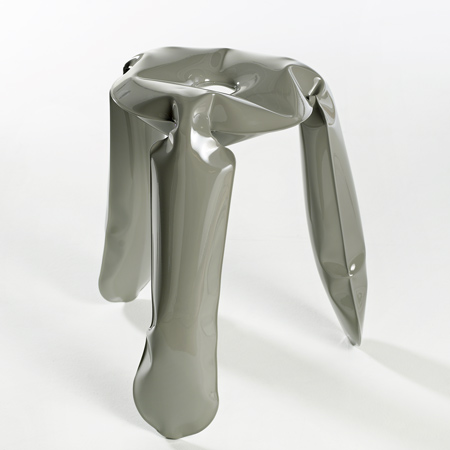
DMY Berlin: new products in Polish designer Oskar Zieta's line of pressure-inflated metal pieces were on show at DMY Berlin last week.
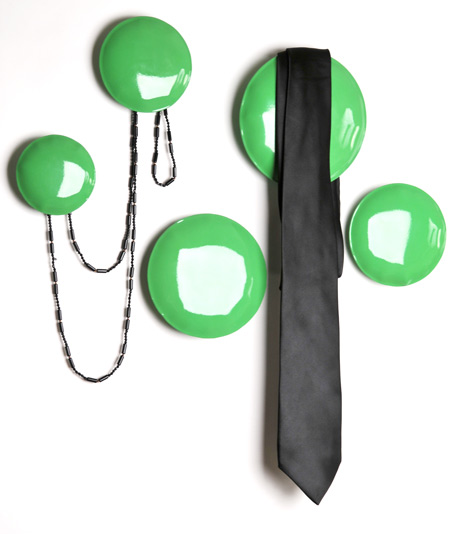
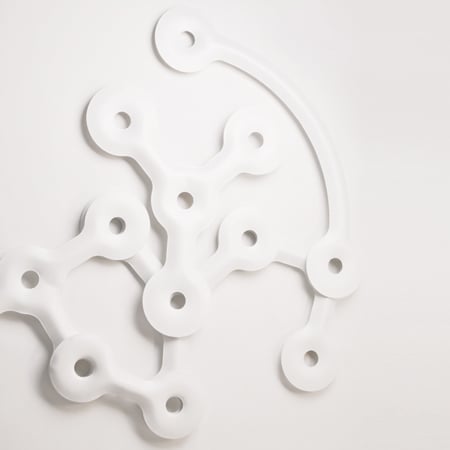
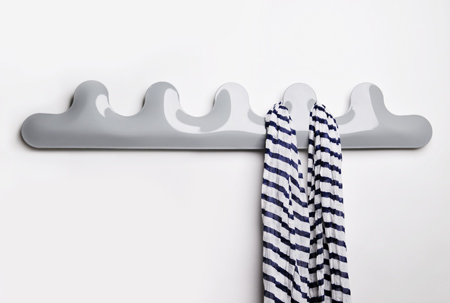
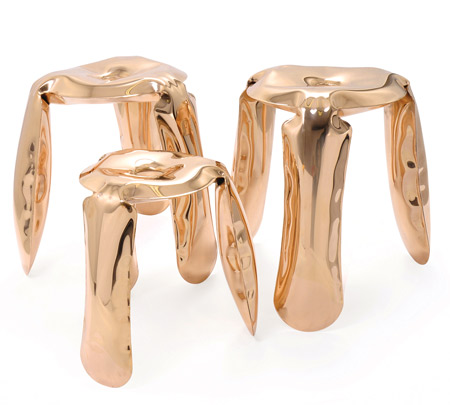
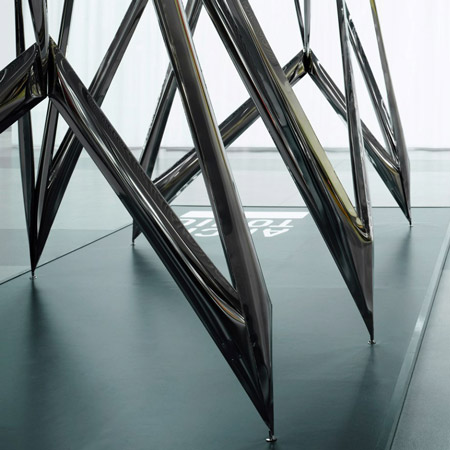
Made using the same technogy as Zieta's Plopp stool (see our earlier story), the new pieces include coat hooks and a construction system made of bone-shaped components.
Zieta presented the pieces as part of a process exhibition with ETH Zürich, which presented all their work with the process to date.
See also:
Architonic Concept Space III by Oskar Zieta (February 2010)
Plopp stool by Oskar Zieta (November 2008)
See all our stories about DMY Berlin in all our stories about DMY Berlin 2010
Here's some more information from Zieta:
FiDU – innovative forming of the future. ETH Zürich & Zieta Prozessdesign present a process exhibition of the FIDU technology, an invention of Oskar Zieta and Philipp Dohmen at ETH Zürich.
Steel sheets inflated with air just like balloons. The exhibition shows several years of development from materials, prototypes, machinery, documentaries to applied and experimental results. The show is conceived as an ongoing work in progress featuring the entire range of FIDU applications and hands-on, on site production.
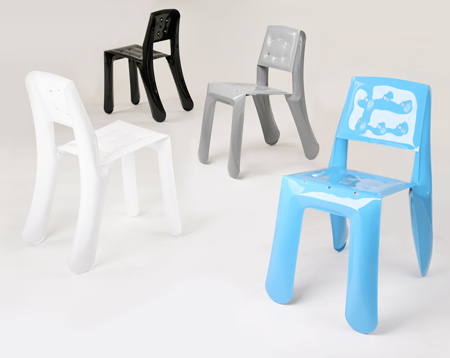
FiDU – cutting-welding-inflating – same steps for every shape.
FiDU means that the same technology can be used for every complexity of a final form. Two shapes cut from steel sheets are welded around their edges and then inflated under high pressure into a 3d object.
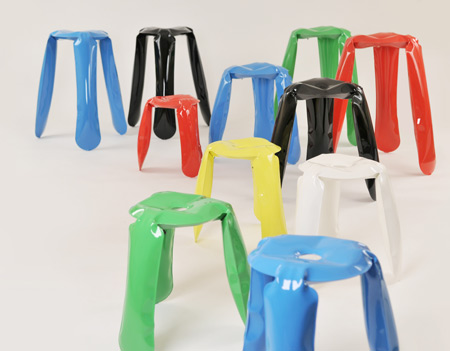
The technology can be applied to form unique design but can also be used to produce fitted and ultra-light constructions of great weight-capacity – for design and architectural elements.
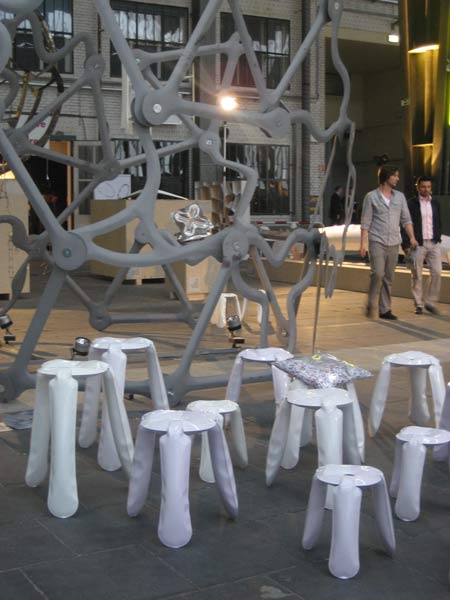
Fitted, efficient, rigid, ultra-light. Every shape cut from 2d steel sheet can be inflated into a 3d object giving new function or new custom part. After inflating, final objects can be bent, joined together, welded together or joined with different materials.
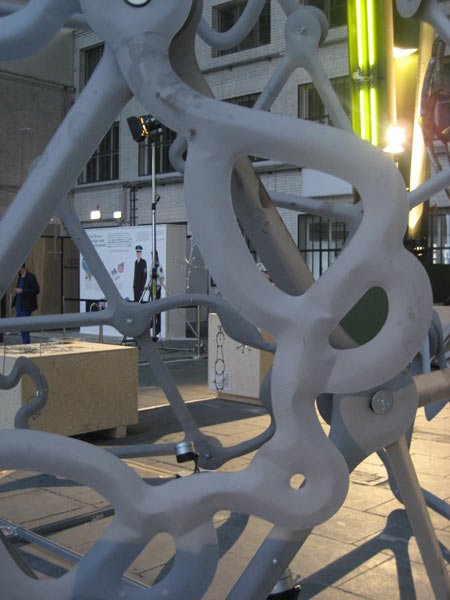
Fitted – it means that every shape can be cut from steel sheet and then inflated to fit the function; efficient – no moulds are needed to create new shapes; rigid – FiDU elements have weight-capacity up to 1:10; ultra-light – FiDU elements are produced using only two thin steel sheets.
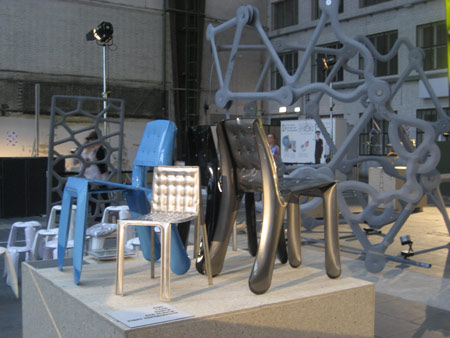
FiDU research. The research includes experimenting with sheets of different metals, different lengths and widths of shapes, different radiuses of arcs, different methods of welding and different kinds of joints between the elements. It is undertaken to discover the properties of inflated metal and to fully control the forming process of the ready-to-use object in FiDU.
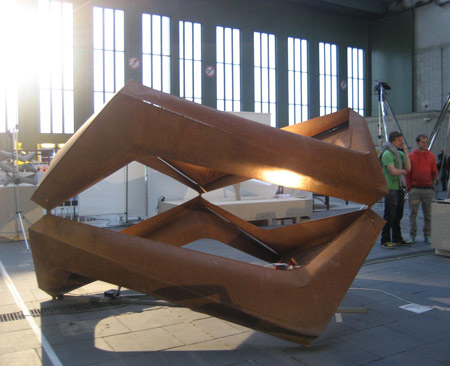
The history of products and the experiments shown on the DMY 2010 exhibition fully reflect this attitude. You will find some innovative shapes, bulges, bends, joints, bindings, proportions and finishes.
See also:
.
 |
 |
all our stories about DMY Berlin 2010 |
| Plopp stool by Oskar Zieta |
Architonic Concept Space III by Oskar Zieta |
all our stories about DMY Berlin 2010 |