Inclusive Tactile Media Design at Georgia Institute of Technology
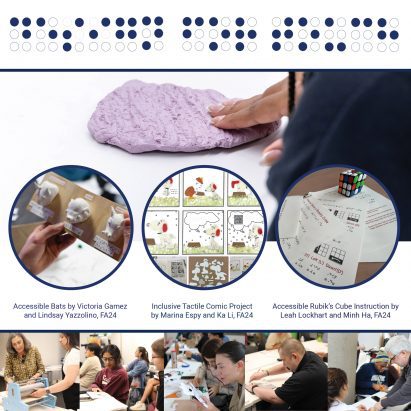
The Inclusive Tactile Media Design course at Georgia Institute of Technology teaches students to develop accessible designs through hands-on prototyping.
In this course, students explore tactile media as a central design language, creating inclusive, multisensory artefacts that engage touch, sound and movement.
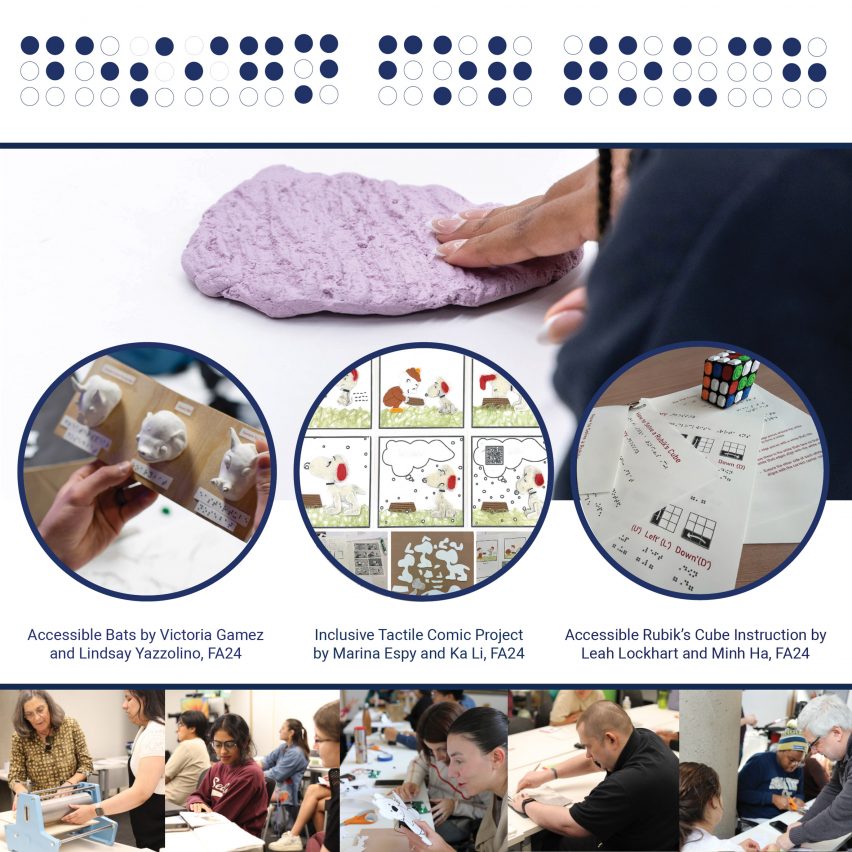
Recent projects include a braille-based Rubik's Cube guide, a raised-line adaptation of a Peanuts comic, and 3D-printed anatomical models of bats. These prototypes, produced in collaboration with blind and low-vision (BLV) co-designers, reflect the course's core commitment to disability-led design and inclusive innovation.
Offered through the School of Industrial Design, this studio challenges students to work in mixed-ability teams and rethink default visual approaches to product and interface design.
Students engage in hands-on prototyping, develop tactile syntax and explore accessible communication strategies rooted in material and embodied experience. Critiques with disabled designers and feedback from community partners support an iterative process that emphasises usability, equity and context-awareness.
Students use tools ranging from embossers and fusers to 3D printers and screen readers, gaining exposure to professional workflows used in the assistive tech and inclusive UX industries.
The course is ideal for students pursuing design careers in physical computing, interaction design or multimodal systems. It cultivates ethical, future-facing practices where disability is understood as a site of design leadership and insight.
School: School of Industrial Design, Georgia Institute of Technology
Course: ID 4823 – Inclusive Tactile Media Design
Type: Undergraduate
Location: Atlanta, GA, USA
Course dates: August 2026 to December 2026
Application deadline: 15 January 2026
Find out more about the course and apply ›
What will I learn during this course?
– Students will apply disability-first principles and inclusive design ethics through user research, co-design and stakeholder engagement, developing critical reflection skills and collaborative practices in mixed-ability teams
– Tactile and sensory design expertise by exploring form-giving, material selection, spatial layout, and ergonomic considerations to create non-visual, multisensory artefacts
– Designing accessible interfaces and systems by integrating assistive technologies, iterative prototyping and multimodal interaction strategies grounded in industrial design and human computer interaction methods
– Students will conduct inclusive design research by developing research questions, performing literature reviews, prototyping with BLV collaborators and communicating findings through accessible, multisensory formats
What are the requirements?
– Have undertaken undergraduate coursework in human-centred design
– Be upper-level undergraduate students
– Students should have an interest in interaction design, physical computing, human-computer interaction (HCI), accessibility studies, media arts and design, inclusive design, architecture or product design with a focus on social innovation
What facilities and resources are available?
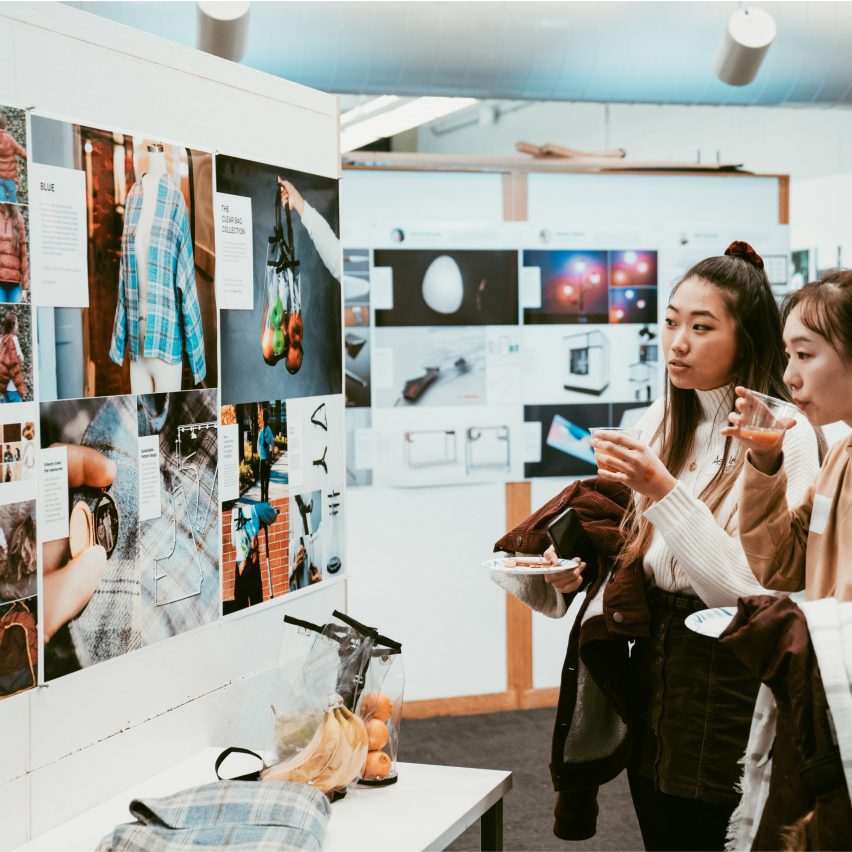
– The School of Industrial Design has a complete range of facilities that include 3D printing, scanning, metal forming, sewing, electronic assembly and testing
What career prospects can I expect upon graduating?
Students can expect career paths in inclusive UX/UI design, assistive technology development, multisensory interaction design, tactile and haptic media design, human-centred AI and accessibility research, accessibility consultancy and policy design, product design for disability and health technology, exhibition and museum accessibility design, 3D design for education and inclusive communication
Who teaches this course?
– Abigale Stangl, assistant professor
Dezeen Courses
Dezeen Courses is a service from Dezeen that provides details of architecture, interiors and design courses around the world. Click here for more information.