
Packaging Design at Georgia Institute of Technology
The Packaging Design course at Georgia Institute of Technology introduces students to the core elements of packaging design over a five-week period.
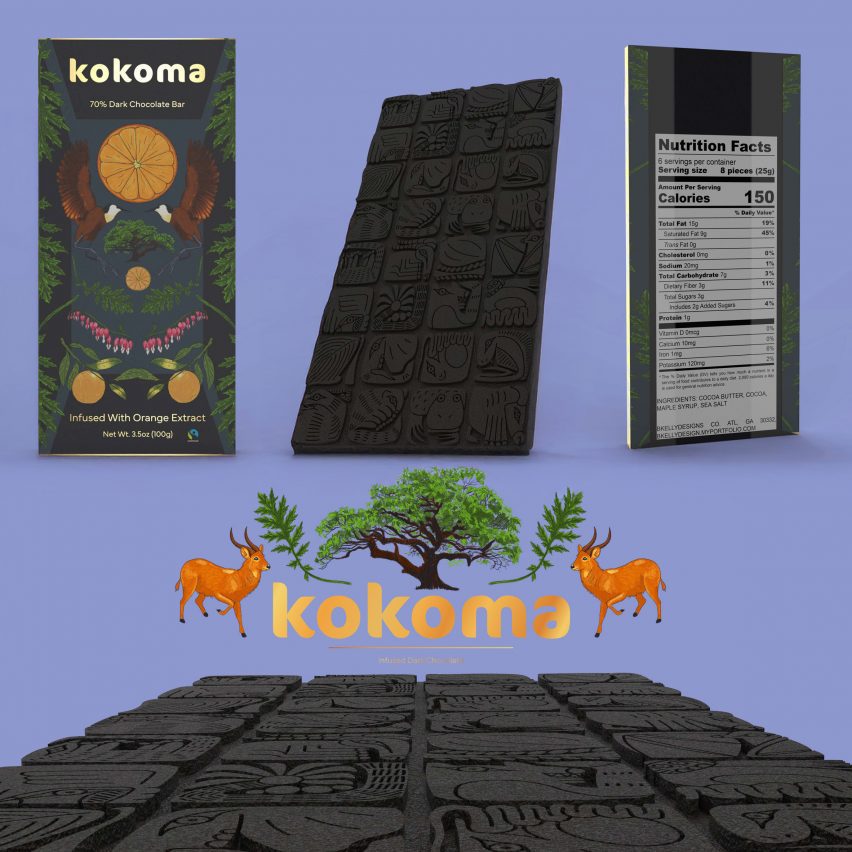
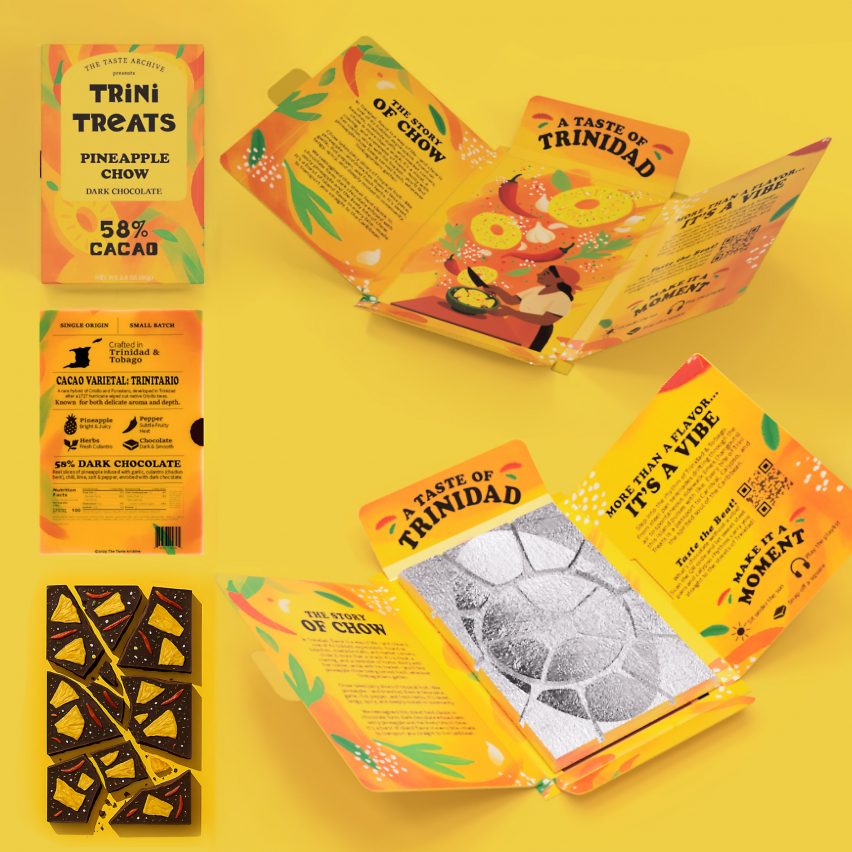
The course explores packaging design through the lens of sensory experience, brand storytelling and real-world logistics. Students begin by analysing existing brands and packaging before creating their chocolate brand and designing both two-dimensional and three-dimensional expressions.
The course emphasises the logistical realities of packaging, from its impact on materials, design and even food ingredients. Students must balance creativity with structural feasibility, material choices and regulatory compliance to ensure a successful project.
The course begins with a hands-on exploration of taste, texture and visual language, supported by guest lectures from experts in food packaging and engineering, sensory science and packaging law and requirements.
Students learn to translate sensory experience and brand identity into compelling visual and tactile packaging elements, including structure, materials, colour, typography and imagery, while also ensuring the design meets regulatory requirements. Weekly check-ins guide students through ideation, iteration and critique, encouraging design exploration and refinement.
Designed for undergraduate and graduate industrial design students, the course builds skills in brand development, sensory-driven design, material selection, regulatory awareness and logistics planning.
Students leave with a portfolio-ready project that demonstrates both strategic thinking and creative execution in packaging.
School: Georgia Institute of Technology
Course: Packaging Design
Type: Short course
Location: Atlanta, GA, USA
Course dates: August 2026 to December 2026
Application deadline: 15 January 2026
Find out more about the course and apply ›
What will I learn during this course?
– Brand development and sensory-driven storytelling in packaging design
– Structural and material design, with attention to logistics, regulatory requirements and ingredient sourcing
– Visual communication through colour, typography, imagery and three-dimensional form
– Iterative design methods: ideation, prototyping, critique and refinement
– Professional presentation and portfolio development for packaging projects
What are the requirements?
– Undergraduate students in Industrial Design (junior or senior level); graduate students by permission
What facilities and resources are available?
– Access to the School of Industrial Design's complete prototyping labs, including 3D-printing, scanning, metal forming, sewing and electronic assembly/testing
What career prospects can I expect upon graduating?
The course prepares students for careers in product and packaging design, brand development, consumer goods and sustainable design.
Who teaches this course?
– Courtney Garvin, lecturer, School of Industrial Design
Dezeen Courses
Dezeen Courses is a service from Dezeen that provides details of architecture, interiors and design courses around the world. Click here for more information.