Urbanism and Societal Change at the Royal Danish Academy
The Urbanism and Societal Change course at the Royal Danish Academy encourages students to explore how the climate, biodiversity and socio-economic factors are affecting urban design.
The two-year Master’s programme of Urbanism and Societal Change is centred around architectural and urban projects as essential responses to the environmental polycrisis.
The course is taught in Copenhagen, Denmark, at the Royal Danish Academy, the leading academy in Scandinavia in the fields of architecture, design and conservation.
The course is taught from a point of view that the built environment is impacted in a range of ways by emerging conditions of polycrisis – including the climate emergency, breached planetary boundaries, declining biodiversity, rising socio-economic inequalities, shifting demographics and threats to democracy.
Based on this, it teaches students to identify and understand the evolving conditions impacting the field, and to envision optimistic and generous alternatives for our collective future, is increasingly crucial.
Students are guided to develop knowledge and proposals related to specific contexts, thematic conditions, functions and pressing societal and environmental issues.
School: Royal Danish Academy
Course: Urbanism and Societal Change
Type: Postgraduate
Location: Copenhagen, Denmark
Course dates: September 2027 to June 2029
Application deadline: 1 March 2027
Find out more about the course and apply ›

What will I learn during this course?
– Foundational knowledge in architectural, urban design and strategic urban planning methods
– Form-giving, systemic thinking and representational techniques
– Skills in theory, history, research methods, rhetorical strategies and spatial visioning
– Skills to create innovative spatial responses to the complex challenges posed by the evolving polycrisis
– Key competencies developed through the programme include research methods, architectural and urban design based on research insights, operational knowledge of planning procedures, strategic and systemic thinking and experience in multidisciplinary processes
What are the requirements?
– Applicants must have a bachelor’s degree in architecture or architectural studies from a nationally recognised school of architecture
– This means that your degree must be recognised by a national architectural association or board as a degree that leads to a professional qualification as an architect
What facilities and resources are available?
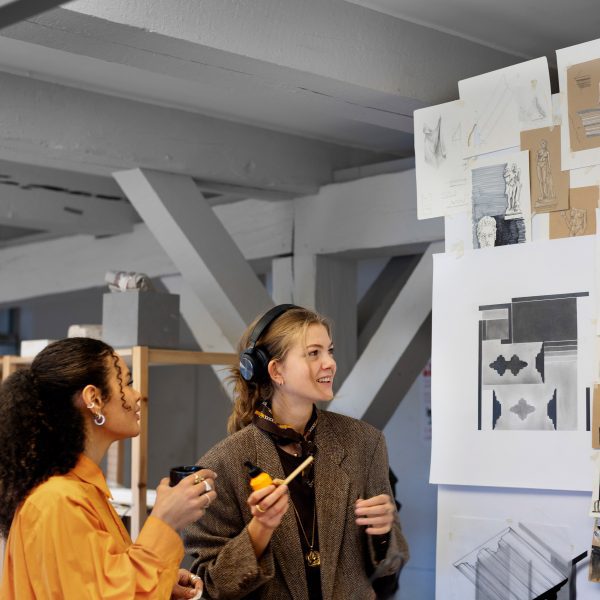
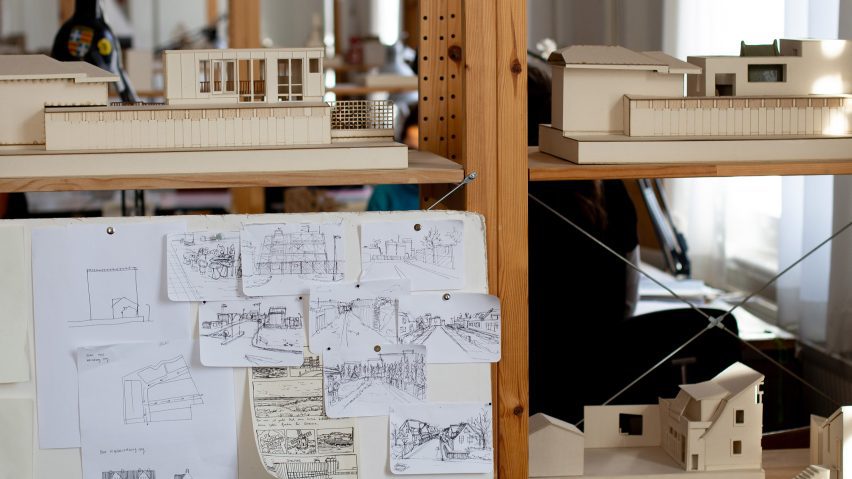
– Each master student has their own desk and space for studying and building models
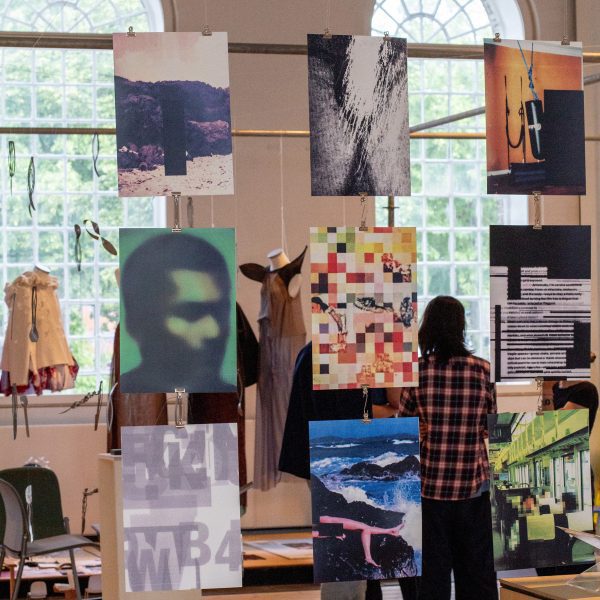
– Teaching and exhibition spaces
– Extensive suite of labs and workshops available in person
– Print and photo labs for portfolio building
– Dedicated architecture and design library
What career prospects can I expect upon graduating?
Graduates of the Urbanism and Societal Change programme pursue relevant and impactful careers in architecture, urbanism, and related fields both in Denmark and internationally.
In recent years, graduates have built careers in a variety of contexts, including architecture and urban studios, urban consultancies, think tanks, research and academia, public sector roles and starting up independent, experimental practices.
Who teaches this course?
– Deane Alan Simpson, professor
Dezeen Courses
Dezeen Courses is a service from Dezeen that provides details of architecture, interiors and design courses around the world. Click here for more information.