Fashion, Clothing and Textiles – New Landscapes for Change at the Royal Danish Academy
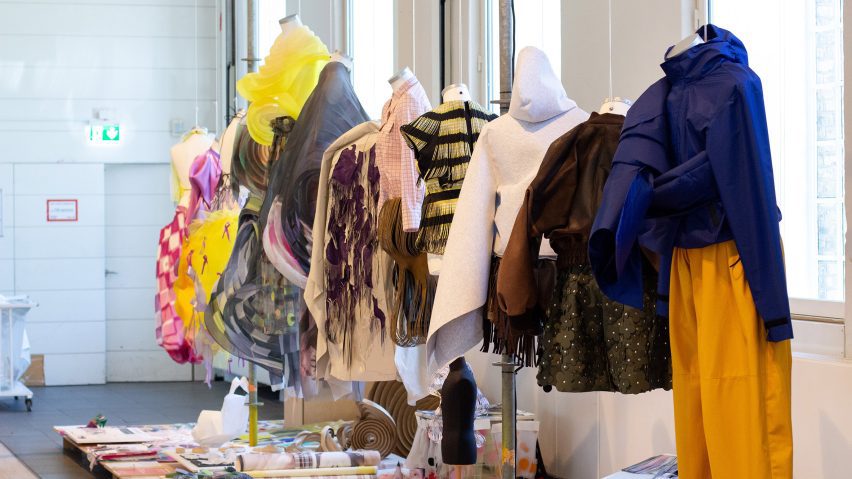
The Fashion, Clothing and Textiles – New Landscapes for Change course at the Royal Danish Academy encourages a sustainable approach to fashion design, with opportunities for students to showcase work at Copenhagen Fashion Week.
The master's programme of Fashion, Clothing and Textiles – New Landscapes for Change is rooted in the sustainability principle of material resourcefulness.
It also teaches a deep-rooted sense of the interconnected relationships between fibre, garment, fashion and ecosystems.
The programme, taught at the Royal Danish Academy, Scandinavia's leading academy within design, offers students tools to build responses to today's complex set of urgent and global environmental crises through their own artistic practices.
The programme is rooted in the Danish design tradition, and students will learn from the past and the present to shape a better future for fashion through artistic practice.
Building on Scandinavian design principles around user empathy, collaboration and participation, students will learn how to develop their designs in various systemic contexts – such as communities, organisations and businesses.
The programme builds on user-led design approaches and the Danish tradition of 'democratic' design that supports plurality and diversity at all levels – gender, race, age and more.
Each year, graduating students put on a fashion show at Copenhagen Fashion Week, an opportunity to showcase their talents to future employers.
School: Royal Danish Academy
Course: Fashion, Clothing and Textiles – New Landscapes for Change
Type: Postgraduate
Location: Copenhagen, Denmark
Course dates: September 2027 to June 2029
Application deadline: 1 March 2027
Find out more about the course and apply ›

What will I learn during this course?
– Critical engagement with and navigation of contemporary knowledge within sustainability, design approaches and materials
– Apply artistic talent to fashion, clothing and textiles concepts that are inclusive and focus on values of use and usership
– Develop and deploy design processes and grow niche markets and target groups across the value chain of design, based on a circular mindset for planetary resilience
– Challenge current dysfunctionalities with forward-thinking and hands-on narratives, concepts and ideas born from material design practice
What are the requirements?
– To be eligible to apply, applicants must have a bachelor's degree in design or a similar relevant discipline from an accredited university or design school
What facilities and resources are available?
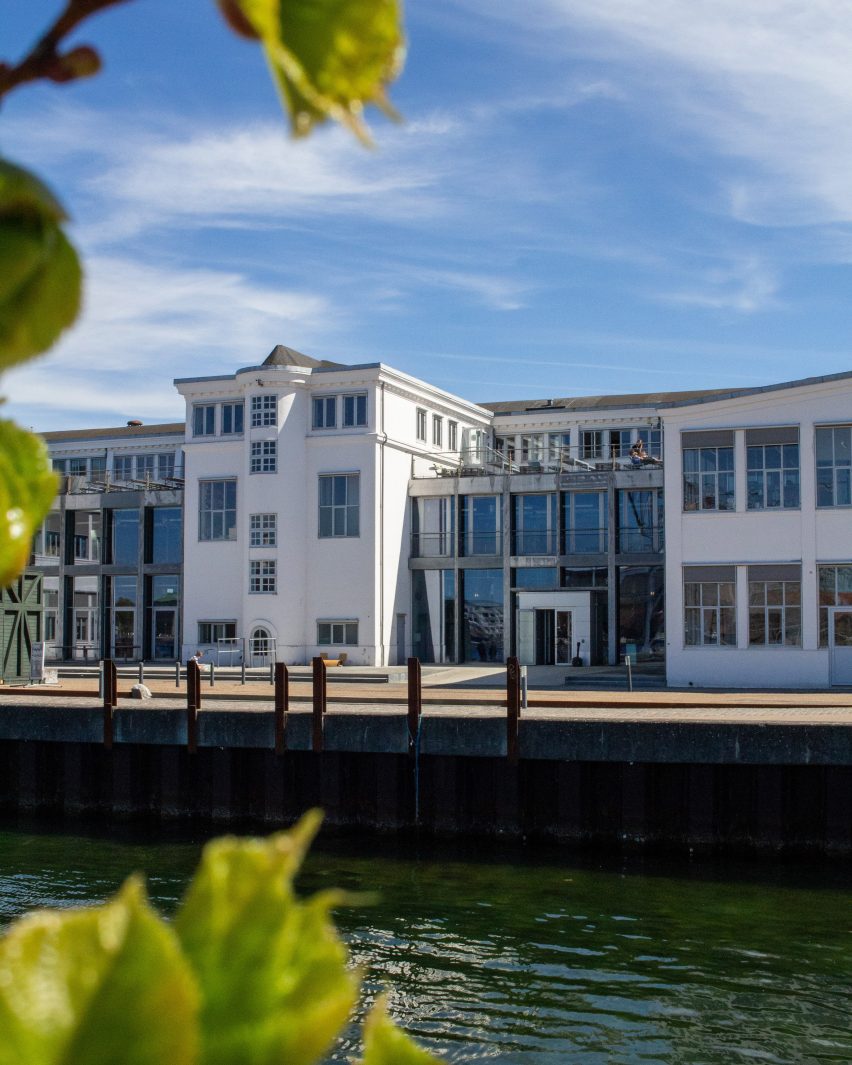
– Each master student has their own desk and space for studying and building models
– Teaching and exhibition spaces
– Extensive suite of labs and workshops available in person
– Print and photo labs for portfolio building
– Dedicated architecture and design library
What career prospects can I expect upon graduating?
Candidates will be able to make use of their skills and expertise as designers to drive strategic, sustainable change within companies, communities and organisations.
They will be able to hold positions as head designers or heads of design studios within existing companies working with sustainability, strategic developers within the textile waste sector for circularity, design facilitators for marginalised citizens or other types of relevant jobs.
Who teaches this course?
– Marcus Aminaka Wilmont, assistant professor
Dezeen Courses
Dezeen Courses is a service from Dezeen that provides details of architecture, interiors and design courses around the world. Click here for more information.