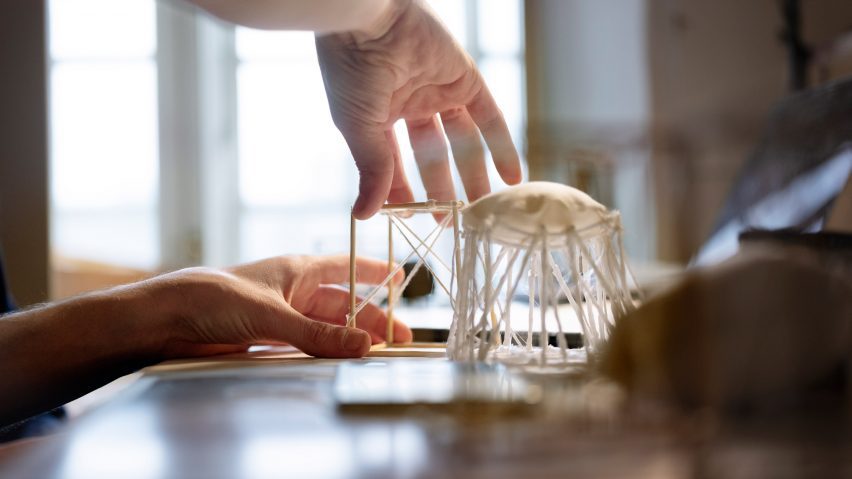
Furniture Design – Products, Materials and Contexts at the Royal Danish Academy
The Furniture Design – Products, Materials and Contexts course at the Royal Danish Academy encourages students to approach furniture design with a critical lens, focusing on social, economic and sustainable factors.
Furniture Design – Products, Materials and Contexts looks at furniture, spaces, materials and industrial product design through a critical lens. The course has a specific focus on social, economic and environmental sustainability.
Exploring techniques of production and systems of value generation, we educate graduates to take the lead in diverse project scenarios informed by contextual insight and sensitivity to human behaviour, along with high levels of creativity and technical know-how.
Consumer culture faces fundamental and urgent change, requiring radical transformation to new modes of production and consumption. The ability to meet this paradigm shift is essential for future designers, who will lead change in the increasingly complex social and technical contexts of circular design and behavioural economics.
The venerable Danish furniture and design tradition underpins our approach, informing the core of our hands-on and workshop-based learning.
Our students enjoy collaboration with multiple external partners in industrial and educational settings both in Denmark and abroad.
During the studies, students have amble opportunity to use the workshops and develop prototypes as well as finished samples. The Royal Danish Academy is Scandinavia's leading academy for architecture and design and is renowned for its dual focus on craftsmanship and academic studies.
School: Royal Danish Academy
Course: Furniture Design - Products, Materials and Contexts
Type: Postgraduate
Location: Copenhagen, Denmark
Course dates: September 2027 to June 2029
Application deadline: 1 March 2027
Find out more about the course and apply ›
What will I learn during this course?
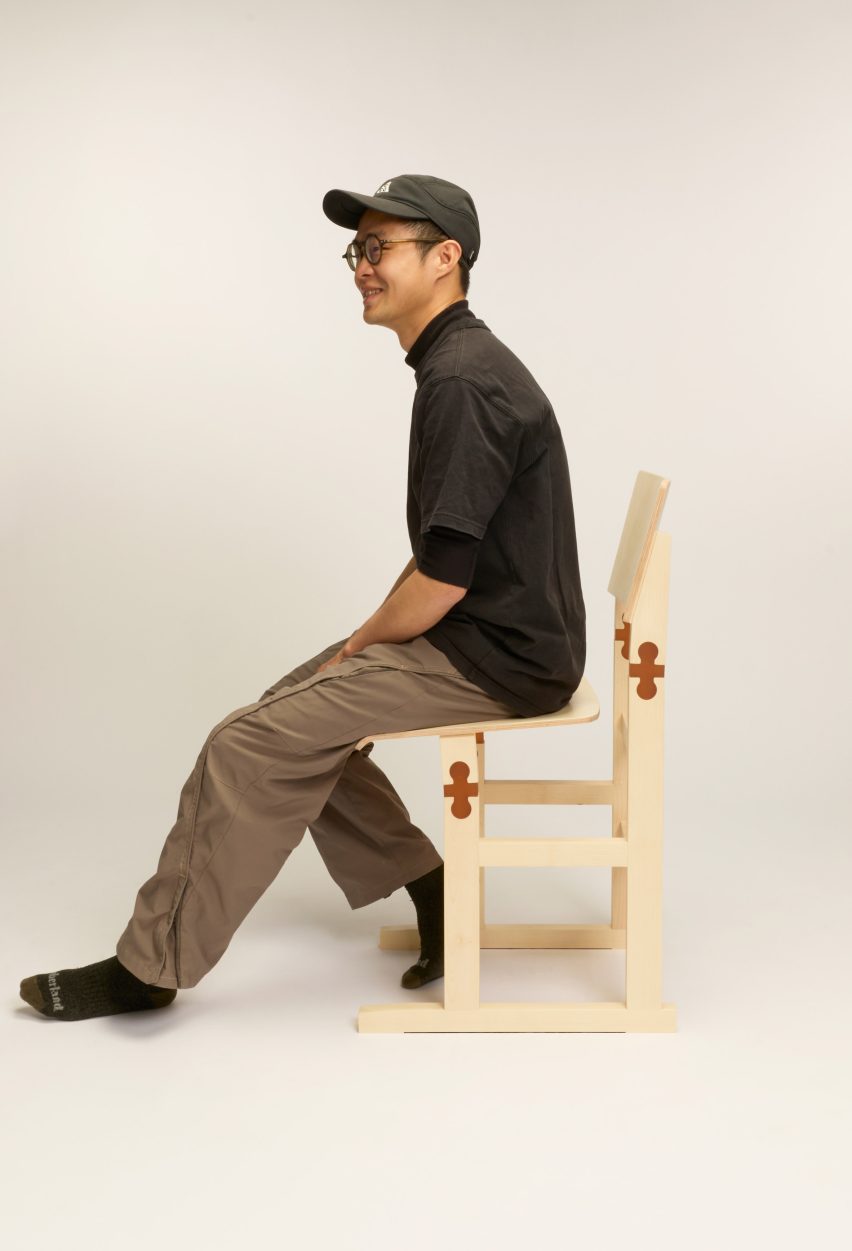
– Critical skills and knowledge, including design contexts, tectonics, material tactility, design history, design methods, product development, life-cycle assessment, certifications, inclusion and diversity
What are the requirements?
The course admits bachelor students with either a bachelor's in architecture or design.
– To be eligible to apply as an architecture student, applicants must have a bachelor's degree in architecture or architectural studies from a nationally recognised school of architecture (the degree must be recognised by a national architectural association or board as a degree that leads to a professional qualification as an architect)
– To be eligible to apply as a design student, applicants must have a bachelor's degree in design or a similar relevant discipline from an accredited university or design school
What facilities and resources are available?
– Each master student has their own desk and space for studying and building models
– Teaching and exhibition spaces
– Extensive suite of labs and workshops available in person
– Print and photo labs for portfolio building
– Dedicated architecture and design library
What career prospects can I expect upon graduating?
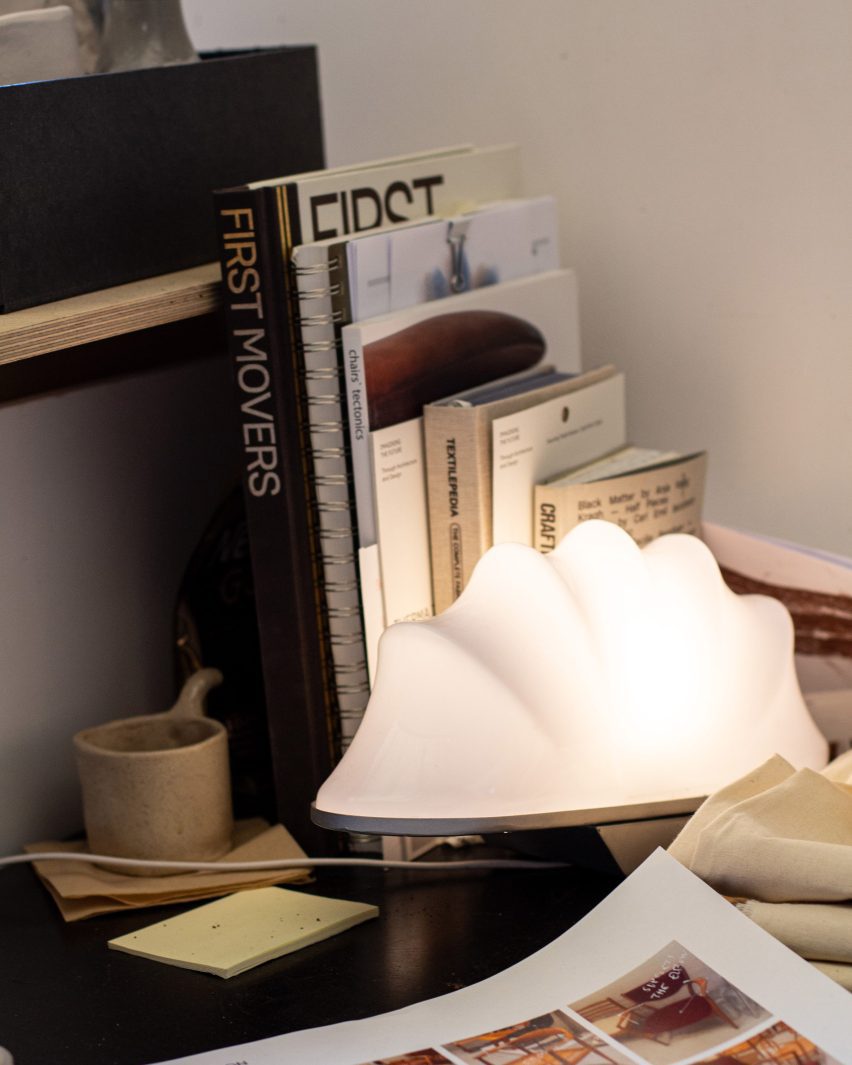
Students can expect to progress into roles in furniture, products, interiors, exhibition design and space planning.
Who teaches this course?
– Nicolai de Gier, professor MSO
Dezeen Courses
Dezeen Courses is a service from Dezeen that provides details of architecture, interiors and design courses around the world. Click here for more information.