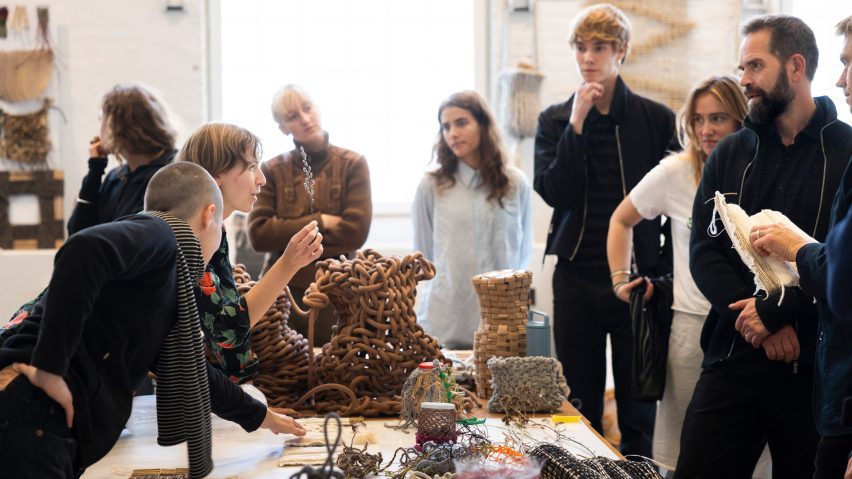
Computation in Architecture at the Royal Danish Academy
The Computation in Architecture at the Royal Danish Academy examines contemporary modelling and fabrication within architecture, whilst questioning the role of the architect amid the climate crisis.
Computation in Architecture explores the critical consideration of contemporary modelling and fabrication technologies as a driver for thinking, forming and realising architecture.
The Master's programme has a specific focus on advanced and generative modelling, living and bio-materials and robotic fabrication.
The programme foregrounds architectural investigation, questioning, risk-taking, synthetic thinking and critical reflection. To look beyond existing boundaries, we emphasise design-led engagement informed by one-to-one prototyping and state-of-the-art research knowledge.
The programme is part of the two-year Master's programme at the Royal Danish Academy, Scandinavia's leading academy within architecture and design.
Computation in Architecture aims to question what it means to be a practising architect in a time of urgent climate, resource and societal action and to build research-led modes of design practice that prepare our students to lead the creation of innovative solutions.
The programme is embedded within the research centre CITA: Centre for IT and Architecture, an internationally renowned, innovative research centre.
Within this programme you'll have leading researchers tutoring your individual projects and be invited to presentations from internationally leading researchers and practitioners.
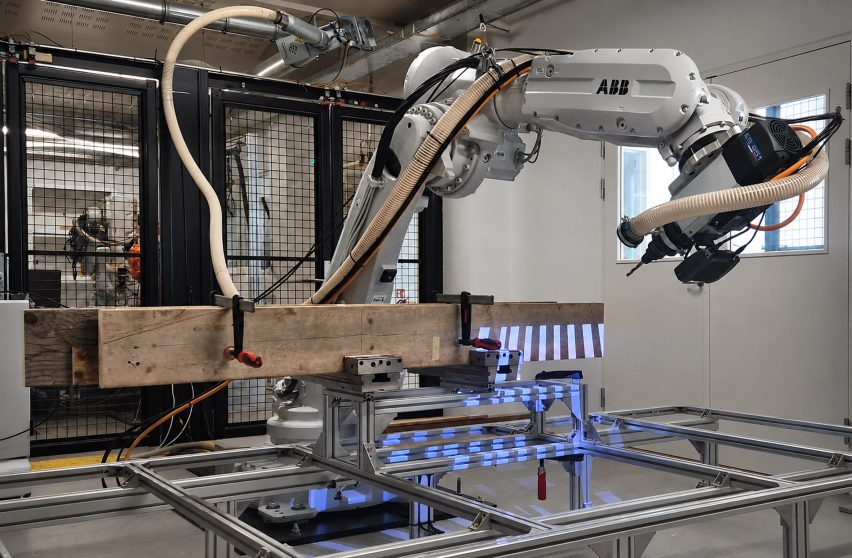
The programme has access to advanced facilities, including robotics and bio-labs.
School: Royal Danish Academy
Course: Computation in Architecture
Type: Postgraduate
Location: Copenhagen, Denmark
Course dates: September 2027 to June 2029
Application deadline: 1 March 2027
Find out more about the course and apply ›
What will I learn during this course?
– Sophisticated understanding of architecture
– Specialised knowledge in the use of research-led design methodologies
– Mastering the latest tools and technologies
– Advanced skills in digital modelling and Python programming
– Robotic control and digital fabrication
– Critical and operational understanding of LCA
– Knowledge of state-of-the-art in material and technological research
– Teamwork skills
– Lab and workshop skills
– Digital visualisation skills
– Skills in scientific writing, literature search and theoretical insight
What are the requirements?
To be eligible to apply, applicants must have a bachelor's degree in architecture or architectural studies from a nationally recognised school of architecture.
This means that your degree must be recognised by a national architectural association or board as a degree that leads to a professional qualification as an architect.
What facilities and resources are available?
– Individual desk and space for studying and building models
– Teaching and exhibition spaces
– Extensive suite of labs and workshops available in person
– Print and photo labs for portfolio building
– Dedicated architecture and design library
What career prospects can I expect upon graduating?
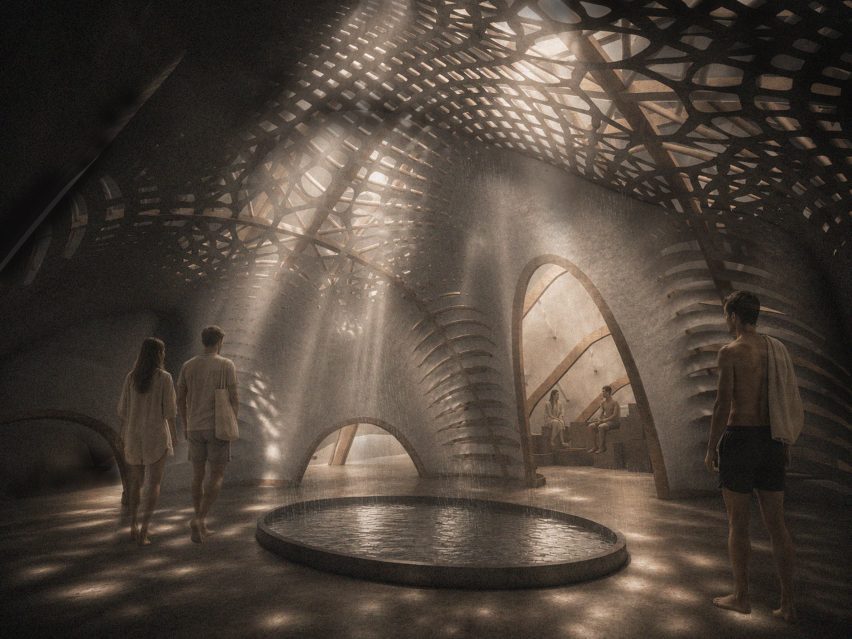
Graduates from Computation in Architecture can expect careers in architectural practice, consultancy and academic research in both Denmark and internationally.
Who teaches this course?
– Paul Nicholas, associate professor
Dezeen Courses
Dezeen Courses is a service from Dezeen that provides details of architecture, interiors and design courses around the world. Click here for more information.