Political Architecture: Critical Sustainability at the Royal Danish Academy
The Political Architecture: Critical Sustainability course at the Royal Danish Academy examines how architecture can respond to politics, with consideration of liveability and sustainability.
Political Architecture focuses on the critical examination of architecture’s engagement with the wilful consolidations, transformations and governing of society by those in power.
This master’s programme at the Royal Danish Academy looks at relations between architecture and power.
Students are taught to ask: what is architecture’s role in maintaining, transforming and disrupting co-habitational orders?
They ask how architecture can engage in complex real-world situations where critical attention to urgent matters of liveability, suppression, sustainability and precarious opportunity are more palpable than ever.
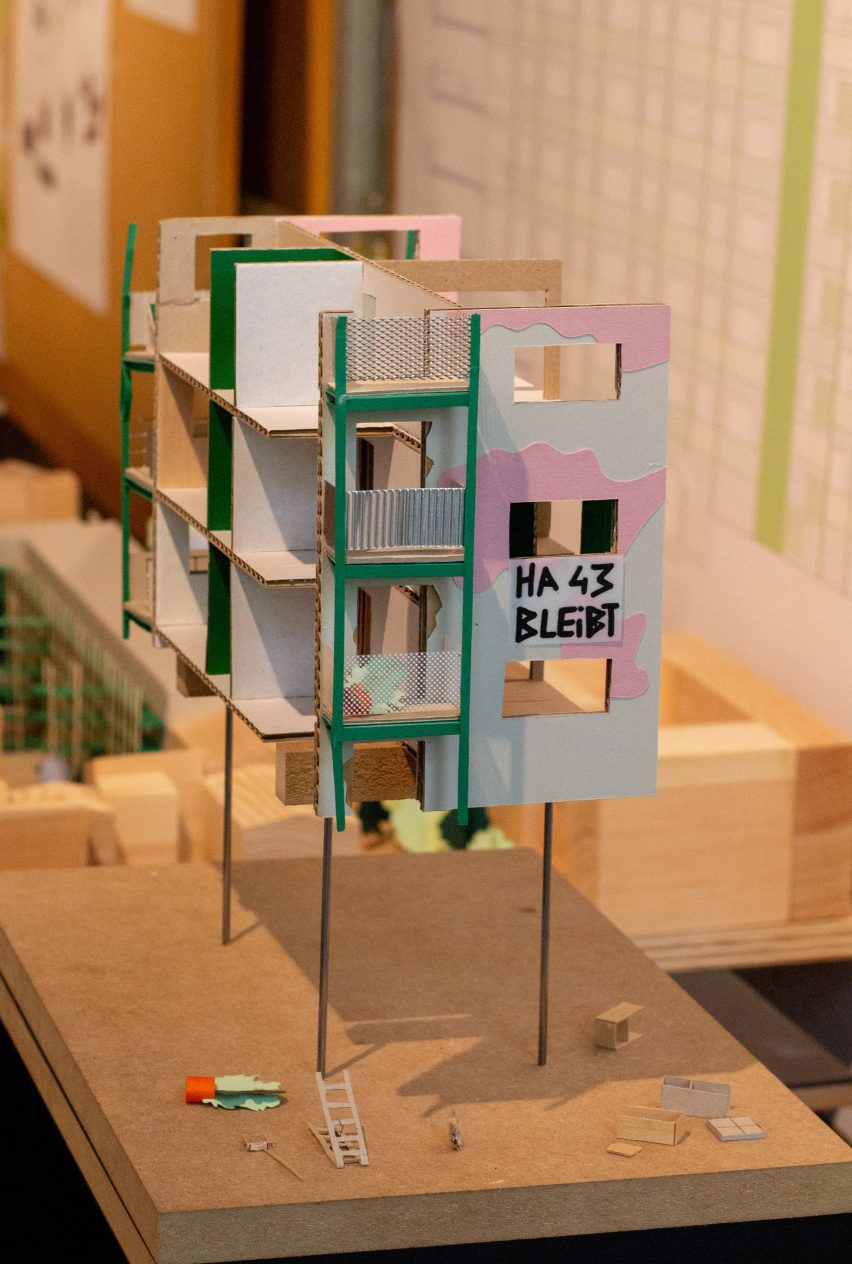
The general method of Political Architecture: Critical Sustainability is twofold: on the one hand, a practical, material and constructive approach; on the other, an analytical, conceptual and academic mode of inquiry.
Though the approaches are intertwined, their dual capacities are kept separate, feeding off each other in a co-evolutionary process.
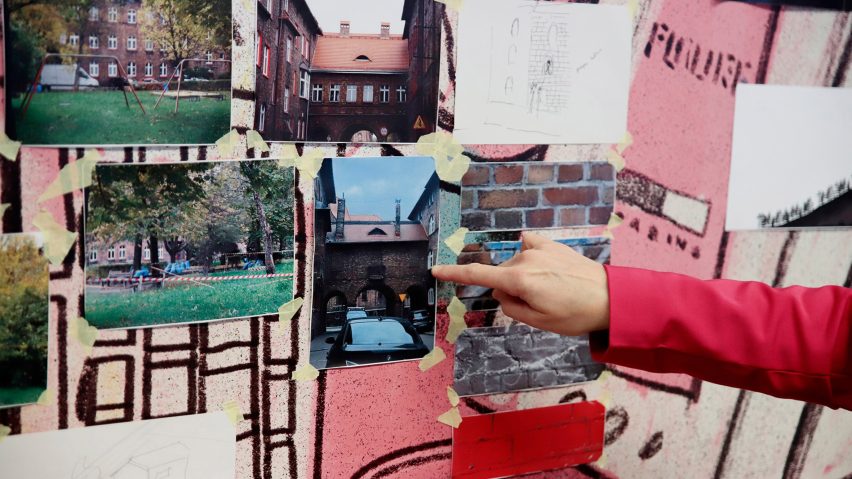
A defining feature of the programme is the annual fieldwork campaign. This mandatory excursion provides us with architectural complexity, urgency and a political context.
School: Royal Danish Academy
Course: Political Architecture: Critical Sustainability
Type: Postgraduate
Location: Copenhagen, Denmark
Course dates: September 2027 to June 2029
Application deadline: 1 March 2027
Find out more about the course and apply ›
What will I learn during this course?
– Graduates obtain broad professional, artistic, discursive and academic skills across a range of spatial and political problematics
– Writing and structured reading
– Collaborative and interdisciplinary abilities
– Critical thinking through theory, action and design, as well as working situated and in close relation to stakeholders
What are the requirements?
– To be eligible to apply, applicants must have a bachelor’s degree in architecture or architectural studies from a nationally recognised school of architecture
– This means that your degree must be recognised by a national architectural association or board as a degree that leads to a professional qualification as an architect
What facilities and resources are available?
– Each master student has their own desk and space for studying and building models
– Teaching and exhibition spaces
– Extensive suite of labs and workshops available in person
– Print and photo labs for portfolio building
– Dedicated architecture and design library
What career prospects can I expect upon graduating?
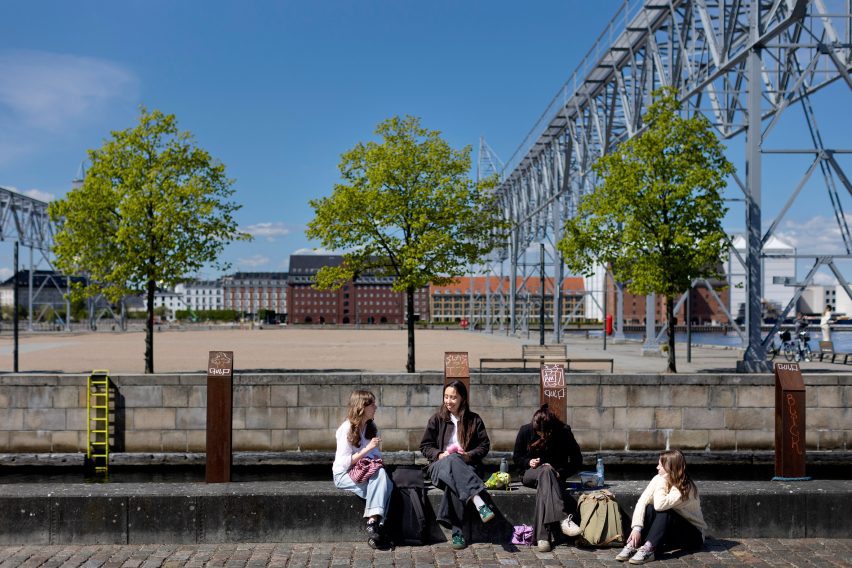
We find our alumni in the fields of both artistic and academic research, architectural practices (both small and big), policy making and activism, across a broad international field.
Who teaches this course?
– Niels Grønbæk, associate professor
Dezeen Courses
Dezeen Courses is a service from Dezeen that provides details of architecture, interiors and design courses around the world. Click here for more information.