Master of Industrial Design (MID) Graduate Studio 1 – Design for Body Fit at Georgia Institute of Technology
The Master of Industrial Design (MID) Graduate Studio 1 – Design for Body Fit course at the Georgia Institute of Technology supports students in developing ergonomic designs for the human body, including helmets and eyewear, with access to 3D printing and CAD software.
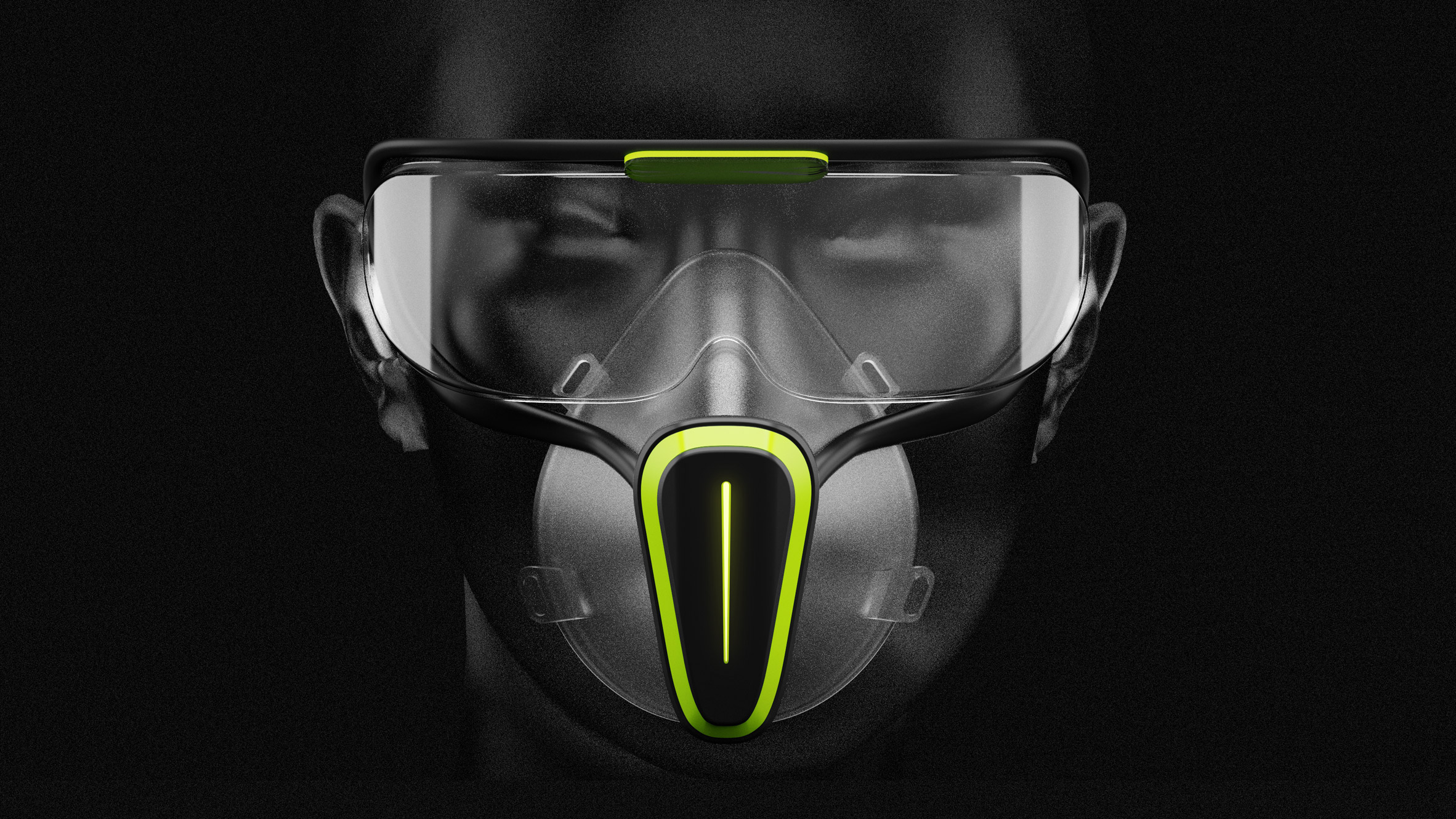
Designing products to fit the human head is challenging due to the complexity of fit. Head worn products such as eyewear, VR headsets, surgical masks and helmets need to fit users seamlessly to function effectively. Fit is a complex and multilayer challenge.
This course explores the four factors that influence the successful design of head-worn products: anthropometrics, comfort, vanity and social acceptance.
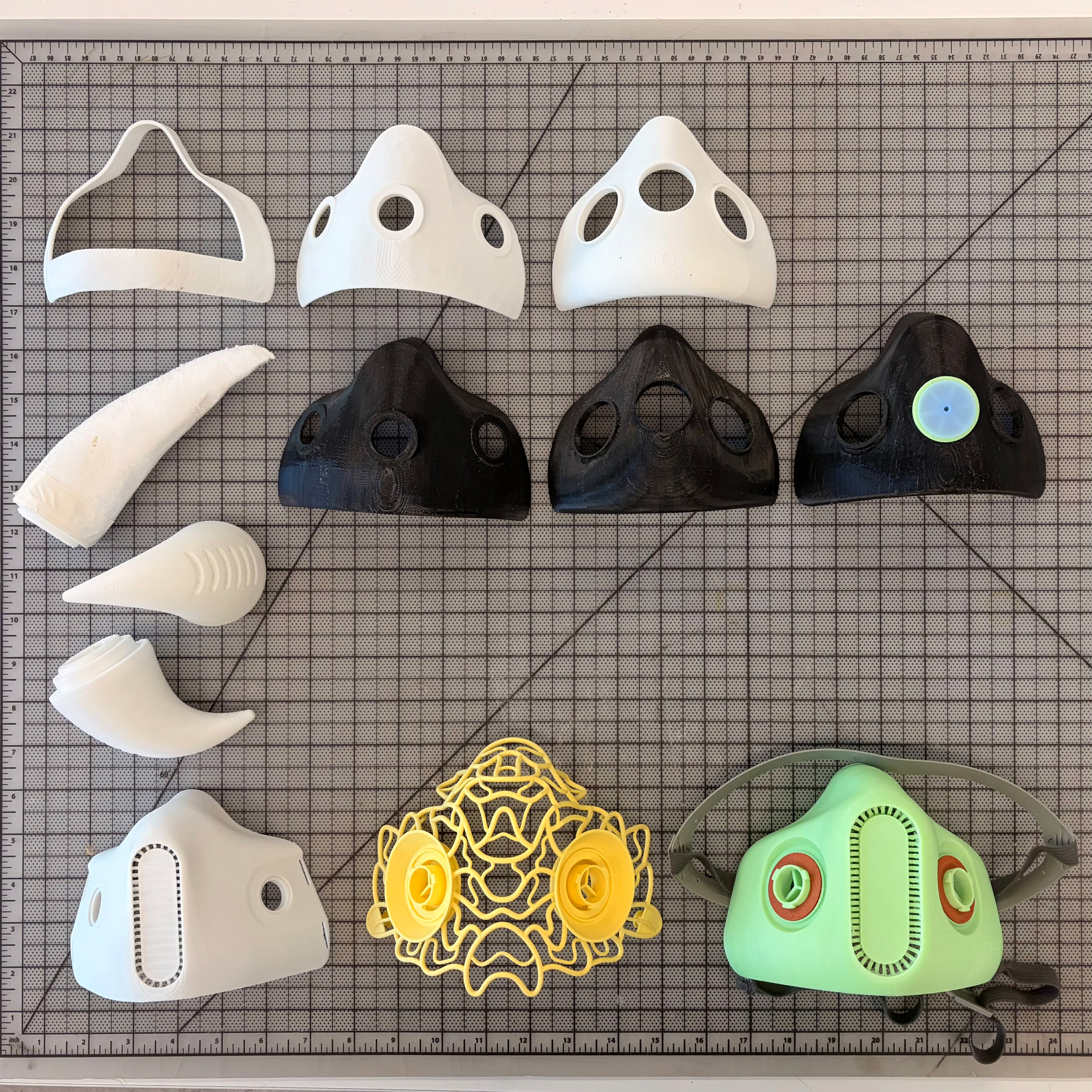
This product design course equips students with the skills to create design solutions that are ergonomically tailored to the human body. We use an iterative prototyping method to develop design solutions with each student typically producing three to five prototypes.
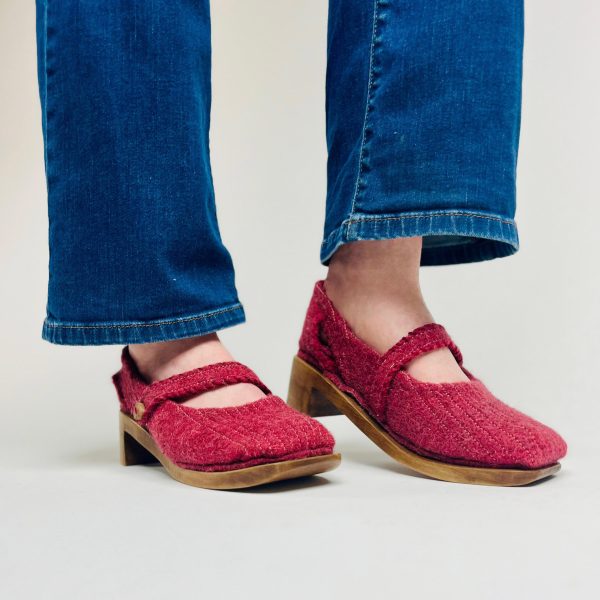
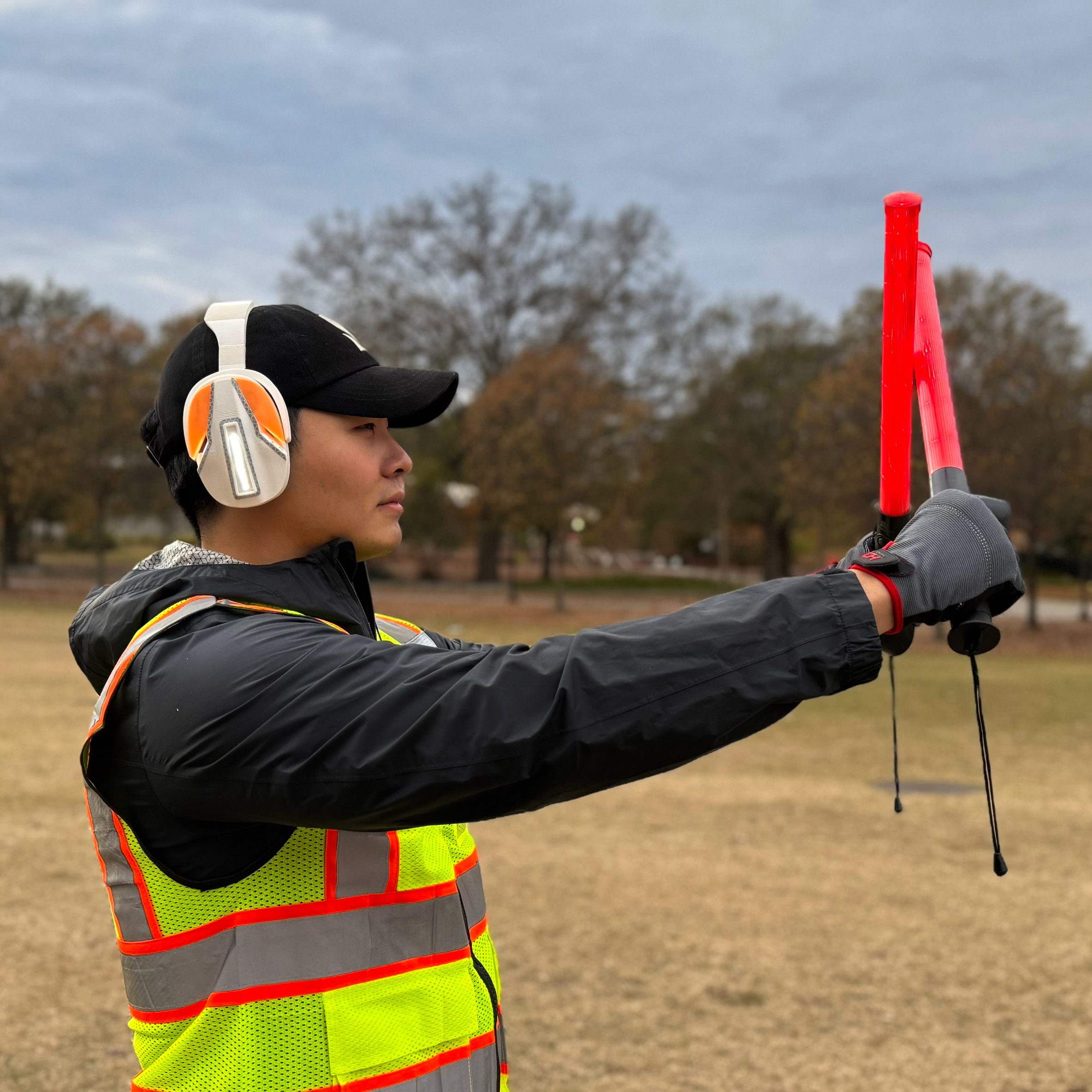
Students develop design solutions for a range of body-worn products, including soft goods, footwear, eyewear, body armour, personal protective equipment (PPE) and headgear.
Applying the technologies such of 3D scanning, 3D printing and CAD software, students produce highly refined, innovative portfolio-ready designs.
Key themes include product customisation and brand development, preparing students for forward-thinking roles in the sports, wearable tech and healthcare industries.
School: Georgia Institute of Technology, College of Design, School of Industrial Design
Course: ID6400: Master of Industrial Design (MID) Graduate Studio 1 – Design for Body Fit
Type: Postgraduate
Location: Atlanta, Georgia, USA
Course dates: August to December 2026
Application deadline: 15 January 2026
Find out more about the course and apply ›
What will I learn during this course?
– Students explore the four ‘factors of fit’, balancing technical anthropometric data with comfort in materials, the nuances of vanity and social trends
– Hands-on experience with advanced technologies, including 3D scanning and printing
– Iterative prototyping, guiding you through multiple prototypes to achieve an advanced level of fit and strategic design, where you’ll explore the intersection of custom product development and brand strategy
What are the requirements?
– Applicants must hold a bachelor’s degree in industrial design or a related field
– Requirements include a professional portfolio, a statement of intent and GRE scores (where applicable)
What facilities and resources are available?
– School of Industrial Design’s Body Scan Lab, featuring high-resolution 3D body scanners and access to a variety of 3D printing resources within the school and dedicated shop spaces for physical model assembly
What career prospects can I expect upon graduating?
The course prepares students for forward-thinking roles in the sports, wearable tech and healthcare industries.
Graduates are equipped to design complex headgear and bodyfit products, including eyewear, protective helmets, surgical masks, VR/AR headsets, body armour and personal protective equipment (PPE).
Who teaches this course?
– Roger Ball, professor of Industrial Design
Dezeen Courses
Dezeen Courses is a service from Dezeen that provides details of architecture, interiors and design courses around the world. Click here for more information.