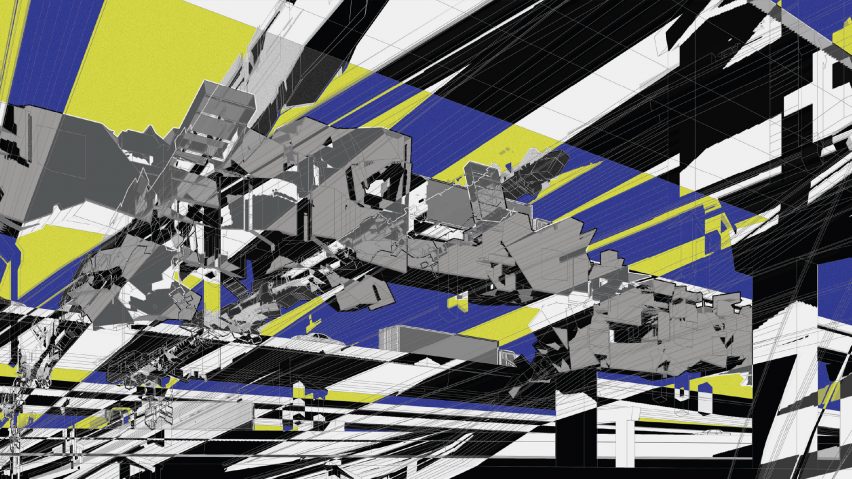
Master of Science in Architecture in Design Computation: Image to Matter at University of North Carolina at Charlotte
The Master of Science in Architecture in Design Computation: Image to Matter at University of North Carolina at Charlotte equips students with architectural computation skills, with access to specialist facilities and resources.
The Master of Science in Architecture (MS in Arch) in Design Computation course offers specialised coursework and in-depth investigation, preparing students for leadership roles in architectural research.
The Computed Environment is an area of distinction that runs throughout the curriculum in the School of Architecture and recognises the transformative force of computation in design.
Through innovative coursework and experimental design studios and research, students unite cutting-edge technology with critical architectural inquiry.
Image to Matter is an advanced design studio that examines how emerging computational technologies reframe fundamental architectural questions of material, experience, form and creative production. In our contemporary context, image repositories – whether canonical, common, or synthetic – are readily available via digital search engines and social media.
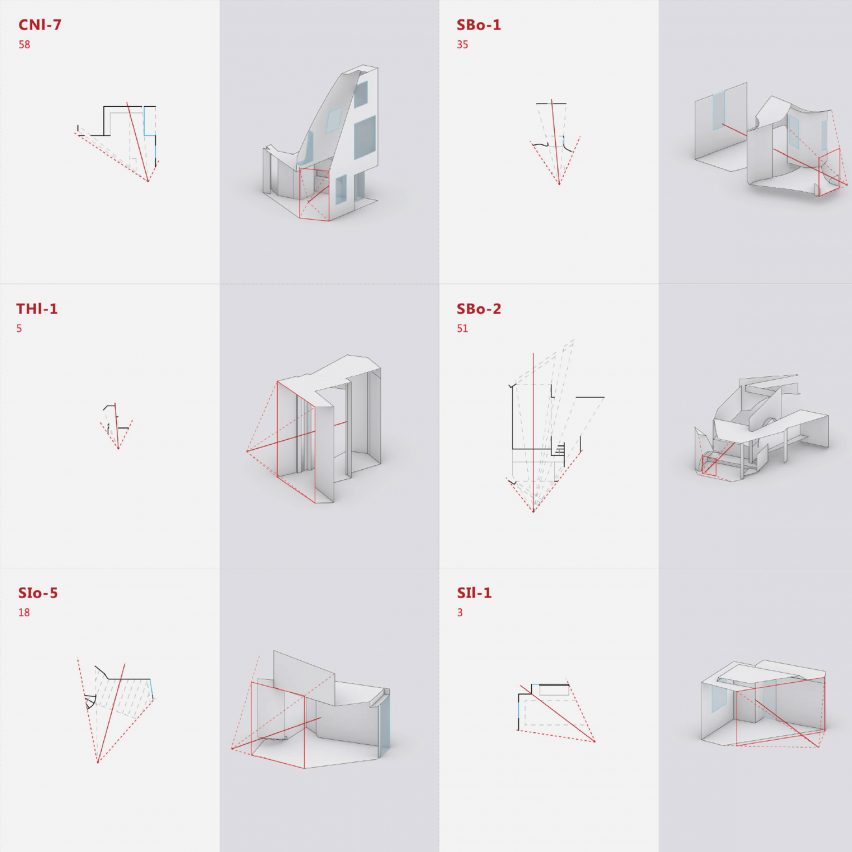
The course interrogates the relationship between architecture and its representation by framing these repositories as an accessible body of raw architectural matter. Students use analytic drawing to extract spatial and material information from perspectival images, translating digital archives into tangible fragments of architectural space.
These fragments form a unique "dataset" students access to assemble speculative architectures that negotiate the complex relationships between space, material, site and programme.
School: University of North Carolina at Charlotte
Course: Master of Science in Architecture in Design Computation: Image to Matter
Type: Postgraduate
Location: Charlotte, NC, USA
Course dates: September 2026 to May 2027
Application deadline: Accepting applications
Find out more about the course and apply ›
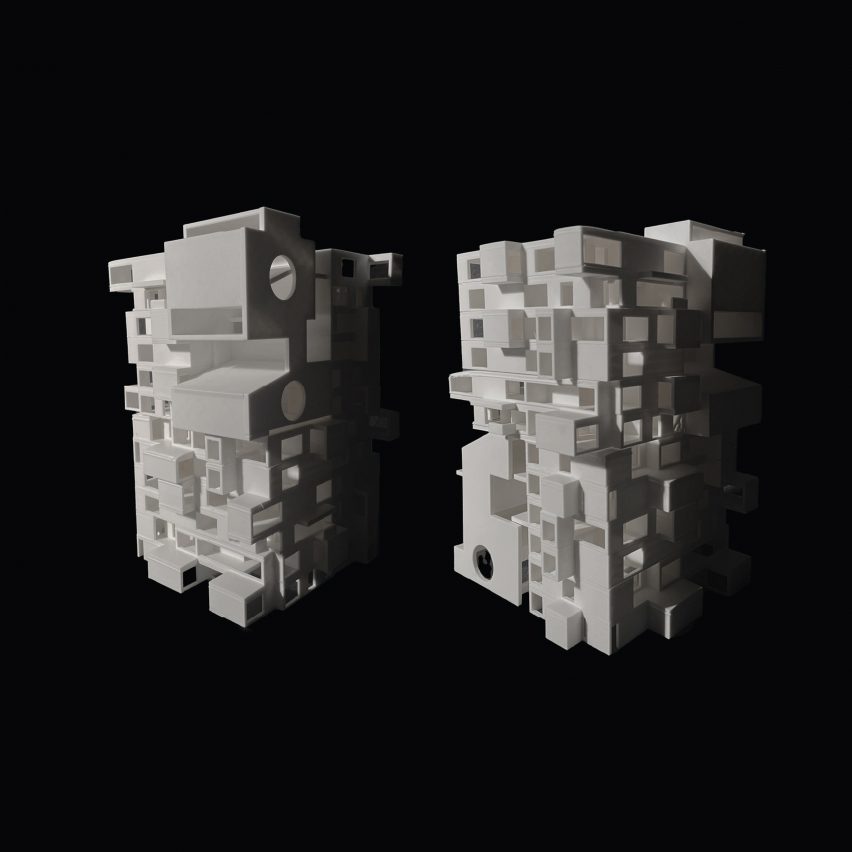
What will I learn during this course?
– Critical theory in the computed environment, including the role of digital imagery in architectural production, and its effects on materiality, form and experience
– Approaches to computational thinking, analysis and extraction
– Analytic drawing methods
– Dataset curation and management including set collection and categorisation for use in generative design systems
What are the requirements?
– Course is open to undergraduate and graduate students across design disciplines
– Regular participation in workshops, critiques and project reviews
– Access to a personal laptop for in-class exercises and assignment
What facilities and resources are available?
– Design studios and fabrication labs equipped with CNC routers, 3D printers, Kuka KR-60 robot and laser cutters
– Rhinoceros, Grasshopper, AI/ML toolkits and GPU servers to support advanced computational workflows
– Resources include targeted theoretical readings, technical and methodological guides and faculty-led discussions and critique
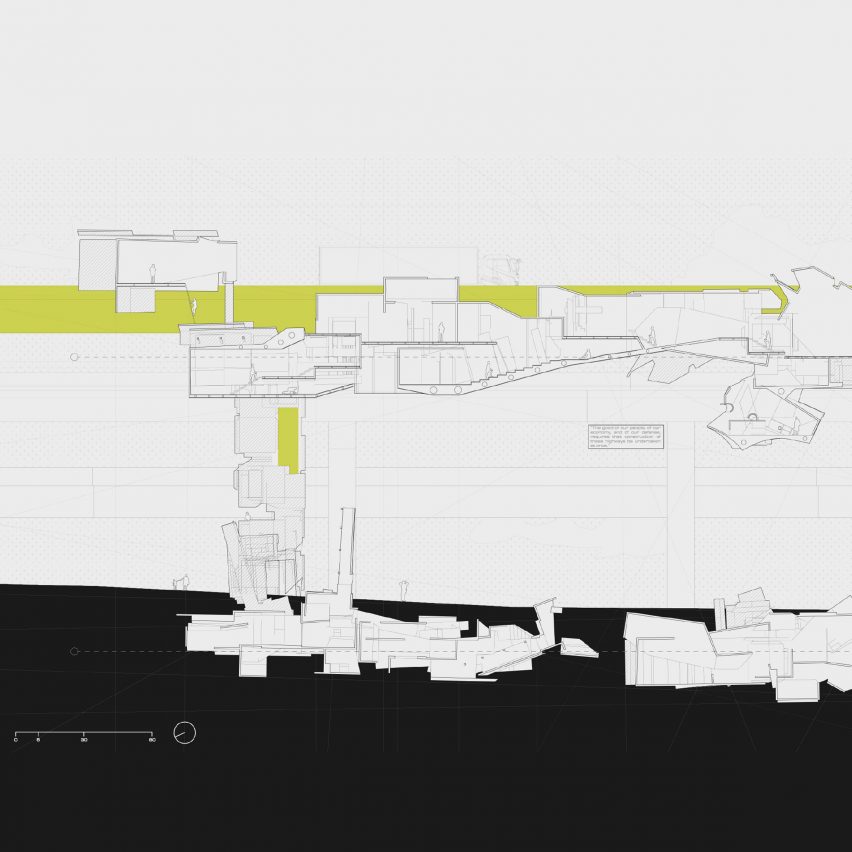
What career prospects can I expect upon graduating?
Graduates are prepared for advanced roles in computational architecture firms and generative design studios, as well as opportunities in research labs or academia combining design and AI.
Many pursue careers in digital fabrication, computational consulting and tech-driven design practices, with the skills to lead innovation in emerging areas of architecture and design.
Who teaches this course?
– Alexandra Waller, assistant professor of architecture
Dezeen Courses
Dezeen Courses is a service from Dezeen that provides details of architecture, interiors and design courses around the world. Click here for more information.