MA Biodesign at Central Saint Martins
The MA Biodesign course at Central Saint Martins focuses on sustainable approaches to biophilic design, bio-integrated design, biomimetic design and bio-informed design.
Course details
School: Central Saint Martins
Course: MA Biodesign
Type: Postgraduate
Location: London, UK
Course dates: September 2027, with a duration of two years (60 weeks), extended full-time
Application deadline: 17 February 2027
Course overview
Biodesign is an emerging discipline. Despite a growing number of publications and exhibitions, there is no universal definition of biodesign.
MA Biodesign explores bio-informed design strategies as a driver for sustainable innovation. You will articulate alternative and new innovative design propositions for the emerging bio-circular economy. Through this work, you will redefine the use of energy, water, air, waste and materials.
Other terminologies exist, such as biophilic design, bio-integrated design, biomimetic design and bio-informed design. While they vary in definition, they all relate to a similar principle: that we can learn from nature to create more sustainable ways of living.
MA Biodesign at Central Saint Martins specifically understands biodesign as a means to incorporate the inherent life-conducive principles of biological living systems into design processes to aid in the transition into a more holistic, sustainable future.
What will I learn during this course?
The MA Biodesign at Central Saint Martins specifically understands biodesign as a cross-disciplinary design approach, a means to incorporate intrinsic principles of biological living systems – to redefine the use of energy, water, air, waste and materials and thus foster a more holistic, regenerative and symbiotic future.
The course will introduce students to:
- ecological literacy
- bio-ethics
- whole systems thinking
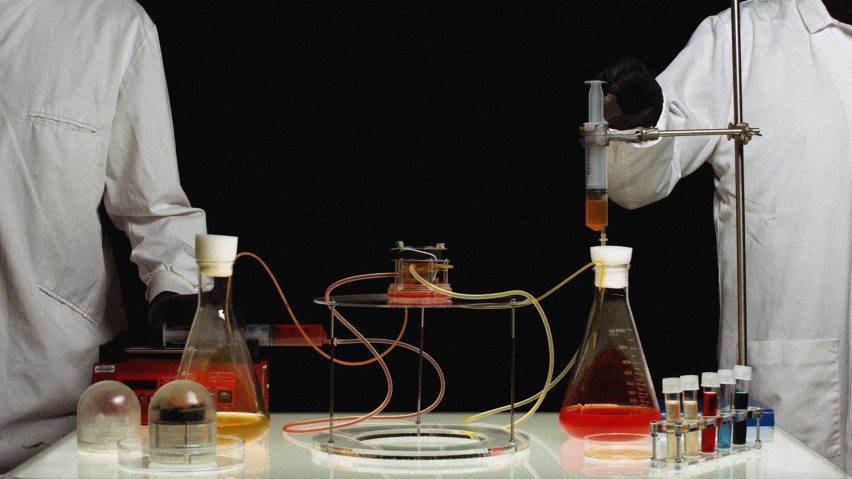
- lab experimental work
- living systems integration
- synthetic biology and genetic engineering
- data acquisition and visualisation
- bio-craft and biofabrication
- biocomputation design techniques
- regenerative design and circular design
What are the requirements?
An honours degree in a relevant design subject area (or an equivalent EU/international qualification), for example:
- product design
- architecture
- textiles
- fashion
- science communication
- building sciences
- environmental science
- ecology
- 3D
- media studies
- graphic communication
- gaming
- data visualisation or robotics
This is ideally with at least one year of professional experience.
English language requirements: IELTS level 6.5 or above, with at least 5.5 in reading, writing, listening and speaking (please check the main English language requirements webpage).
What facilities and resources are available?
Students on this course have term-time access to a range of open technical facilities, including:
- loan store
- digital fabrication bureau
- digital labs
- digital print
- paint/surface
- photography studios
- 3D capture lab
- casting
This course also has term-time access to specialist facilities, including:
- digital make
- 3D make (model making)
- physical computing lab
- media studios (video and sound, and animation)
- grow lab
- surface design lab
- print and dye
What career prospects can I expect upon graduating?
- biodesigner: shape regenerative futures at the intersection of design, science and technology
- biotech and biodesign start-ups: launch or join early-stage companies pioneering materials made from fungi, algae, bacteria, or other living systems
- biodesign/regenerative design consultant: collaborate with interdisciplinary teams, which can include chemists and material scientists – to embed circular and bio-integrated strategies across design and biotech sectors, including fashion, product design and human and planetary health
- creative roles: contribute to in-house labs, cultural institutions, or design studios focused on future materials and ecological aesthetics
- editorial and communications in biodesign: curate, write, and communicate emerging trends and debates in biodesign through journalism, editorial, or public engagement
- research and academia: pursue MPhil/PhD pathways or teaching positions in biodesign and interdisciplinary design futures
- policy and advocacy: influence and support environmental and innovation policy with expertise in biomaterials, circular economies and planetary health
Who teaches this course?
Nancy Diniz, course leader.