Heinz Isler-designed concrete-shell sports centre Grade II-listed

The concrete shell structure of the Norwich Sports Village designed by Swiss engineer Heinz Isler in Norfolk, UK, has been Grade II-listed.
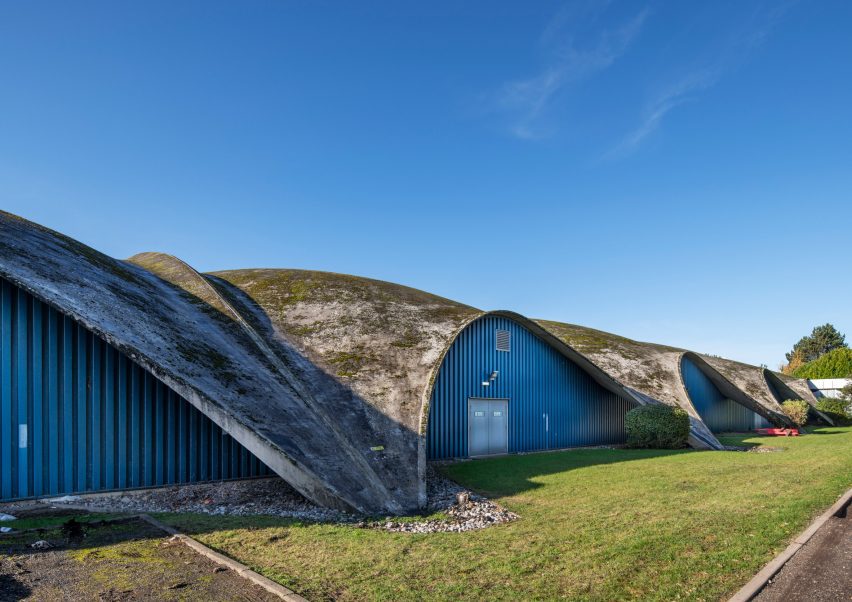
According to heritage body Historic England, the structure has been protected for its “exceptional ‘inverted membrane’ concrete shells”, which are the only free-form concrete shells constructed in the UK.
The Isler-designed sports complex was built between 1987 and 1991 and contains three structures all topped with the unique concrete roofs.

Its heritage listing was granted by the Department for Culture, Media and Sport following support from the Norwich Society, Historic England and conservation group Twentieth Century Society, which described the project as a “masterpiece of engineering”.
“The graceful, tent-like canopies at Norwich Sports Village are a masterpiece of engineering, making the super-fine, 100-millimetre-thick concrete shell ripple and billow like it’s blowing in the wind,” Twentieth Century Society director Catherine Croft said.
“These are unique structures in the UK and we’re delighted to see them recognised with national listing.”
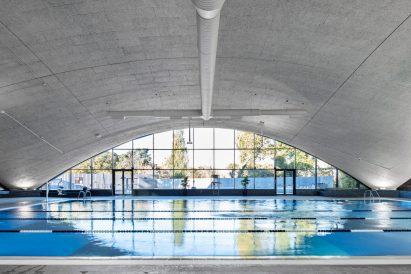
Norwich Sports Village, which is now run as a David Lloyd heath club, consists of a three-bay-long former ice skating rink, six-bay-long sports hall and a single, square-inverted membrane shell that was added in 1991 to cover the swimming pool.
The complex’s structure remains unaltered since its construction is still in use.
“Perhaps just as importantly, they’re still well used and serving their original purpose; to provide an elegant and practical shelter for the various activities beneath,” Croft added
According to Historic England, the Norwich Sports Village is the only Isler-designed structure in the UK and one of three shell structures built in the country since the 1970s.
It also states that Isler, who died in 2009, completed roughly 1,000 shell structures across Europe throughout his career – four of which are protected by listing in Switzerland.
Other listed buildings featured on Dezeen include John Outram’s postmodern Sphinx Hill house in Oxfordshire, which became Grade II-listed in 2024. We also recently rounded up ten notable UK buildings that became eligible for heritage listing last year.
The photography is courtesy of Historic England.
Read more



Recommended stories
Hudson Architects brings cob construction into the 21st century with CobBauge House
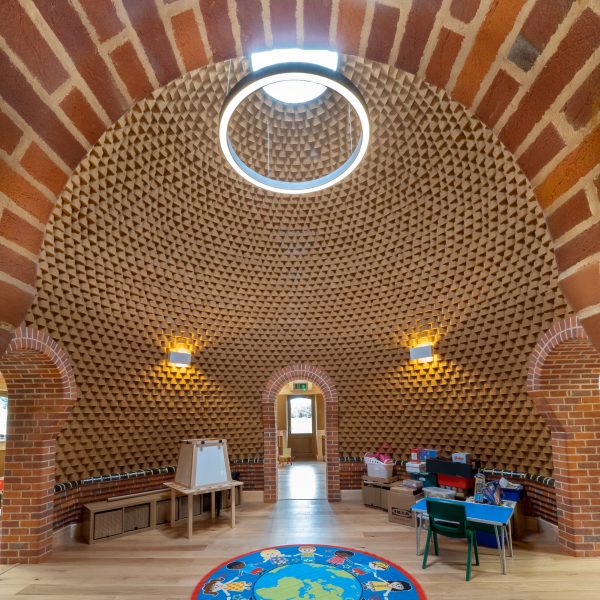
Eight contemporary buildings that make a case for cob
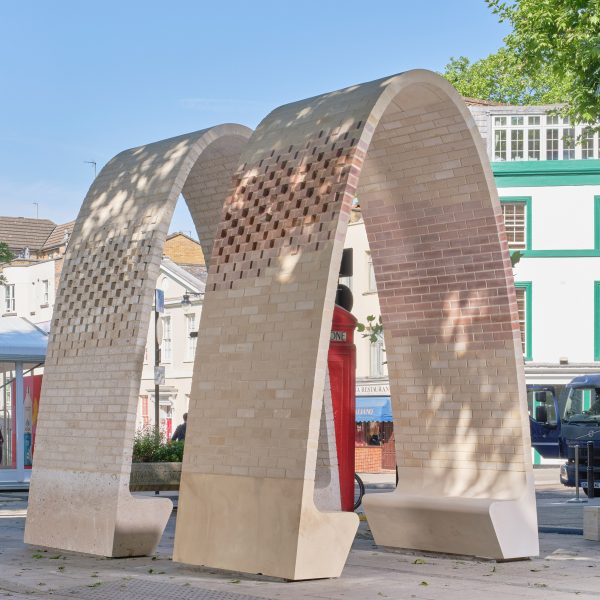
Single layer of stone brick forms arched installation by Hawkins\Brown and Webb Yates
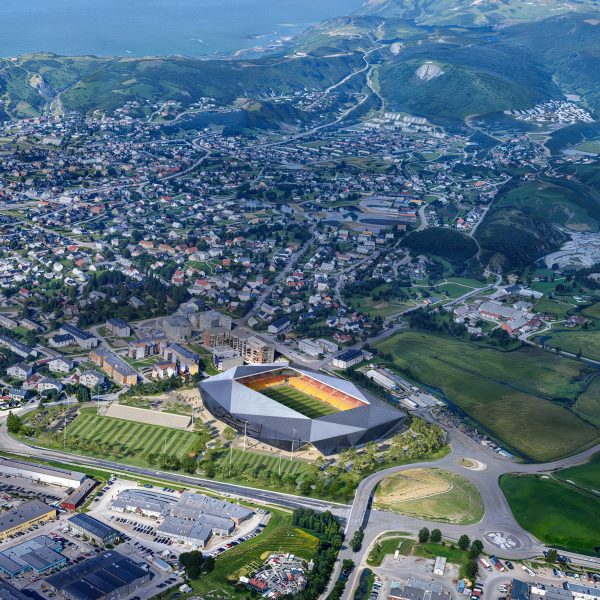
Nordic Office of Architecture designs faceted Arctic Arena for Norwegian football club
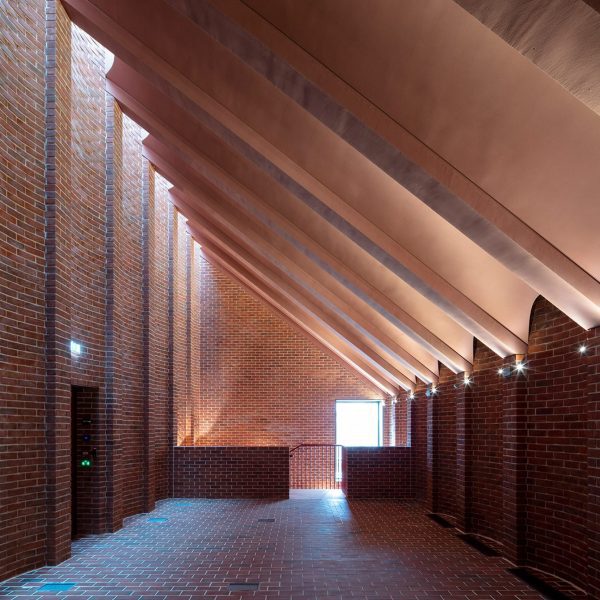
“Clearly gorgeous but how does it celebrate the game of rugby?” asks commenter
The top 10 UK architecture projects of 2024

Mikhail Riches’s Goldsmith Street was the most significant building of 2019