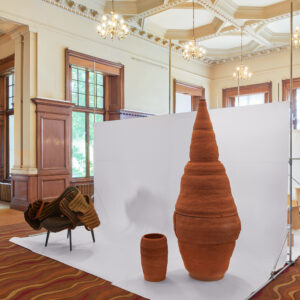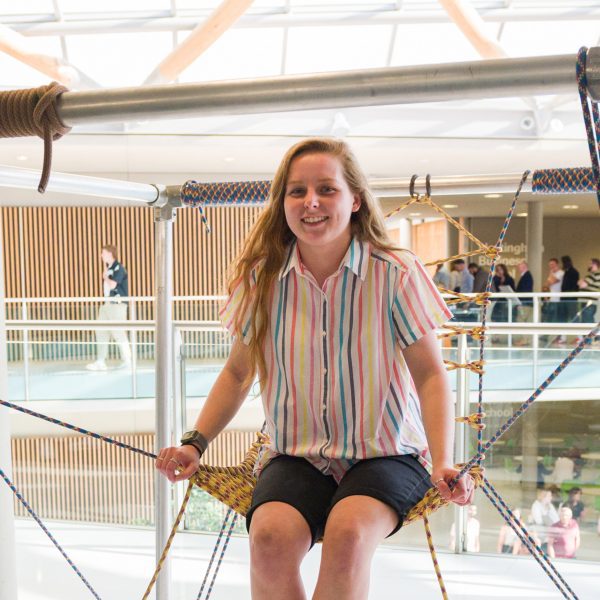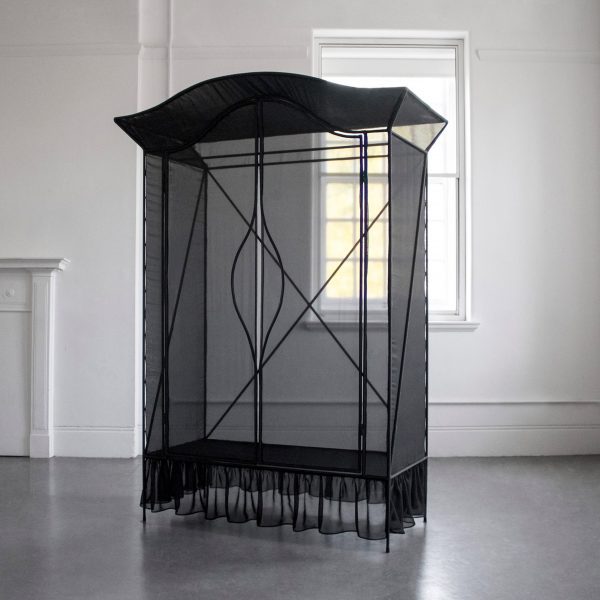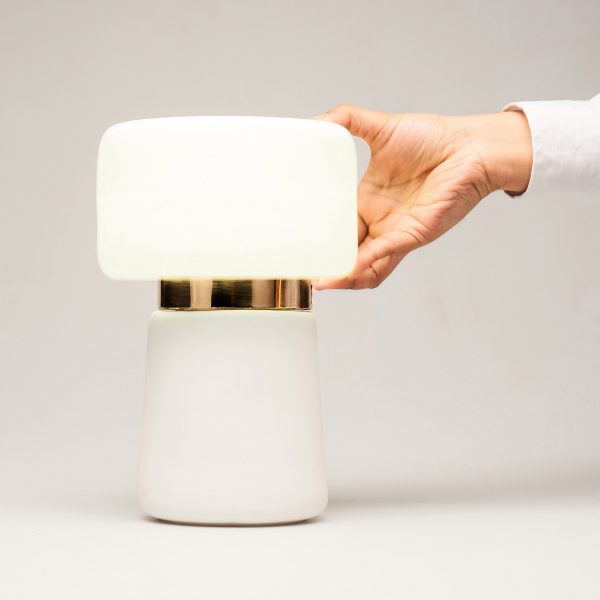
BA (Hons) Product and Furniture Design at Chelsea College of Arts, University of the Arts London
Chelsea College of Arts‘ BA (Hons) Product and Furniture Design course aims to produce capable and adaptable designers skilled in both theoretical and practical approaches to practice.
Course details
School: Chelsea College of Arts, University of the Arts London
Course: BA (Hons) Product and Furniture Design
Type: undergraduate
Location: London, UK
Course dates: September 2027 to May 2030/2031 (three or four years)
Application deadline: 13 January 2027
Course overview
BA (Hons) Product and Furniture Design at Chelsea College of Arts explores our social, physical and emotional relationships with objects, placing making, experimentation and critical enquiry at the centre of design practice.
Students develop practical skills alongside an investigative approach to materials, processes and production. Through hands-on experimentation, research and collaborative projects, they explore how objects are designed, manufactured, used and understood within wider social, cultural and environmental contexts.
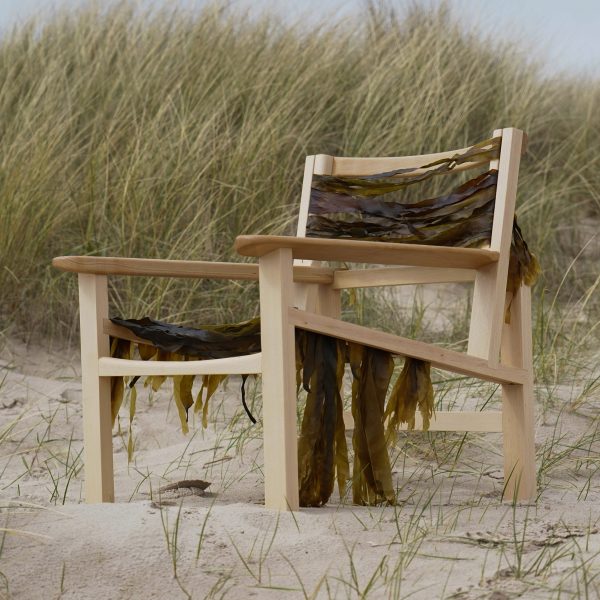
The course offers three interconnected approaches to practice: social design, designer-maker and design for production. Students investigate emerging technologies, sustainable materials, repair, reuse and biodesign, alongside traditional craft and manufacturing techniques.
Live projects with museums, heritage organisations, communities and industry partners provide opportunities to apply design thinking to real-world challenges. Students can also undertake professional placements through the optional Diploma in Professional Studies.
In their final year, students define their individual design practice, developing a substantial body of work that culminates in a public degree show.
Graduates leave with creative, technical and critical skills for careers in product and furniture design, independent practice and related creative industries.
What will I learn during this course?
Students develop skills in design research, critical thinking, drawing, model making, prototyping, material experimentation and digital fabrication.
The course introduces traditional and emerging manufacturing processes, 2D and 3D CAD, user-centred research, ethnography and co-design.
Students explore sustainable design approaches including repair, reuse, biodesign and circular practices, alongside speculative and socially engaged design methods.
Through collaborative and independent projects, students develop communication, presentation, project management and professional practice skills.
What are the requirements?
The standard entry requirement is 112 UCAS tariff points from recognised Level 3 qualifications, such as A Levels, BTEC, UAL Extended Diploma or an equivalent qualification.
Applicants also require three GCSE passes at grade 4/C or above.
Equivalent international qualifications are accepted. Applicants whose first language is not English normally require IELTS 6.0 overall, with a minimum of 5.5 in each component.
Selection considers applicants’ portfolios, research abilities, creative potential, communication skills and capacity for independent learning. Applications demonstrating relevant experience may be considered individually.
What facilities and resources are available?
Students have access to:
- Chelsea College of Arts’ specialist workshops, studios and technical facilities, supporting experimentation, prototyping and the production of physical objects
- facilities also include workshops for material and model making, alongside digital design and fabrication resources
- students receive technical inductions, demonstrations and specialist workshop support
- additional resources include UAL libraries, digital design archives, research databases and software for 2D and 3D design.
What career prospects can I expect upon graduating?
Graduates can pursue careers in product and furniture design, working within design studios, manufacturing, craft, research and related creative industries.
The course also supports independent designer-maker practices, social and community-based design, collaborative projects and entrepreneurial approaches to design.
Students develop professional portfolios and gain experience through live projects, industry collaborations and optional professional placements.
Graduates may also progress to postgraduate study or establish their own design practices.
Who teaches this course?
- Jason Cleverly, course leader
- Nadine Bennett, year one leader
- Denea Jospeh, year one leader
- Mike Kann, year two leader
- Gareth Owen Lloyd, year three leader
- Adrienne Bennie, senior lecturer in critical practice
- Tim Carson, senior lecturer
- Liz Ciokajlo, senior lecturer