Vaginal health monitor among Instituto Tecnológico y de Estudios Superiores de Monterrey projects
A thimble-shaped monitoring device designed to identify possible changes in vaginal health is among the design projects from Instituto Tecnológico y de Estudios Superiores de Monterrey.
Also featured is an adjustable chair designed to give postural support to children with cerebral palsy.
Tecnológico y de Estudios Superiores de Monterrey
Institution: Instituto Tecnológico y de Estudios Superiores de Monterrey
School: Architecture, Art and Design (EAAD)
Showcase: best design projects of 2026
School Statement:
“Composed of students from all over the country, Tec de Monterrey Institution at EAAD focuses on training professionals capable of facing contemporary challenges in the fields through innovation, creativity and sustainability, by supporting the students’ initiatives and giving visibility to their work.
“Since the founding of our school, it has been a member of prestigious organisations such as the International Association of Universities and Colleges of Art, Design and Media, the World Design Organisation, the Association of Collegiate Schools of Architecture, UN-Habitat and the Association of Institutions of Architectural Education of the Mexican Republic, and it has ranked in the top 50 according to the QS World University Ranking by Subject, 2024.
“Each exhibition featured here showcases the best projects created by design students. All the selected projects stand out for their high conceptual and execution quality, as well as their alignment with the principles and DNA of the Tecnológico de Monterrey School of Design.
“At the end of every semester, our students put on a final exhibition on each of their campuses. This is a small sample of ten of the most significant collections and projects of the Tecnológico de Monterrey School of Design.”
Group project: Experiencias Olfativas
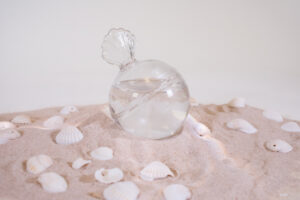
“The project explores the relationship between scent, memory, place, objects and human interaction, transforming personal memories and meaningful moments into eight immersive olfactory experiences.
“Guided by the museum, students developed original fragrances and designed a complete sensory language around them, including bottles, objects and devices that shape how each scent is discovered and experienced.
“Rather than treating perfume as an isolated product, the project approaches fragrance as a medium for storytelling and emotional connection.
“Each experience uses a combination of narrative, concept, materiality and interaction to evoke memories, places and sensations, inviting users to establish a personal connection with the story behind each scent.
“The resulting collection demonstrates how olfactory design can extend beyond fragrance itself, becoming an experiential system in which objects, materials and interactions work together to create meaningful and emotionally resonant encounters.”
Students: Alan Abad Solórzano, Laila Alvarado Islas, Ximen Álvarez González, María Fernanda Ambriz Padilla, Luciana Camarena Bañuelos, Cared Castaños Manjarrez, Paola De Alba Gil, Ian Jurado Barba, Fernando Maldonado Cornelio, Tlacaelel Martínez Hamden, Roxana Muñoz Silva, Natalia Rodríguez Jacinto, Valeria Romero Quintana, Dana Santamaría Rubio, Regina Tejeda Lugo, Ximena Valencia Zaragoza and Ibiza Villegas Valencia
Course: Concentración de arte, objeto y moda, Campus Guadalajara
Tutors: Alejandro Diaz Barragán, Claudia Kleemann and Zita Gonzalez
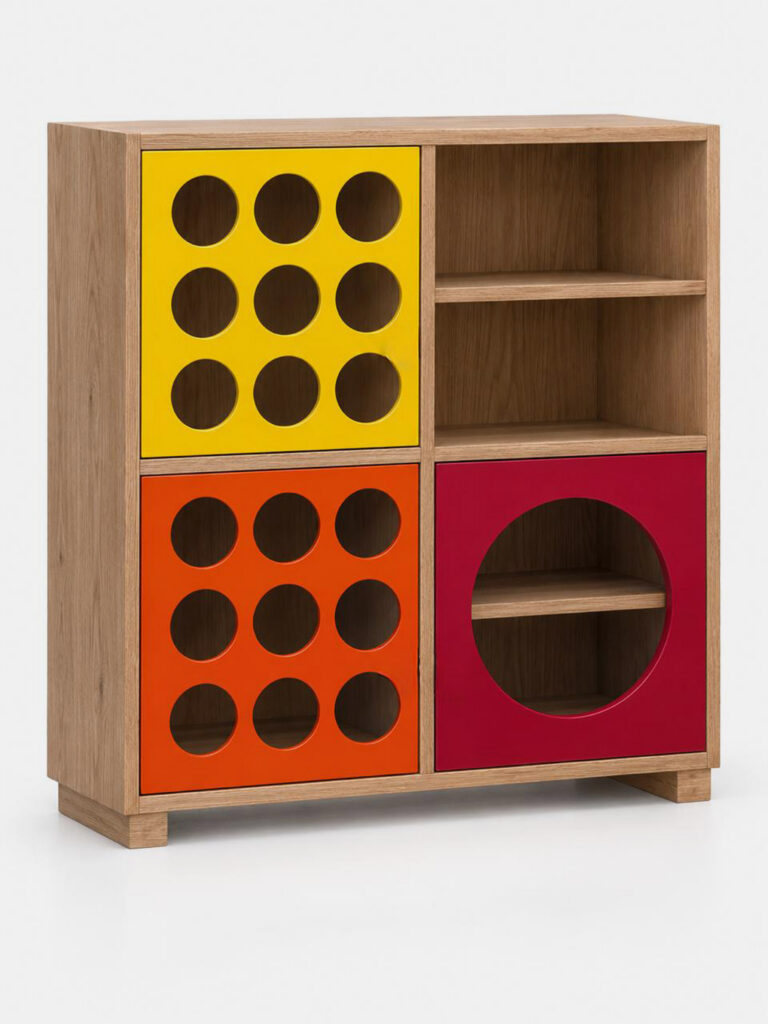
Group project: Familia de productos de almacenamiento IKEA
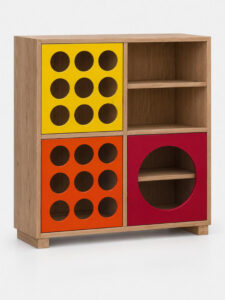
“This project explores the possibilities of IKEA’s design DNA through seven product families, each made up of three coordinated pieces, developed by students in Product Family Design to rethink storage and organisation in contemporary homes.
“The proposals cover furniture, general storage, and kitchen, bathroom, and laundry organisation, and they respond to everyday needs identified through user research.
“Rather than approaching storage as a collection of isolated objects, the project frames it as an interconnected system able to adapt to different spaces, routines, and ways of living.
“Each family translates the principles of IKEA’s Democratic Design into a particular product system, balancing form, function, quality, sustainability, and affordability.
“These principles guided the visual language, proportions, modularity, materials, and possible manufacturing processes of each proposal.
“Together, the proposals offer a contemporary exploration of storage as an integral part of everyday life, extending IKEA’s design principles and DNA toward new solutions for the changing needs of the home.”
Students: Sofia Abad, María Anguiano, Camila Aragón, Renata D’arcangeli, Renatta De La Torre, Celso Domínguez, Renata Flores, Ximena Fosado, Regina González, Carlos Guerrero, Santiago Gutiérrez, Natalia Lozano, Andrea Maldonado, Sofía Medina, Danna Meza, Regina Morán, María José Obregón, Sabina Ruiz, Katherine Sánchez, Audrit Tovar, Yahel Vidal, Laura Tapia, Maximiliano Balandran, Valeria Ortiz, Milena Castro, Analí Meléndez, Denisse Romero, Alexia Vargas, Jennifer Gonzalez, AnNeavesria Vega, Karla Frias, Saraí Rodríguez, Juan Pablo Cintra, Andrea Muñoz, Zara Lechuga, Karol Castañeda, Karla Valdés, Lucía Gallegos, Alicia Medina, Katherine Camacho, Carmen Mendez and Sofía Piletti
Course: Diseño de Familia de productos, Campus Guadalajara
Tutors: Cristina Robles and Zita Gonzalez
Nuva by Carol Michelle Olmos Ortiz, Arlet Arizdelcy Apanecatl Olvera and Ana Paola Muñoz Valdiv

“Nuva is an intimate health monitoring tool designed to identify possible changes in vaginal health early.
“It is a disposable, thimble-shaped device that collects a small external sample privately and non-invasively. Using reactive membranes that analyse pH and enzymatic biomarkers, it produces a colour pattern that is quick and easy to read.
“Nuva starts from a clear premise: it is not possible to solve every problem related to women’s intimate health, but it is possible to choose one strategic piece that opens the way to broader solutions.”
“Rather than replacing a medical consultation or providing a definitive diagnosis, Nuva aims to support women in the moment before the appointment, giving them information that helps them better understand changes in their bodies and make informed decisions about their health.”
Students: Carol Michelle Olmos Ortiz, Arlet Arizdelcy Apanecatl Olvera and Ana Paola Muñoz Valdiv
Course: Diseño de productos de base tecnológica y emprendimiento, Campus Puebla
Tutors: José Antonio Sáenz de Miera Cuatlayol, Andrea Escobar Bazaldúa, Adrianamaria Pinto Pinto, Alejandro Sandoval Villa, Luis Miguel Gutiérrez Contreras, Lilian López Conde, Rabi Soto Camacho and Daniela Tinoco Hernández
Guimo by Diego Díaz Barriga Chávez, Midori Estefanía Uehara García and Judith Gutiérrez Rodríguez
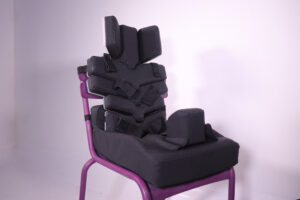
“Guimo is a postural support system designed for children with cerebral palsy at mobility levels III, IV, and V, distinguished by its ability to grow with children from ages five to 11.
“Its physical features include height-adjustable backrest modules, an adaptable lumbar curve, padded and safe materials, a fully adjustable securing harness, an adjustable headrest, light weight, and compatibility with a wide variety of household chairs, which makes it easy to use in different settings.
“The product plays a role similar to that of an additional caregiver. It gives caregivers safety and peace of mind by allowing them to carry out their tasks with the confidence that the child remains properly positioned and protected, without requiring their constant supervision.”
Students: Diego Díaz Barriga Chávez, Midori Estefanía Uehara García and Judith Gutiérrez Rodríguez
Course: Forma, Función, Sentido y Valor, Campus Querétaro
Tutors: Luis Miguel Gutiérrez, Alejandra Caballero, Tania Muñoa, Andrea Outón, Lorena Suárez and Francisco Martínez
POD by Aidé Elizondo González
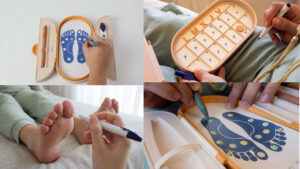
“POD is a home-based preventive monitoring system designed for people with type two diabetes who are at risk of developing peripheral neuropathy.
“The system brings the clinical foot sensitivity test into the home through an accessible, intuitive, and noninvasive experience that enables the early detection of nerve abnormalities associated with the disease.
“Unlike traditional medical devices, POD incorporates warm and friendly language that reduces the anxiety and stigma associated with self-care.
“The project combines user-centred design, preventive health care, and feasibility of implementation, offering a solution that promotes autonomy, strengthens adherence to preventive monitoring, and helps reduce severe complications associated with diabetes.”
Student: Aidé Elizondo González
Course: Forma, función, sentido y valor, Campus Monterrey
Tutors: Gris Oyervides, Martha Núñez, Luis Amaya, Ricardo Contreras and Claudio Formicola
Siripets Kit by Aranza Garza Chong, Ana Claudia Saucedo Sosa and Camila Armendáriz
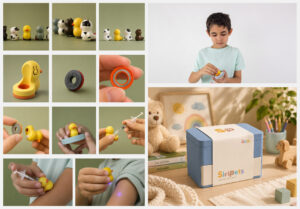
“Siripets Kit is an innovative accessory for insulin syringes designed for children ages 8 to 12 with type one diabetes.
“The project arose from the need to facilitate proper rotation of injection sites and reduce the discomfort caused by repeated injections in the same area of the body.
“The solution incorporates a temporary marking system using invisible ink and ultraviolet light, allowing for a simple and playful way to identify previously used areas.
“Developed through a user-centred design process, the product integrates criteria related to ergonomics, safety, and emotional experience to promote children’s autonomy and improve treatment adherence.
“Siripets Kit transforms a routine medical procedure into a more user-friendly and accessible experience, contributing to the physical and emotional wellbeing of children and families living with diabetes.”
Students: Aranza Garza Chong, Ana Claudia Saucedo Sosa and Camila Armendáriz
Course: Forma, función, sentido y valor, Campus Monterrey
Tutors: Gris Oyervides, Martha Núñez, Luis Amaya, Ricardo Contreras and Claudio Formicola
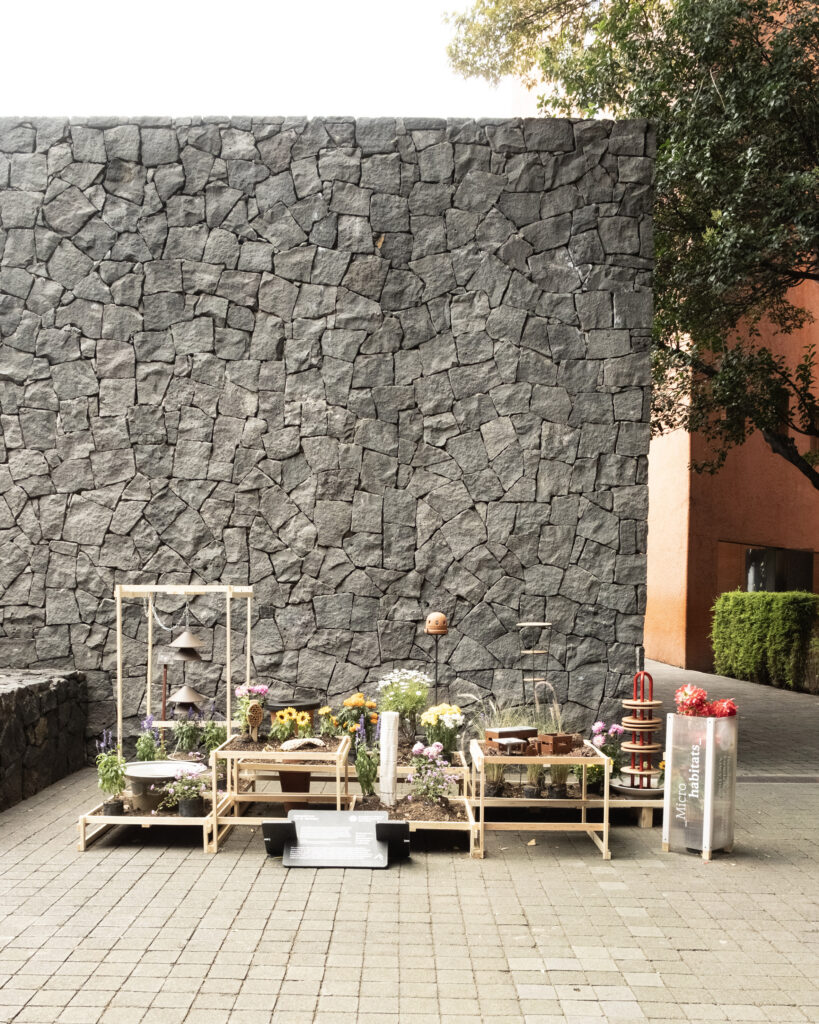
Group projects: Microhábitats: Sistemas Socio-ecológicos para Insectos
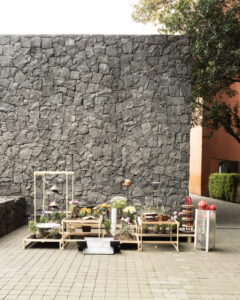
“This project was developed by students of Design at Tecnológico de Monterrey, Mexico City Campus, as part of their fourth semester, during the February to June 2026 term.
“The project is part of an academic process of research, design, prototyping, and visual communication aimed at developing microhabitats for beneficial insects and invertebrates.
“Through this experience, the students explored the relationship between design, urban biodiversity, plant systems, materiality, and multispecies coexistence.”
Students: Ana Victoria Olivas Córdova, María Fernanda Velázquez Vilchiz, Pablo Téllez Campuzano, Fernanda Vázquez Montufar, Talitha Mar Casillas Cerón, Sofía Revuelta Vallarta, Dulce María García Bonifacio, Sarah Mestre Canseco, Iliana Karina Barrientos Castillo, Jorge Elías Santos Barquet, Cassandra Espinosa Martínez, Daniela Romero Sánchez, Isis Valentina Elenes Brooks, Neri Hinojosa Zepeda, Iván Méndez González, Ximena Sánchez Rojas, Sofía Encalada Gallardo, Perla Ivonne Rosas Valdez, Ana Sofía Castillo Alarcón, Denzel David Ramírez Soto, Sara Alied Guerrero Pérez Vertti, Sofía Milena Silva Saucedo, Kenneth Ángel Aguilera Gutiérrez, María José Ayala Jiménez and Sofía Ortega Ramírez
Course: Diseño e innovación, Campus Ciudad de México
Tutors: Gerardo Sandoval Osio, Alessandra Savina, Andrea Soler, Miguel Arjona, Oscar Miranda and Miguel Angel Jimenez
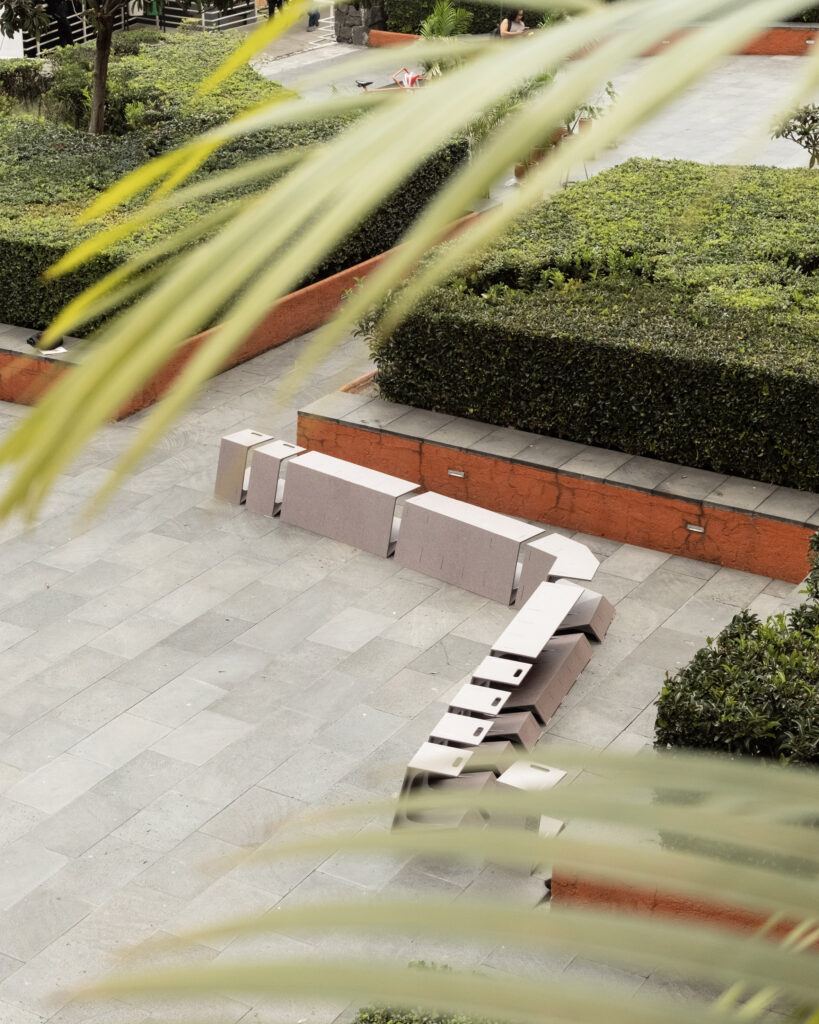
Urbana by Regina García Escalante and Mauricio Ramírez Porras
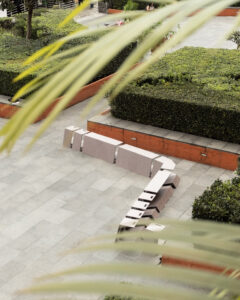
“Urbana is a modular furniture system developed by students of Tecnológico de Monterrey, Estado de México Campus, in collaboration with the material brand New Fibers.
“Drawing on the exploration of Polyroca, a recycled and recyclable material, the project proposes different configurations for living, sitting, resting objects, and connecting with others in contemporary spaces.”
Students: Regina García Escalante and Mauricio Ramírez Porras
Course: Forma, Función, Sentido y Valor, Campus Estado de México
Dios de Humo by Emilia Pérez Martínez
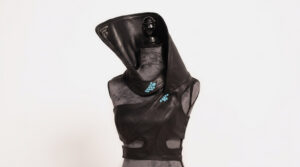
“Dios de Humo is a fashion piece that renders, through leather and stone, the ancient Mexica ritual of smoke: purification, renewal, and the search for what remains hidden within oneself.
“A hematite-stone collar reinterprets the obsidian mirror used in the ritual, so that whoever wears the piece can see their own reflection when viewed from the right angle, inviting introspection.
“The organic forms across the torso represent smoke wrapping the body, and turquoise stones allude to the skull of Tezcatlipoca Negro.
“The piece traces a path of transformation: wrapping, purifying, looking at oneself, and finally meeting what is yet to come.”
Student: Emilia Pérez Martínez
Course: BLACK a Study of Mexican Dark Matter
Tutor: Luis Miguel Gutiérrez Contreras
Cuananashi by Karla Isabella Juárez Zárate
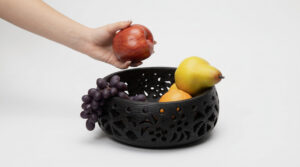
“Cuananashi is a carved wooden fruit bowl inspired by the Oaxacan jicalpextle and by the floral motifs of traditional Tehuana dress.
“The piece recovers the jicalpextle’s everyday function and reinterprets it for the present, using pierced floral cutwork and burnt wood to set the material against the natural colour of the fruit it holds.
“Each user completes the composition with the fruit they place inside, just as each artisan leaves their own mark on the piece, in a dialogue between craft, material, and function that preserves cultural heritage without reproducing it literally.”
Student: Karla Isabella Juárez Zárate
Course: Black: A Study of Mexican Dark Matter
Tutor: Luis Miguel Gutiérrez Contreras