Relational Design and Change at Linneaus University
Students’ artistic practice and output are bolstered by the processes facilitated by Linneaus University‘s Relational Design and Change course.
Course details
School: Linneaus University
Course: Relational Design and Change
Type: postgraduate
Location: Växjö, Sweden
Course dates: September 2027 to June 2029
Application deadline: 15 January 2027
What will I learn during this course?
Students will learn to use design to understand, communicate and respond to complex challenges, from the body, place and community to the planet.
They will develop their artistic practice through place-based and participatory design processes grounded in care and reciprocity.
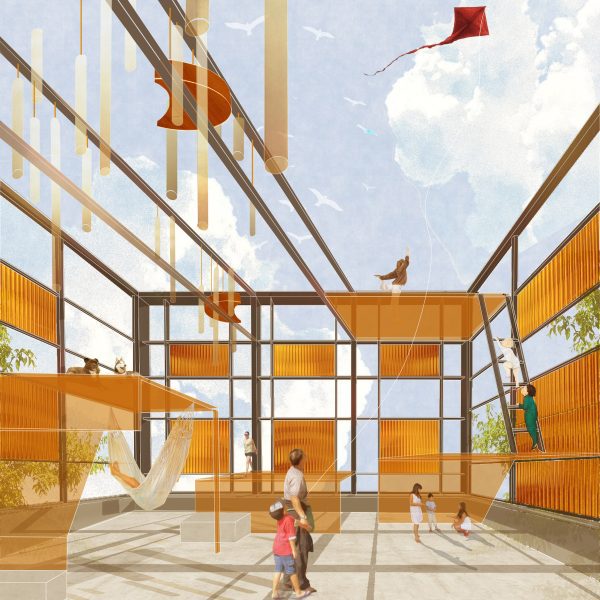
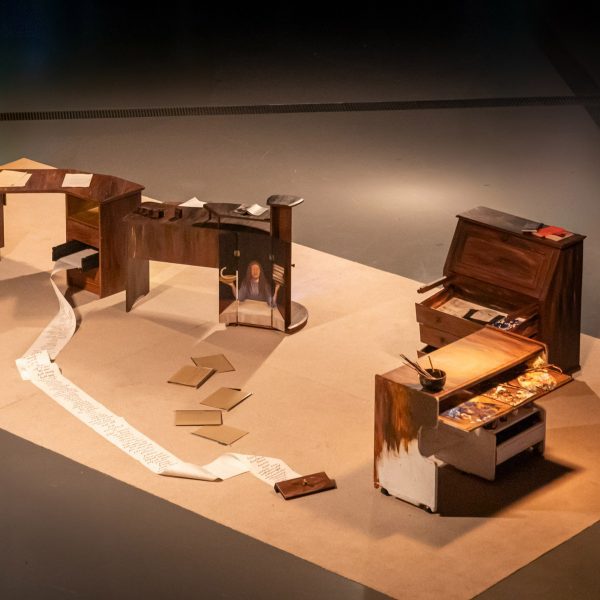
Working with wood, textiles and clay, alongside digital media, storytelling, food, cultivation and embodied methods, students will build their ability to make ideas tangible and imagine new possibilities for positive change.
What are the entry requirements?
Applicants will be required to have 1–90 credits in design, English 6 or English Level 2 or the equivalent, as well as an approved portfolio and letter of intent. Learn more here.
The application is a three-step process:
- apply online at universityadmissions.se between 16 October 2026 and 15 January 2027
- attend an application workshop on January 18 2027. In the application workshop, you will get the opportunity to deepen your understanding of the programme, and we will have the opportunity to learn a little about you. The focus will be on unpacking the department of design’s five learning areas (see further down), which underpin the studies. We will also guide you in ways in which you can relate your own work to the learning areas when preparing your statement of intent and portfolio
- submit statement of intent and portfolio: deadline 1 February 2027
You will also need to supply a statement of intent, which should introduce why you want to study Relational Design and Change and how the programme connects with your experiences, interests and future direction.
Briefly describe the questions or concerns that currently motivate your practice, how you understand design’s role in social and ecological change, and what you hope to explore, develop and contribute during the programme.
The word limit is 1000 words maximum, and it should be in English and in PDF format.
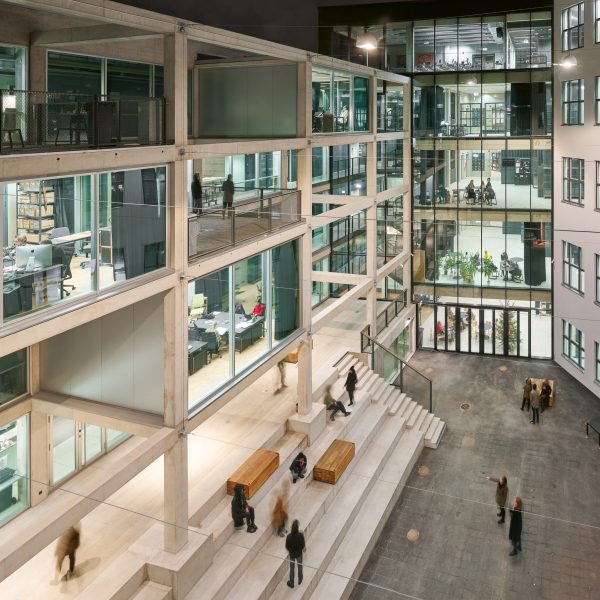
What facilities and resources are available?
The theme of the first year – ‘rooting’ – invites the students to explore materials and ideas in workshops for wood, textiles, paper, 3D-printing, metal and clay, alongside opportunities to work with digital media and storytelling.
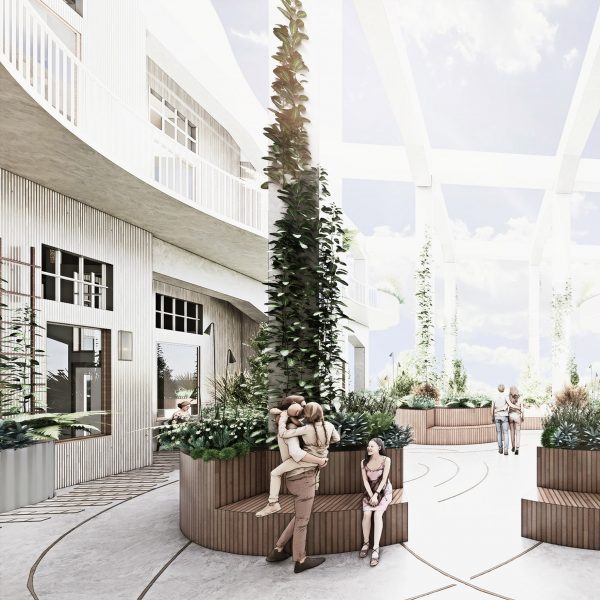
We also have a lot for growing plants and a food lab.
Växjö and the surrounding Småland region provide a living learning environment for fieldwork, place-based exploration and collaboration.
The second year theme of ‘rising’ allows the student to stay on campus or to travel wherever their practice takes them, through exchange or internships.

What career prospects can I expect upon graduating?
Prepare for work as a designer, facilitator or leader of collaborative change processes in the public, private and non-profit sectors – or develop your own independent practice.
Potential fields include sustainability, community development, participatory design, communication and education.
The programme also provides a foundation for doctoral studies.
Who teaches this course?
The programme is coordinated by senior lecturer Petra Lilja (PhD).
Other staff members include:
- Mathilda Tham (PhD), professor of design and subject responsible
- Vera Maeder, artist in somatic practices, lecturer
- Eric Snoddgrass (PhD), senior lecturer
- Lena Håkansson, senior lecturer textile design
- Zeenath Hasan, senior lecturer, food and sustainability
- Tobias Svensén, senior lecturer graphic design and visual communication
- Christina Zetterlund (PhD), senior lecturer design histories