Candy-like lamps among projects by Instituto Tecnológico y de Estudios Superiores de Monterrey
Colourful, glossy lamps that reference the fauvism art movement are among the projects by Instituto Tecnológico y de Estudios Superiores de Monterrey.
Also featured are a bowl carved from basaltic stone and a protective “second skin” that extends the shelf life of cheese.
Instituto Tecnológico y de Estudios Superiores de Monterrey
School: Architecture, Art and Design (EAAD)
Course: Best design projects of 2026
Tutors: Martín Alejandro Galván, Nayra Mendoza, Anacely Salmerón, Myriam Treviño, Octavio Hernández, Jorge Desmond, Gabriela Mirensky, Mónica Reyes Casasús, Luis Miguel Gutiérrez Contreras
School statement:
“EAAD is composed of students from all over the country at Tecnológico de Monterrey Institution, and it focuses on training professionals capable of facing contemporary challenges in these fields through innovation, creativity and sustainability, by supporting the students’ initiatives and giving visibility to their work.
“Since the founding of our school, it has been a member of prestigious organisations such as the International Association of Universities and Colleges of Art, Design and Media (CUMULUS), the World Design Organisation (WDO), the Association of Collegiate Schools of Architecture (ACSA), UN-Habitat and the Association of Institutions of Architectural Education of the Mexican Republic (ASINEA) and it has stood at the top 50 according to the QS World University Ranking by Subject, 2024.
“Each exhibition showcases the best projects created by design students. All the selected projects stand out for their high conceptual and execution quality, as well as their alignment with the principles and DNA of the Tecnológico de Monterrey School of Design.
“At the end of every semester, our students put on a final exhibition on each of their campuses. This is a small sample of ten of the most significant collections and projects of the Tecnológico de Monterrey School of Design.”
Herencia Viva by Sofía Galicia Jiménez

“Herencia Viva is an illustration created by student Sofía Galicia Jiménez for the Honor Talents 2025 competition.
“The artwork pays tribute to the Chinas Oaxaqueñas, symbols of identity, elegance, joy and feminine pride, portraying a woman in traditional attire and highlighting the cultural value and identity of indigenous Mexican women.
“She is surrounded by cacti and desert flowers, elements that represent the resilience of the Mexican people and their connection to the land. The hummingbird symbolises the joy of living, renewal and the pursuit of dreams.
“Her attire brings together several meaningful elements: the vibrant colours represent joy and cultural richness; the gold jewellery represents family heritage passed down through generations; the braids adorned with ribbons represent a connection to the community; and the black rebozo symbolises respect.
“Finally, she holds a bouquet of white calla lilies, a symbol of purity, spirituality, and dignity, traditionally associated in Mexican art with the representation of Indigenous women.
“The artwork celebrates the connection between women, the land and culture, evoking pride, serenity and the union of nature and spirituality at the heart of Mexico.
“Herencia Viva received the Honor 2025 Future Design Star Award. As a result of this recognition, Sofía Galicia Jiménez was invited to participate in the Art and Tech China Tour 2026, a cultural and creative journey to China held in July 2026.”
Student: Sofía Galicia Jiménez
Course: Diseño Interactivo and Diseño de Marca, Experiencia e Interfaz, Campus Monterrey
Tutors: Martín Alejandro Galván, Nayra Mendoza, Anacely Salmerón, Myriam Treviño, Octavio Hernández, Jorge Desmond, Gabriela Mirensky and Mónica Reyes Casasús
Vestigio by Eva Renata Vega Navarro

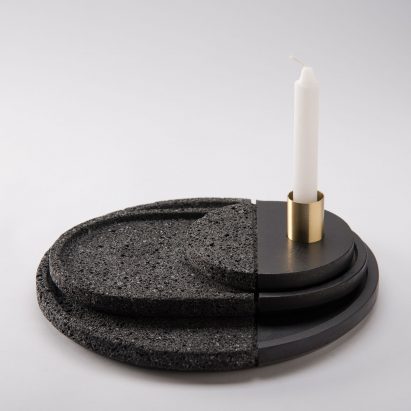
“Vestigio is a table fire bowl carved in basaltic stone that turns fire into an act of gathering. Its organic form concentrates the flame at its centre, creating a warm point of encounter around the table.
“The piece grows out of understanding ‘black as the memory of fire’, and the stone holds the trace of a transformation that is still alive.”
Student: Eva Renata Vega Navarro
Course: Black: a Study of Mexican Dark Matter, Campus Querétaro
Tutor: Luis Miguel Gutiérrez Contreras
Bug by Valentina Rodríguez Alarcón and María Isabel Gómez García
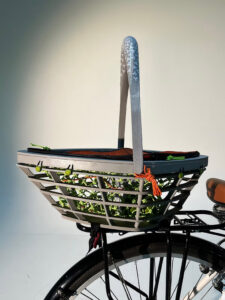
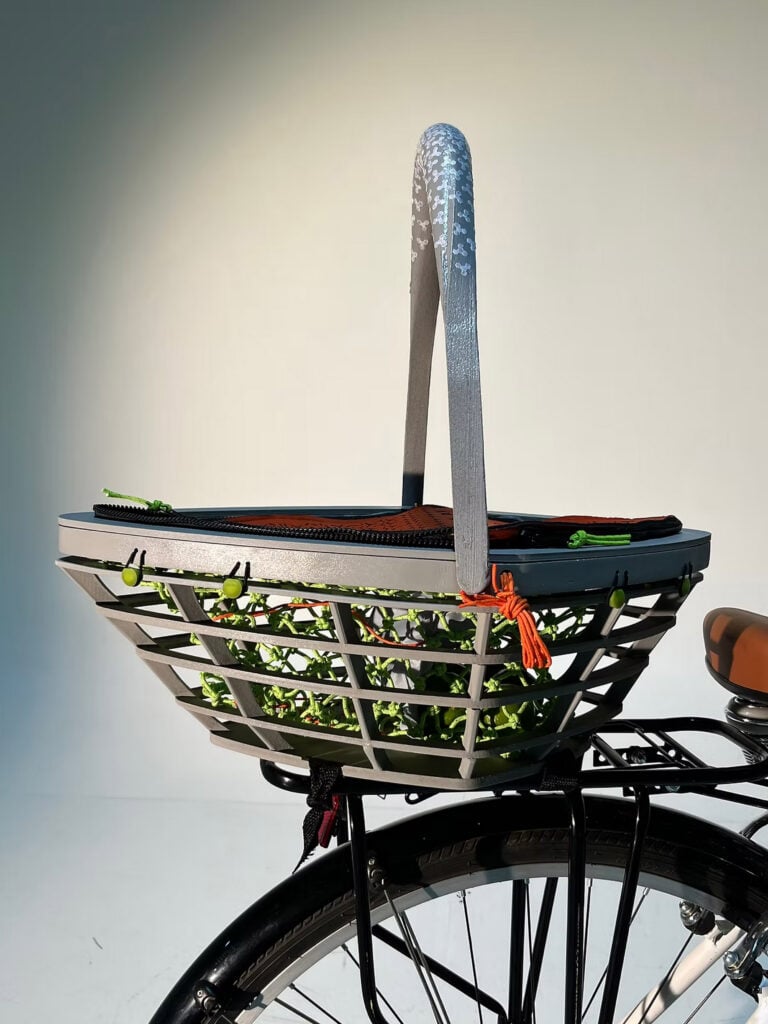
“Bug is a modular bicycle transport system developed in collaboration with Turbo Bicycles S.A. de C.V.
“Designed to protect fruits and vegetables during urban rides, it addresses the damage caused by vibrations and impacts when carrying groceries by bike.
“Inspired by the tortoise beetle, it incorporates a lightweight protective structure and an innovative internal tension system that stabilises the load and absorbs road vibrations.
“Its detachable design makes shopping and carrying easier, while the use of durable, washable materials ensures longevity and food preservation.
“Bug offers a safe, efficient and sustainable solution that strengthens the use of the bicycle as an everyday means of grocery shopping.”
Students: Valentina Rodríguez Alarcón and María Isabel Gómez García
Course: Diseño de Producto, Campus Toluca
Enpik by Camila Azul Sol García and Alison Tamara Medrano Padellec
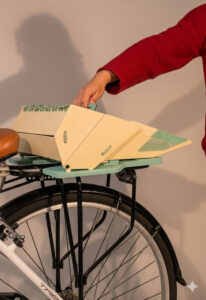
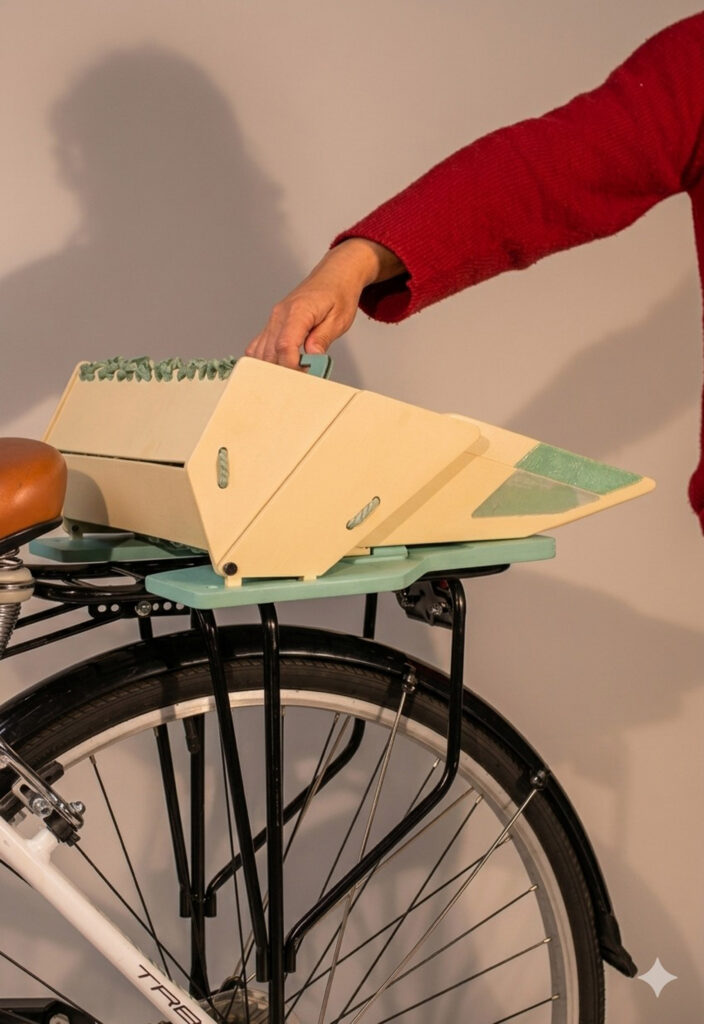
“Enpik (From Purchase to Your Kitchen) is a modular transport and storage system designed by Camila Azul Sol García and Alison Tamara Medrano Padellec in collaboration with Bicicletas Turbo S.A. de C.V.
“The proposal optimises the supply of bulk foods for urban cyclists, allowing them to carry and store products without having to transfer them to another container.
“The system integrates modules that attach to the bicycle during the ride and then become functional containers for the home.
“Inspired by the peregrine falcon, it combines efficiency, ergonomics and ease of use through secure attachment mechanisms, ergonomic grips and components that make handling food easier.
“It also promotes more sustainable consumption habits by encouraging bulk buying and reducing the use of single-use plastics. Enpik stands out as a comprehensive solution that strengthens the bicycle as an everyday tool for grocery shopping.”
Students: Camila Azul Sol García and Alison Tamara Medrano Padellec
Course: Diseño de Producto, Campus Toluca
Cryosphere by Arantxa López, Alexa Paredes and Zarah Ruiz
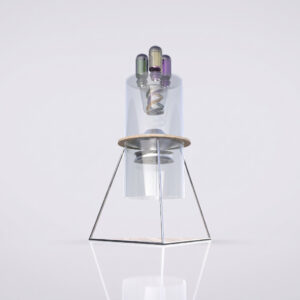
“Cryosphere is a product that manufactures a biomembrane for the refrigeration and preservation of cheeses. It acts as an edible, active and intelligent second skin that protects, cools, and extends the shelf life of artisanal cheese.
“Through this system for creating low-temperature preservation membranes, our dairy communities become the first rural ecosystem in Mexico to transform its waste into smart biomaterial.”
Students: Arantxa López, Alexa Paredes and Zarah Ruiz
Course: Industria alimenticia, Campus Estado de México
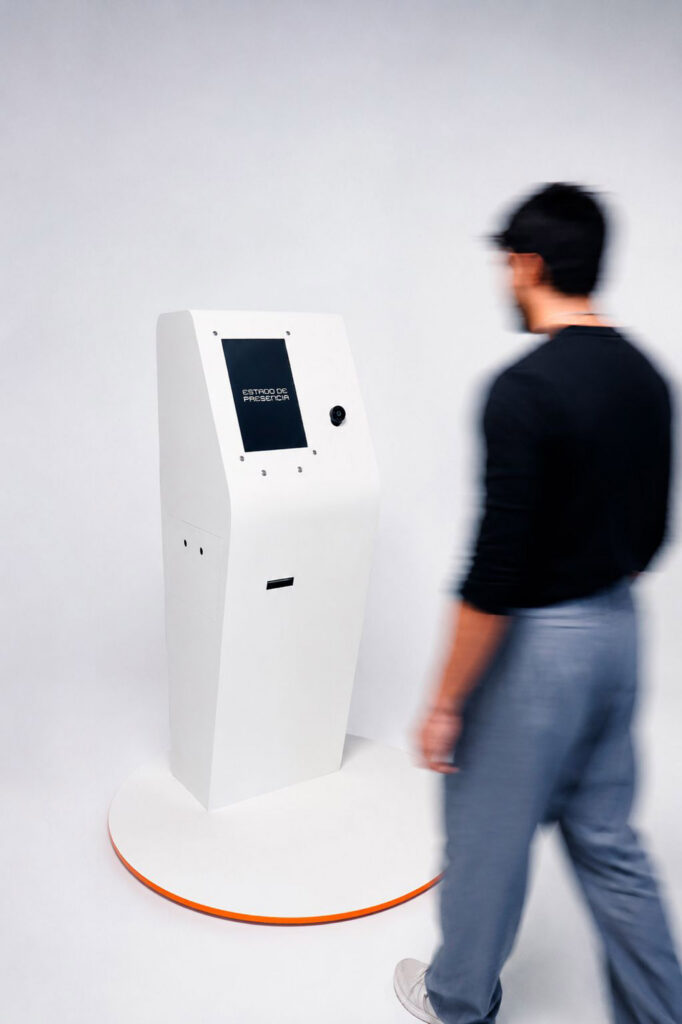
Estado de Presencia by Miguel Angel Arenas
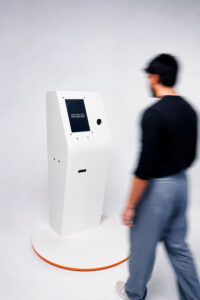
“Estado de Presencia is an interactive critical design and technology installation that responds to the humanitarian crisis of disappeared persons in Mexico.
“The project seeks to reduce the emotional distance that exists around this issue by turning an everyday act into an experience of personal identification.
“Through consensual facial recognition, the system compares the user’s face against a database of search profiles to create a moment of empathy and reflection, questioning how violence and disappearances have become normalised in public space.
“More than an identification tool, the device works as a critical artefact that reframes a technology commonly associated with surveillance.
“As a future direction, the project proposes developing an open platform in collaboration with families and search collectives, allowing the database to be fed communally, reducing bureaucratic barriers and expanding the project’s social reach.”
Student: Miguel Angel Arenas
Course: Diseño de Servcios y Experiecias, Campus Ciudad de México
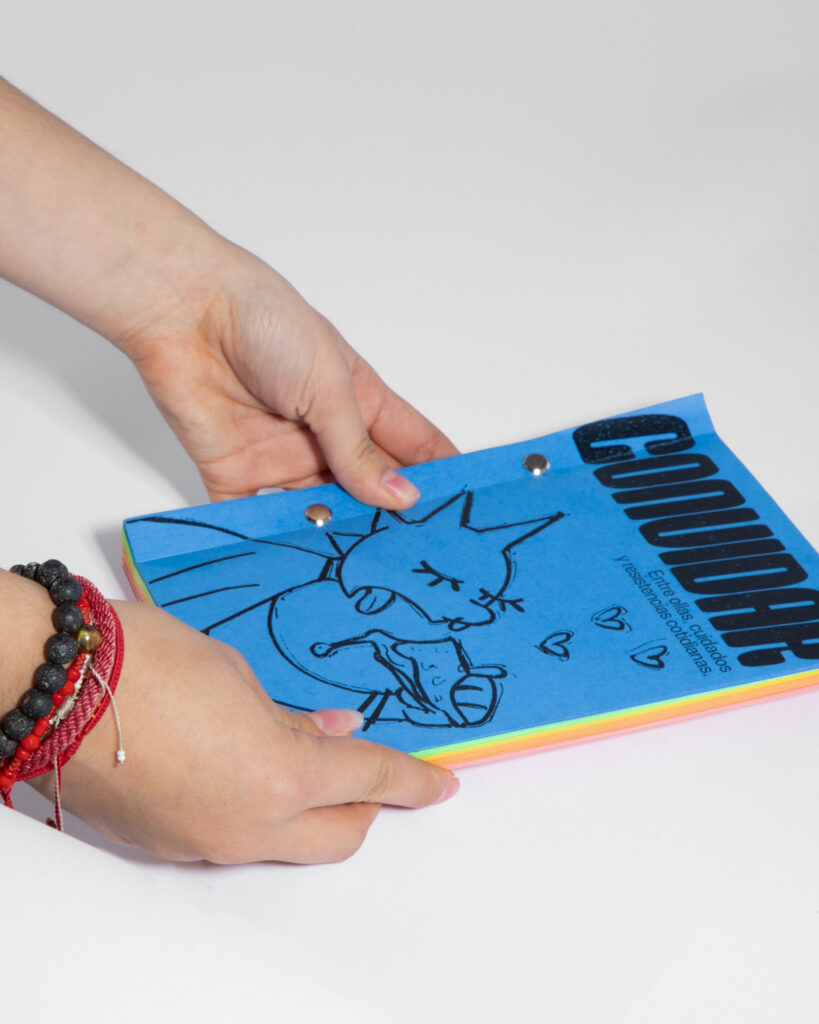
Convidar by Regina Reyes Tapia
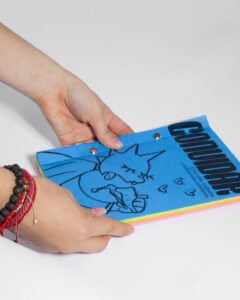
“Convidar is a community toolkit archive designed to make it easier to create spaces of collective care through shared food.
“The project grew out of observing community ‘waves’ and student organising practices at universities in Mexico City, where food works as a tool for mutual support, staying power and everyday resistance.
“Through a printed manual, an adaptable physical kit, a recipe book, graphic materials, and an open digital archive, Convidar gathers community knowledge that usually circulates informally and turns it into accessible tools, so other communities can organise get-togethers, collective meals and gathering spaces.
“Rather than proposing a finished object, Convidar aims to accompany collective organising processes and strengthen networks of care using available resources, shared knowledge and collaborative practices.”
Student: Regina Reyes Tapia
Course: Diseño de Servcios y Experiecias, Campus Ciudad de México
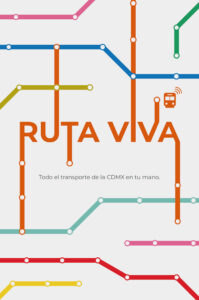
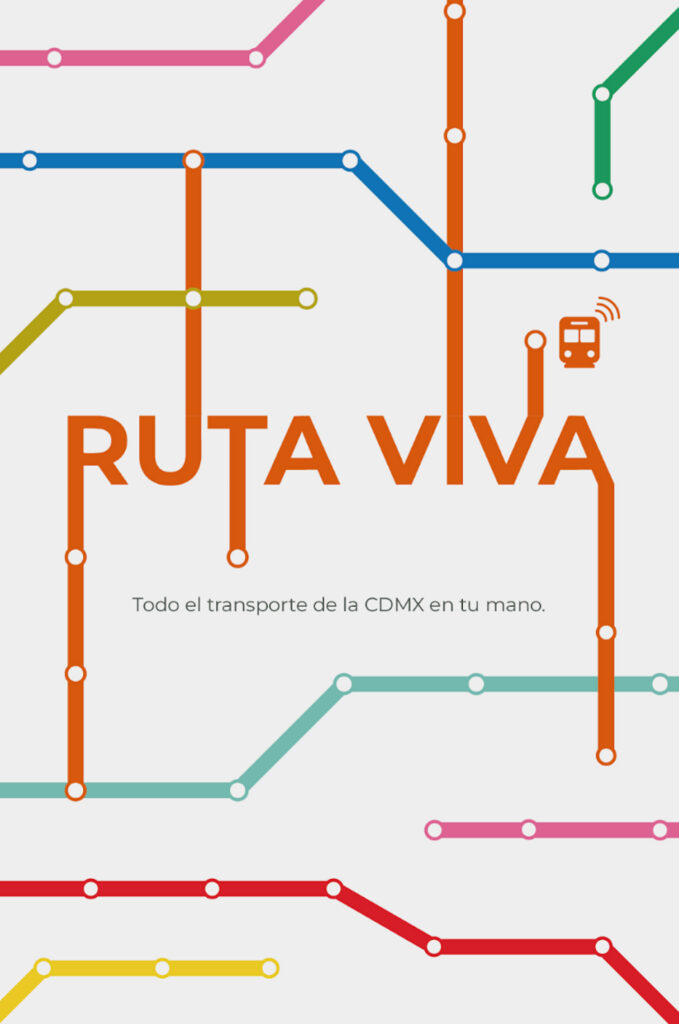
Ruta Viva by María José García Escalera
“Ruta Viva is a multimodal public transportation mobile app for the Mexico City Metropolitan Area (ZMVM). The app brings all of the city’s systems (Metro, Metrobús, RTP, Tren Ligero, Cablebús, Combis and concessioned services, among others) together in one place.
“It lets users see their location in real time, plan their route and reach their destination with the best available option: the fastest, the cheapest or the most accessible.
“Its most distinctive feature is community-driven: users themselves report incidents in real time, such as overcrowding, delays, closures, breakdowns or safety concerns, and based on this verified information, the app suggests alternative routes.
“In addition, it includes a safe mode with live location sharing, an offline mode for areas without coverage and accessibility filters for people with reduced mobility.
“The project grew out of research with real users from the city’s periphery, which led to its central finding: what stresses people most about public transportation is not travel time, but the uncertainty of not knowing when the transport will arrive or what to do when something fails.
“Ruta Viva responds to this problem by intervening through information, not through infrastructure.”
Student: María José García Escalera
Course: Diseño Digital, Campus Ciudad de México
Modo Avión by Suzan Arusyag Avttoglu Buenfil

“We live in an era where apps and social media are designed to capture and hold our attention. As a result, many people use their phones on autopilot, losing time, focus and opportunities to be present.
“In response to this problem, Modo Avión was created, a digital wellbeing app that turns disconnecting into a positive experience.
“The app lets users temporarily block apps and earn real rewards for the time they spend disconnected, which they can redeem for experiences such as books, museums, theatre and movies: activities that have been neglected because of screen addiction.”
Student: Suzan Arusyag Avttoglu Buenfil
Course: Diseño Digital, Campus Ciudad de México
Chromatique by Maria Fernanda Chaidez Bringas, Montserrat Ríos Pérez and Natalia Jiménez Olguín
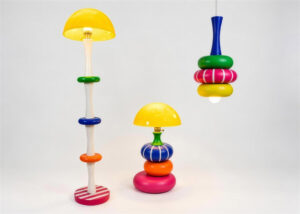
“Chromatique is a family of lamps inspired by the art of Fauvism, where colour and organic forms create a modern, expressive visual identity.”
Students: Maria Fernanda Chaidez Bringas, Montserrat Ríos Pérez and Natalia Jiménez Olguín
Course: Diseño de familia de productos, Campus Monterrey