September 23rd, 2009

London Design Festival 09: London designer Benjamin Hubert will present a range of cork lamps for Danish design brand Unique Copenhagen at 100% Design, which opens tomorrow.
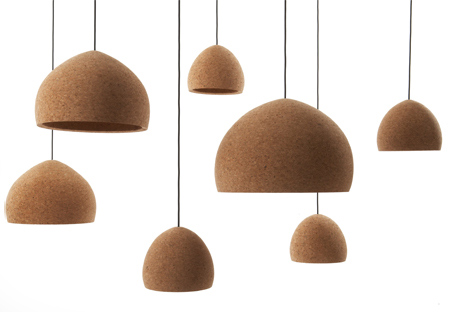
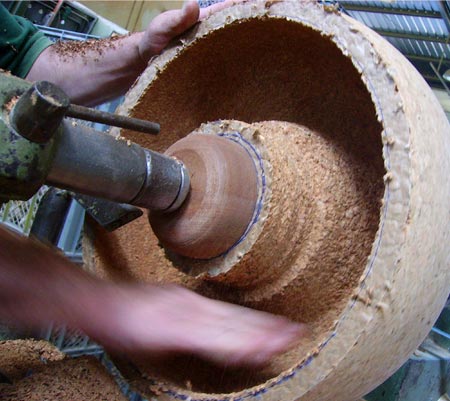
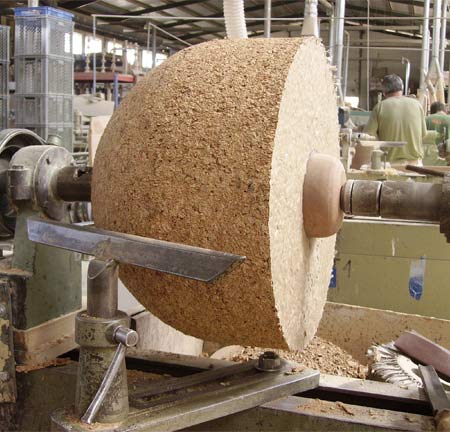
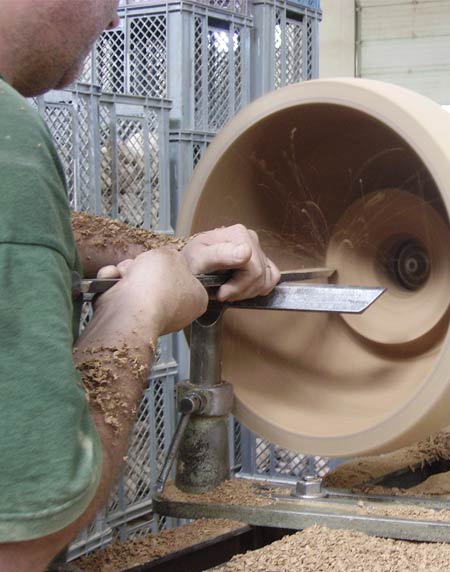
The lamps are hand-turned out of Portuguese agglomerate cork blocks.
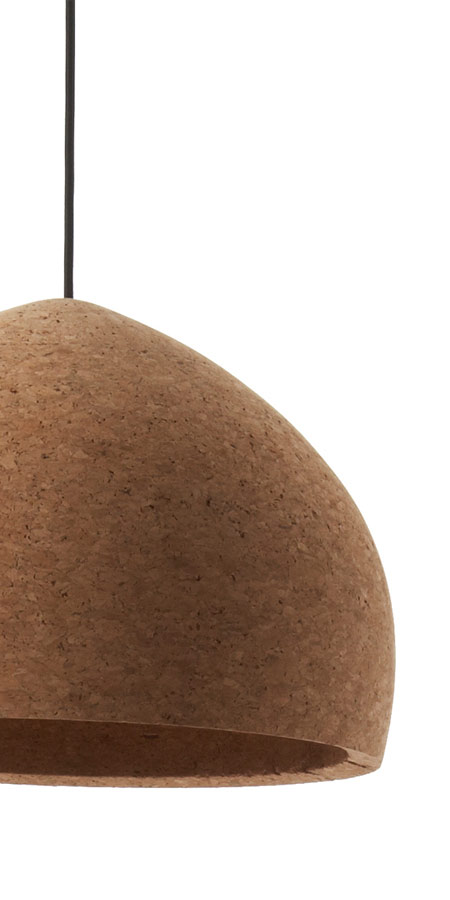
These blocks are constructed using waste cork from the manufacture of wine stoppers.
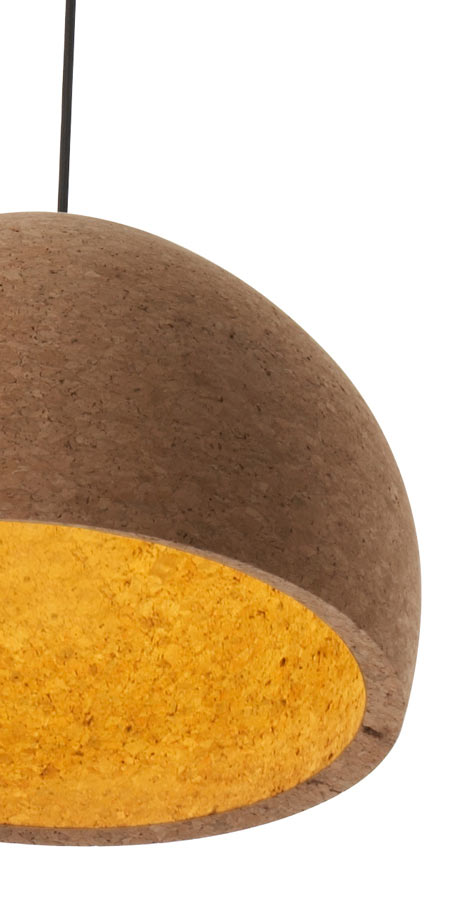
The waste created when the lamps are turned is then fed back into the process and used to create the next batch of lamps.
See all our stories about London Design Festival 2009 in our special category.
Previous Benjamin Hubert stories on Dezeen:

Heavy Desk Light
Chimney
Pebble
Material Centric
Cast Desk Tidy
Dandilight
Here’s some information from Hubert:

Float, a collaboration with Scandinavian lighting manufacturer Unique Copenhagen.

Unique Copenhagen are located in Denmark and produce a range of contemporary lighting products.
They work with both emerging and established designers and are renowned for producing some of Verner Panton’s most celebrated designs.
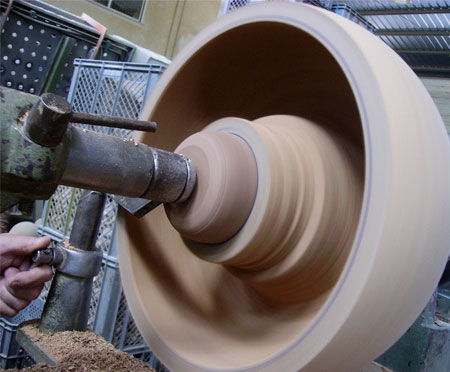
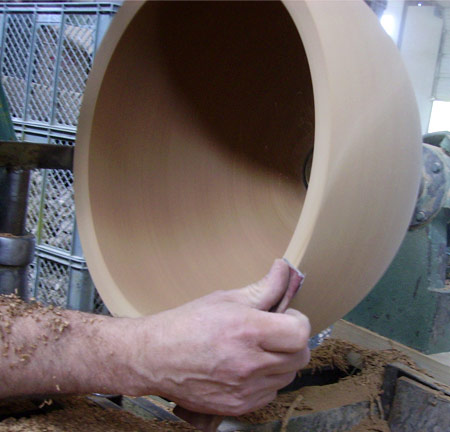
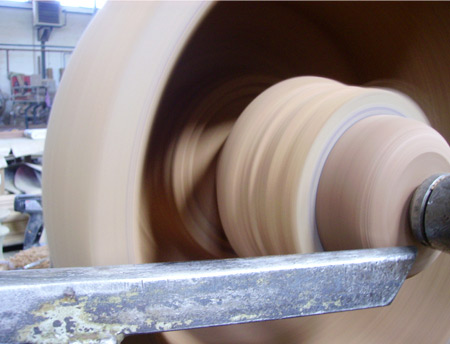
Float pendant lights are manufactured in a Portuguese factory, hand turned using traditional wood working techniques from large agglomerate cork blocks. The blocks are environmentally friendly as they are constructed from the waste product in wine stopper manufacture.
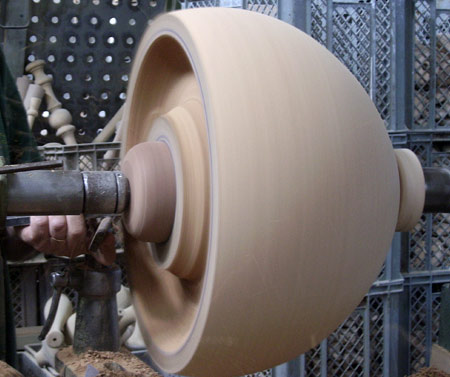
Turning the cork blocks produces a high volume of waste, however due to the recyclable nature of the cork, it is put directly back into the process to make new lamps.
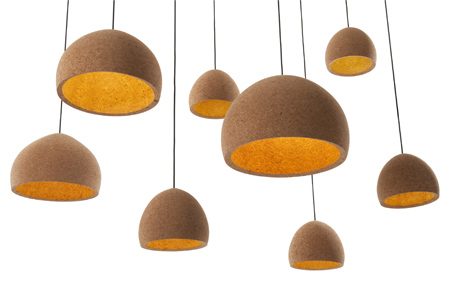
The lamps retain a classic simplicity, allowing the focus to remain with the cork material. When illuminated the reflected light within the shade produces a warming natural glow emphasised by the colouration of the cork.
Float Specification
Large Ø 600mm, Medium Ø 400mm, Small Ø 200mm
Hand turned Portuguese agglomerate oak cork


Posted by Sarah Housley

11 Responses to “Float by Benjamin Hubert
for Unique Copenhagen”

  1. Chuck Anziulewicz Says:

    OK, these lamps seem rather nice. I appreciate the fact that the cork material is being used in a continually recycle-able way. And the lamps themselves obviously cast a warm, pleasant glow downwards. Obviously they would fit into a wide variety of home decorating styles. Good job.

  2. Mike Says:

    If it was from waste cork from wine stoppers, why couldn’t they just make more wine stoppers from it?!

  3. hayden Says:

    Fuck – that is just seriously cool !

  4. TheElementGuy Says:

    I LOVE THESE.

  5. hoohaa Says:

    don’t know if this is stupid question but when the cork is cut away and fed back into the process, does the texture of the cork get finer and finer. would end up like dust a couple of iterations later.

  6. hayden Says:

    Mike – why does a material have to exist in only its first produced form ?

  7. Ninian Says:

    Because Hayden you have to waste/spend/blah blah more energy when you recycle/change something, rather than simply resusing it in its current form.

  8. Hayden Says:

    By that logic then Ninian, we should stop production of all cars and just continue to drive around and fix the ones we have ?

  9. TheDevilsAdvocate Says:

    Cars…. yes, that’s what happens in Cuba.
    It works. Everyone has the same car parts.

    The question is, should we keep the human race in unneccessary jobs?

  10. hayden Says:

    No. So whats your plan ?

  11. filipe Says:

    There are cork lamps – as well as other products – made from Portuguese designers which look batter than this one. Also, the cork used for the agglomerate blocks is not from cork stoppers – it’s just not possible to collect so many stoppers – and there is no cork stoppers recycling infrastructure (a small city in the south of Portugal is trying it with a small network starting this year).
    Besides, cork has many great features that still weren’t made possible by synthetic materials and none of these is used here – so what’s the point?

Submit a comment

See our comments policy