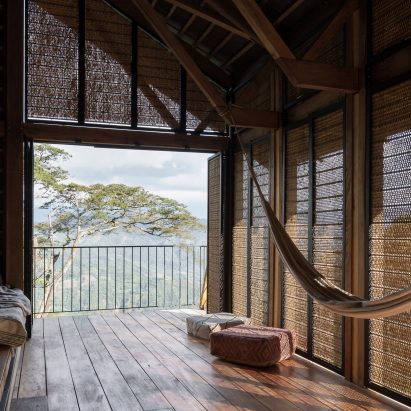
Colombian construction company creates affordable homes using coffee waste

This one-minute video shows how a local construction company is using waste coffee husks to build affordable and eco-friendly housing for communities in Colombia.
Woodpecker WPC creates sustainable, low-income housing using recycled coffee waste.
Husks and other waste from the coffee production process are turned into prefabricated blocks used for construction, which can then be assembled into homes without the use of specialised training or tools.
The houses are quick and easy to build, and due to their lightweight nature can be transported to rural and difficult-to-access areas where infrastructure is most needed. Kits can be moved by helicopter, boat, or even on the back of a donkey.
Around 3,000 houses and 20 schools have been built with this technique to date, according to Woodpecker WPC’s CEO Alejandro Franco.
In one recent campaign, 680 climate-adaptable homes were built in the Upper Guajira region of Colombia for the indigenous Wayuu community. The region has been suffering from the effects of climate change and has been devastated by droughts in recent years.
Read more about sustainable architecture on Dezeen ›
Read more
Recommended stories
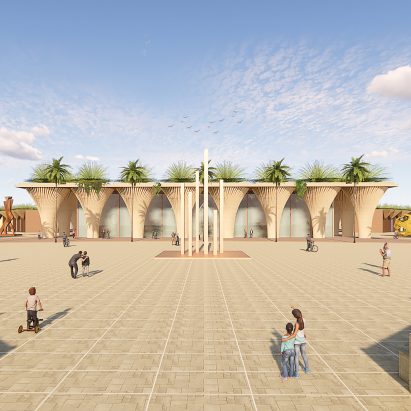
Valentino Gareri Atelier designs village made from 3D-printed cacao waste
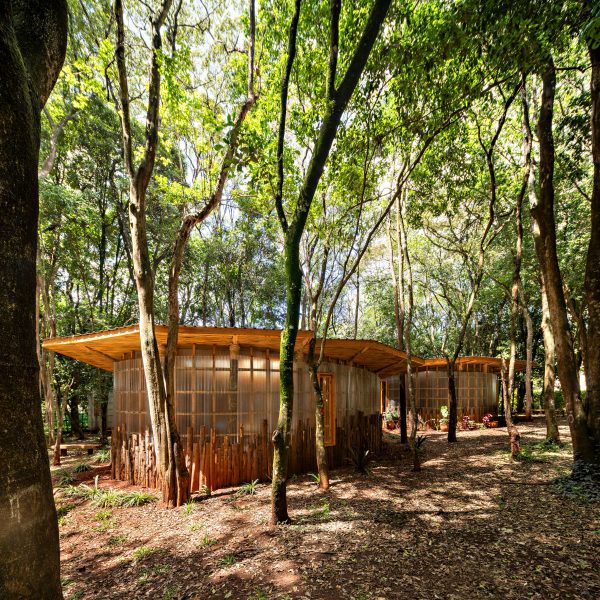
Urko Sanchez Architects prioritises reusable materials for temporary school in Nairobi
Colar revives adobe structure to create pared-back home in Mexico
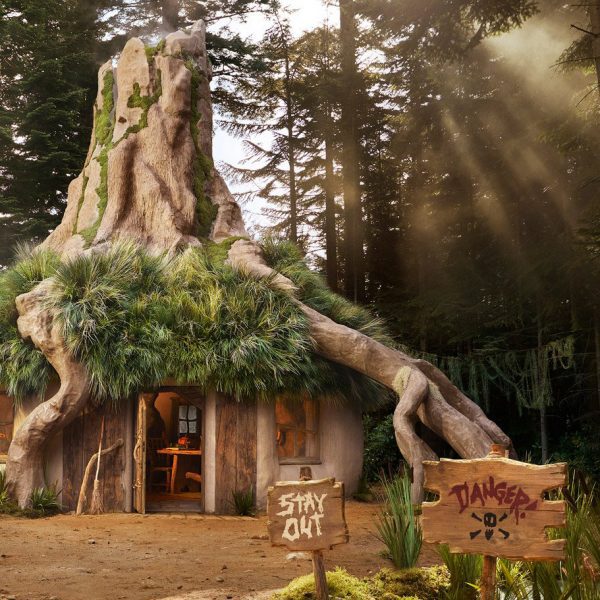
This week we revealed Shrek’s Swamp in the Scottish Highlands

Weaving centre in Ecuador “gives formal expression to local crafts”
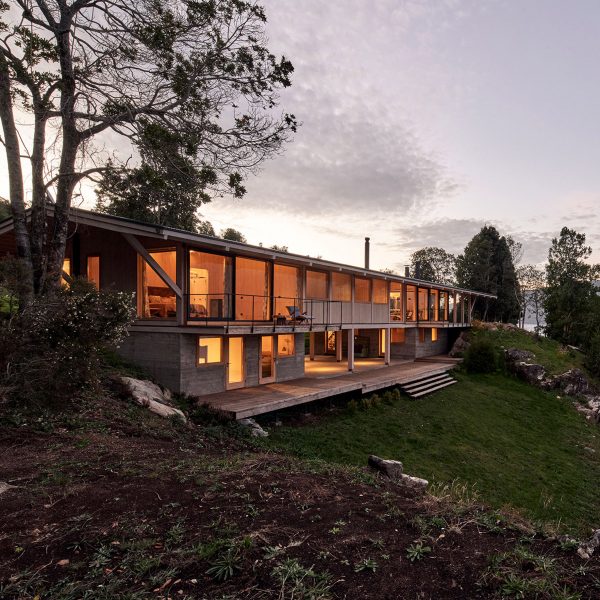
Tomás de Iruarrizaga bridges concrete forms with wooden structure for Chile holiday home
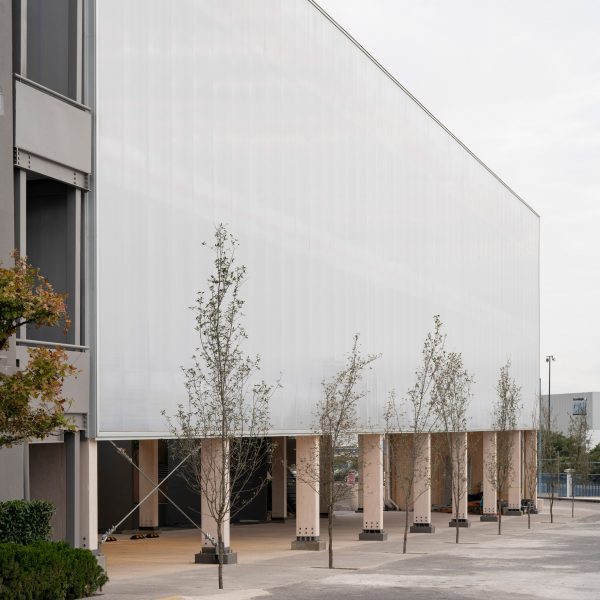
PPAA clads “first all-wood” mass-timber structure in Mexico with translucent panels