Redesigning Design Weeks programme tackles downsides of event tourism
A neighbourhood repair cart and a “Pizzeria of Promises” are among the products of Redesigning Design Weeks, a Nieuwe Instituut initiative that aims to counter the negative effects of intense tourism in design week hubs like Milan.
The Nieuwe Instituut and Dutch Embassy dreamed up Redesigning Design Weeks in response to concerns that the current design week model is unsustainable. This applies particularly to Milan, which in 2024 attracted 361,000 visitors during its event, swelling the city’s population by more than 20 per cent.
This can bring pollution, pressure on the housing market and social inequality, notes the Nieuwe Instituut, and has led to protests against “touristification” in several European cities.
Working with community-focused design studio Collective Works and local cultural agency cheFare, the initiative developed a Milan-specific intervention to offer different ways of engaging with the city and its residents.
The format sees designers and studios embedded into communities in the city’s outskirts for year-long residencies, tasked with building long-term relationships and developing design responses based on local needs.
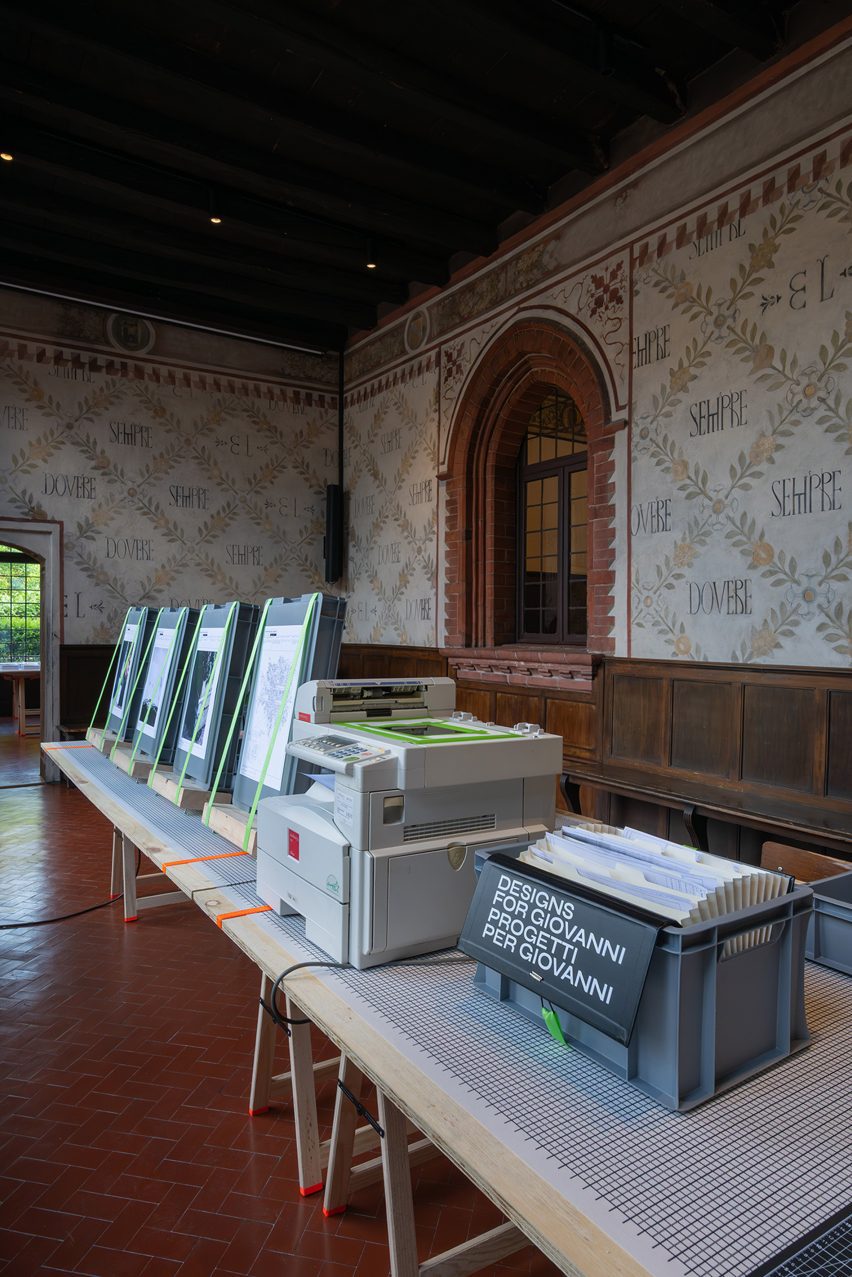
Netherlands-based designers Pete Fung and Studio Method were the first resident designers, beginning their work in April 2025. They carried on through that year’s design week and returned in September for another month of collaborative work, finally presenting their outcomes at Milan design week 2026 in an exhibition titled Civicity.
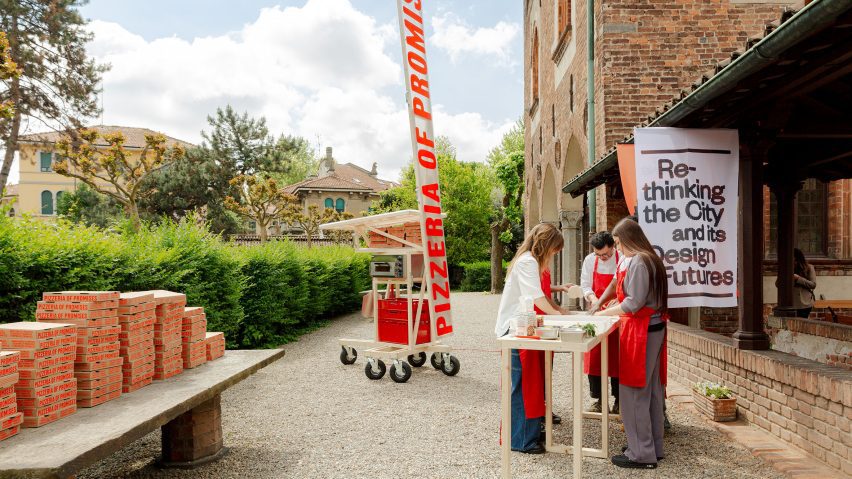
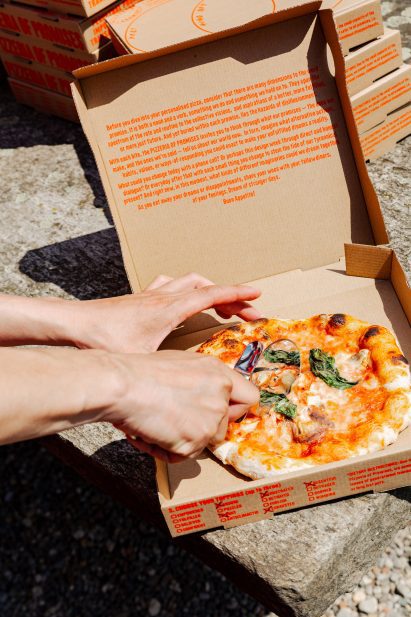
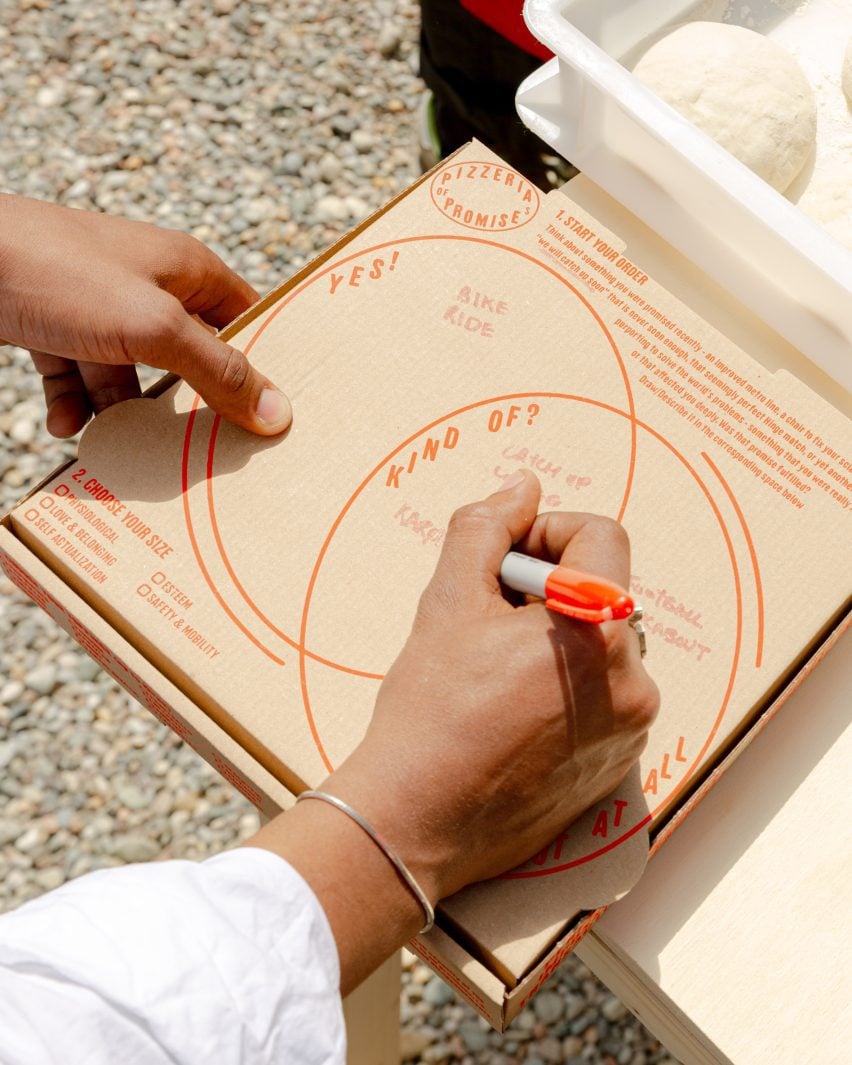
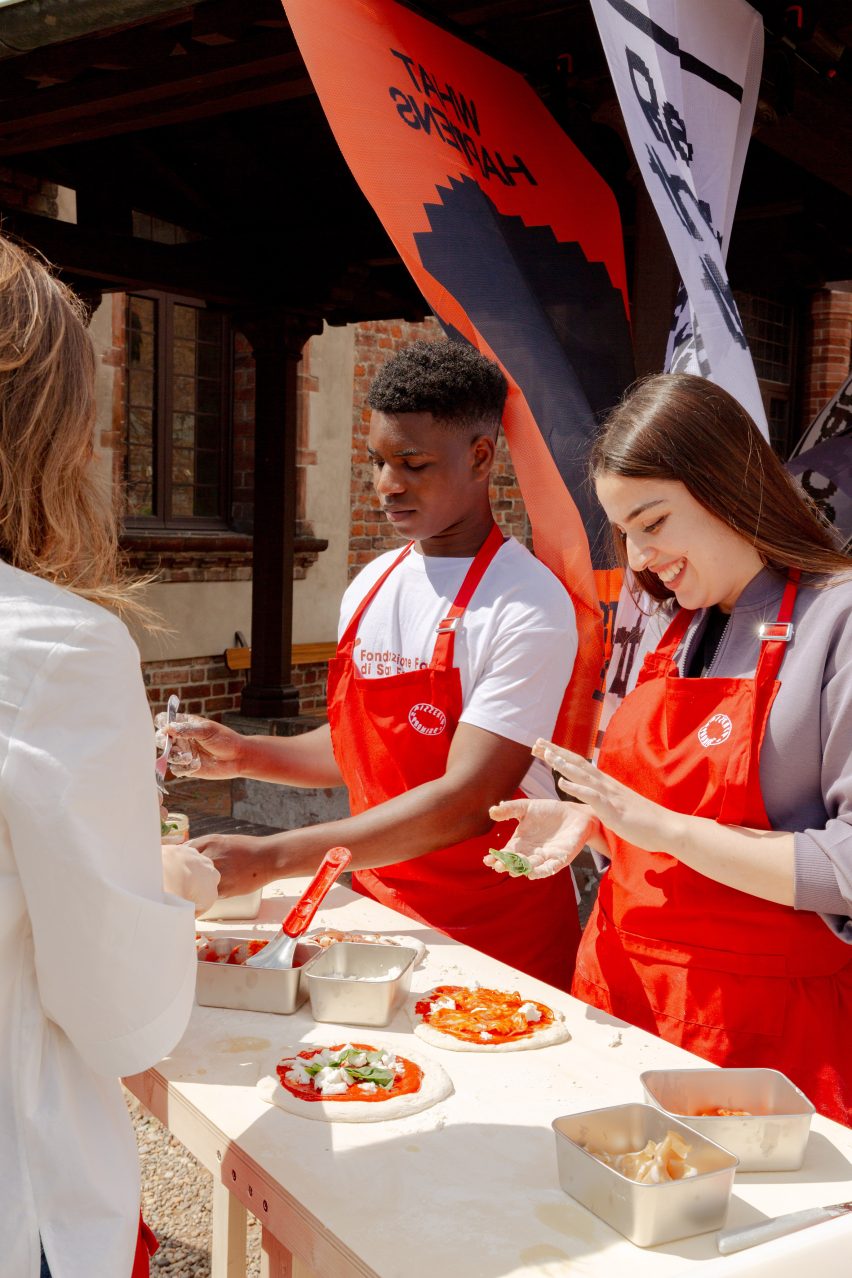
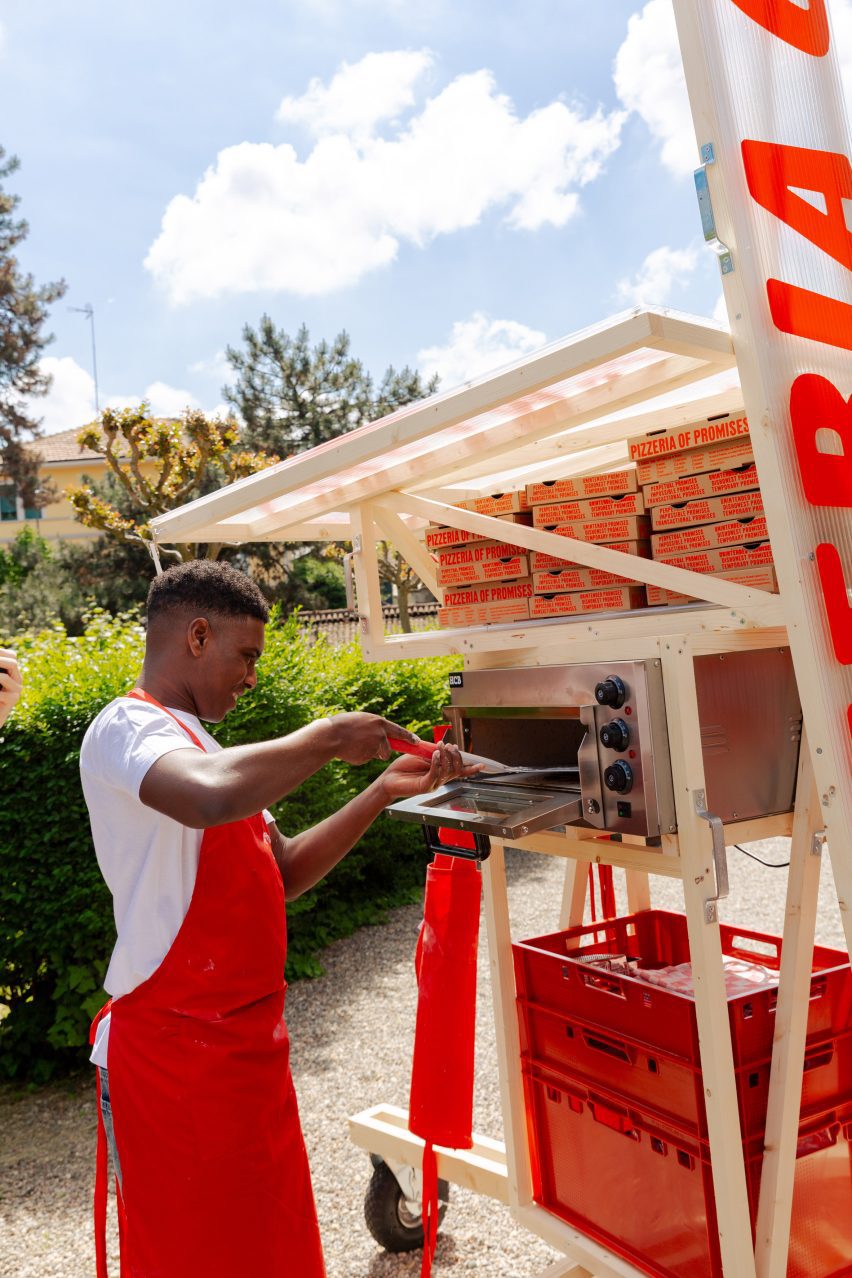
Fung worked in Chiaravalle with young immigrants, eventually involving them in the building of the Pizzeria of Promises. This is a mobile installation that draws visitors to reflect on promises made and broken, both to them in their day-to-day lives and within the context of migration.
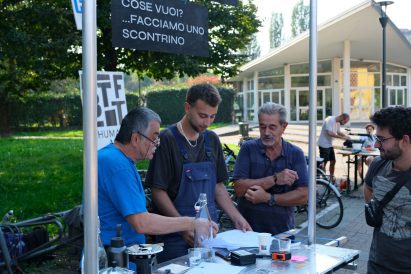
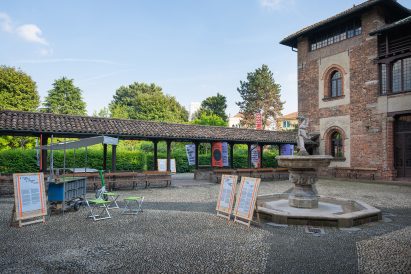
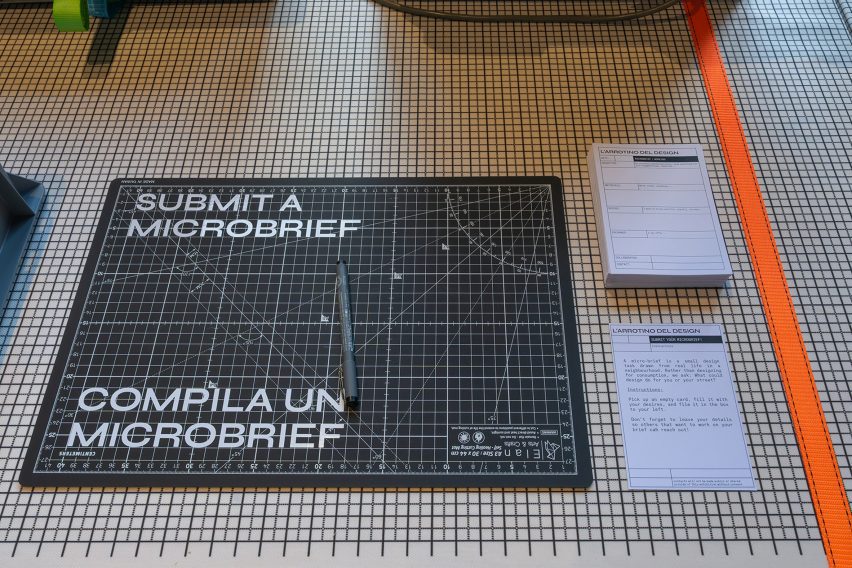
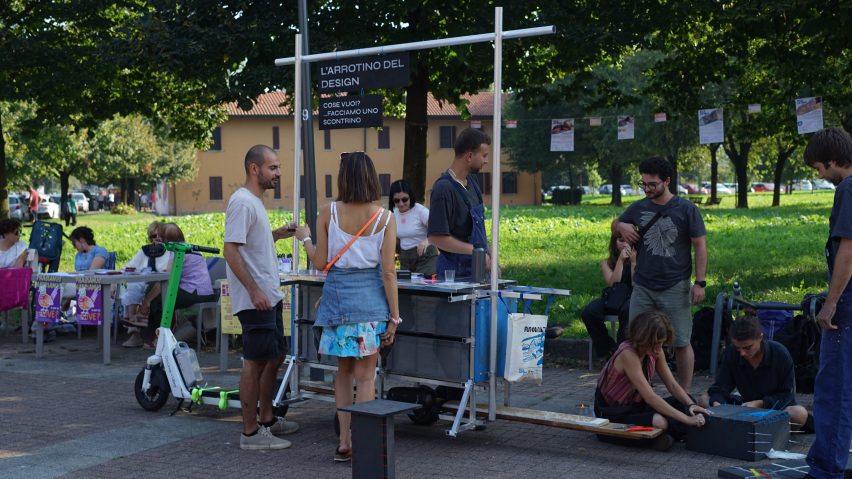
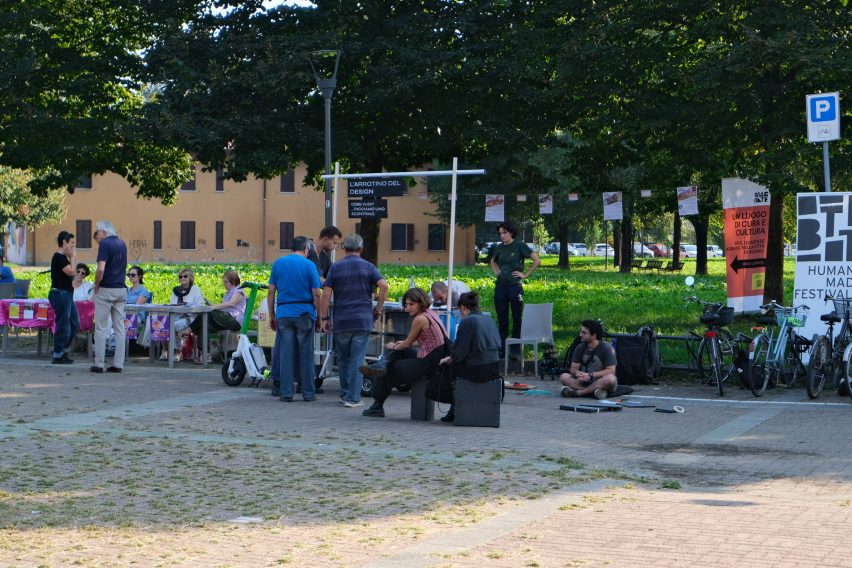
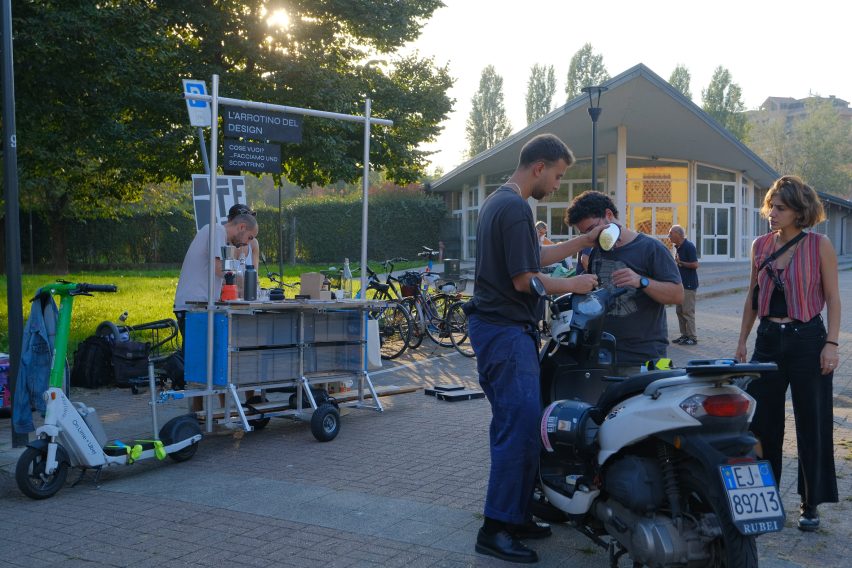
Studio Method worked in Quartiere Adriano, engaging residents through their “Arrotino del Design”, a mobile workshop attached to a hacked Lime scooter. It was inspired by the traditional Italian travelling craftsman, who moved between neighbourhoods repairing objects.
For both projects, the process was more important than the outcome. Fung undertook various engagement approaches, but was ultimately most affected by a conversation he struck up with a group of boys – non-Europeans like himself – who were hanging around a bus stop outside of a large yellow house.
Through them, Fung learned the house is a transitional home for unaccompanied immigrant minors until they turn 18, and he gained a deeper understanding of their lives by giving them disposable cameras to document their lives.
At the same time, he took several of the boys on a tour of Milan design week 2025, introducing them to both the commercial side of the event and to critical projects such as Dropcity’s exhibition on prison furniture.
Ultimately, the idea for the Pizzeria of Promises came during a co-creation workshop, where one of the participants said he wished he could share the pizza-making skills he’d gained from working in a pizzeria with his neighbours and peers.
Given that many restaurants in Milan are staffed and run by immigrants, it seemed to offer an opportunity to adopt the institution of the pizzeria to talk about something else.
“The Pizzeria of Promises presented at MDW is not an outcome but a constituency of relations developed over the course of the [residency],” said Fung in his essay.
“The gesture exposes the contrast between the hyper-mobility celebrated by international design culture and the constrained mobility experienced by those awaiting residency papers, while grounding the conversation in the scale of the everyday – in food, work and aspiration.”
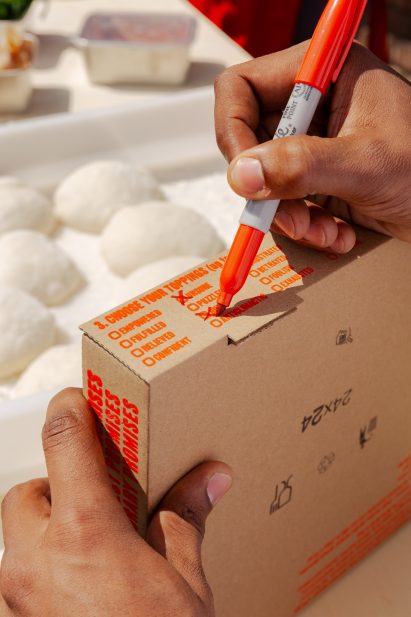
Visitors to the Pizzeria of Promises order by filling out prompts on a specially designed pizza box, including reflecting on something they were promised recently that they were hopeful for or affected them deeply. Pizza toppings are determined by which emotions they tick that they felt.
Riel Bessai and Pedro Daniel Pantaleone of Studio Method spent the first month of their residency just participating in neighbourhood life, mostly through the local community centre.
To engage residents more directly, they built a portable bench called the Dondolo, which only works when two people sit on it together, and used it as a conversational tool to gather opinions about the neighbourhood and its relationship to the design week.
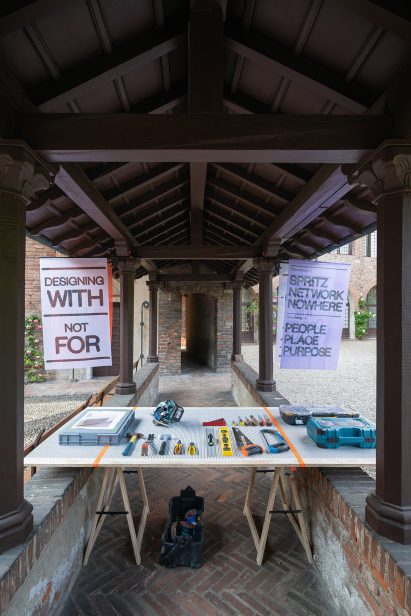
With connections to the community well-established, they returned for the second half of their residency with the idea to operate the travelling cart and invite residents to submit “micro-briefs”, taking on both small repairs and more formal design projects.
Redesigning Design Week will continue in 2026, with two new designers starting their residencies – Demo- practice and Ned Kaar.
The Nieuwe Instituut is known for initiatives that challenge the status quo in European design, such as the New Store pop-up shops, which have allowed visitors to exchange urine for soap or get a free haircut in turn for donating the harvested resource for textile production.
Read more
Recommended stories
Twenty-nine unmissable exhibitions and installations at Milan design week 2026
What’s it like to be a designer in Milan today?
Prototype Island exhibition highlights Singaporean design at Milan design week
“The days of dressing up superfluous stuff and placing it amid vapid installations surely need to stop”
“Design weeks need to start framing repair as aspirational”
Twelve must-see exhibitions and installations at Milan design week
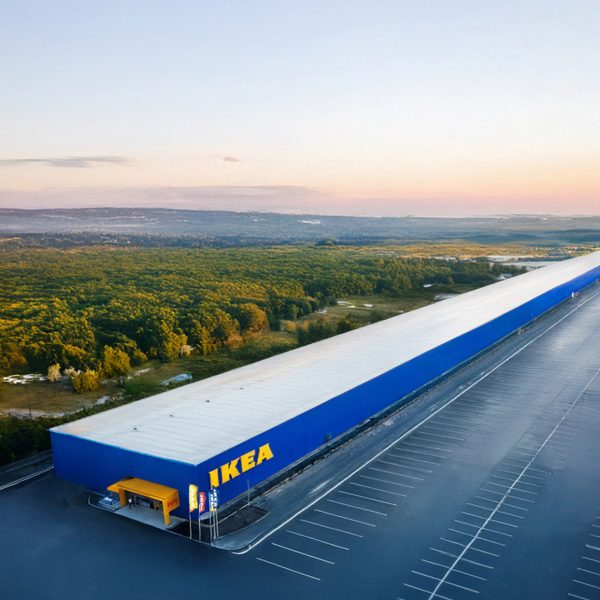
This week we published IKEA’s tongue-in-cheek plans for a two-kilometre-long store