


Watts Towers in Los Angeles, Dallas City Hall and the City of New Orleans are among at-risk places designated as "irreplaceable" cultural assets in the USA by heritage organisation World Monuments Fund for the country's 250th anniversary.
Ten sites were selected for the designation, spanning hundreds of years of the built environment in the country, from Spanish-colonial-era missions to modern housing developments.

The list emphasises the importance of the places and prioritises those in need of additional preservation.
According to World Monuments Fund (WMF) president and CEO Bénédicte de Montlaur, the list serves as a "call to protect" the places and as a reminder of the complex and multi-cultural makeup of the built environment in the United States.
"The United States was built by people from every corner of the globe, shaped by Indigenous nations, early settlers, immigrant communities, and generations of cultural exchange," said de Montlaur.
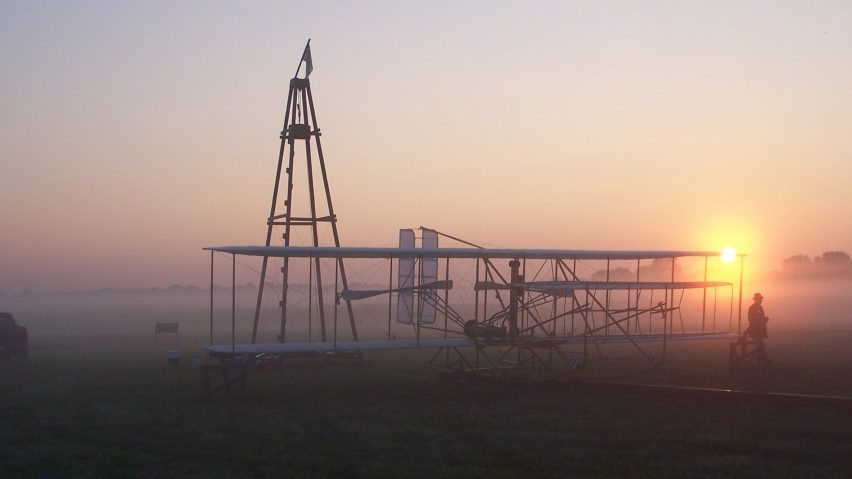
"That complexity gave rise to some of America's most enduring contributions, from colonial heritage to jazz and hip-hop and the Wright brothers' invention of powered flight."
"As the nation approaches its 250th anniversary, Irreplaceable America is a call to protect the places that reflect the richness of that history, and the role heritage plays in education, community memory, and civic life."

The ten sites were derived from submissions that were then chosen by a jury.
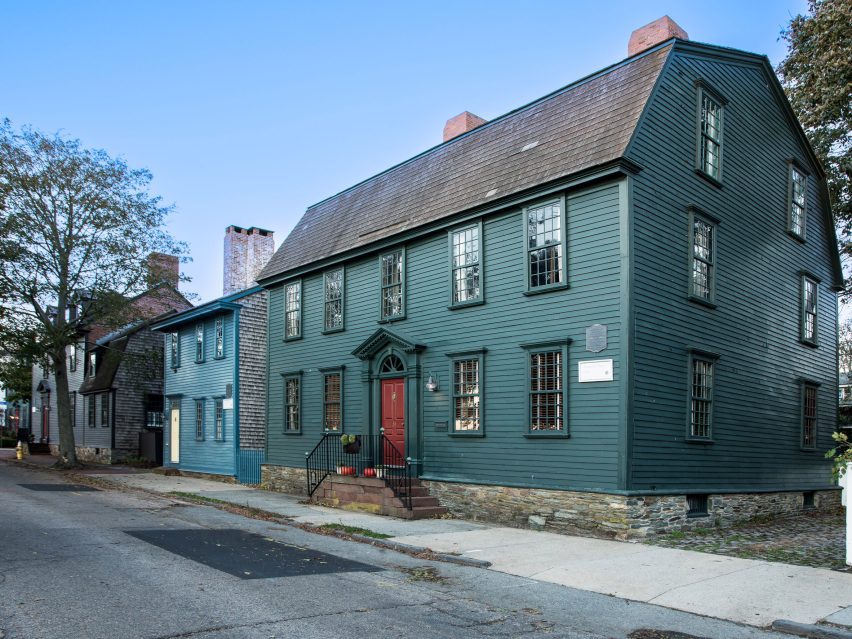
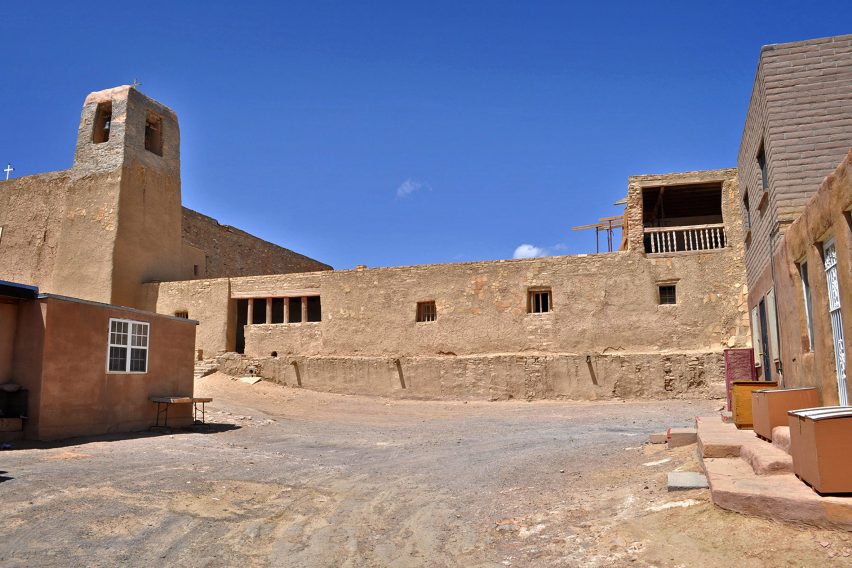
Among the places on the list are colonial-era buildings, such as Mission Churches of Acoma and Laguna Pueblos in New Mexico and the colonial homes in Newport, Rhode Island.
The former, according to WMF, suffer from a "waning of collective restoration traditions", while the latter are at risk from sea-level rise.
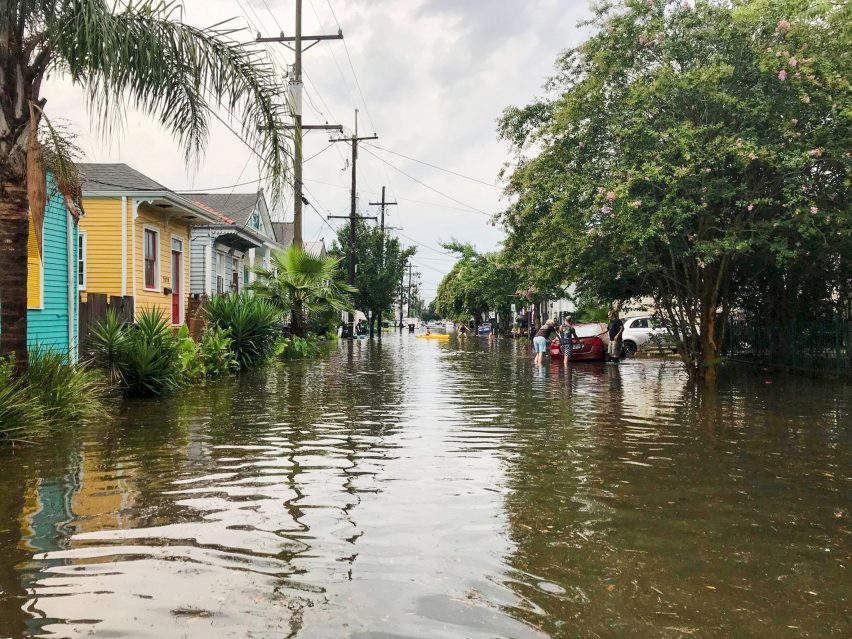
Environmental stresses driven by climate change were listed as a major threat to many of the places on the list.
Among these is the entirety of the City of New Orleans in Louisiana, as well as the Black Mountain College Studies Building in North Carolina, an important building in the eponymous artistic movement.
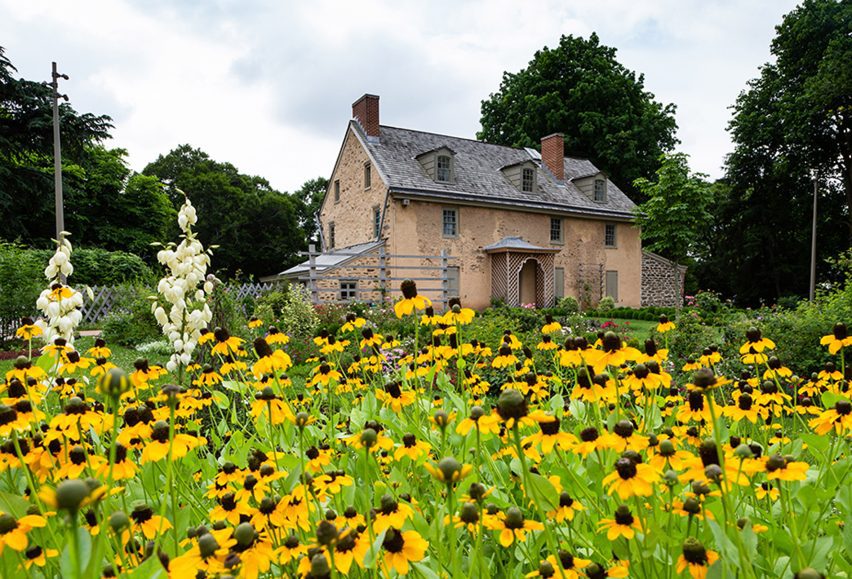
Climate change was also cited as a stressor on Philadelphia's Bartram's Garden, the oldest botanical garden in the United States.
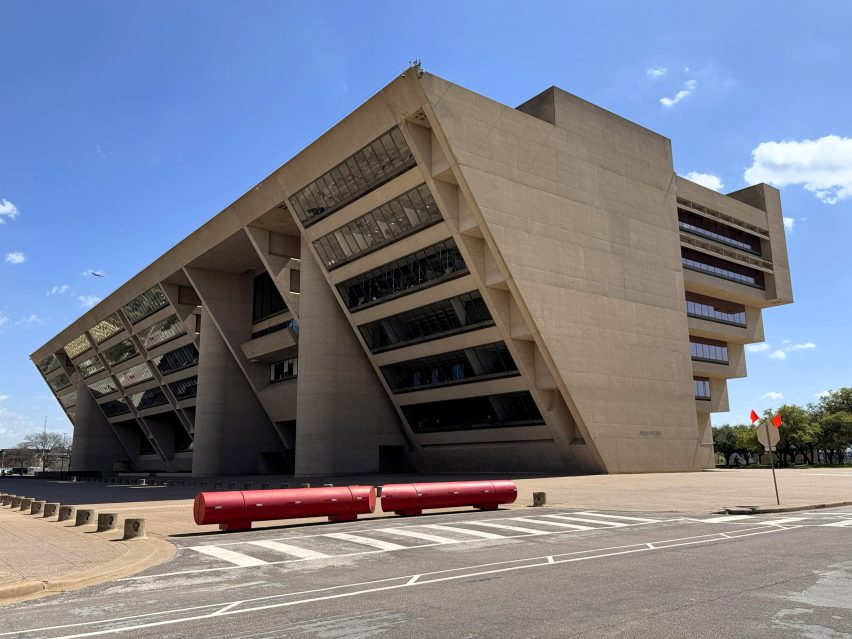
But, as with many of the places, a complex arrangement of forces plays into the endangerment of these sites, with "encroaching development" threatening Bartram's Garden as well as Dallas City Hall in Texas.

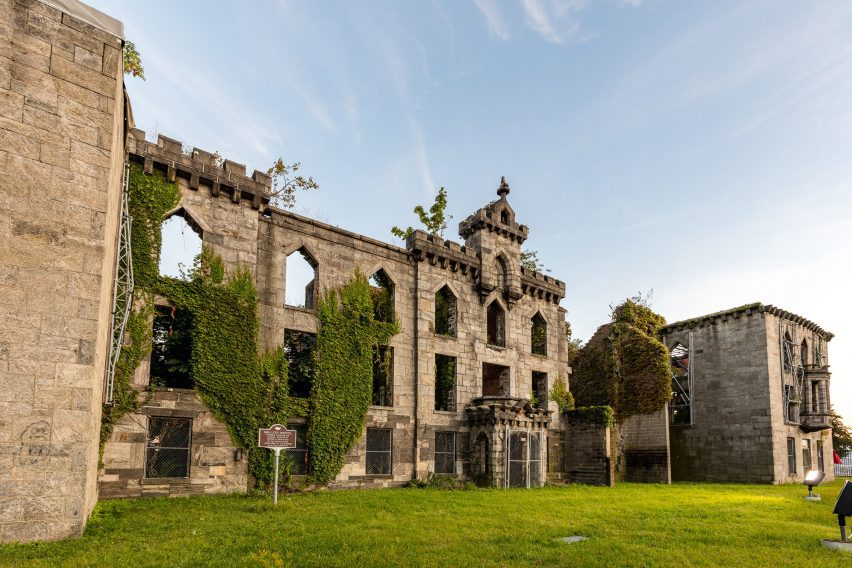
Some of the sites suffer from simple neglect, as is the case with New York's Smallpox Hospital Ruin on Roosevelt Island. While Watts Tower in Los Angeles, a massive folk art spire in the city, is at risk from earthquakes and dwindling arts funding.
The sources of this neglect differ, with different protections and management structures based on location.
However, recent changes in federal policy around DEI have put increased pressure on some sites of national significance.
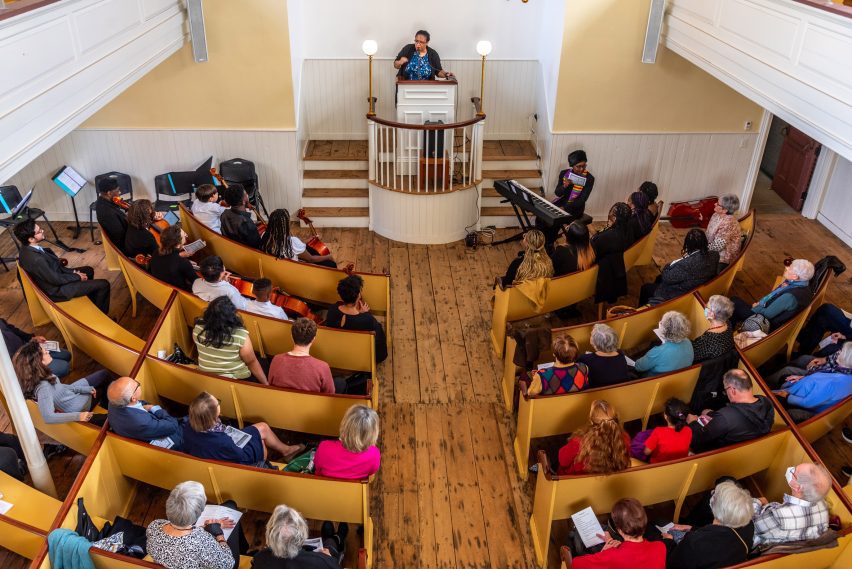
The Irreplaceable America list features the African Meeting House in Boston, Massachusetts, citing "shifting interpretation policy" as a reason for its inclusion.
"The oldest surviving Black church in the United States, the African Meeting House helped anchor the early abolitionist movement," said WMF.
"Now, shifting interpretation policy threatens the depth and visibility of the Black history that makes this landmark irreplaceable."

In the designation, the citation for the "workshops and fields" in Dayton, Ohio, where the Wright brothers, who made great advancements in air travel, notes that "National Park Service staffing and stalled capital projects threaten their long-term preservation and public interpretation".
In fact, the WMF has added an additional Special Designation for the National Park Service (NPS) itself.
"The NPS plays a central role in that system by managing national landmarks, administering federal preservation grants, and helping establish standards for restoration and stewardship," WMF senior regional director of USA and Canada Jon Buono said.
"At a time of growing pressure on heritage places nationwide, leadership remains essential."

The hope is that the list will shed additional light on the importance of each site, its associated histories and the complex array of challenges facing its preservation.
The list comes at a time when the federal government under president Donald Trump has been reshaping the national capital and proposing new monuments, such as a triumphal arch on the Potomac River, calling into question the work of monumentalization across the country.