


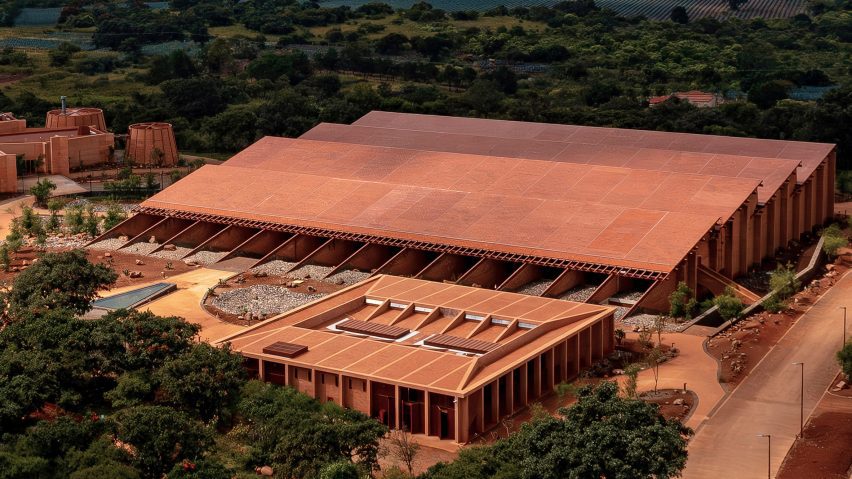
Promotion: a Vietnamese temple and a Mexican tequila factory are among the eclectic winners of this year's Brick Award programme.
The six winners of Brick Award 2026 also include an infill housing project in Belgium, a series of student-designed brick structures in China, a cliffside Mallorcan house and a social housing block in Spain.

Presented biennially by Austrian-headquartered global building company Wienerberger since 2004, the Brick Award celebrates unique buildings worldwide that use bricks and ceramics.
The company said it "recognises innovation, craftsmanship, and sustainable design" and claims to have "become a prestigious platform for visionary architects".

"Even after more than 30 years working in this industry, I continue to be inspired by the incredible innovation taking the application of brick and ceramic materials to new heights," said Wienerberger CEO Heimo Scheuch.
"Tonight's winners show the versatility of these timeless materials to address the most pressing needs of climate change and modern living while creating a sense of wonder and beauty for the users of the buildings they create."
The award has five prize categories. These are Feeling at Home for homes and small projects, Living Together for urban residential developments, Working Together for commercial buildings, Sharing Public Spaces for shared spaces and Building Outside the Box for innovation.
There is also a Grand Prize, given to the overall winner, and for the first time this year, a Special Prize for "a project that is reinventing the idea of neighbourhood".
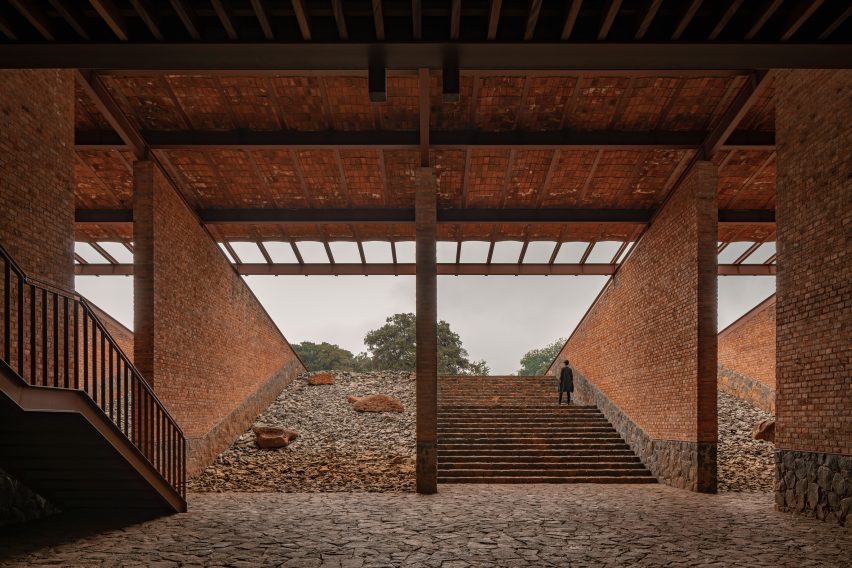
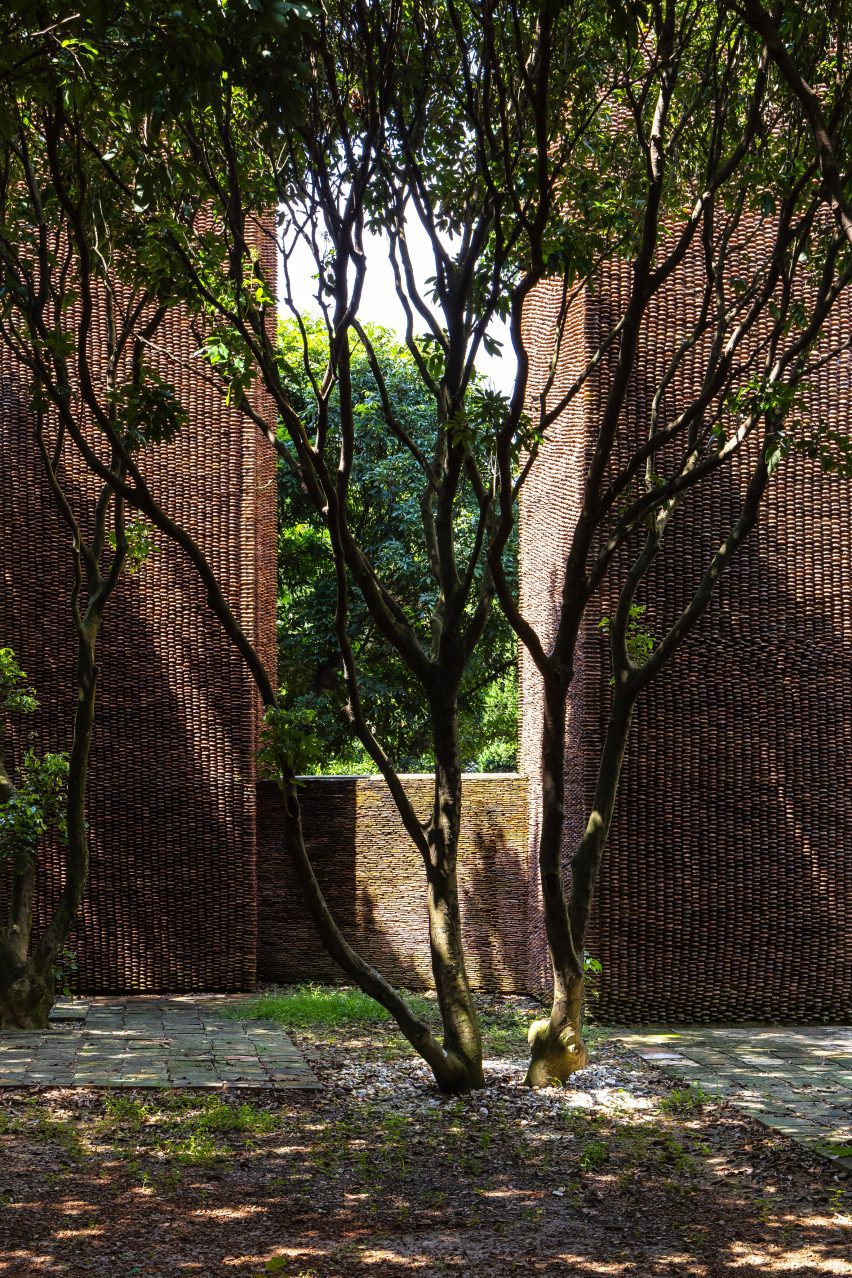
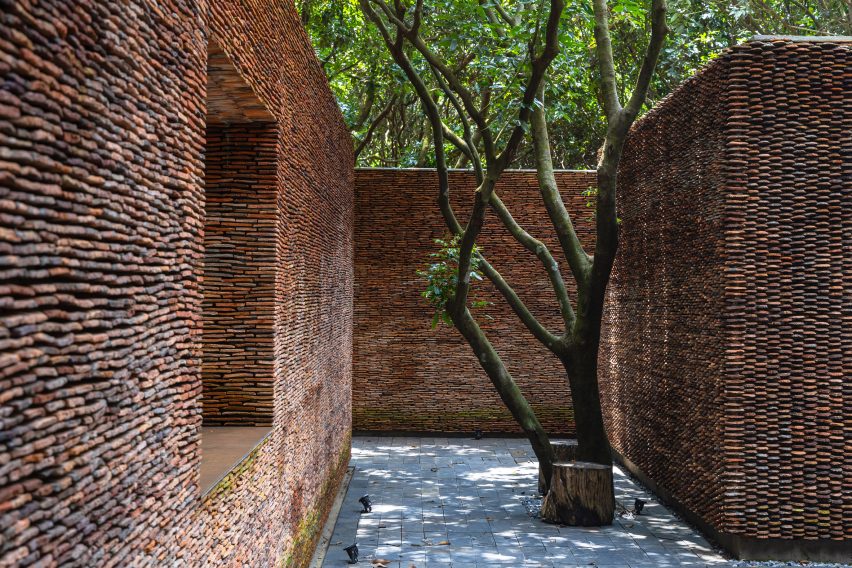
This year's Grand Prize was received by Đạo Mẫu Temple and Museum in Vietnam, which incorporates six million clay tiles reclaimed from local homes.
Designed by Vietnamese studio ARB Architects for the folk artist Xuân Hinh, the building also took the prize in the Sharing Public Spaces category in recognition of the way it has created "a unique and sacred connection with the people of the region".
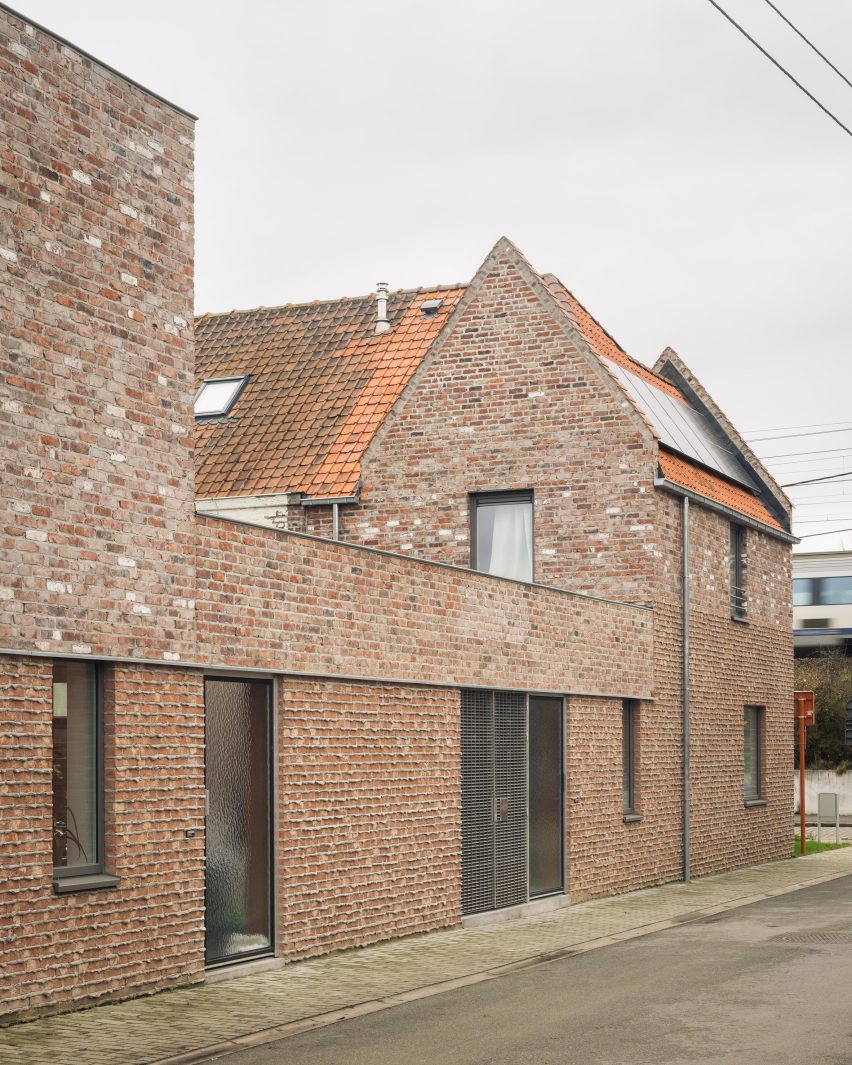
Meanwhile, the inaugural special prize was awarded to a Belgian housing project by Maker Architecten, which has provided 54 homes on an infill site in Kortrijk.
It was celebrated for its use of reclaimed bricks and tiles across its facades and for the way it establishes a connection between residents and their surroundings.

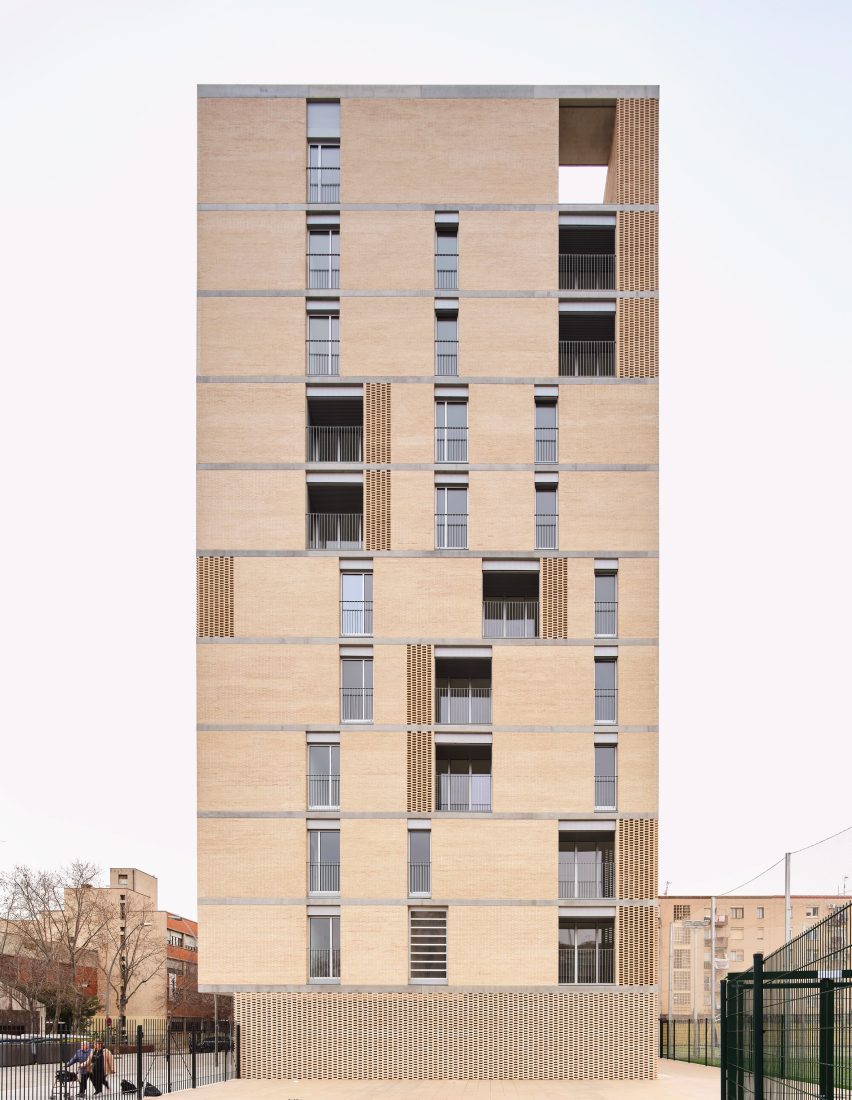
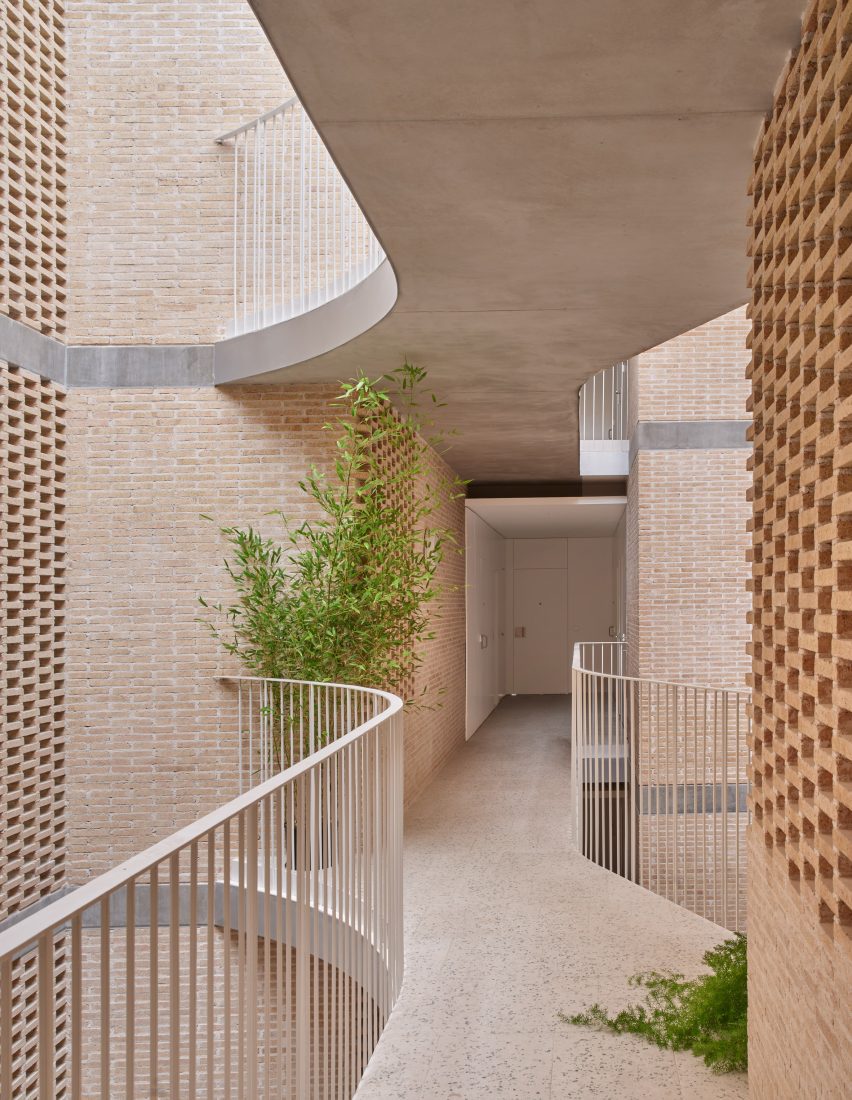
A social housing block in Barcelona designed by Spanish studio Peris+Toral Arquitectes took home the Living Together award, receiving praise for its use of biomass-fired brick across the interior and exterior to help create a comfortable building temperature.
The jury also hailed its social atrium, which connects the homes and their occupants with social spaces.
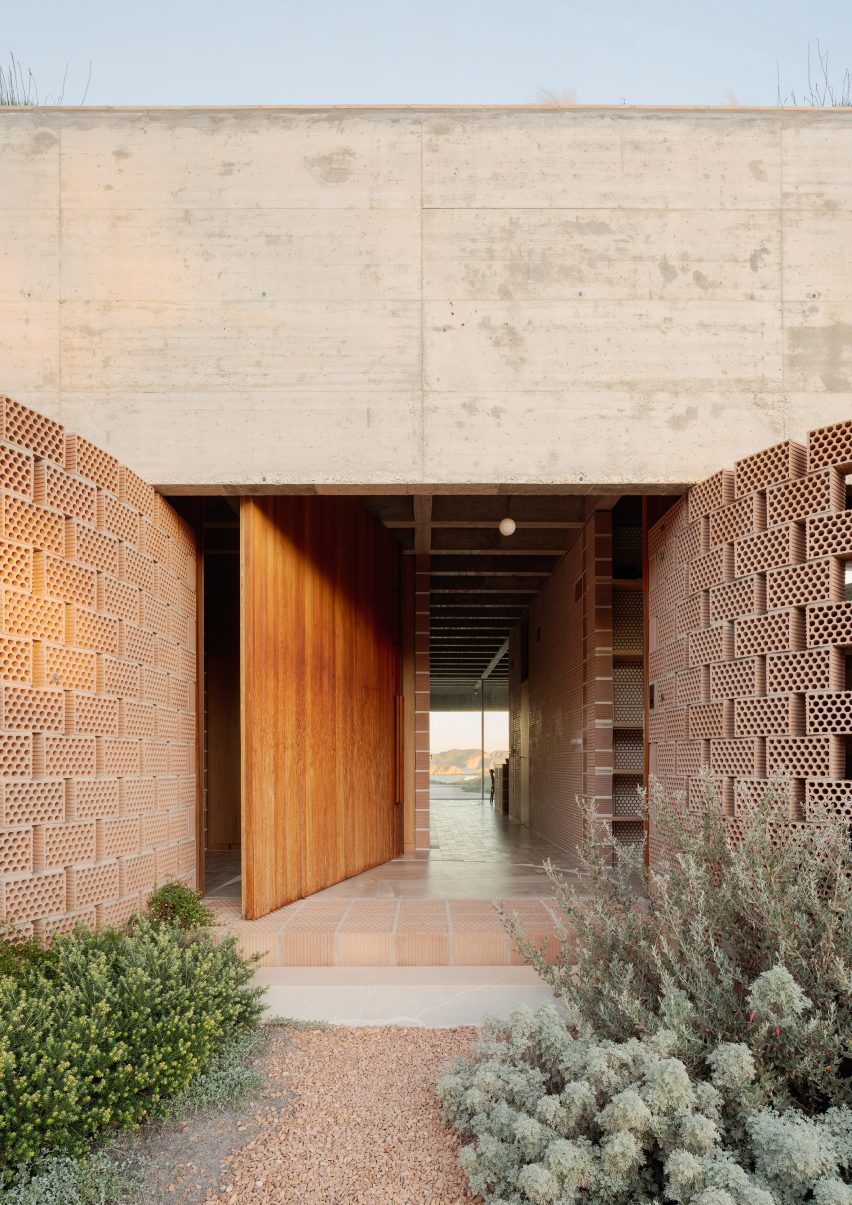
This year's Feeling at Home category was won by an open-plan, cliffside home in Mallorca, named Ca na Birgit.
Designed by Spanish studio Ted'a Arquitectes, it looks out to the sea while maintaining privacy from neighbouring properties thanks to two deep walls on either side.

The final two awards, Building Outside the Box and Working Together, were won by Endless Brick Playground and La Hacienda Jalisco, respectively.
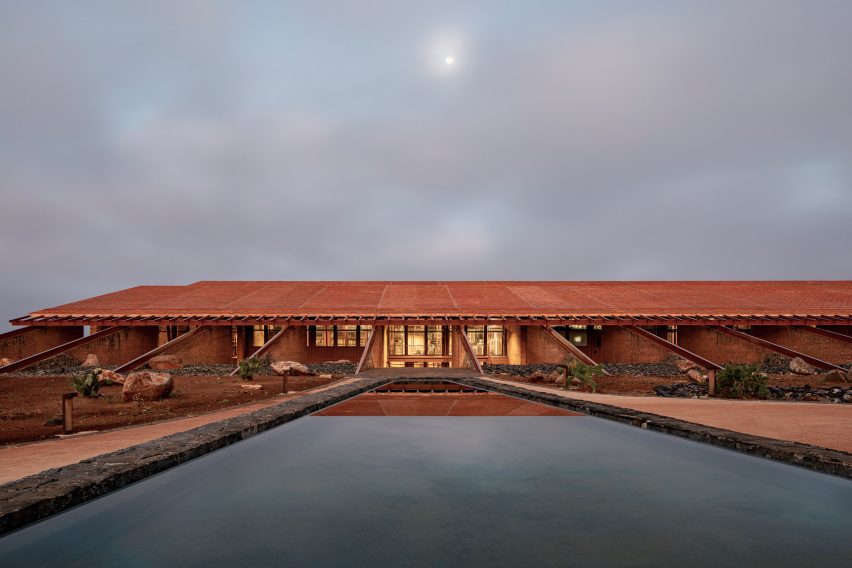
La Hacienda Jalisco is a tequila factory in Mexico designed by local studio Atelier Ars. It was chosen for the prize in recognition of its use of local ceramics and stone, including a traditional clay roof, which the jury said: "physically anchors the building to the earth".
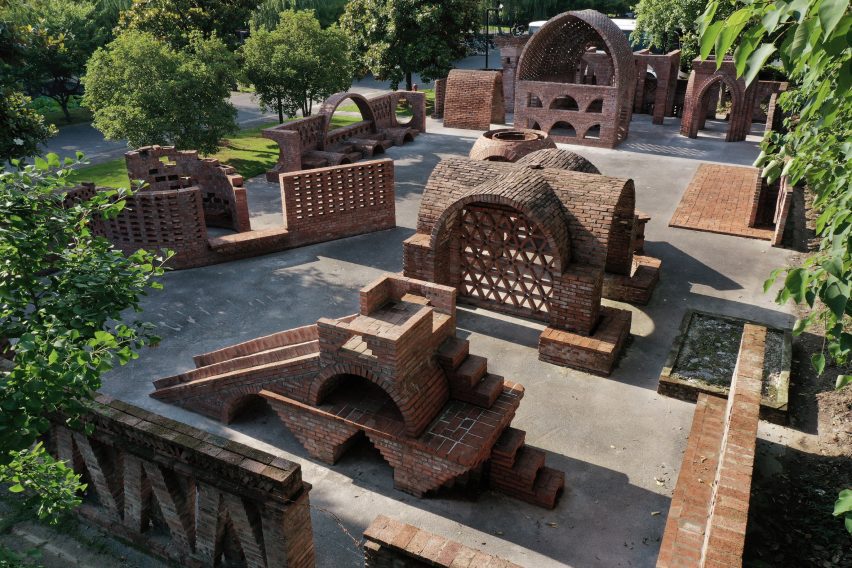
Finally, Endless Brick Playground is a collection of red-brick structures crafted by first-year students at the School of Architecture at China Academy of Art in Hangzhou.
Made by nearly 80 students, the work showed the "myriad possibilities of form and spatial expression" with brick.

The Brick Award 2026 winners were chosen from a shortlist of 50 projects spanning 21 countries.
They were chosen by an international jury including co-founder of Mexican studio Colectivo C733, Gabriela Carrillo, co-founder of Belgian studio Conix RDBM, Christine Conix, co-founder of Spanish studio Hanghar, Eduardo Mediero, co-founder of Danish studio BOGL, Jens Linnet and co-founder of international studio Map Studio, Traudy Pelzel.
According to the panel, it considered "innovative design and architecture concepts, skilful and innovative use of bricks" in its choices, as well as how they addressed issues of sustainability, climate resilience, energy efficiency and affordable living.
All winners received a bespoke ceramic trophy and €5,000 (£4,308). The Grand Prize winner received a total prize money of
€7,000 (£6031). Their work will be showcased in the Brick Book 2026.
To learn more about The Brick Award 2026, visit its website.
The top photo is by César Béjar.
Partnership content
This article was written for Wienerberger as part of a partnership. Find out more about Dezeen partnership content here.