Nokia unveils nostalgic dumbphones with dedicated AI button
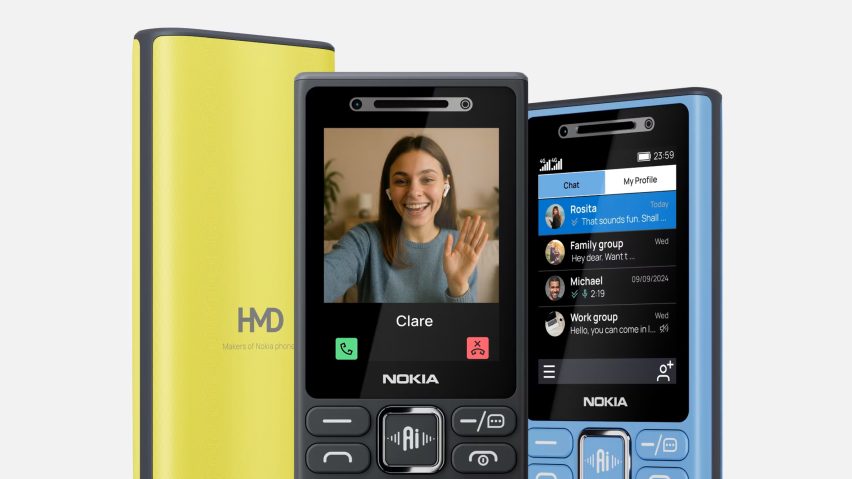
Tech company HMD has launched a range of retro Nokia brick phones with limited internet capabilities and an AI assistant button integrated into the centre of the keypad.
Like many dumbphones, these 4G feature phones were designed to combine the simplicity and affordability of old-school Nokias with a limited set of amenities needed for modern life.
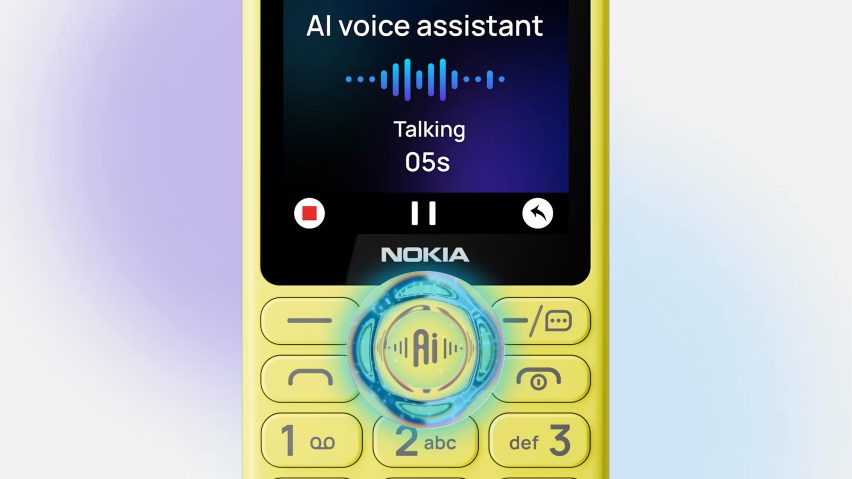
The four latest releases – the Nokia 200 4G, 210 4G, 215 4G 2nd Edition and 235 4G 2nd Edition – all run on a basic browser, but they don't support traditional apps.
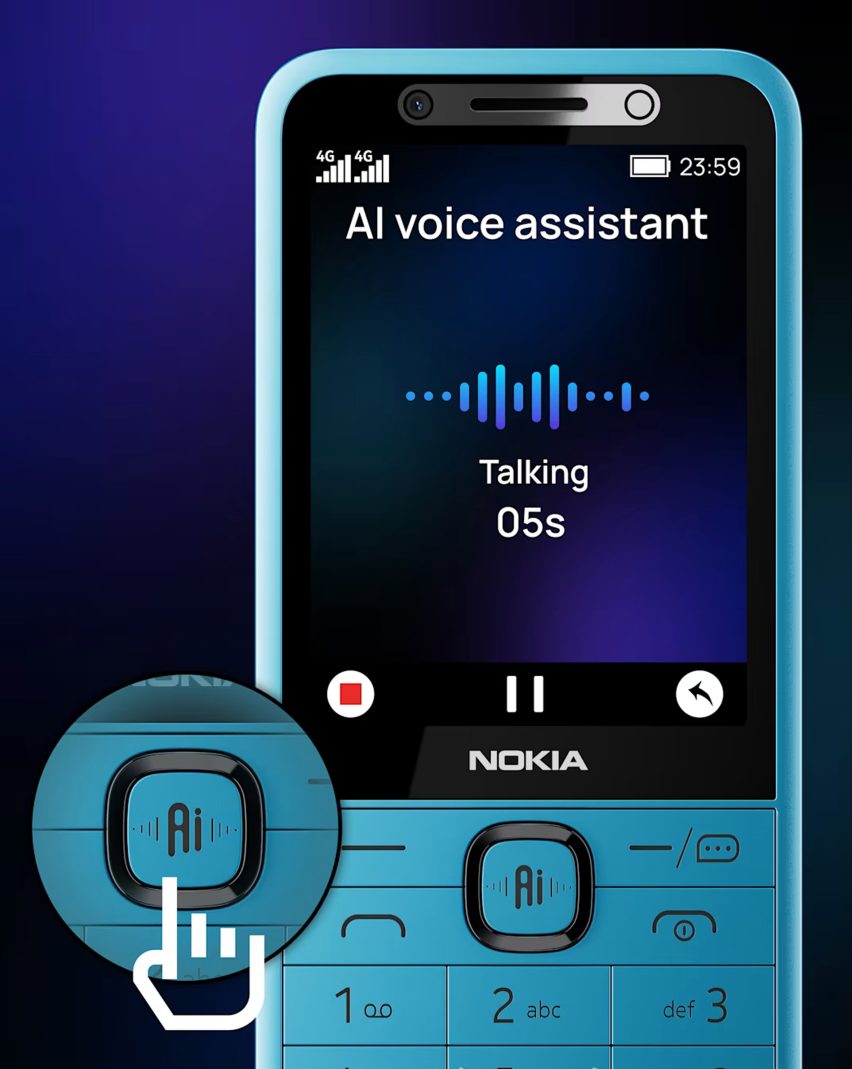
Instead, they feature a large AI button at the centre of the D-pad that can be used to summon a chatbot assistant, powered by Shenzhen company Sikey AI.
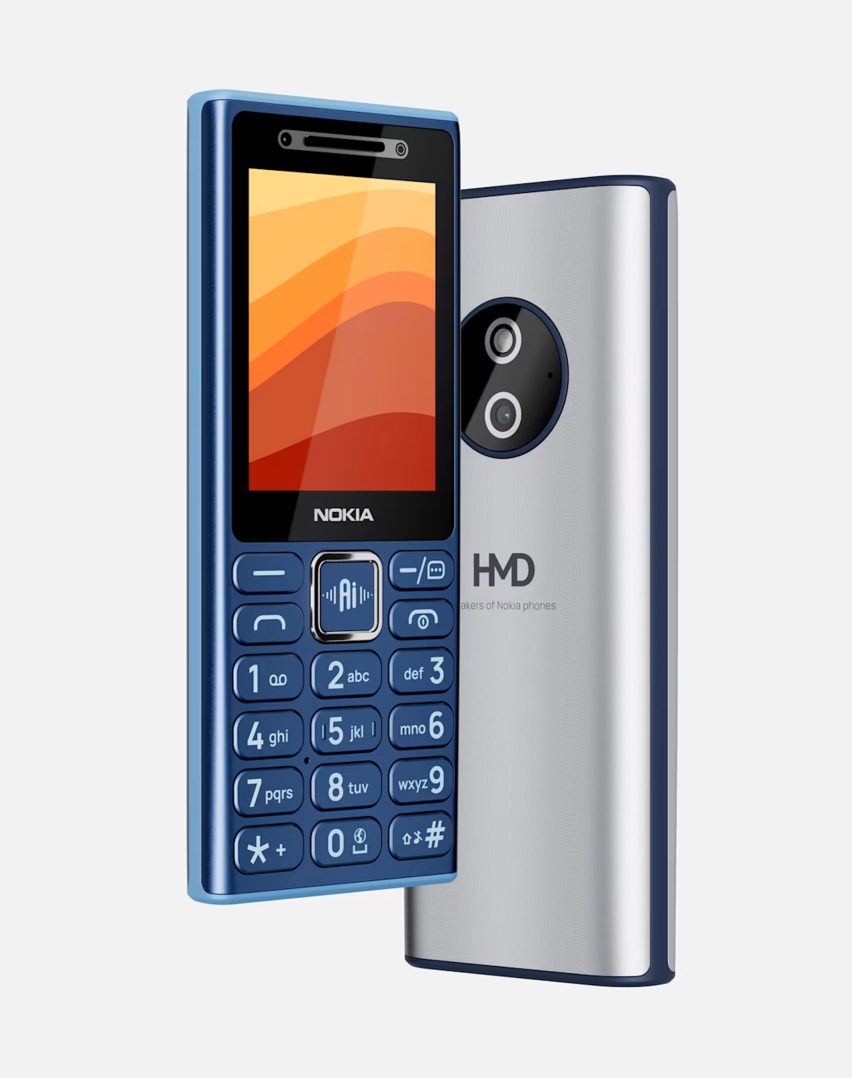
This essentially allows the phone to be voice controlled, so users can perform everyday tasks such as making calls, setting alarms or turning on the torch without having to press multiple keys.
According to HMD, the AI can also answer simple questions, such as sharing basic recipes or useful phrases in a foreign language.
But this functionality is only free for the first 180 days. After that, it will cost around £3 a year in the EU and £2.25 a year in the rest of the world, with a subscription that needs to be activated via a separate smartphone.
The rest of the phone's hardware specs remain largely similar to historic Nokia phones. There's a T9 numerical keyboard, a 3.5 millimetre headphone jack, microSD card support and – on all bar one of the models – an FM radio.
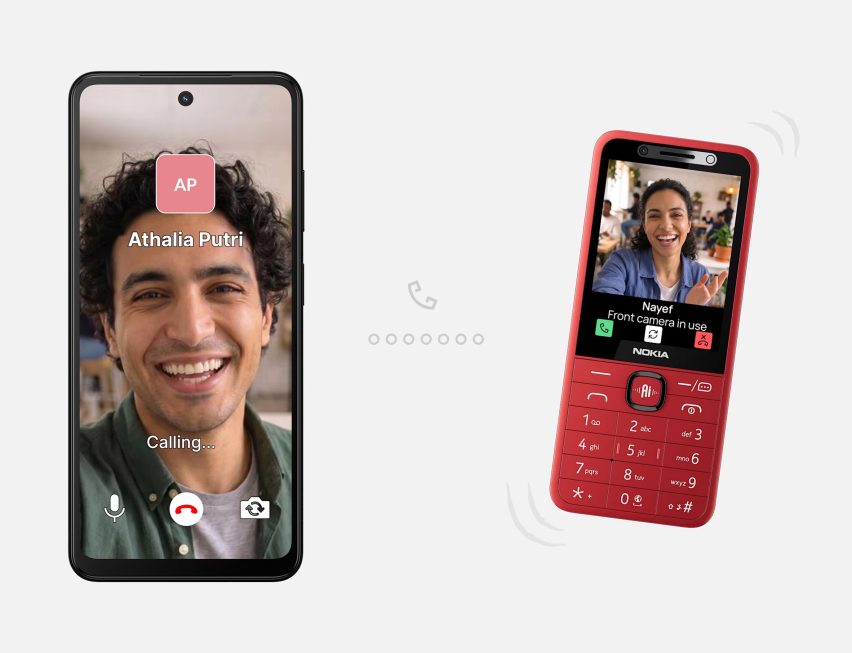
All four models also feature a front-facing camera for making video calls using an app called Xpress chat, which also allows users to join group chats and send voice messages, photos and emojis.
The phones have proven controversial among tech journalists and Reddit users, bemoaning the recent proclivity to slap an AI button on anything.
Adding a chatbot to a dumbphone risks "completely defeating the purpose" for users trying to detox from technology, one reviewer argued.
HMD has not yet shared in which markets the phones will be available. But previous statements from the company have suggested that the phones are aimed primarily at bringing essential digital services to demographics who remain under-served, including the elderly and people in countries with limited or expensive connectivity.
Previous Nokia dumbphones include the 2660 Flip, which Dezeen's contributing editor Rima Sabina Aouf trialled last year alongside three other promising options.
All imagery courtesy of HMD.