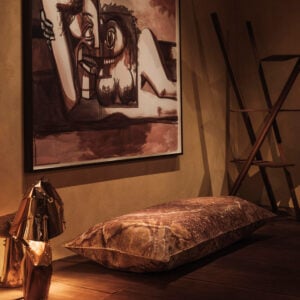
Six rising talents on London’s design scene

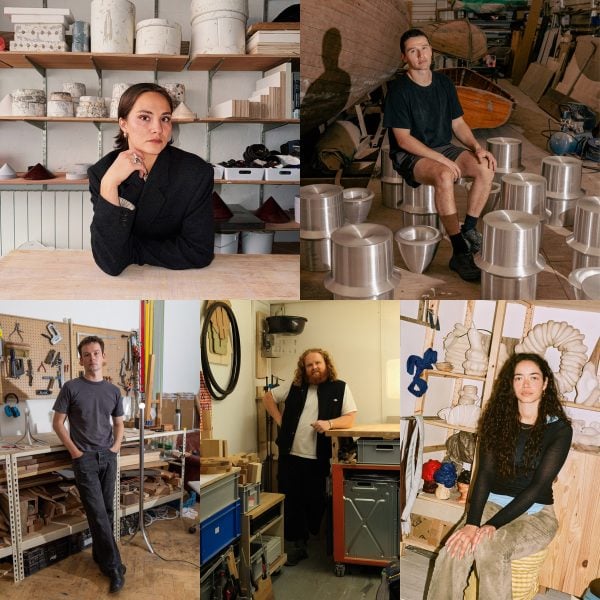
The British capital is bursting with emerging designers casting off convention and doing things their way. Ahead of London Design Festival, here are six names to have on your radar.
Tessa Silva
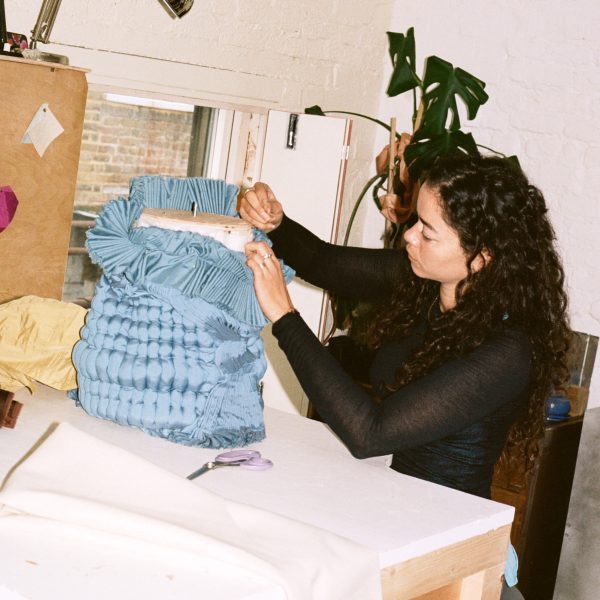
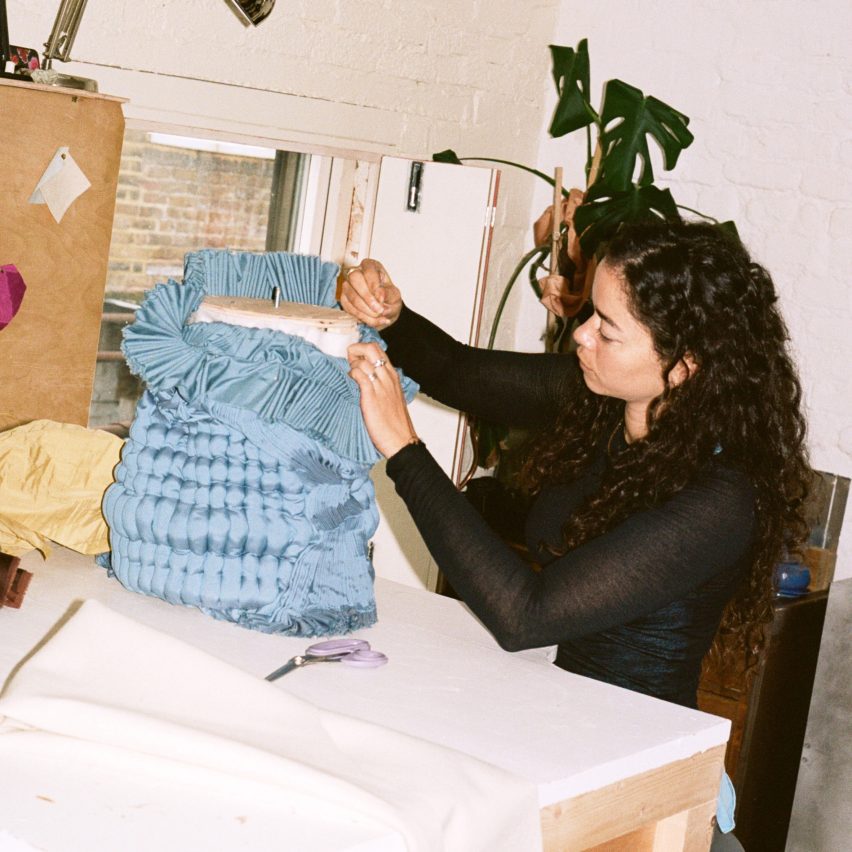
The stitcher: Tessa Silva started her career crafting vases from a clay-like material made from waste skimmed milk and chalk, which she developed over three years and fed through a sausage stuffer to create distinctive lumpy vessels. Asymmetric, swollen forms have been something of a throughline in Silva’s constantly expanding portfolio ever since.
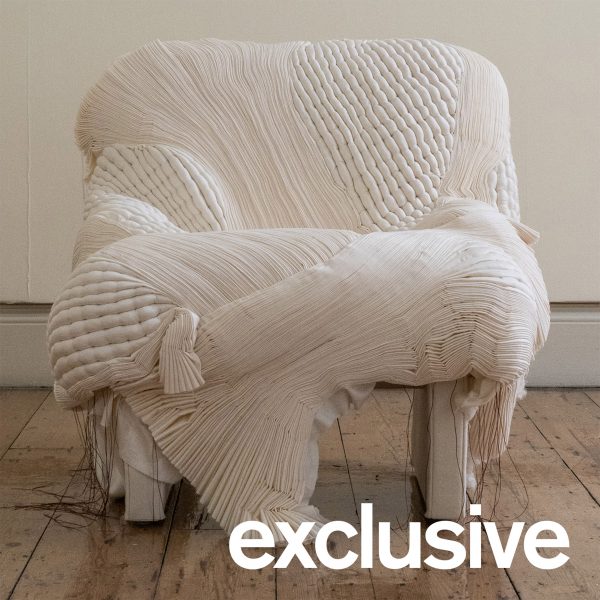
Her current focus is Smock, an ongoing project that involves smocking metres of fabric by hand to create intricately upholstered furniture pieces.
The collection includes a lounge chair made from hand-stitched horsehair and coconut fibres, which caused a stir when it appeared in the Max Radford Gallery presentation at this year’s Collect show at Somerset House.
Silva is once again collaborating with the gallery during LDF as a contributor to its Progressive Permanence exhibition, which is taking place at the Christopher Farr showroom in Shoreditch.
Mitre & Mondays
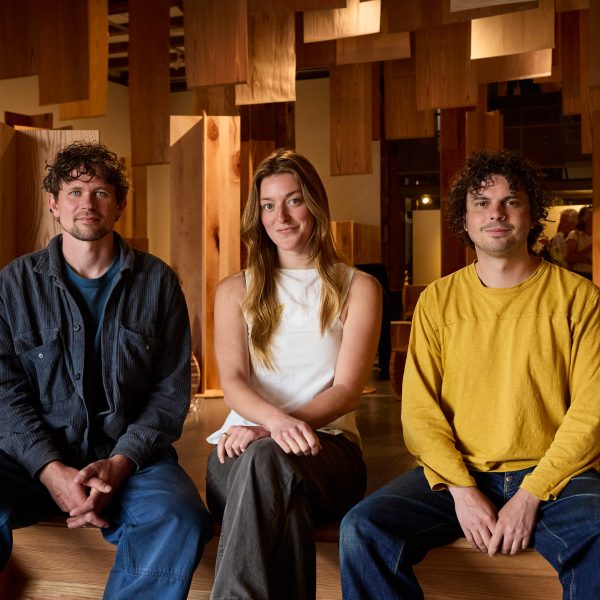
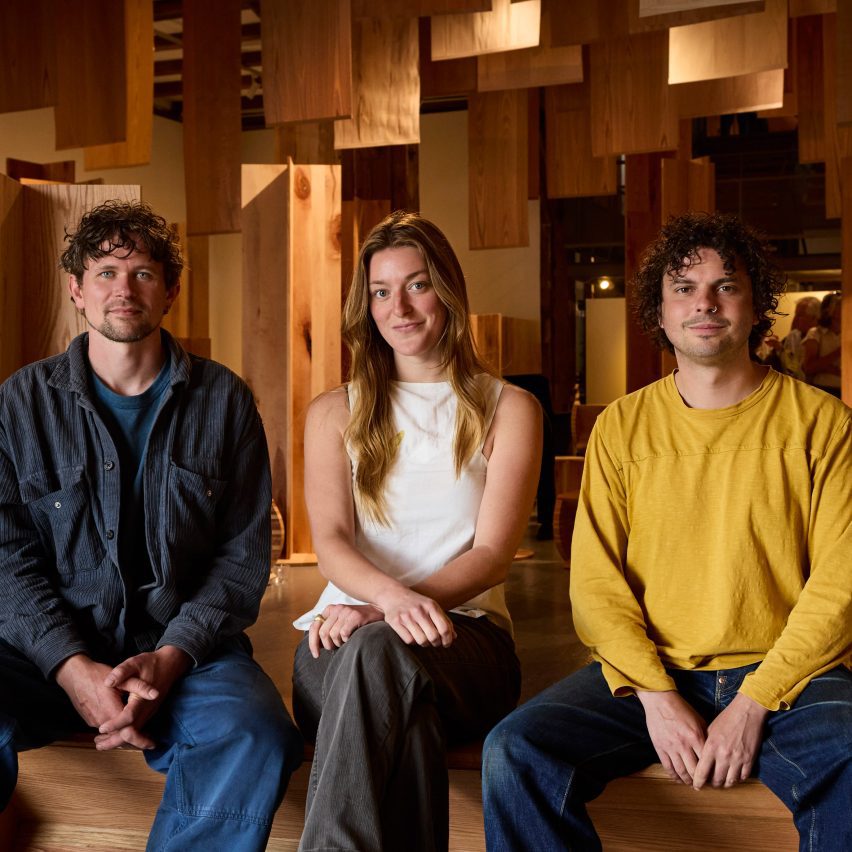
The material geeks: Mitre & Mondays is the brainchild of Freya Bolton, Josef Shanley-Jackson and Finn Thomson, a trio on a simple mission to connect people to the material world around them.
Founded in 2019, the UK’s answer to Formafantasma aims to investigate the broader implications of design, as well as the social and environmental impact of its production.
Mitre & Mondays sees design for disassembly at the centre of its practice, and for LDF has reconstructed its popular Wood for the Trees exhibition at the Shoreditch Tab Centre.
The studio is also responsible for the scenography of the Design Museum‘s new Mineral exhibition, made entirely from “reusable, reconfigurable or borrowed” materials – mostly stone offcuts from a Lincolnshire quarry.
Georgia Merritt
The trompe-l’œil painter: After finishing her degree in fine art at Goldsmiths in 2020 and struggling to find work, Georgia Merritt completed a gilding apprenticeship – an experience that armed her with a knack for the most granular of painting techniques.
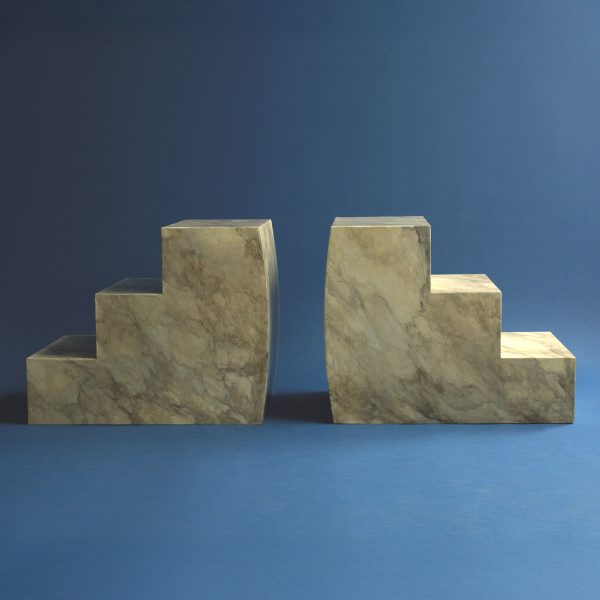
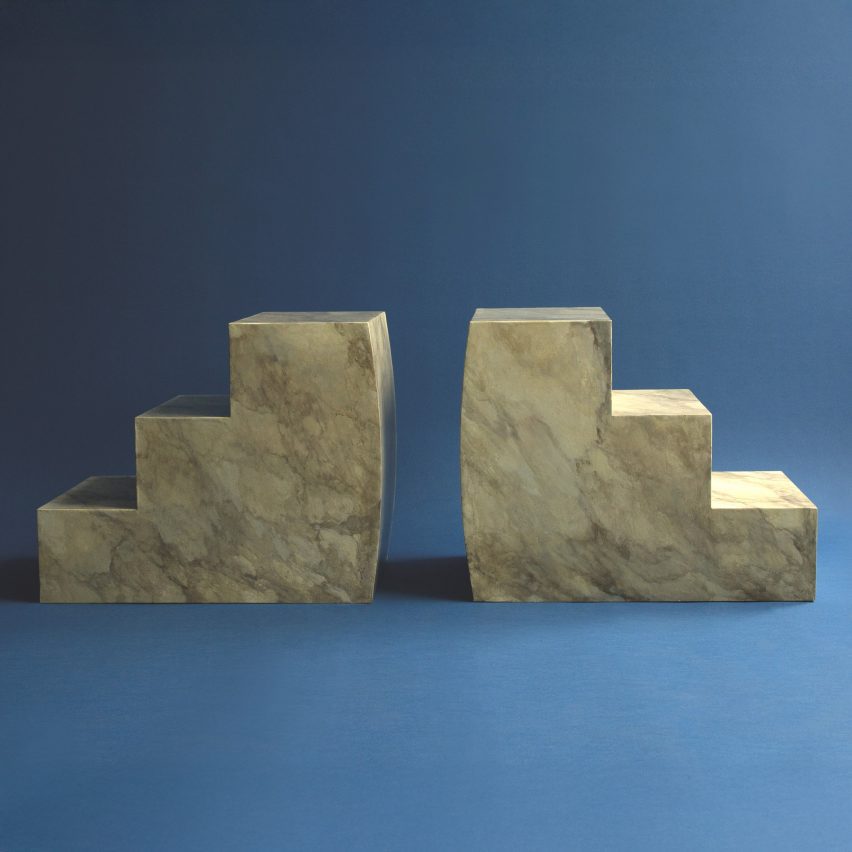
As a designer, Merritt draws on this experience to create trompe l’œil faux marble furniture made of fibreboard, which she hand-paints and glazes to look like smooth, veiny stone.
The strength of Merritt’s technique lies in her ability to use a more sustainable, wood-based product instead of actual stone, while maintaining a beautifully realistic marbled finish.
Ralph Parks
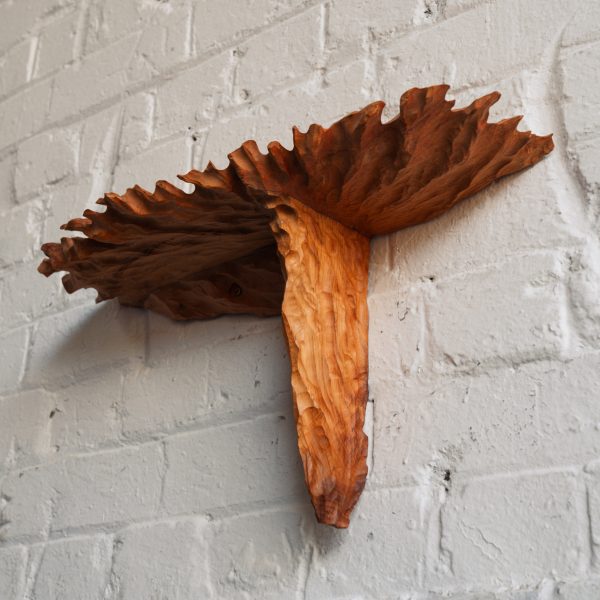
The self-taught carpenter: Ralph Parks has described the smoothed ashwood composition of his Rhine by Night standing cabinet as reminiscent of something fossilised or aged underwater over decades.
This poetic approach is typical of the designer, a self-taught carpenter with a penchant for inverting historic and religious motifs in his alternative timber pieces, including a curved armchair inspired by a Romanesque church.
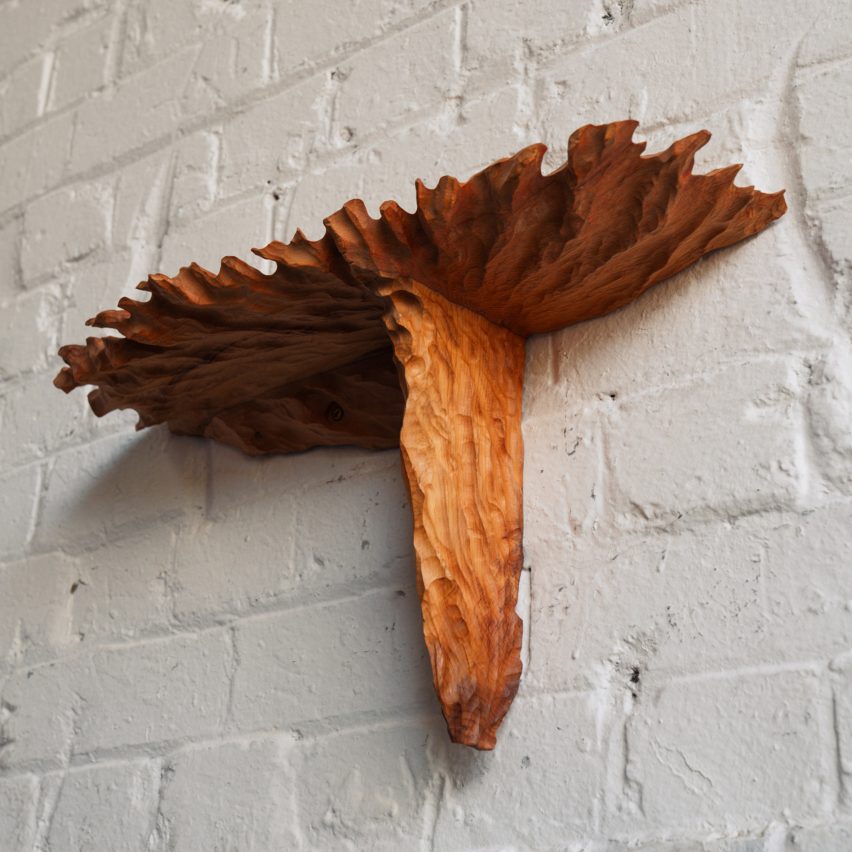
Parks recently found an abandoned piece of unidentified wood and chipped away at it until he had produced a wall-mounted shelf with the undulating quality of an untreated tree branch, which was designed to hold keys or trinkets. His curiosity about what can be done with discarded timber shows no sign of slowing down.
Lewis Kemmenoe
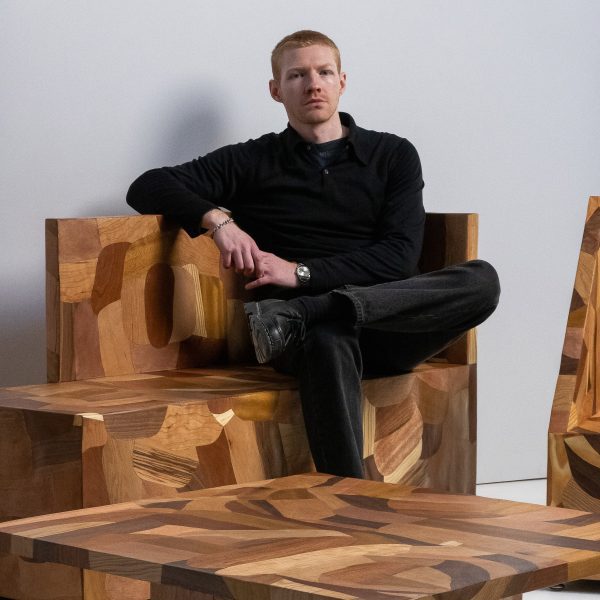
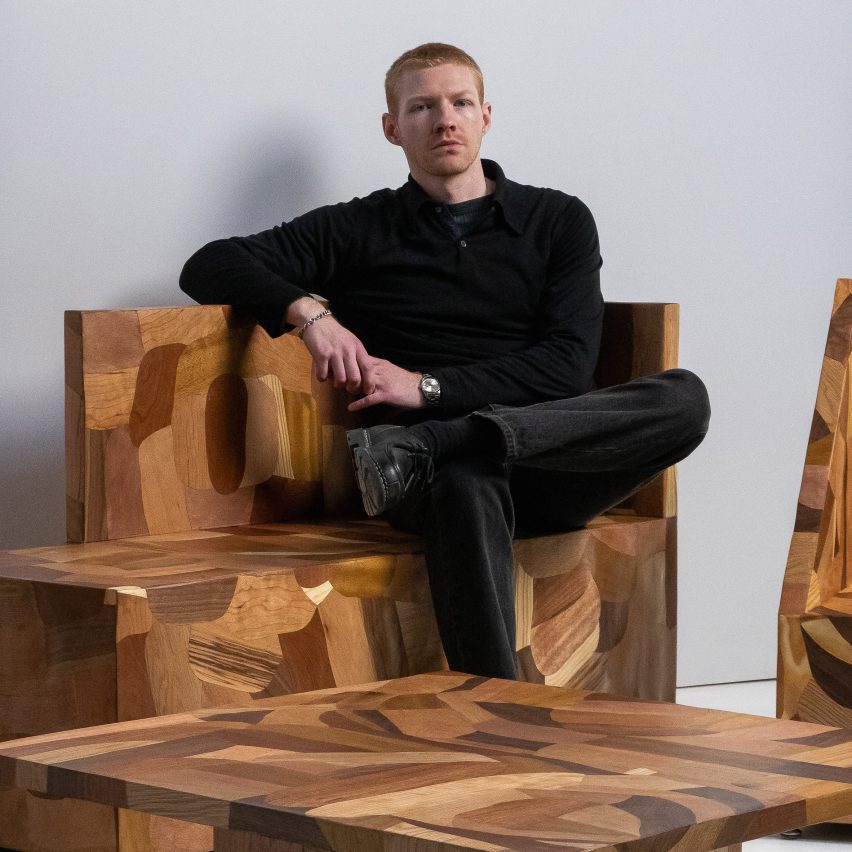
The hardcore patchworker: Countless pieces of timber furniture have flooded the design world in recent years, but few craftspeople have managed to put such an instantly recognisable stamp on their creations as Lewis Kemmenoe.
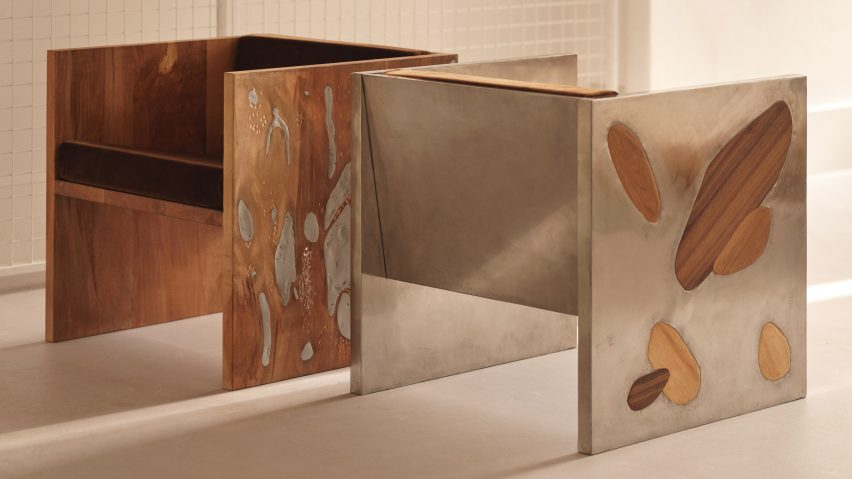
The designer painstakingly collages slabs of wood together to achieve beautifully patchworked pieces, from neatly formed chairs to layered cabinets and bookshelves. He also applies the technique to metals including copper and aluminium, creating similar pieces of furniture that bear his quilt-like design language.
Barnaby Lewis
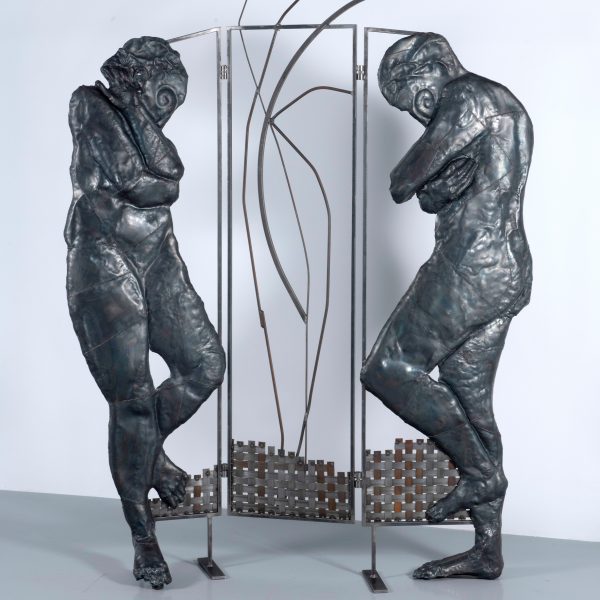
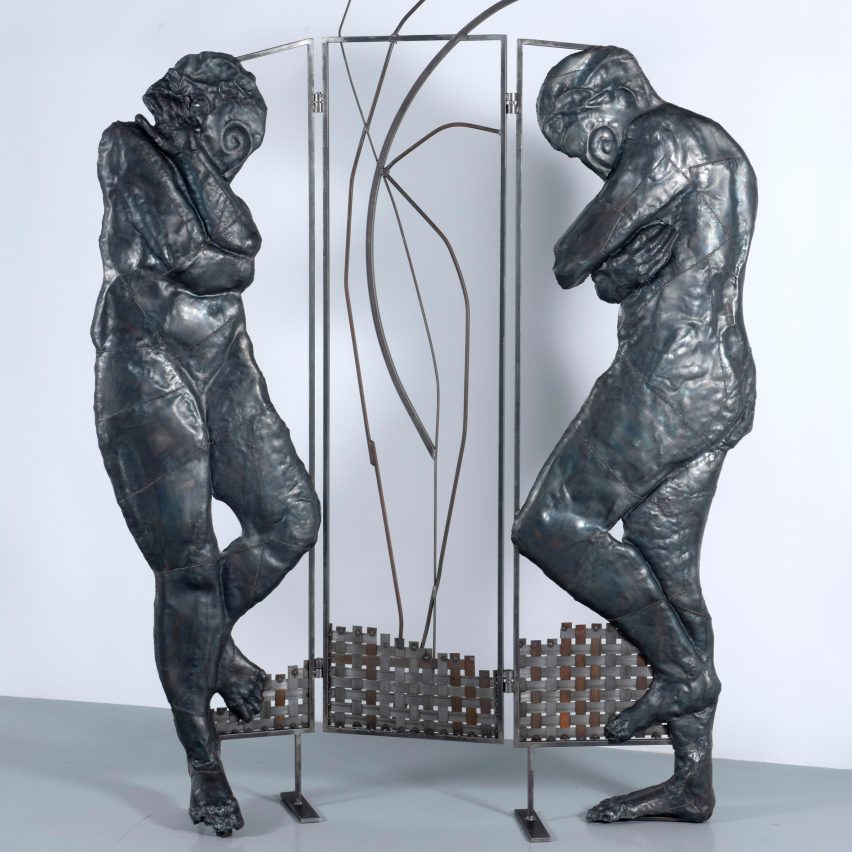
The blacksmith: Barnaby Lewis earned his stripes as a carpenter before realising he was far more drawn to working with steel. His back catalogue of collectible design has ranged from a gothic-style desk with spindly legs to room dividers adorned with abstract figures, moons and stars.
At this year’s LDF, Lewis is presenting work in Brompton Design District as part of the second-ever Studio Iron show, the interdisciplinary design gallery set up by artist Isamaya Ffrench. When he’s not conceiving intricate furniture, the blacksmith can be found patching up cars or solving whatever local steel-based puzzles he can get his hands on.
This article was originally written for the Dezeen Dispatch magazine at LDF 2026. Read an online version of the magazine here.
LDF 2026 is taking place at various locations around the city from 12 to 20 September. To see what’s on, visit Dezeen Events Guide.
Read more
Recommended stories
Our favourite products from London Design Festival 2025
How craft conquered design
Max Radford Gallery presents furniture by emerging designers at Collect 2026
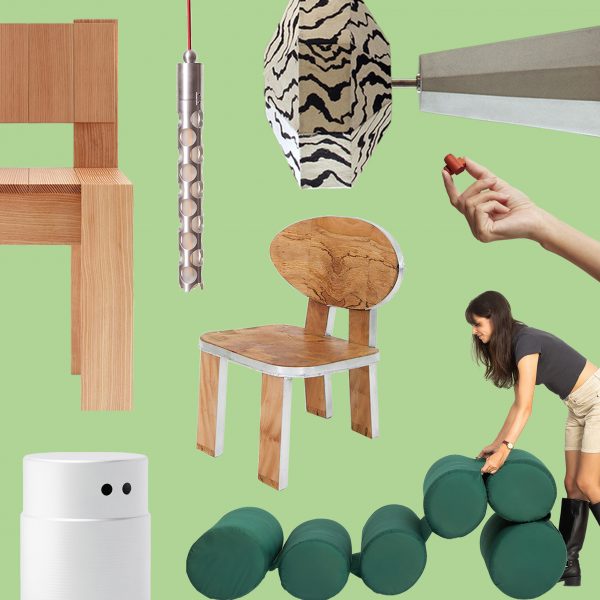
Twelve emerging designers who stole the show at London Design Festival
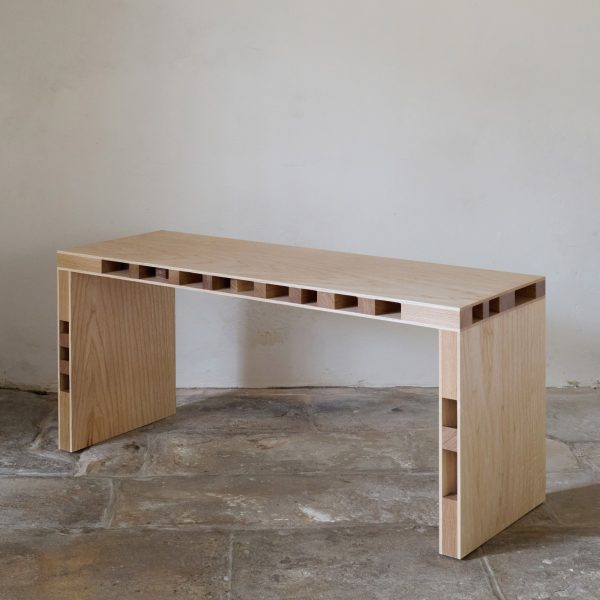
Seven savvy pieces from London Design Festival made of material offcuts
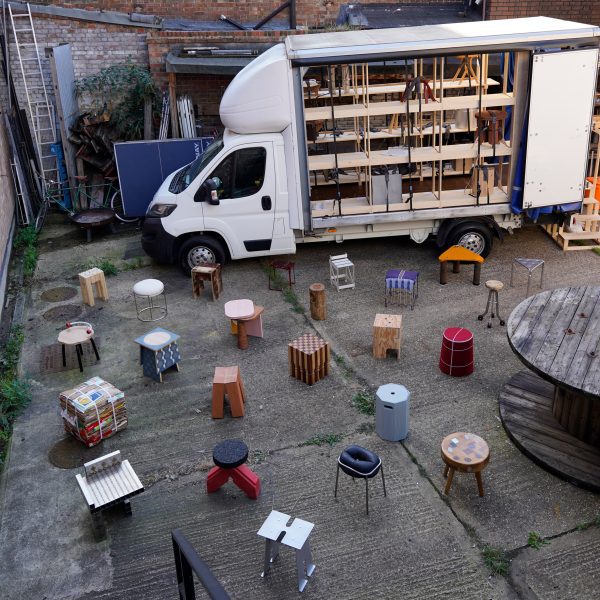
Five galleries injecting renewed energy into the London design scene
How London designers are making it work