


Dezeen's editorial team has been trawling design weeks across Europe this month to seek out some of the best new furniture and lighting. Below, we've compiled ten favourites from London Design Festival, Helsinki Design Week, Currents and beyond.

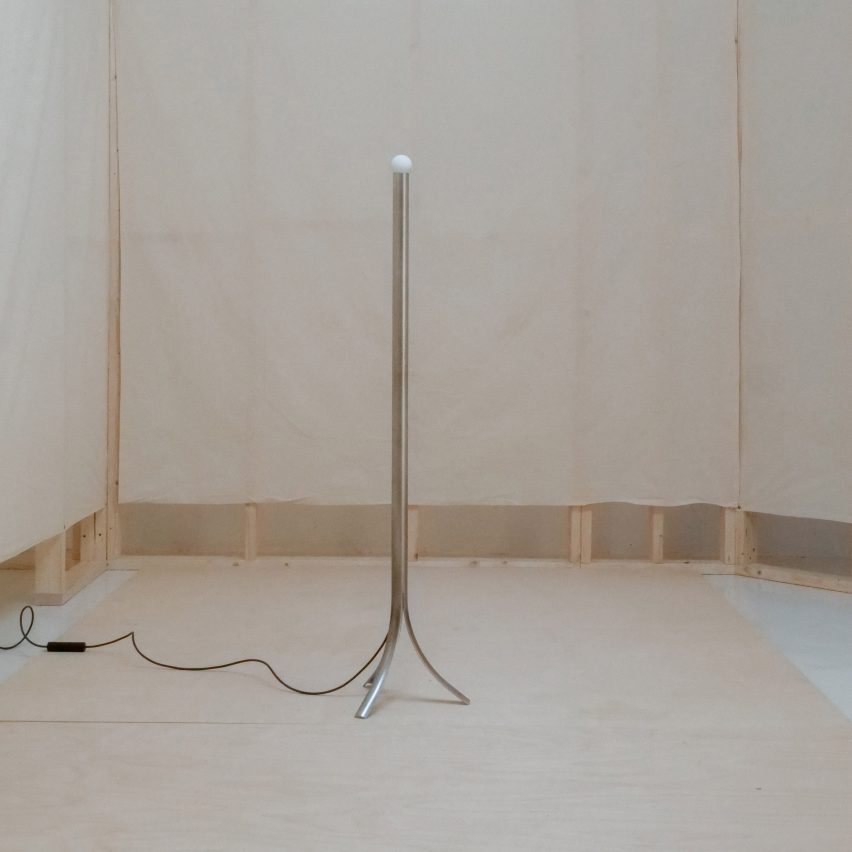
Split Lamp by Jake Robertson
chosen by Amy Frearson, editor-at-large
"The wealth of design talent in London was made clear in the LDF exhibition With Limitations, hosted by London retailer Aram and design collective Design Everything, which featured objects by over 100 designers.
"A fruit-inspired floor lamp by Jake Robertson was one of the standouts. The Manchester-born designer realised that, by make three slices in the based of aluminium pipe, he could split it open like a banana peel to form a stand.
"A light bulb screws in the top of the top, resulting in a product made from very few materials and with zero waste."
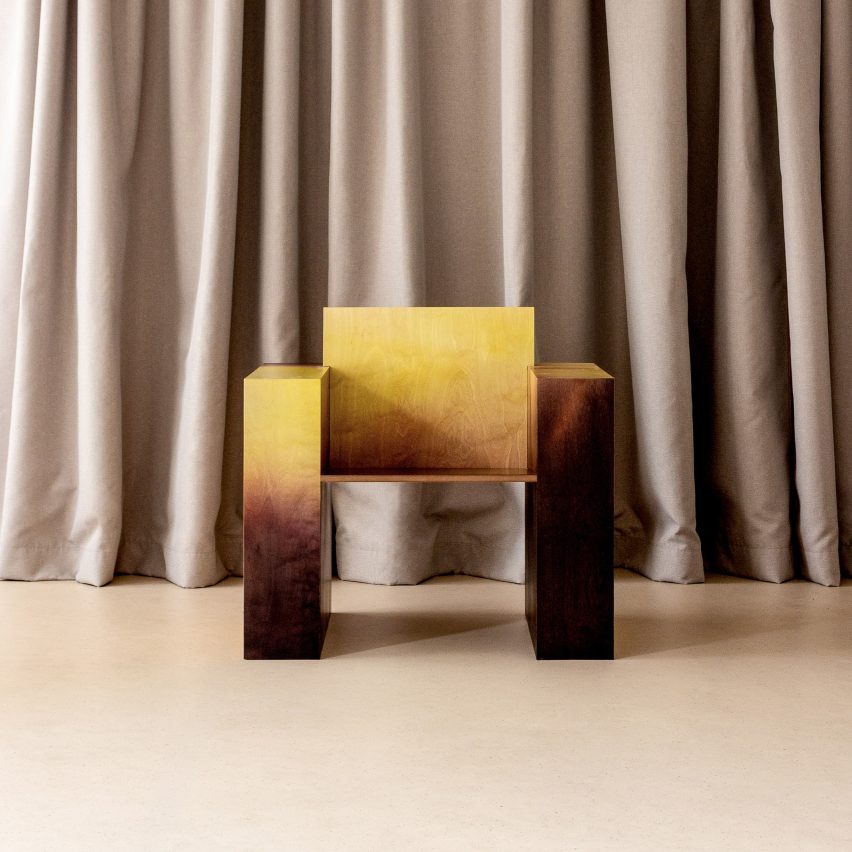
Tilo chair by Llot Llov
chosen by Jennifer Hahn, design and environment editor
"There was an embarrassment of riches to be found at the 20th anniversary exhibition of Llot Llov, the institutional Berlin design studio run by Ania Bauer and Jacob Brinck.
"In a former 1900s window blind factory, which opened to the public for the first time in decades as part of Berlin's newly launched Currents festival, the duo showed off its Throw lamps with drape-it-yourself shades as well as wood-veneer furniture with psychedelic patterns created by salt.
"A personal favourite was the Tilo chair, made using a newly developed technique that involves blasting liquid pigments at wood and allowing them to diffuse naturally across the fibre like inkblots on paper."
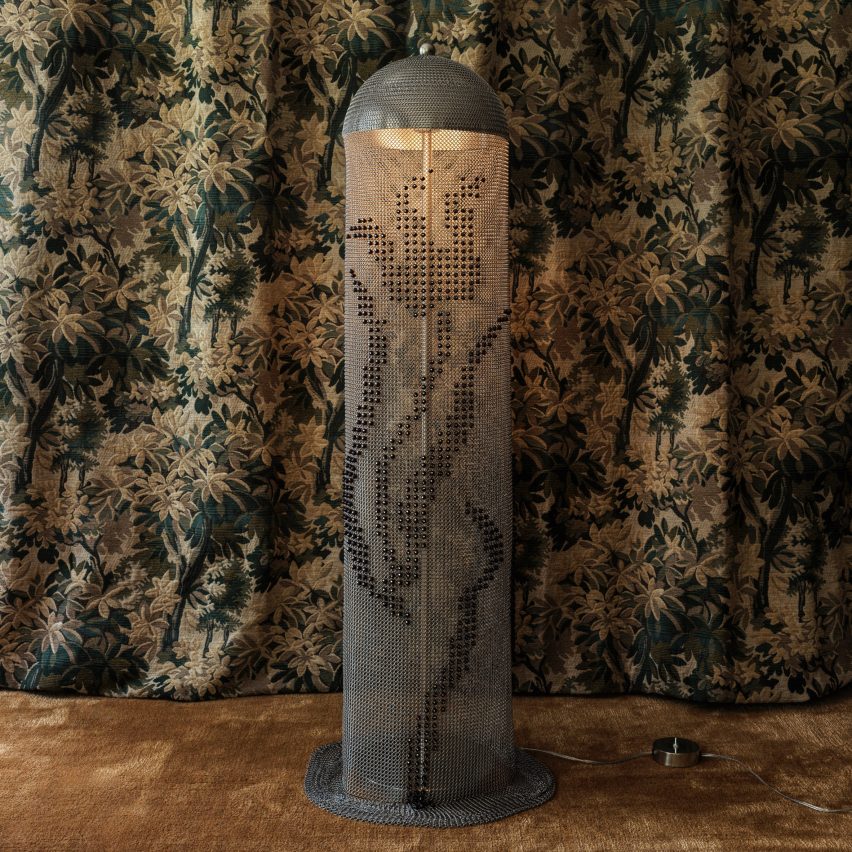
Floor lamp by Wretched Flowers
chosen by Jane Englefield, design and interiors reporter
"New York designers Loney Abrams and Johnny Stanish are partners in work and life at the helm of their emerging studio, Wretched Flowers.
"The designers split their practice between making lamps and mirrors out of sharp, interlocking fragments of laser-cut metal; and beautifully textured lighting and wallhangings crafted from stainless steel chainmail, woven to reflect the style of American folk art tapestries.
"Among their distinctive pieces is this floor lamp, which was presented as part of the Studio Iron exhibition during London Design Festival (LDF).
"Shaped like an elongated version of Verner Panton's iconic 1968 Flowerpot lamp, the design was cloaked in the studio's distinctively woven chainmail and tapestried with a delicate selection of hand-beaded glass and gemstones. The result is a striking piece of lighting that looks as if it's been decked out in a unique style of bejewelled armour."
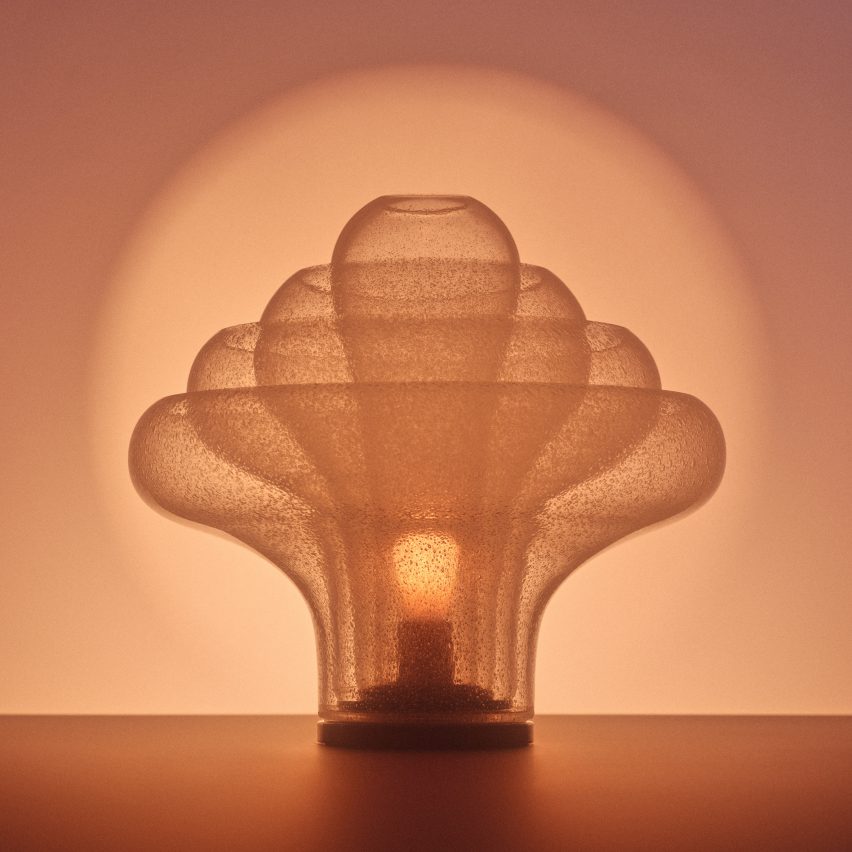
Lotus Table Lamp by Carlo Nason for Gubi
chosen by Jane Englefield, design and interiors reporter
"Danish brand Gubi has reissued the Lotus Table Lamp, a mouth-blown Murano glass masterpiece originally conceived by the late Venetian designer Carlo Nason in 1969.
"Loosely shaped like the upward curving petals of a lotus flower, the lamp shade is formed from individually blown pieces of glass supported by an internal chrome-plated steel structure.
"Nason was considered a pioneer of his time, who established his reputation by rebelling against Murano traditions, despite being born into one of Murano's oldest glassmaking families.
"This is evident in Lotus, which features the 'pulegoso' method developed in the 1920s, which involves small air bubbles being blown into glass to create a distinctively speckled, semi-opaque finish that gives the bulb an extra warm glow."
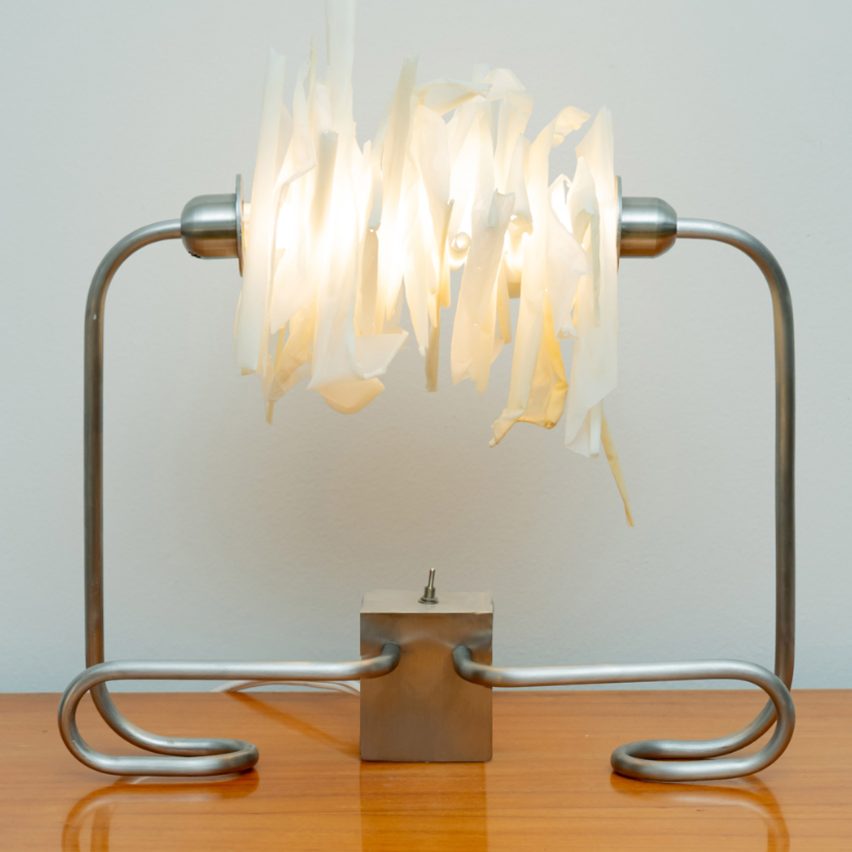
Membrana lamp by Valeria Montero
chosen by Jennifer Hahn, design and environment editor
"To make the pre-Hispanic dish of mixiote, meat is marinated in a parcel that looks like baking paper but is actually a thin membrane peeled from the inside of an agave leaf.
"One day, while eating the dish, Mexican industrial designer Valeria Montero realised that the material's transparency and resilience would make it equally suited to diffusing light – and born was the Membrana lamp.
"Instead of taming them into submission, the leaves are simply stacked together to create a gloriously spiky lampshade that contrasts with the precise lines of the stainless steel base.
"At LDF, the original lamp (above) could be seen alongside a new vertical version, created especially for the Village Meeting group show organised by East London studio All Ears, which turned out to be one of the highlights of the festival."
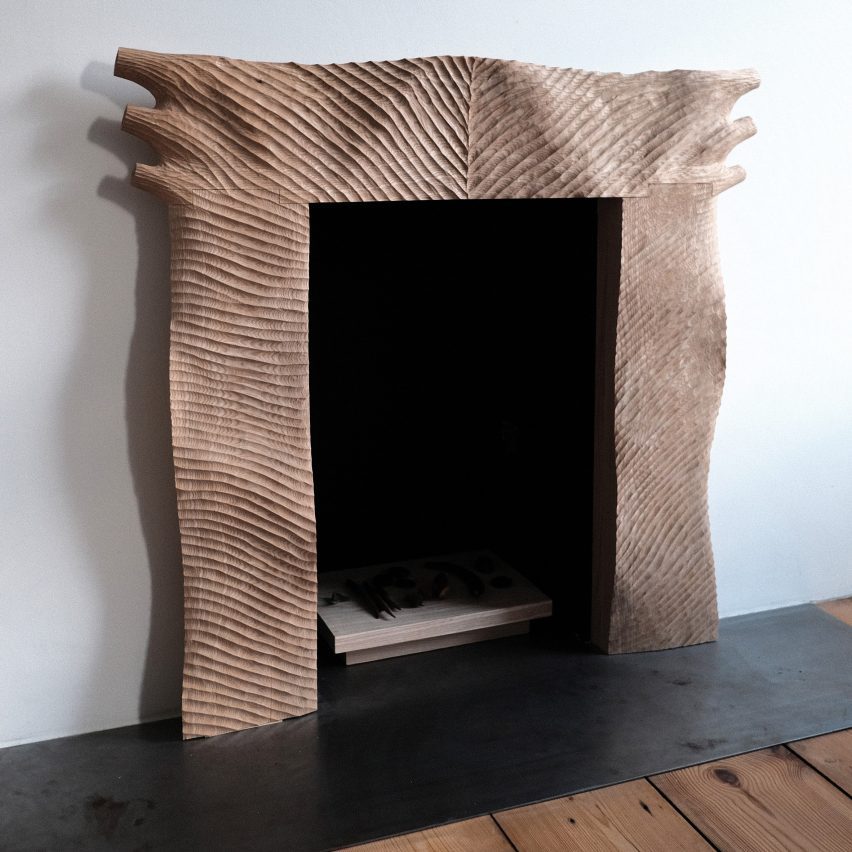
Portal of Seedlings by Filippo Muzi Falconi
chosen by Jane Englefield, design and interiors reporter
"Italian-born, London-based artist Filippo Muzi Falconi transformed a disused domestic fireplace with the insertion of a ribbed wood mantelpiece.
"Muzi Falconi constructed the decorative shelf out of hollowed, rough-sawn pieces of white ash, which were planed and assembled with shouldered dovetail joints.
"The artist then used gouges to hand-sculpt the mantelpiece's pleasingly wave-like patterns that amplify the timber's naturally varied grain.
"Called Portal of Seedlings, the project is a beautifully creative way to transform a formerly defunct interior feature. The mantelpiece is among the 34-strong shortlist of buildings, furniture and objects nominated for a 2026 Wood Award."
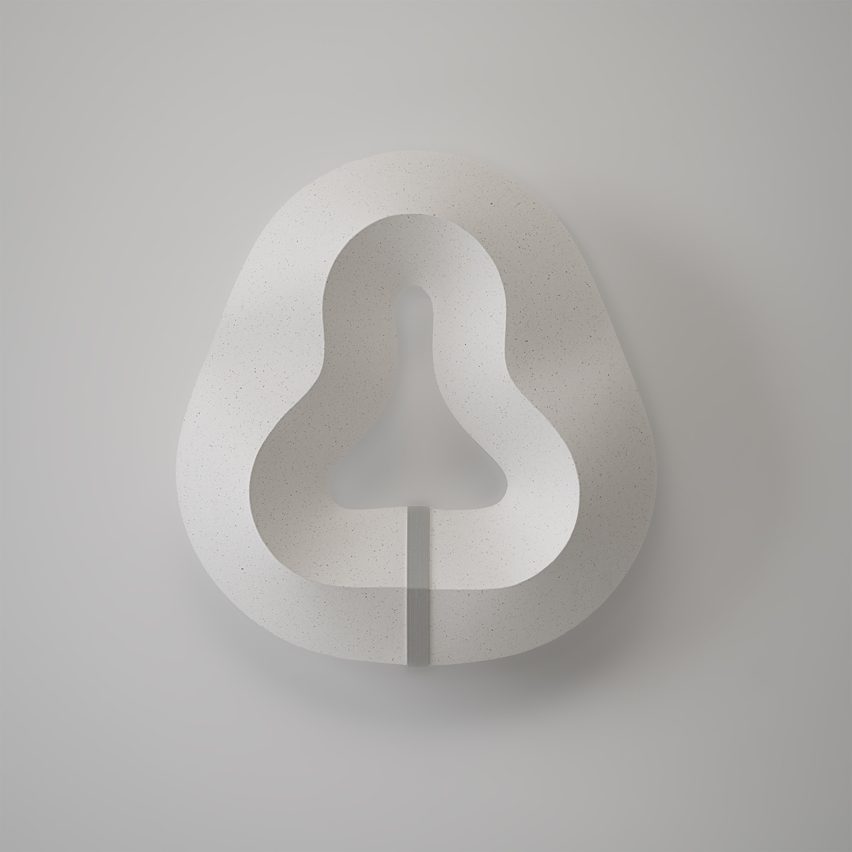
Tracks lamps by WINT Design Lab
chosen by Jennifer Hahn, design and environment editor
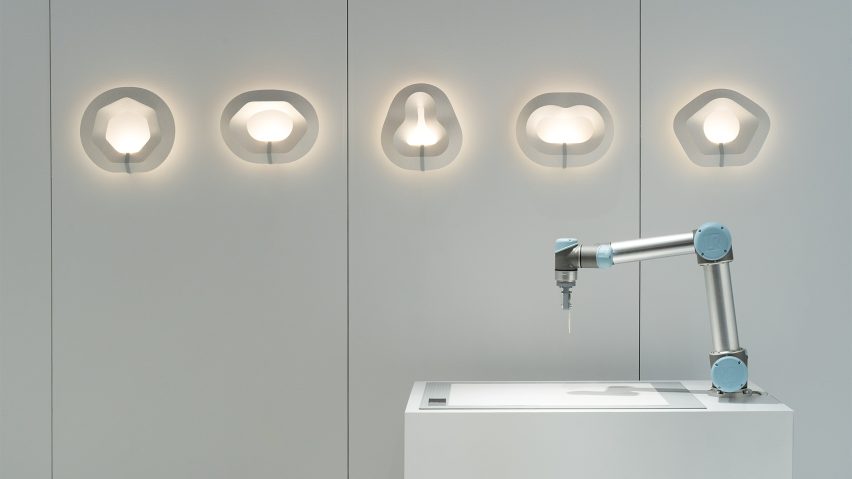
"From its workshop in Berlin's defunct 1970s Tegel Airport, WINT Design Lab has proven that robots can do origami.
"Or more specifically, they can cut and score intricate patterns into paper, which can then simply be folded by humans to create the Tracks lampshades (top and above).
"Studio founders Felix Rasehorn and Robin Hoske, who showed the lights as part of the Seetech exhibition at Berlin design festival Currents, say the robotic fabrication enables on-demand production with every shade cut to order in a matter of minutes.
"But to me, the most impressive thing is how it underlines the ability of humble paper to bend light and shadow to its will."

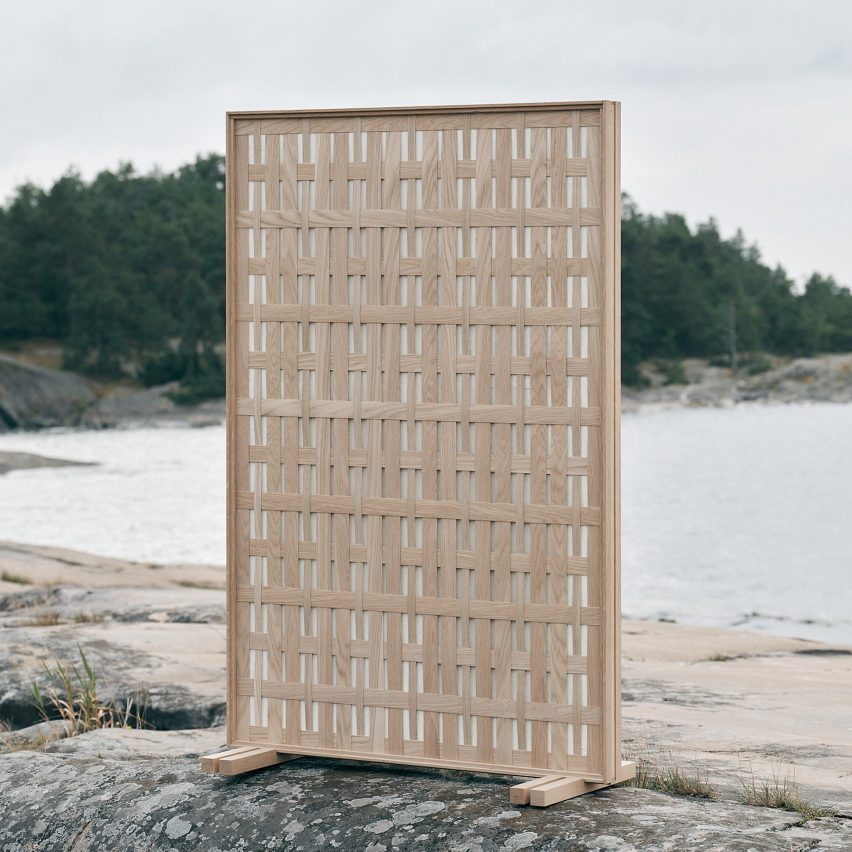
Tynne acoustic screen by Sistema for Niimaar
chosen by Nat Barker, features editor
"Launched this month at Helsinki design fair Habitare, the Tynne acoustic screen combines two of Finland's favourite things: wood weaving and silence.
"Marketed as suitable for dividing spaces in residential, hospitality and office settings, it was designed by interior architecture studio Sistem for circular design company Niimaar.
"In a partnership facilitated by the Finnish innovation agency Sitra, the product uses strips of oak sourced as leftovers from Finnish luxury sailboat maker Swan. It's made entirely in Finland, with wood-fibre acoustic filling from Aisti."
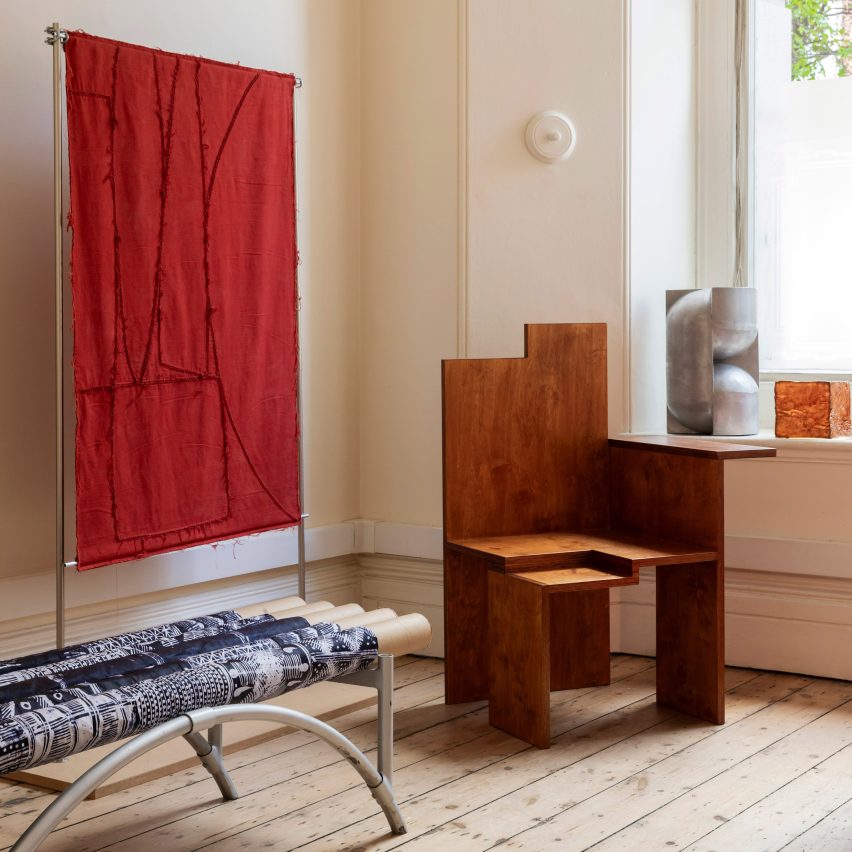
Bad Posture Chair by Mara Bragagnolo
chosen by Cajsa Carlson, editor
"If there are two things I like, it's all-wood furniture and geometrical, almost brutalist shapes, and designer Mara Bragagnolo combined both these things in her monolithic, aptly named Bad Posture Chair.
"Shown as part of the You Can Sit With Us exhibition curated by design duo 2LG, the chair was designed to draw attention to the fact that many people – especially neurodivergent people – sit in ways that aren't supported by traditional seating.
"Bragagnolo created three chairs in total, one of which was shown during Shoreditch Design Week, designed to adapt to the recurring ways in which people sit.
"It may not look super comfortable, but its sculptural shape and sleek lines definitely made me want to take a seat."
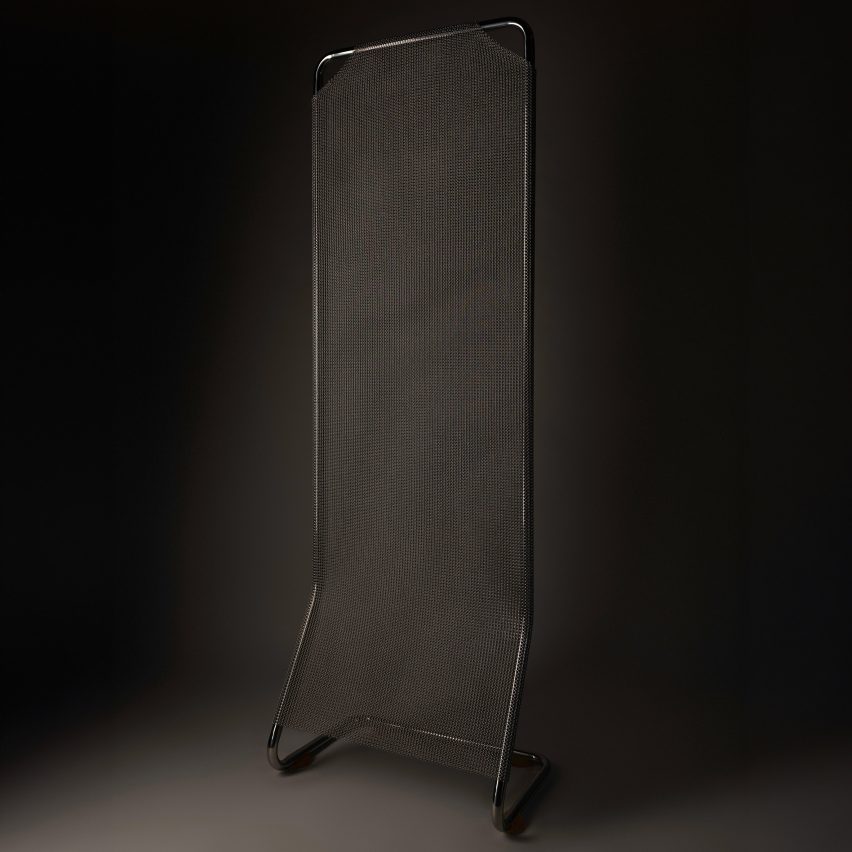
Maille by EJM Studio for Collate Lobby
chosen by Amy Frearson, editor-at-large
"Chainmail seemed to be the material of the moment during this year's London Design Festival, with a few examples of this steel mesh on show across town.
"While most were fairly decorative, I was particularly impressed with how Edward Milton of London-based EJM Studio had found a more versatile use for this intricate metal cloth – as a minimalist partition screen.
"Launched as part of the debut collection from new editions label Collate Lobby, Maille is structured by a polished stainless steel frame. The chainmail slips over this frame like an off-the-shoulder dress, with just enough give that it flexes lightly when touched."