"People need to be able to afford to adapt to climate change" says architect founder of Shaded
London architect Aimée Daniels has invented an awning system that sold out multiple times this summer. In this interview, she argues the UK needs to get on board with the power of shading.
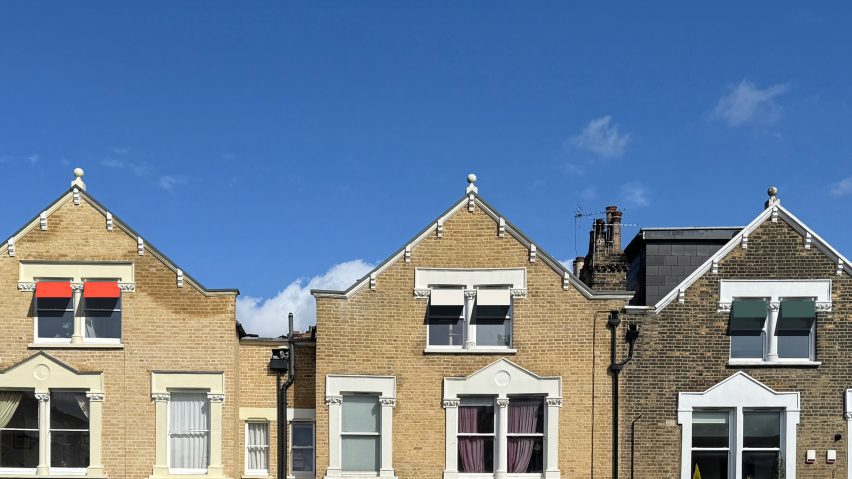
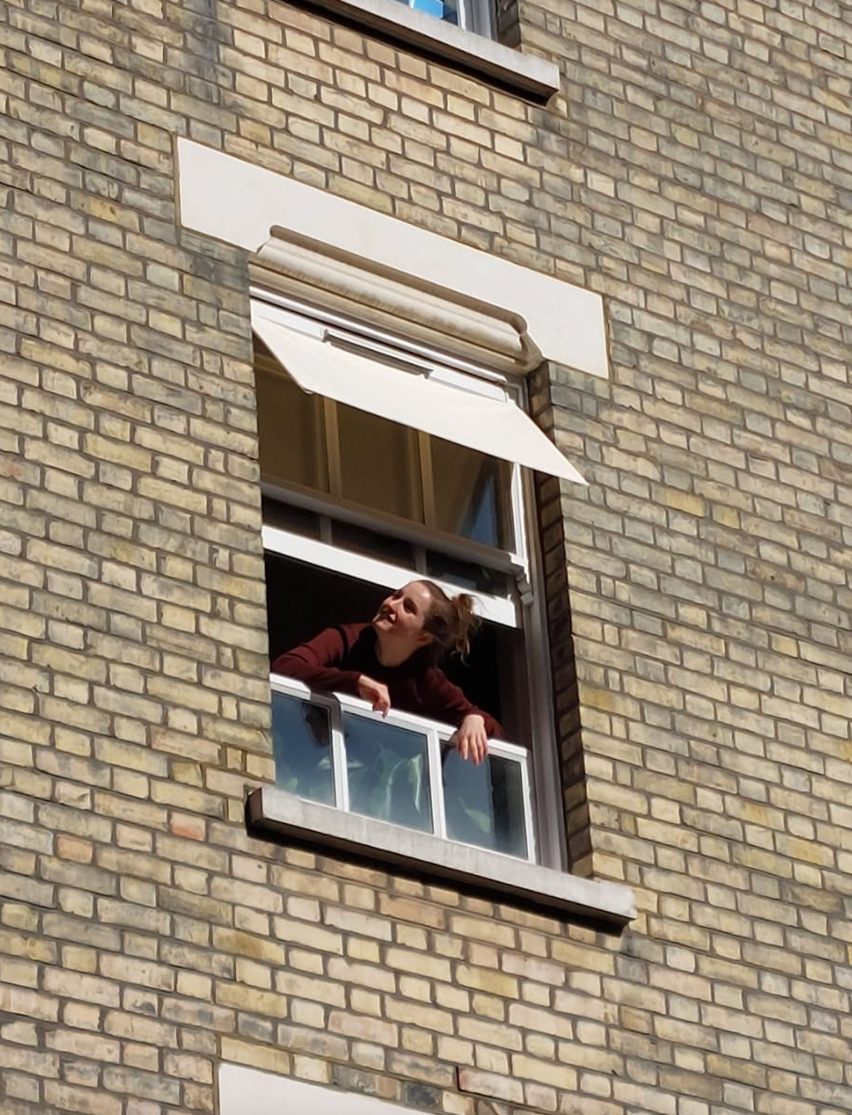
Self-described "clean-tech startup" Shaded sells simple and colourful external awnings that can be easily installed on or removed from sash windows and retail at £89.
"It's a detachable awning for sash windows," Daniels told Dezeen. "It's sort of an alternative to air conditioning."
Daniels, who is originally from New York and grew up with the comforts of air conditioning, founded Shaded in 2023 after struggling with UK temperatures that reached 40 degrees the previous summer.
"There is an appetite for affordable passive cooling products"
Concerned by the lack of shading across UK homes and privy to the benefits of shading techniques through her ten years in architecture, Daniels became dedicated to retrofitting buildings.
"I guess the 40-degree weather of summer 2022 put me in an inventive mood, initially in response to my own discomfort and the lack of accessible, sustainable solutions available to deal with it," she said.
"The idea for the awning came through a combination of doing passive design at work, and knowing about the principles and how shade is so effective," she said.
With the UK's summers continuing to break temperature records ever since, Shaded has become extremely popular and gained significant attention online, with the awning system selling out three times since being launched earlier this year.
"I had doubts and launched the product with the goal of breaking even," Daniels admitted.
"The product's success was a great validation that there is an appetite for affordable passive cooling products that also look good."
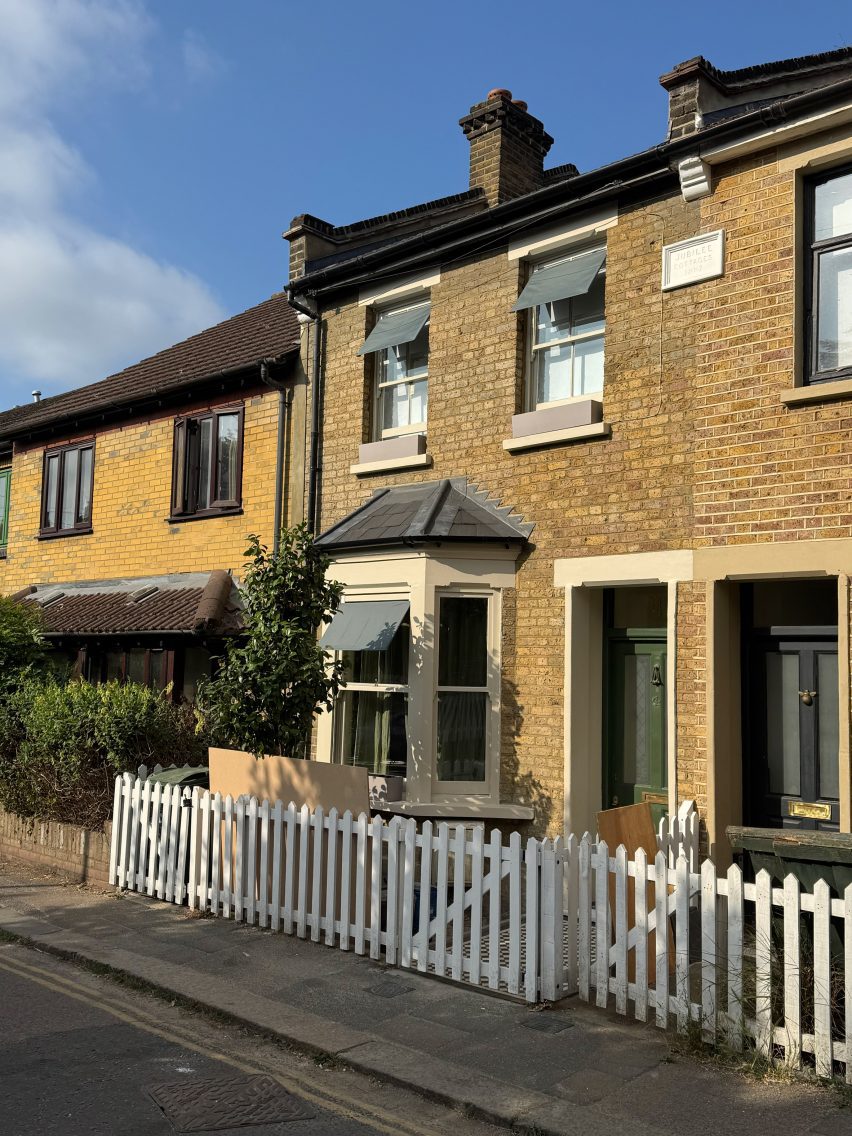
Daniels conceived Shaded as a more affordable and sustainable alternative for cooling Britain's homes than air conditioning, which is also becoming much more popular among those who can afford it.
"[Passive solutions] should be the first thing people do, at the very least, before bringing in mechanical cooling," she said.
"I think that making that more accessible is a big component of how to promote it and get people to buy in."
External shading systems can be highly effective, reducing room temperatures by several degrees Celsius.
But despite their widespread use across other temperate climates, awnings remain fairly uncommon in the UK, especially on residential buildings.
"UK hasn't clocked on to shading windows"
Much more common, says Daniels, are blinds and curtains, which can contribute to overheating.
"The UK seems to be the only European country that hasn't clocked on to shading windows as a first line of defence," she said.
Affordability is a major factor in this lack of adoption, Daniels suggests.
"Right now, it's actually really hard to choose passive cooling for reasons like costs being too high," Daniels said.
"Installation is a big driver of cost," she continued. "The fact that you have to fix something externally to the facade means that you probably need to put up scaffolding, et cetera. It requires specialist help."
In contrast, Shaded's awnings are clipped on from the inside – reducing installation costs to zero.
Even in the case that someone might be able to afford to install a traditional, permanent awning, Daniels says, the route to gaining planning permission can be costly.
In addition to this, the lack of a blanket policy for the installation of awnings in the UK can make the process convoluted, with existing regulations often specifying limitations for buildings that are rented, listed or located within a conservation area, Daniels explains.
"Permanent awnings are drilled into facades, becoming a material component of a building, and their cassettes have a year-round presence," she said.
In the London Borough of Islington, for example, planning permission is required for awnings on front elevations of flats, multiple-occupation houses and properties within a conservation area.
Meanwhile, London's Westminster City Council, in collaboration with property investment company Grosvenor, has recently given blanket consent for awnings and other retrofit measures on listed buildings in Belgravia's Eaton Square.
Daniels' second design marker was therefore meeting regulatory requirements.
"I went around in circles a lot around figuring out what I have to do to meet regulations," she said. "[Typically], if you wanted to install external shading you'd have to put a planning application in."
"You might have to submit drawings, and that all costs money and time – on top of the fact that the existing products are expensive," she added.
"My motivation is making sure the mass of people can actually afford to do it"
Daniels' awning offers a temporary, "zero-trace" alternative, meaning that it side-steps the bureaucracy of installing a permanent one.
"It's completely temporary and doesn't interact with the building fabric at all. It leaves zero trace," she said.
Following the success of her first product, Daniels has plans to create a new range of awnings that cater to more window types, alongside the creation of other affordable passive solutions.
"We need to adapt our built environment to temperatures," Daniels said. "My motivation is making sure the mass of people can actually afford to do it."
"Why can certain people adapt to climate change and not others? People need to be able to afford to adapt to climate change," she added.
Dezeen In Depth
If you enjoy reading Dezeen's interviews, opinions and features, subscribe to Dezeen In Depth. Sent on the last Friday of each month, this newsletter provides a single place to read about the design and architecture stories behind the headlines.