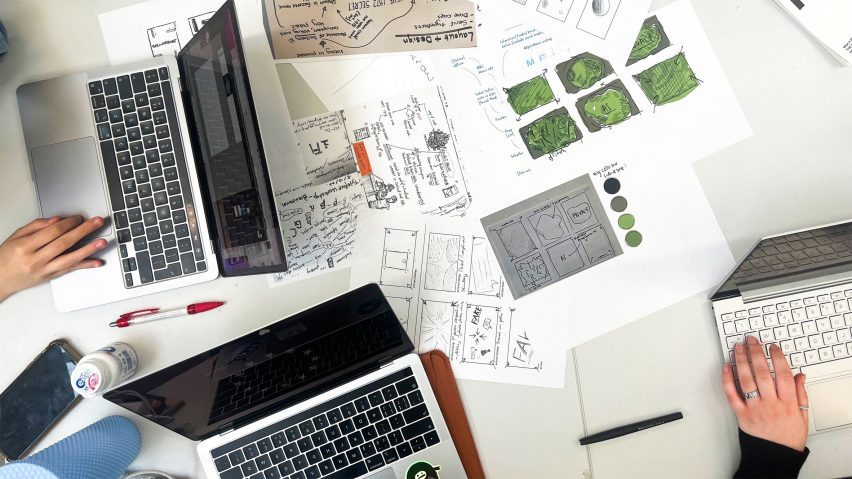
MA/MSc Design Innovation and Technology at University of Southampton
The MA/MSc Design Innovation and Technology course at the University of Southampton supports students in developing skillsets at the intersection of creativity, design and technology.
This dynamic, future-focused programme – offered as both an MA and MSc – sits at the intersection of creativity, user-centred design and emerging technologies. Whether your background is in design, technology or a related field, the MA/MSc Design Innovation and Technology equips you to tackle real-world challenges through innovation, critical thinking and hands-on experimentation.
You’ll explore how design thinking, speculative design and human-centred research can shape intelligent, connected products, services and systems. Working with various tools, you’ll develop sustainable, impactful solutions aligned with the UN sustainable development goals.
Taught in a collaborative, project-based environment, the programme blends the experimental culture of an art school with the technical expertise of a world-class university. You’ll work in interdisciplinary teams, engage with industry partners and benefit from access to cutting-edge maker labs, immersive media and prototyping facilities.
Through live briefs, workshops and capstone projects, you’ll gain the mindset and skillset to lead in the rapidly evolving CreaTech sector. Graduates are prepared to drive innovation, enhance user experience and shape the future of design and technology across industries and global communities.
School: Winchester School of Art, University of Southampton
Course: Master of Arts/Master of Science in Design Innovation and Technology
Type: Postgraduate
Location: Winchester, UK
Course dates: October 2026 to September 2027
Application deadline: International applications: 26 August 2026, UK applications: 9 September 2026
Find out more about the course and apply ›
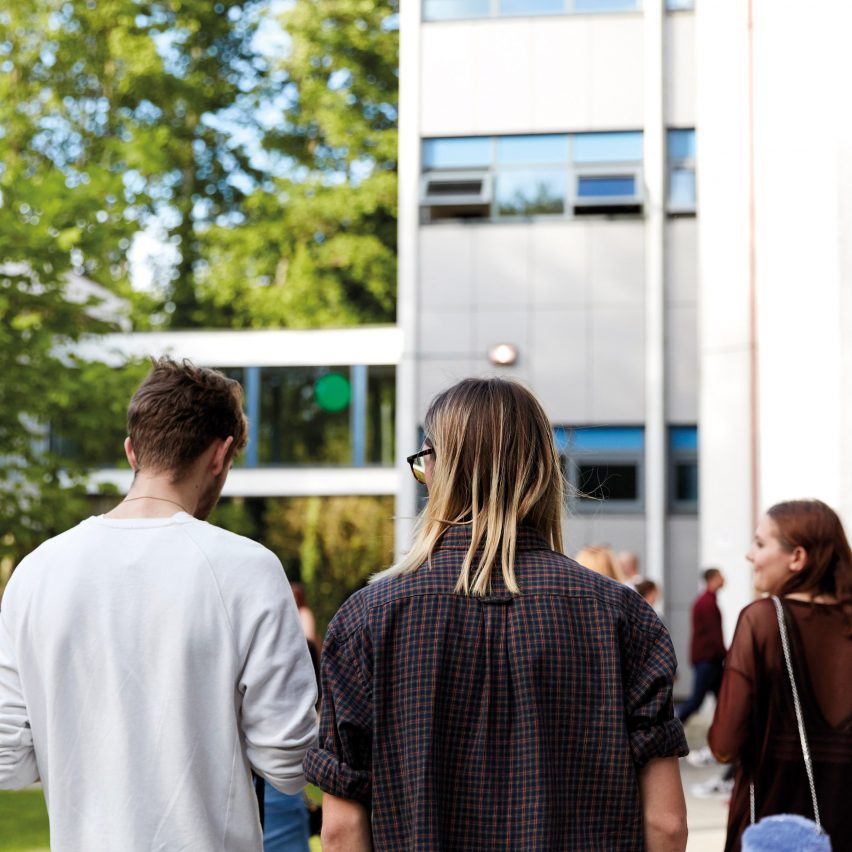
What will I learn during this course?
– Learn in a highly dynamic, interdisciplinary and supportive environment that fosters creativity, collaborative problem-solving and critical thinking
– Experience learning and teaching methods and environments that echo creative industrial practices and professional studio spaces
– Understanding and unravelling the so-called complex and interconnected problems of global citizenship, decolonsisation, and decarbonisation and their intersect with diversity and difference
– The iterative design process of make, test, feedback, refine and we place the user, client or customer at the heart of the journey
What are the requirements?
– Standard entry requirements for Level 7 programmes at Southampton. This includes a minimum of 2:1 from a UK honours degree (or international equivalent) from an arts, humanities, or science discipline
– Applicants are normally required to submit a portfolio of work or a video supporting their application, along with satisfactory academic references and a personal statement as parts of their applications
– Non-standard applicants will be invited to submit a 1,500-word report and attend interview
– International applicants will require an International English Language Testing System (IELTS) score of 6.5 (with no element lower than 6.0 – or international equivalent)
– Non-standard entry will be considered and encouraged, with the academic team weighing applications on their merit (for example in relation to work/life experience, mitigating factors)
What facilities and resources are available?
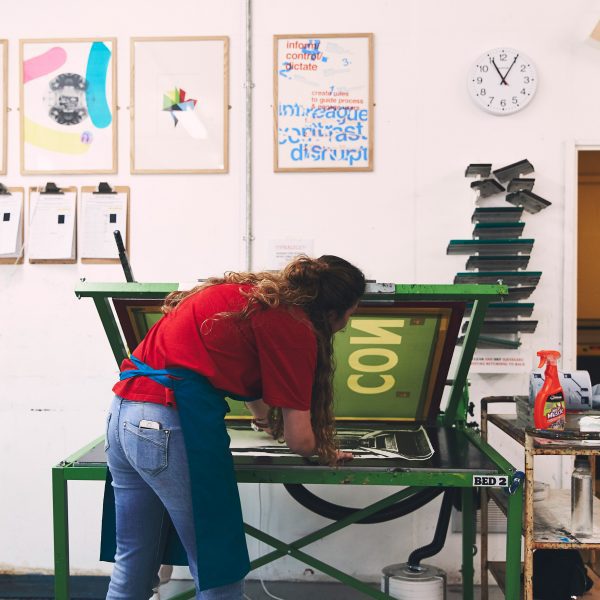
– Maker lab and workshop facilities that are equipped with the latest technologies in digital modelling, fabrication and electronics, enabling hands-on experimentation and rapid prototyping
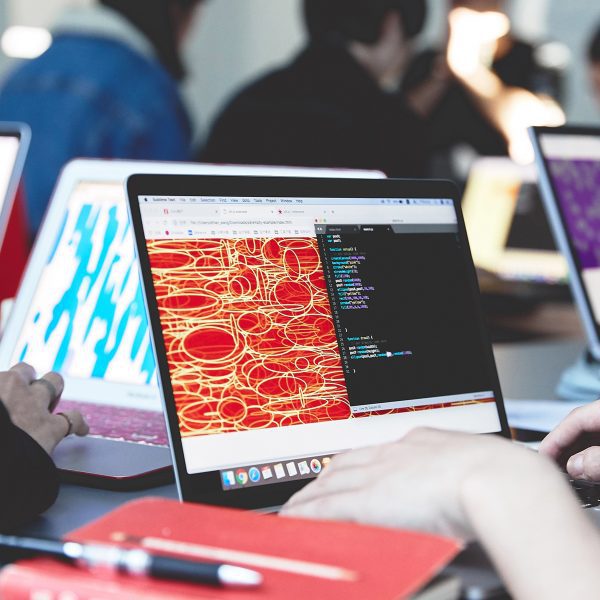
– Advanced digital tools – students have access to tools for working with AI, IoT, AR/VR, digital twins, robotics and computational design
– Traditional art school facilities, which complement the high-tech resources, supporting a hybrid approach to making
– Immersive media and prototyping studios – spaces designed for testing and developing interactive, connected and smart systems
– Collaborative project spaces that are designed to foster interdisciplinary teamwork and co-creation, reflecting real-world professional environments
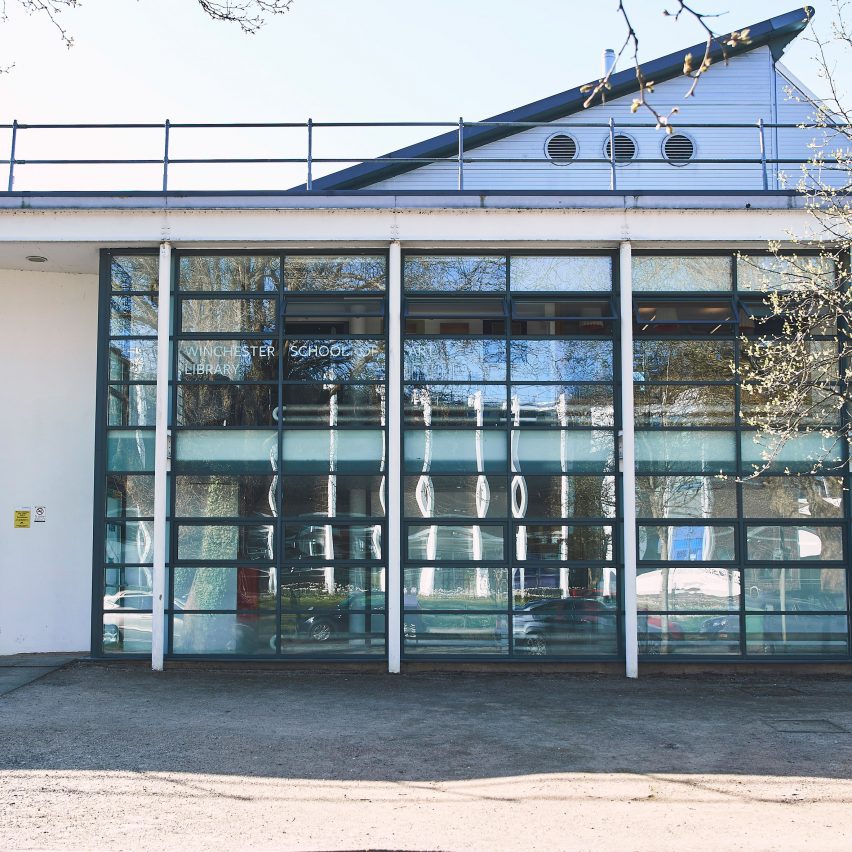
What career prospects can I expect upon graduating?
As a graduate of these programmes, students may wish to use the skills learnt to enter innovation and leadership roles in design, manufacturing, technology or other related disciplines and/or springboard careers in a different direction.
Graduates of this course will typically find employment in a wide range of roles including senior technical consultant, design technologist, senior design/technical consultants/officers, AI/machine learning specialist, systems engineer, digital product designer/engineer/manager, augmented/virtual reality engineer, digital fabrication specialist and policy makers.
Dezeen Courses
Dezeen Courses is a service from Dezeen that provides details of architecture, interiors and design courses around the world. Click here for more information.