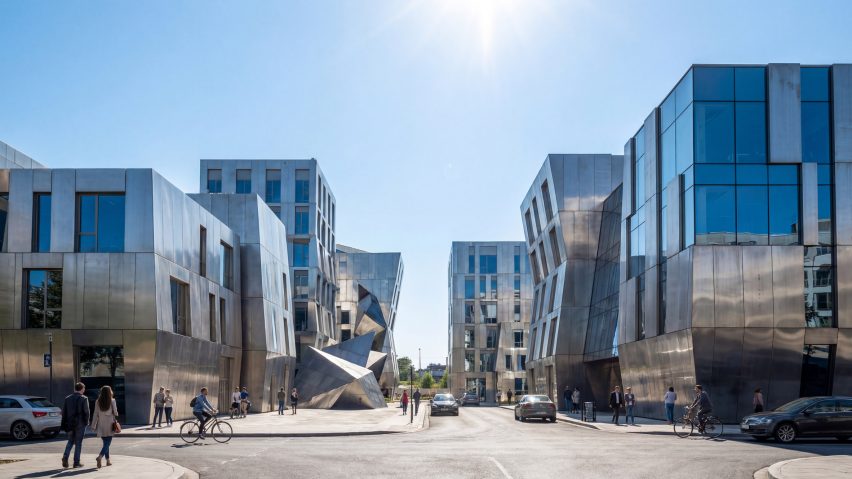
Visualisation has become more than creating "a single visual output" says Chaos
Promotion: according to software company Chaos, AI-assisted tools, advances in rendering technologies, and shifting client expectations are transforming the architecture industry's visualisation workflows into a flexible communication tool.
Chaos explained that utilising artificial intelligence has enabled visualisation to evolve into a valuable communication aid, which supports the creative process from early concept development through to final presentation.
"Visualisation is no longer a single visual output delivered at the end of the process," said Chaos.
"As photorealistic imagery becomes the new standard in an increasingly artificial intelligence-driven era, the ability to create meaningful emotional narratives is emerging as the real differentiator," it added.
According to Chaos, this shift in how visualisations are being used is due to client expectations and the need for a quicker, more flexible workflow.
Chaos explained that instead of starting a project from scratch, architects and designers now often begin projects by reacting to AI-generated moodboards or concepts provided by the client.
This flexibility speeds up the workflow process by bridging the gap between a client's "AI dream" and a professional, buildable reality.
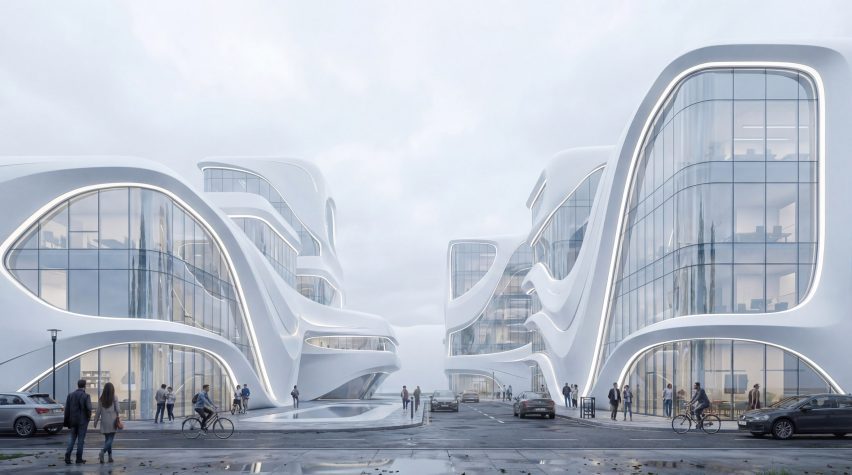
"AI-powered tools save hours of manual refinement"
The company added that AI-powered visualisation tools also enable creatives to better connect their early ideas to final designs while minimising time spent on time-consuming tasks.
Specifically, Chaos believes the tools can streamline the early design process involving testing ideas before committing to a design, as well as taking on the time-consuming task of final visuals for a client.
"Repetitive manual work remains common in visualisation tasks, from refining textures and correcting lighting noise to improving image clarity and preparing images for final delivery," said Chaos. "AI-powered tools are increasingly helping to automate these steps, saving hours of manual refinement."
"Acting as a brainstorming partner in the early stage of the design process, AI-assisted tools make it possible to generate ideas without spending hours on rendering and testing different prototypes without fully building a project," added the company.

AI is a "storytelling tool"
According to Chaos, visualisation should not only be seen as a tool to illustrate final designs, but also as a "storytelling tool".
"Artificial intelligence is becoming an essential part of the architectural visualisation workflow," Chaos explained. "Rather than replacing creative decision-making, AI-assisted tools are helping professionals focus on storytelling."
Chaos also explained that another benefit of incorporating AI ideation is that it enables more efficient workflows, not only at the beginning but throughout the whole design process.
"Switching between multiple tools and fragmented workflows places a significant burden on anyone managing complex projects," said Chaos.
"By embracing a hybrid workflow, designers can combine real-time tools for instant feedback with high-quality photorealistic imagery for marketing materials and final approvals," it continued.
"The transition from linear to a hybrid workflow is ultimately a creative win. By reducing friction throughout the process, professionals can move beyond technical constraints and focus on what truly sets their work apart: emotional storytelling."
To learn more about AI-assisted visualisation workflows, visit Chaos' website.
The visuals are courtesy of Chaos.
Partnership content
This article was written for Chaos as part of a partnership. Find out more about our partnership content here.