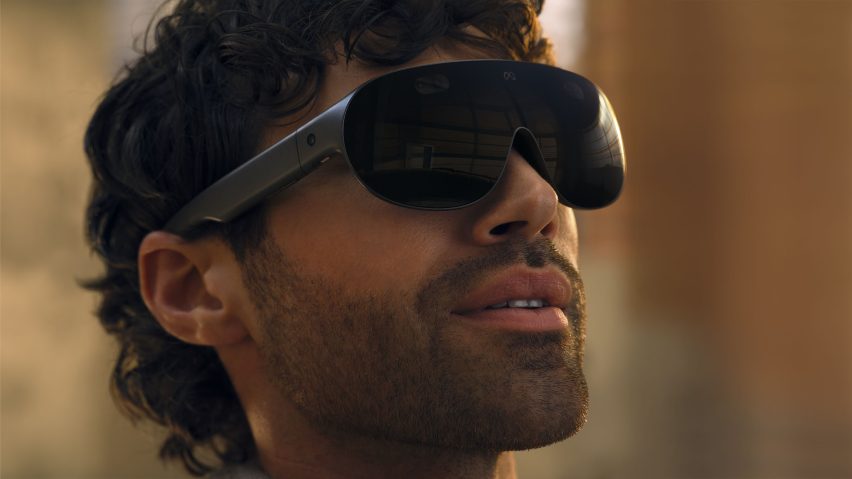
Meta unveils lightweight VR glasses and camera-free AI glasses at Connect 2026
Meta has revealed slimline VR glasses for immersive entertainment on the go and an audio-only, camera-free version of its Ray-Ban glasses as the latest additions to its expanding product portfolio.
Announced by CEO Mark Zuckerberg last night at the technology company's annual Connect conference, the Meta VR Glasses and Ray-Ban Meta Audio glasses expand its market-leading range of eyewear and headsets.
The Meta VR Glasses represent the bigger breakthrough, bringing virtual-reality gaming, 3D movies and other immersive digital experiences into a form factor only slightly larger than an ordinary pair of glasses.
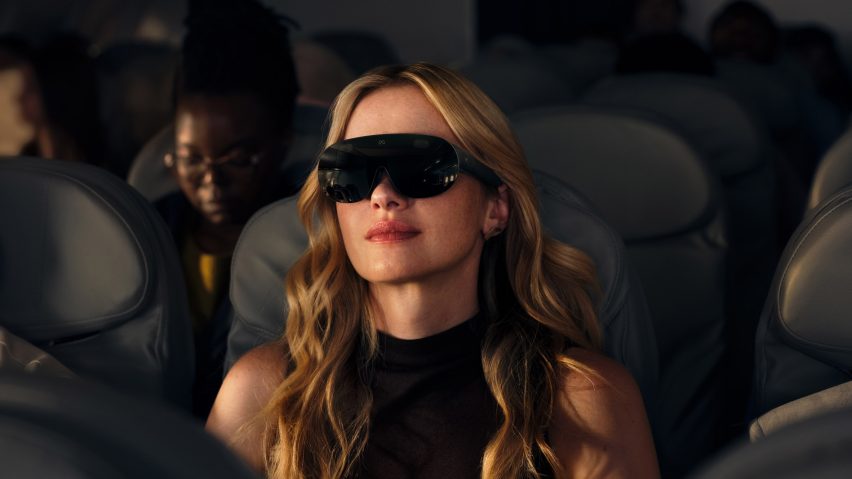
This allows them to be worn for longer than current headsets and carried on the daily commute, as people might do with a pair of over-ear headphones.
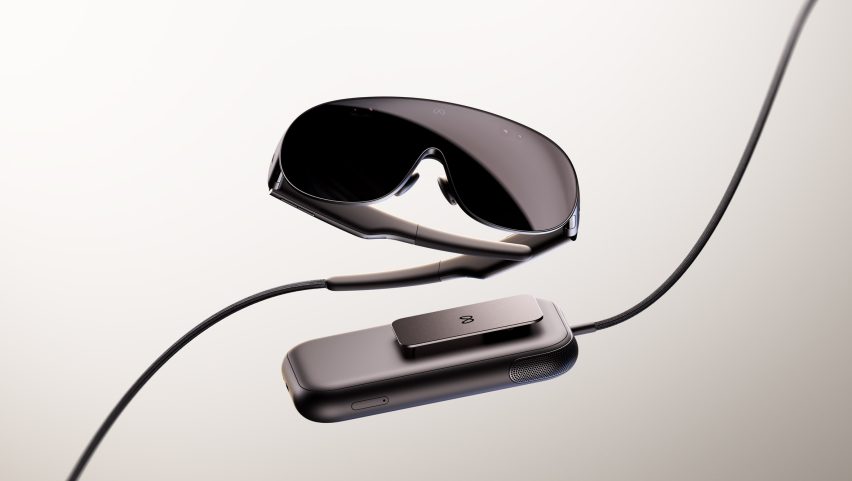
Meta says it achieved the lightweight construction by splitting the architecture into two: the glasses, weighing about 100 grams, plus an attached "puck" that clips onto a pocket or bag and handles the processing.
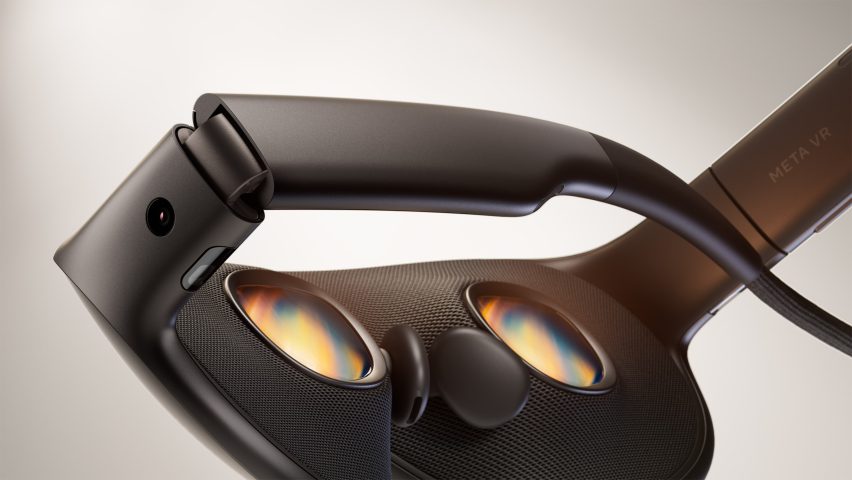
Also key are the glasses' ultra-compact pancake lenses, which are about the size of a Scrabble tile and are fixed within a soft mesh structure on the inside of the frames.
The wearer manually shifts these lenses to sit directly in front of their eye, filling everything but their peripheral view with a 5K display.
This micro-OLED display offers angular resolution of 37 pixels per degree – more than Meta's current market-leading Quest VR headsets and enough to deliver crisp text and rich imagery.
The Meta VR Glasses can be used to play games or watch entertainment from the Meta Quest platform, including movies recorded in or converted to 3D. There are also new immersive formats that Meta is pioneering, like "immersive sports" streamed in ultra-high definition from the edge of the playing field at live events.
Users navigate the operating system using their eyes, voice and natural hand gestures like swiping and pinching, without having to use controllers – in some cases even to play entire games.
Meta also envisions the VR Glasses being used for work. Using full-colour passthrough – the view of the world in front of the glasses that's captured through its outward-facing cameras – wearers can turn any table surface into a keyboard and touchpad and surround themselves with multiple virtual screens from their Mac or PC.
The VR Glasses will deliver up to three hours of continuous media playback from the battery on the puck. Meta expects to put the device on sale in spring 2027.
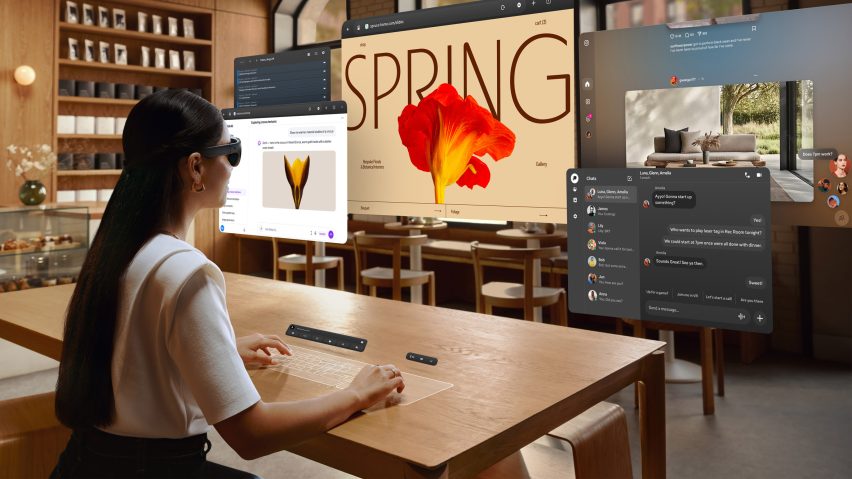
Unlike the rest of Meta's eyewear offering, the VR glasses are not intended to be worn all the time or to be used primarily for AI assistance, although the company's new Muse AI will be built-in.
The use of Meta's AI glasses out on the street has earned them the nickname of "pervert glasses", due to various documented incidents of men using the barely visible camera to covertly film women.
Surveillance concerns were also amplified after a Swedish news investigation revealed that videos captured by wearers' cameras – including highly sensitive ones where they were nude or having sex – were being streamed to subcontractors in Kenya.
The pushback against these aspects of the technology may be a driver behind Meta's other key new product launch at Connect, the Ray-Ban Meta Audio glasses.
Developed with long-term partners EssilorLuxottica, these glasses lack the controversial camera of other Meta models, as well as the small screen of the Meta Ray-Ban Displays, launched this time last year.
Their functionality is more limited, letting users listen to audio through small open‑ear directional speakers built into the frame and interact by voice with Meta's AI assistant.

The slimmer feature set has allowed Meta to introduce new slimmer styles like the partially wire-frame Ray-Ban Clubmaster. The glasses' 12-hour battery life and 43-gram weight also mean they can more easily be worn all day.
In addition to the new products, Meta revealed the Gen 3 version of its Ray-Ban Meta glasses, with three new frame silhouettes, and several new versions of the cheaper Meta Glasses, launched just three months ago, including one with pop star Lisa, whose influence is partly responsible for the Labubu craze.
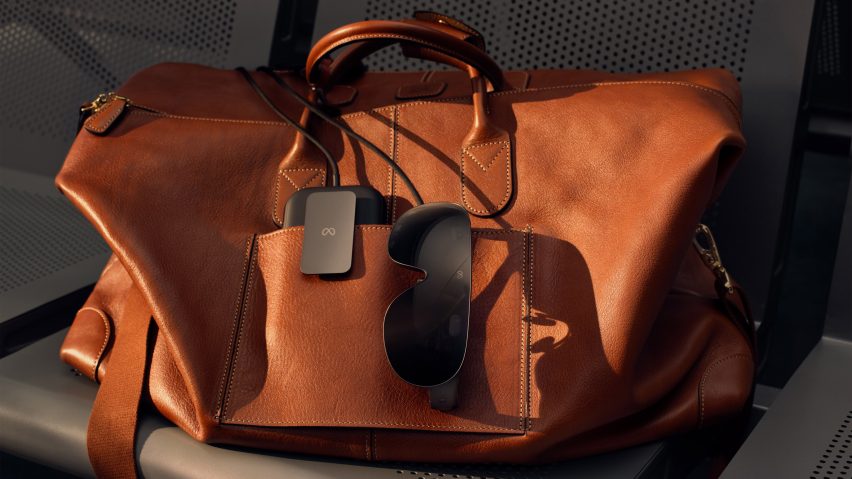
The keynote presentation also detailed the expanding capabilities of its Muse "personal AI agent", which was first revealed two weeks ago and which the company will be adding to all of its glasses. At the end, there was a quick sneak peek at a new Tamagotchi-like Muse Charm gadget.
Meta has established itself as the dominant player in the small but growing market for AI glasses, accounting for 94 per cent of display-less AI glasses shipped in the first half of 2026, according to tracking by Counterpoint Research.
By the end of the year, it will have more than 100 different styles available in its Ray-Ban, Oakley and own-brand collections.