Human-Centered Robotics Design at the College for Creative Studies
The Human-Centered Robotics Design course at the College for Creative Studies enables students to create robotic systems for human environments.
Course details
School: College for Creative Studies
Course: Human-Centered Robotics Design
Type: Undergraduate
Location: Detroit, Michigan
Course dates: September 2027 to May 2028
Application deadline: February 2027
X
X
X
X
X
X
X
Course overview
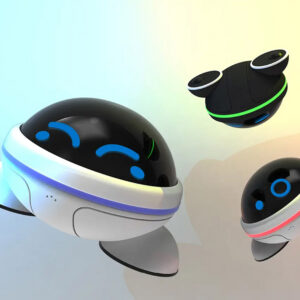
The College for Creative Studies (CCS)’s BFA in Human-Centered Robotics Design is a groundbreaking degree programme at the intersection of technology, artificial intelligence and user experience. As intelligent machines enter our everyday lives, we train creative problem-solvers to design robotic systems built specifically for human environments and real-world needs.
As robots migrate from factories into hospitals, schools and homes, global tech industries need more than engineers; they need designers.
In this programme, students will define how they look, behave, communicate and build trust with the humans around them. Human-Centered Robotics Design is a STEM-designated industrial design programme that is grounded in human-robot Interaction (HRI). It focuses on behavioural communication and research on strategies to advance the social acceptance of autonomous systems.
The programme prepares students with the creative and technical skills needed for a successful career as an industrial/product designer, while focusing specifically on the future of robotics and human-centred design.
Using design thinking, movement, light, sound, interaction and materials, paired with ethics and best practices, students will rethink what a traditional robotics machine “feels and looks like”.
Students will graduate with a professional design portfolio, real-world prototyping experience, and the skills needed to launch careers.
What will I learn during this course?
Students will learn design thinking, movement, light, sound, interaction and materials, paired with ethics and best practices.
Students will gain creative and technical skills, behavioural communication, research on strategies to advance the social acceptance of autonomous systems, and real-world prototyping experience.
What are the requirements?
You can apply directly through CCS’s free, native application portal or add CCS to your common app.
If they choose, students may submit a portfolio that includes five to 12 pieces of their strongest visual artwork in any medium. Work does not need to relate to the intended major. Applicants with a cumulative 3.0 GPA or higher (first-year) or 2.5 GPA or higher (transfer) are eligible for admission based on GPA alone.
Provide official high school or college transcripts or mark sheets, along with a certified English translation if the original documents are not in English.
What facilities and resources are available?
CCS has some of the best facilities for all students to use, including:
- 24-hour studio spaces
- industry-level technology and equipment
- state-of-the-art foundry
- shops and material libraries
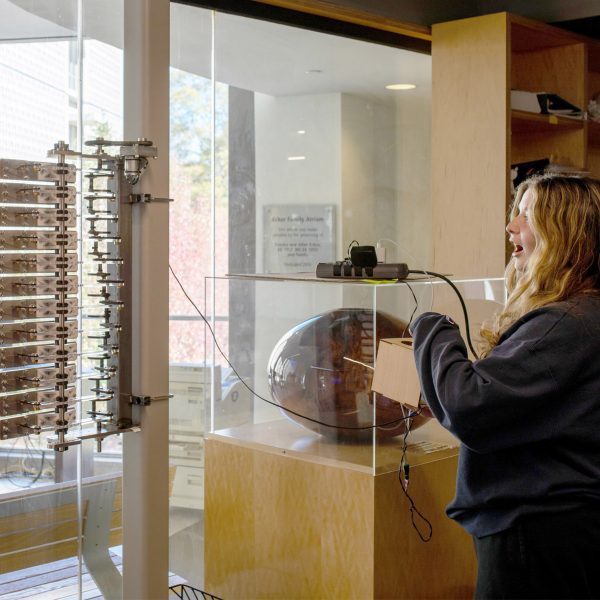
- The Model Shop, including a rapid prototyping studio with 3D printers, CNC five-axis mills, laser cutters and a car-sized ventilation spray booth
What career prospects can I expect upon graduating?
Students can have possible careers in the following fields:
- industrial designer
- human-robot interaction designer
- UX researcher (robotics)
- AI design lead
- director of robot design
- AI systems designers
- user experience designer
- chief experience officer for automation
- humanoid aesthetic specialist
- computational/generative design artist and AI-human collaboration strategist
Who teaches this course?
Greg Darby, chair of product design and human-centered robotics design.