Manual’s camera shop in New York is imbued with “philosophy of skate shop”

Photography by Olympia Shannon
Design-build studio Protean Practice and camera company Manual have collaborated on the brand’s first storefront and photo lab, outfitting a Chinatown shop with plywood seating, metallic finishes and baby-pink accents.
Manual founder Malcolm Dia told Dezeen that creating a downtown gathering spot for the next generation of photographers drove the design. It is a space where they can “pull up in the morning, grab a camera, go live your life, and then come back, get it developed and hang out”.
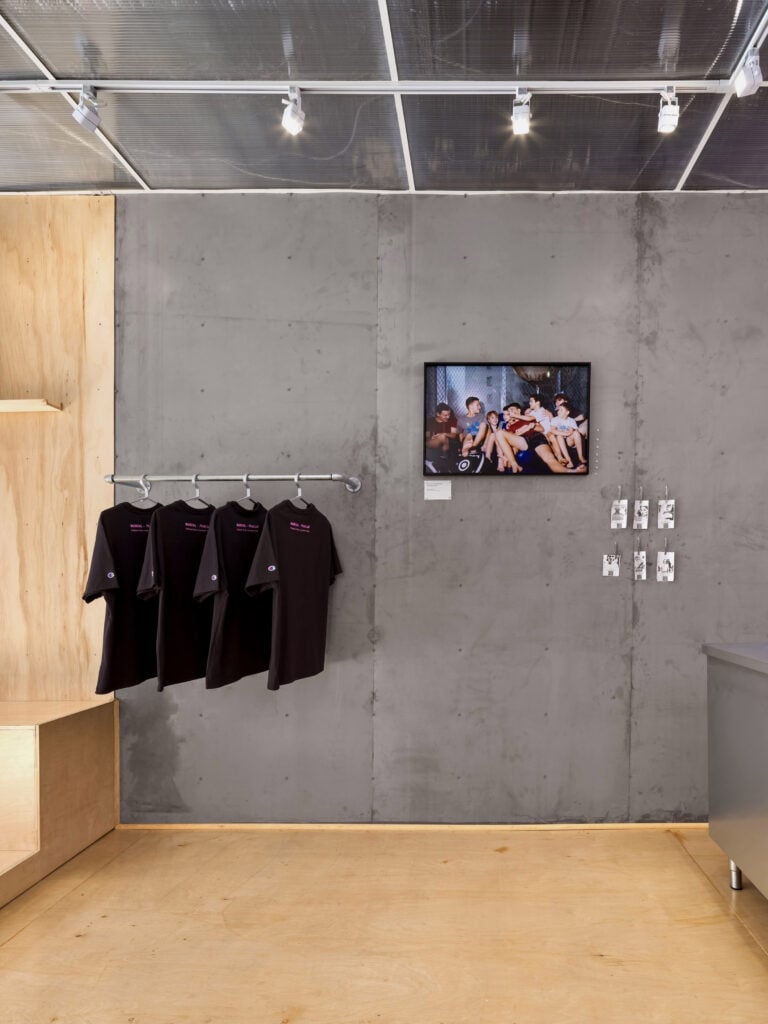
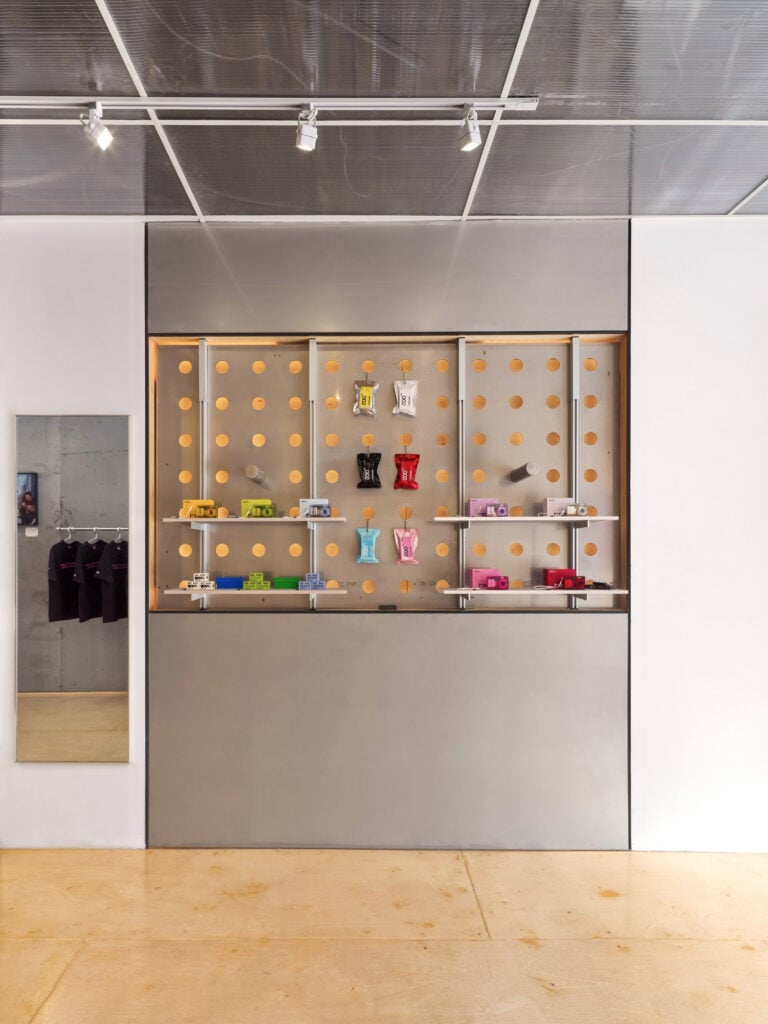
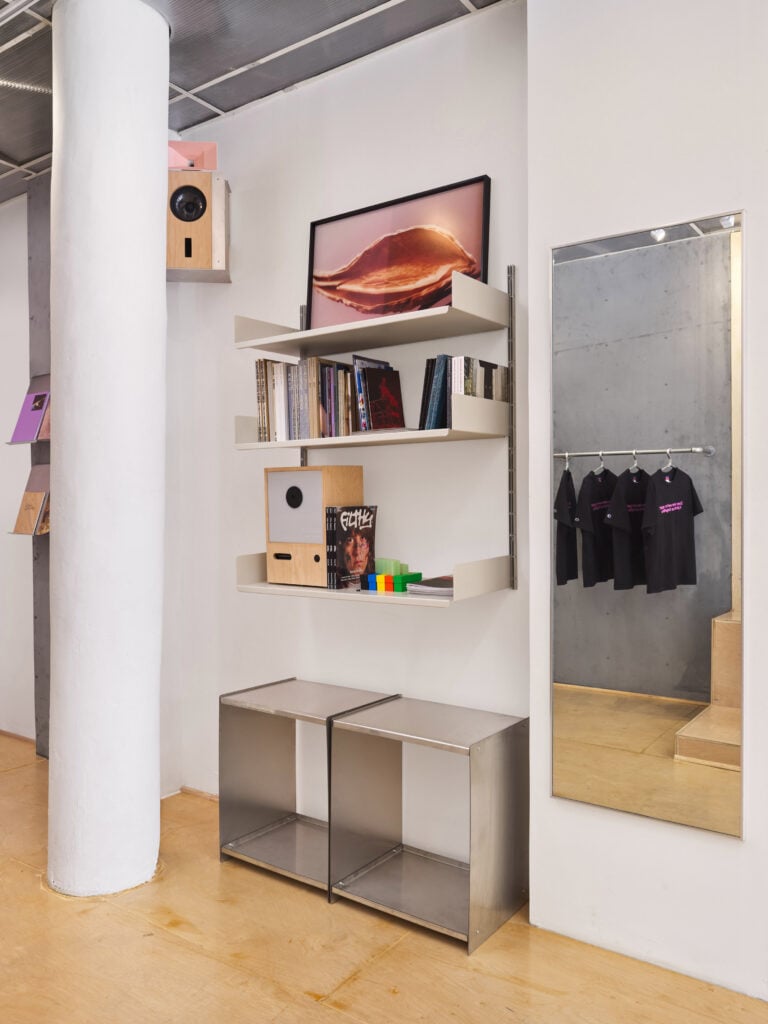
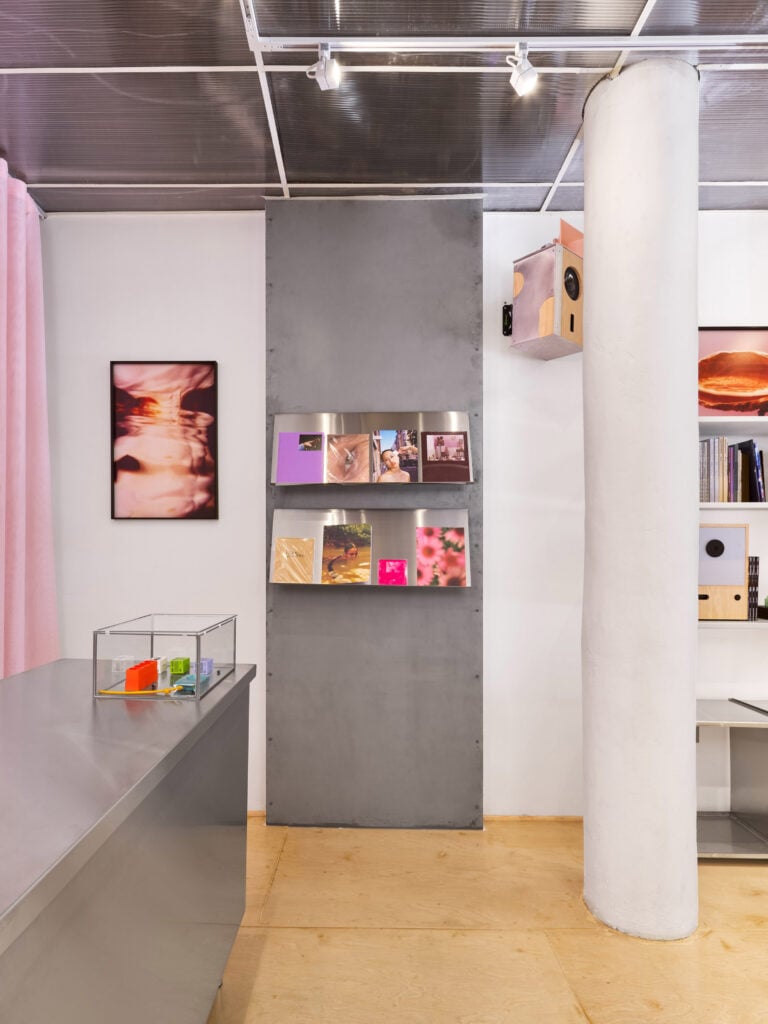
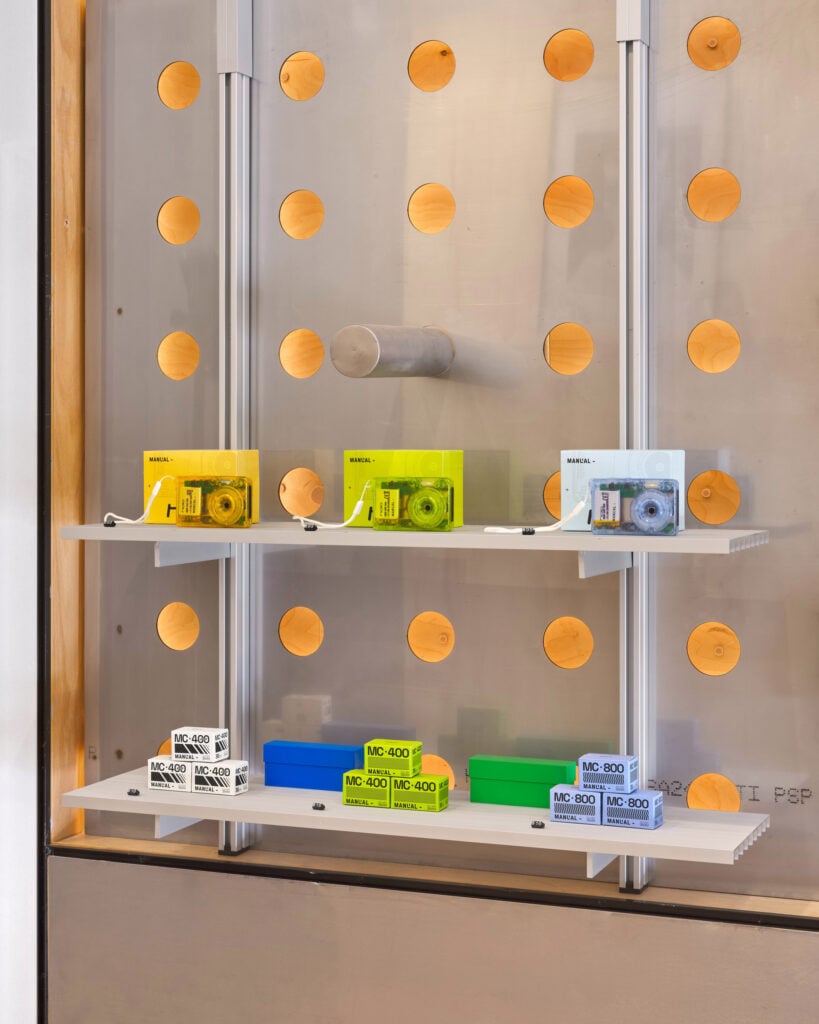
“We thought of it as making us home base for photographers,” said Dia. “[There is] a wall of product and ways to inspire yourself, ways to interact, and then the other half is an area to hang out and chill. It’s kind of like the philosophy of a skate shop.”
Founded in 2017, Manual produces a pocket-sized, translucent digital camera called Holo, disposable cameras and film. It initially operated out of pop-ups before opening its Chinatown store this past month.
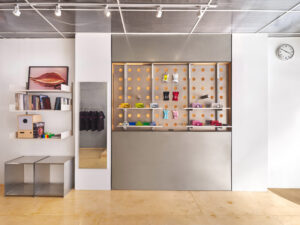
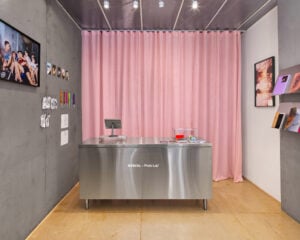
The Manual Photo Lab is the brand’s first permanent brick-and-mortar shop and also operates as a film processing lab. It’s located along Allen Street in a former point-of-sale (POS) supply store, with a retail space towards the front and a pink curtain that conceals the shop’s operations at the back.
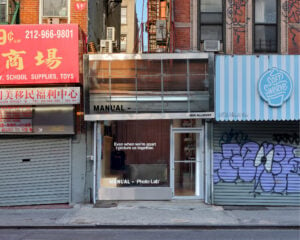
The facade is floor-to-ceiling glass, with a translucent polycarbonate upper bulkhead that exposes the 1800s brickwork from storefronts past, as well as the shop’s name displayed in straightforward black font.
Protean Practice co-founder Saji Abu-Gold told Dezeen that the choice of polycarbonate material on the facade of the building and the interior ceiling was partially informed by Holo’s coloured plastic shell, which exposes its underworkings, such as the camera’s battery.
The studio attempted to save elements of the original signage instead of a full replacement. It stripped the covering, but maintained the structural skeleton, and infilled it with the polycarbonate sheathing.
It also restored a fluorescent light that was behind the original bulkhead.
“[When] we started to take off the layers of signage and the giant neon sign that was above, we realized that the frame, while a bit uneven, had a really nice structural skeletal shape to it underneath all the layers of vinyl and signage that people had put,” said Abu-Gold.
“We finished installation at night, and it had this refraction effect that is similar to the flashlight coming through the plastic of the Holo camera, so it ended up working out really well.”
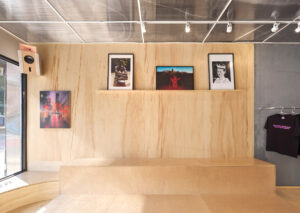
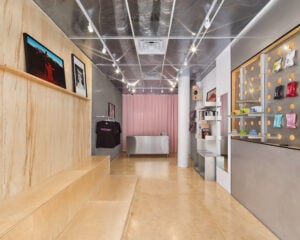
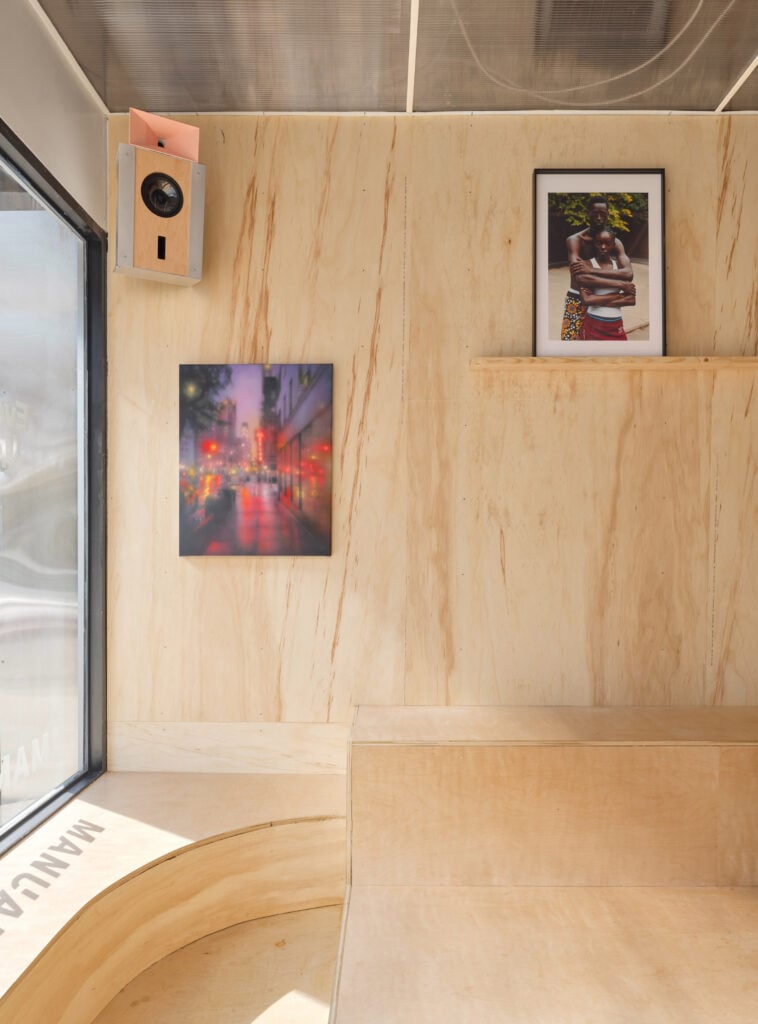
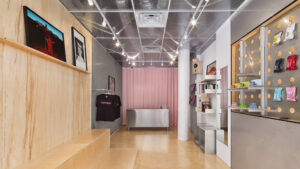
To encourage gathering, the team created a large, multi-level Baltic birch seating unit that takes up most of the left side of the store. Prints curated by talent agency Silvertooth Agency and a commissioned painting by artist Leon Xu were arranged around the unit for the shop’s opening.
Abu-Gold said the unit was partially informed by the work of American designers Ward Bennett and Joe D’Urso.
“At the front, we met the platform with the lip of the window edge, which is something [D’Urso] did often, and then [we] brought up the tiers further throughout the store,” said Abu-Gold.
The lower lip was created for visitors “to sit on the floor comfortably without it being an actual floor”, while the upper level “encourages people to stay awhile”.
Cold-rolled steel wall panels line the shop on either side. An oversized, backlit steel pegboard by designer and fabricator Ian Chapin was cut into one along the entrance, which holds product.
Towards the back of the store, a column of custom aluminium shelving displays zines and other merchandise, while plywood, pink and steel speakers by Miami studio Lupo hang in the corners.
A baby-pink curtain lines the back wall beyond a retail counter, and conceals Manual’s operations. Visitors can drop off film at the counter, and Manual couriers it to a family-owned shop and longtime partner in Flatbush for processing.
Dia said the shop is geared towards people picking up a camera or film for the first time, and that the store is not trying to “take any business away” from other long-standing photo labs in the area such as Sammy Photo Lab and Elize Digital – the latter recently went viral for its Passport pictures.
“A big reason why I wanted to make the stores was to make it for the kids who come down the street and pick up their digital camera or roll of film for the very first time, and we want to be that for them, the next generation,” he said.
Elsewhere in Chinatown, architecture studio Spaced Agency recently designed a street-level expansion to long-standing Chinese restaurant Wo Hop, while a much-contested jail is now under construction.
Protean Practice operates between Los Angeles, New York City and London and was founded in 2022 by apparel designer Saji Abu-Gold and photographer Steven Traylor. The studio works across residential and retail projects, with a focus on low-emission, local material sourcing and maintaining existing site conditions where possible.
Project credits:
Design: Saji Abu-Gold
Creative direction: Manual
Construction lead: Agim Lamaj
Millwork collaborator: Matthew Avoletta
Stainless peg wall: Ian Chapin
Sound system: Lupo
Photography by Olympia Shannon
Read more
Recommended stories
HommeGirls boutique by Rafael de Cárdenas features rotating garments
Sigma to combine camera technology and botanics at Milan design week exhibition
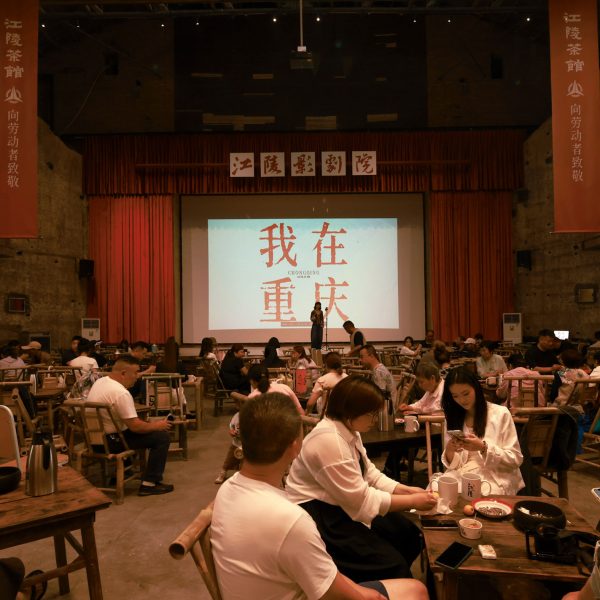
Studio We Live transforms 1950s Chinese cinema into teahouse with wooden canopy
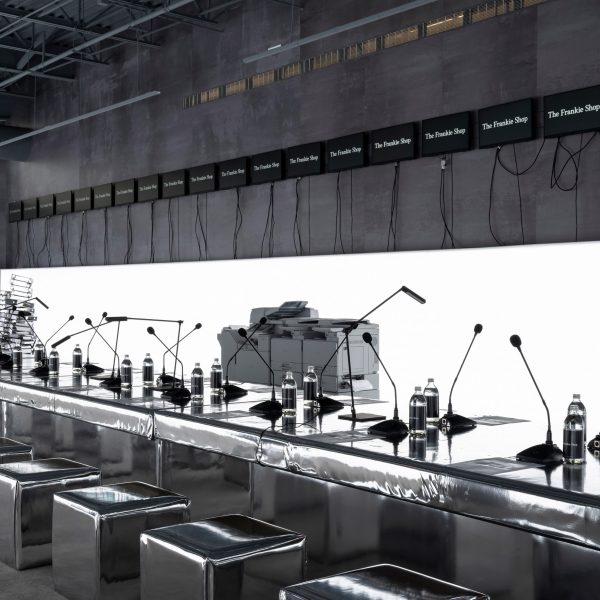
Crosby Studios creates office-themed installation in LA for The Frankie Shop
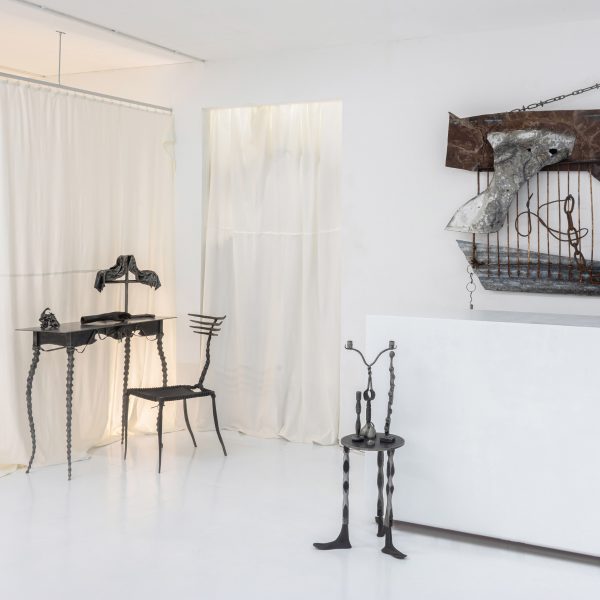
APOC Store reimagines London boutique as rotating gallery for independent designers
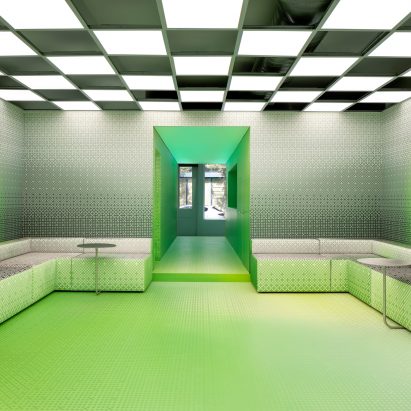
Crosby Studios and Zero10 launch fashion pop-up that lets people “try on” virtual clothes
O shop in Chengdu is a lifestyle store by day and a bar by night