Master of Landscape Architecture at Pratt Institute
The Master of Landscape Architecture course at Pratt Institute encourages students to create climate-responsive landscapes through both studio and land-based projects, alongside the development of relevant technical skills.
Course details
School: Pratt Institute
Course: Master of Landscape Architecture
Type: Postgraduate
Location: New York City, USA
Course dates: August 2027 to August 2028
Application deadline: 5 January 2027
Course overview
At Pratt Institute in New York City, the Master of Landscape Architecture (MLA) reimagines human relationships with land through design, fostering critical and creative engagement with ecological and social systems.
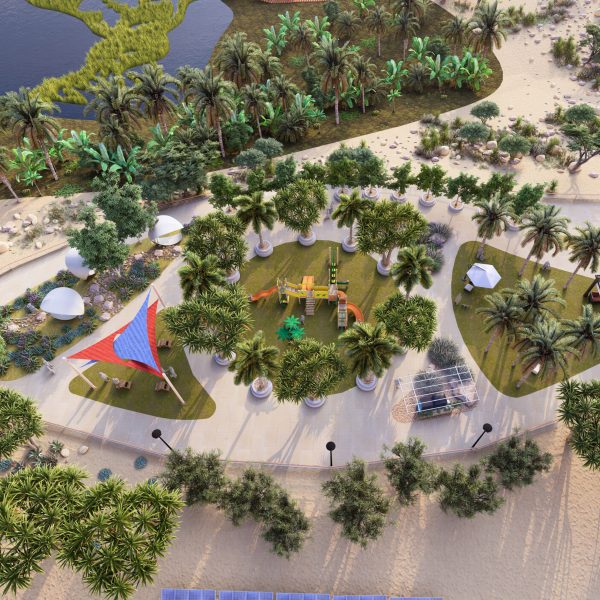
Combining studio work and land-based practices, the program foregrounds human wellbeing and environmental uplift, designing enduring landscapes that respond to community needs and the realities of the climate crisis.
The MLA1 track is a three-year, first-professional degree program and welcomes applicants from a wide range of academic and professional backgrounds.
The MLA2 track is a two-year, second-professional degree program intended for students who already hold an accredited first-professional degree in architecture.
Both MLA1 and MLA2 curriculums are accredited and connect conceptual inquiry and ecological knowledge with a deep, relational experience of place.
Situated within the Graduate Architecture, Landscape Architecture, and Urban Design department, the program builds upon Pratt Institute’s rich tradition of creative experimentation and interdisciplinary innovation.
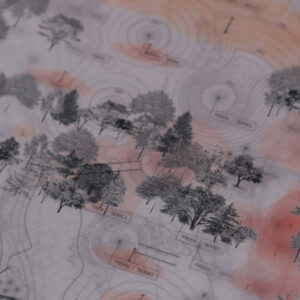
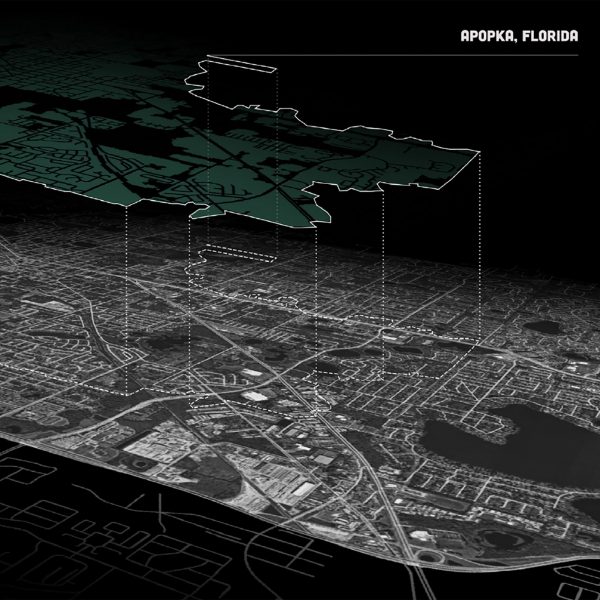
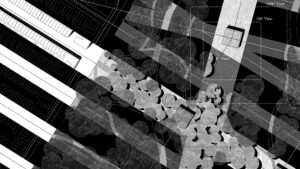
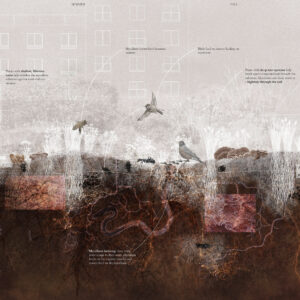
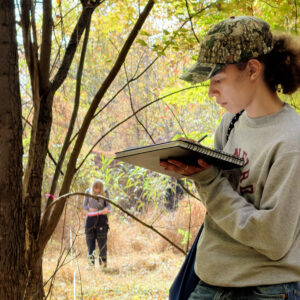
Students work across scales and media, exploring methods of representation and land-based fieldwork. Together, these approaches exemplify and advance contemporary practice.
The curriculum prepares graduates to meet the evolving demands of professional practice and to design landscapes that sustain both people and ecosystems.
What will I learn during this course?
In Pratt’s MLA program, you will learn to design landscapes that balance ecological health and human experience.
This involves:
- site analysis
- plant and ecoregion identification
- spatial, ecological, and experiential design
- community engagement
- 2D and 3D representation techniques
- GIS
- prototyping
- collaborative problem-solving
- hands-on experience through studios and fieldwork
The program prepares you to create resilient, climate-responsive and meaningful landscapes while equipping you for a wide range of professional opportunities in landscape architecture.
What are the requirements?
To be eligible, applicants must have received a bachelor’s degree from an institution in the US that is accredited by a recognised regional association or have been awarded the equivalent of a bachelor’s degree from an international institution of acceptable standards.
Please note that we cannot accept students with a professional Bachelor of Landscape Architecture BLA or BSLA.
What facilities and resources are available?
Pratt features some of the most cutting-edge digital fabrication and research facilities in design education. Students have access to campus-wide fabrication shops and material labs, supporting experimentation across scales and media and fabrication labs located within the School of Architecture.
Pi-FAB, the fabrication shop, is designed for precision model making and material experimentation, including CNC, laser cutting and a robotic arm for digital fabrication exploration.
The 3D Printing Center offers a comprehensive suite of additive manufacturing technologies, including FDM, resin and wax printers and high-resolution 3D scanners.
The program also offers real-world learning through partnerships with the Brooklyn Botanic Garden, in situ study of exemplary NYC landscape projects and connections to the city’s active landscape architecture community, providing both practical experience and professional networking opportunities.
What career prospects can I expect upon graduating?
Graduates of Pratt MLA program are well-prepared for a diverse range of professional opportunities both nationally and internationally. They will go on to work in leading landscape architecture and design firms.
Other impactful roles include academia, landscape stewardship organisations, non-profit sectors and government agencies that focus on shaping ecosystems and landscapes.
Who teaches this course?
- Elliott Maltby, academic director and adjunct associate professor
- Rosetta Elkin, professor
- Mariel Collard, assistant professor
- Mark Heller, assistant professor
- Bill Logan, visiting professor
- Jeffrey Hogrefe, professor
- Andy Lee, visiting assistant professor
- Melody Stein, visiting assistant professor
- Lucas Mertehikia, visiting assistant professor