Transfer Programme (Graduate Certificate in Architecture) at Architectural Association School of Architecture
The Transfer Programme (Graduate Certificate in Architecture) at the Architectural Association School of Architecture is a one-year conversion programme for students from a non-architecture background, offering guidance and insight into the field whilst exploring key issues and developing core skills.
Course details
School: Architectural Association School of Architecture
Course: Transfer Programme (Graduate Certificate in Architecture)
Type: Short course, Conversion course
Location: London, UK
Course dates: September 2027 to June 2028
Application deadlines: 20 November 2026, 11:59pm GMT, for applicants wishing to request consideration for AA financial assistance (round one), 22 January 2027, 11:59pm GMT (round two)
Course overview
AA Transfer (GradCert) is a one-year graduate access programme for graduates from non-architecture disciplines who want to transition into architectural study and practice.
Building on students’ existing experience, the programme develops architectural thinking and design skills through research, experimentation and studio-based projects, culminating in a comprehensive portfolio and preparing students for the Master of Architecture (ARB Master’s Level/RIBA Part 2) Diploma Programme at the AA or other postgraduate pathways.
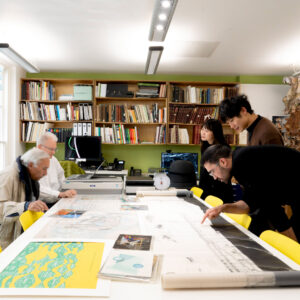
In Term One, students tackle increasingly challenging design exercises taught by architectural specialists. These exercises bridge their previous experience and emerging architectural interests.
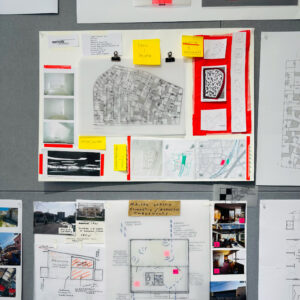
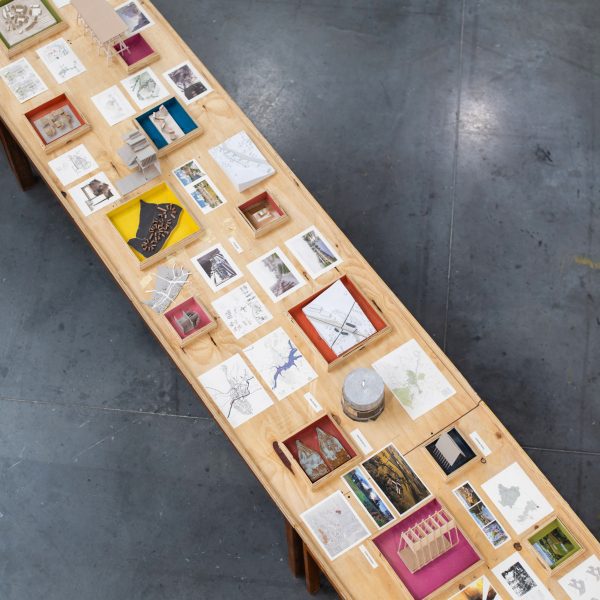
Alongside intensive workshops, they introduce essential skills in drawing, model-making, research and design, giving students practical ways to explore and communicate ideas.
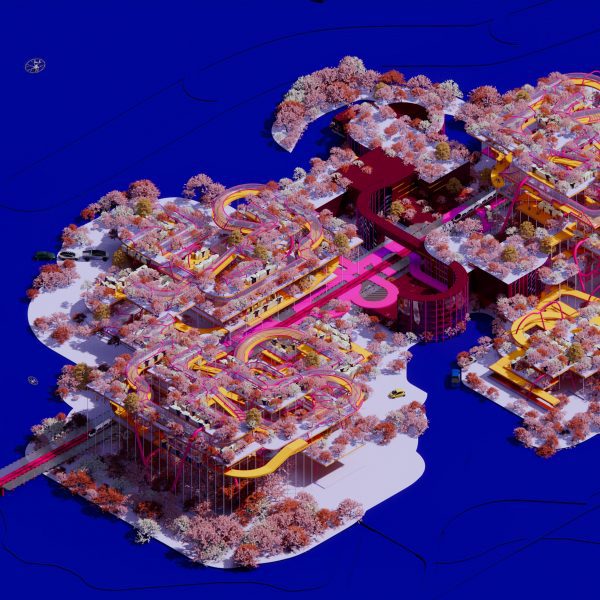
In Terms Two and Three, students bring these skills and interests together in a building design project. With dedicated support, they also develop an individual design thesis: a clear set of ideas and questions that guide their project and explore architecture’s response to cultural, social and environmental issues.
Throughout the year, leading architectural practices from around the world contribute to the programme as practice collaborators, sharing different approaches to architecture and connecting students’ learning with the realities and possibilities of professional practice.
What will I learn during this course?
Students learn to turn their existing interests and expertise into architectural ideas and design proposals.
The programme develops:
- undergraduate-level architectural knowledge and design skills through an intensive year, aiming to prepare students for progression to the Master of Architecture (ARB Master’s Level/RIBA Part 2) Diploma Programme at the AA
- building design, from first ideas to a developed proposal
- site research and an understanding of how people use spaces
- drawing, digital modelling and physical model-making to explore and communicate ideas
- an individual design approach shaped by each student’s background and interests
- portfolio and presentation skills to communicate their work with clarity and confidence. Students bring these skills together through practical design projects, specialist workshops and exchanges with leading architectural practices
What are the requirements?
Applicants must hold a bachelor’s degree in a non-architecture discipline, with a minimum upper second-class honours classification (2:1) from a UK university, or an equivalent qualification from a recognised institution overseas. Applicants from varied backgrounds are welcome.
A digital portfolio and written personal statement must demonstrate visual, spatial and analytical reasoning skills, alongside an informed interest in architecture.
Previous architectural training is not expected, and applicants do not need to imitate a conventional architecture portfolio. Instead, the portfolio should reflect their own interests, experience and ways of thinking.
It can include academic, professional or creative work, such as drawing, photography, writing, film, sculpture, installation or research, showing how their existing knowledge could contribute to architectural study.
Applicants must also meet the AA’s English language requirements where applicable and submit the supporting documents specified by Admissions, including academic records and references.
Applicants who have previously taken an accepted English language test but have not yet achieved the required scores may choose to enrol on the Pre-Sessional English Language Preparation Online (PELPO) Programme, run by our partner study group.
Full entry requirements and application guidance can be found on the AA Transfer admissions page.

What facilities and resources are available?
Students join the Architectural Association’s community in Bedford Square, central London, with access to the school’s:
- library
- archives
- model-making and fabrication workshops
- digital prototyping lab
- photographic facilities
- print centre
These resources support work across physical and digital media, from research and drawing to model-making and material experimentation.
Students can also participate in the AA’s Public Programme of lectures, exhibitions and events, encountering ideas and practitioners from across architecture and related fields.
London provides an additional setting for learning through direct observation of buildings, exhibitions, construction and urban life.
What career prospects can I expect upon graduating?
AA Transfer is a starting point for graduates seeking to redirect their academic or professional lives towards architecture. It prepares students for further architectural education, including the Master of Architecture (ARB Master’s Level/RIBA Part 2) Diploma Programme at the AA and other relevant postgraduate pathways, subject to the specific programme’s requirements.
Students leave with an architectural portfolio, core design and communication skills, and a clearer understanding of how their previous expertise can contribute to architectural practice. This combination can also support opportunities across spatial design, research and related creative fields.
For students pursuing qualification as an architect, AA Transfer is a step towards further study and professional training; the Graduate Certificate does not itself confer professional registration.
Who teaches this course?
- James Kwang-Ho Chung, programme head
- Practice Collaborators 2026–27: Assemble, Diller Scofidio + Renfro, Material Cultures, Of Architecture Studio Tutors: Miraj Ahmed, Anastasiia Kalinina (Design Skills Development), James Mak, Jongwon Na, Shaan Patel, Sabrina Puddu (Design Thesis Development), Lucy Styles, Zibo Zhang (Design Skills Development), Vid Žnidaršič