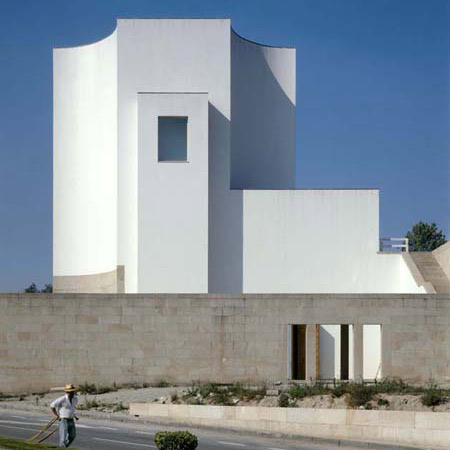
Architectural photographer Duccio Malagamba has sent us a selection of his photographs documenting the work of Portuguese architect Álvaro Siza, who was awarded the RIBA Royal Gold Medal in February.
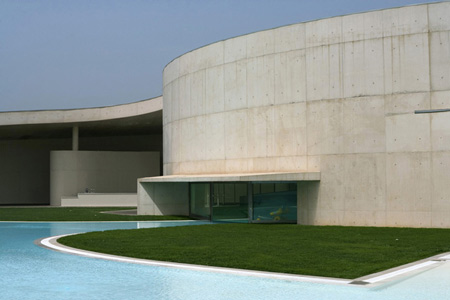
Above: Sport Facilities ‘Ribera-Serrallo’
Malagamba describes his experience of photographing Siza’s architecture over the past 18 years in this text written for Dezeen:
I fell in love with the architecture of Alvaro Siza once and forever on a sunny summer day of 1984 when I arrived from Italy – with the car that my parents generously lent me – to a ramshackle sea front of the Oporto outskirts.
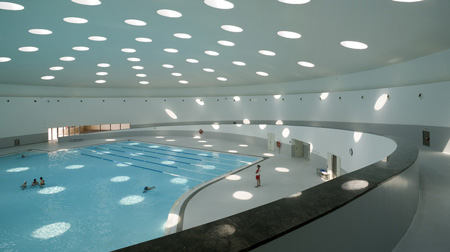
Above: Sport Facilities ‘Ribera-Serrallo’
Without searching it (being a 3rd year architecture student my information was quite poor and I was just looking for the Boa Nova Restaurant), I found the most beautiful swimming pool I had ever seen in my life.
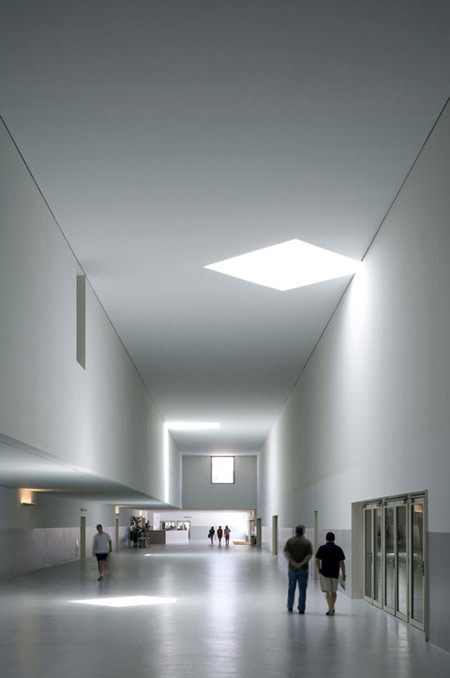
Above: Sport Facilities ‘Ribera-Serrallo’
Fulfilled with cheerful children and blurred by the oceans’ waves, the swimming pool in Leça da Palmeira seemed to me a sublime song to Architecture with capital letter: something capable to make homely – and even improve – the Nature.
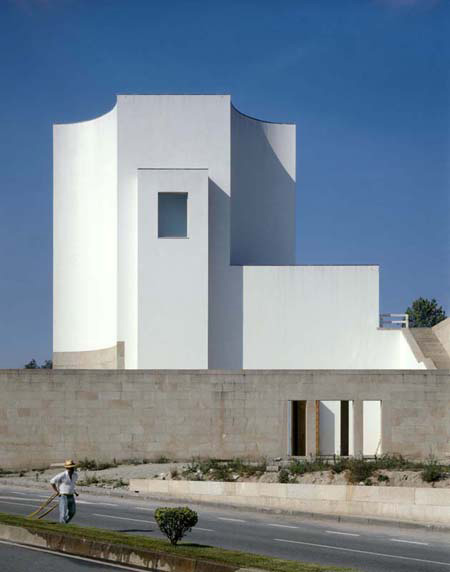
Above: Santa Maria Church
When, after a few years working as an architect, I decided to devote myself to architectural photography, my interest on Siza production became even stronger and I began to portrait regularly his work.
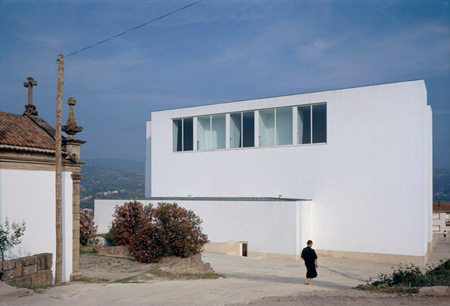
Above: Santa Maria Church
Meeting him was another highlight in my life as, since then, I got fascinated not only by his work but also by his extraordinary and generous personality.
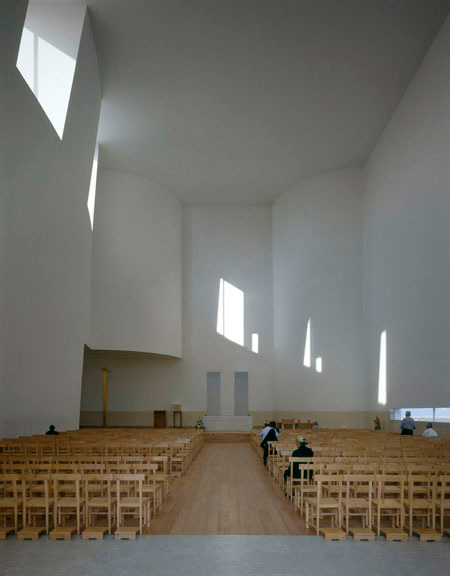
Above: Santa Maria Church
In the past 18 years I have done my best to freeze the range of sensations that I experienced spending days in the buildings Alvaro Siza designed and I would consider myself satisfied if I have been able to transmit a quantum of the solace I tasted there.
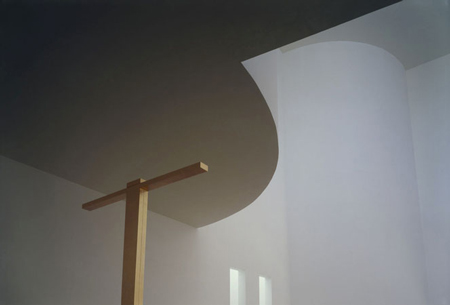
Above: Santa Maria Church
Congratulating the 2009 Gold Medalist for this well deserved new recognition, I look forward to portraiting his next masterpieces.
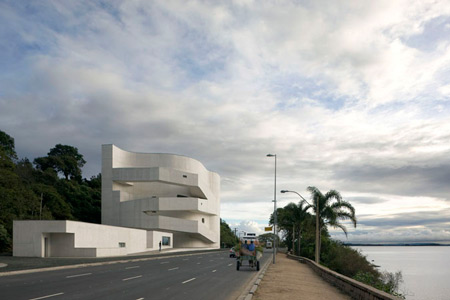
Above: Ibere Camargo Foundation
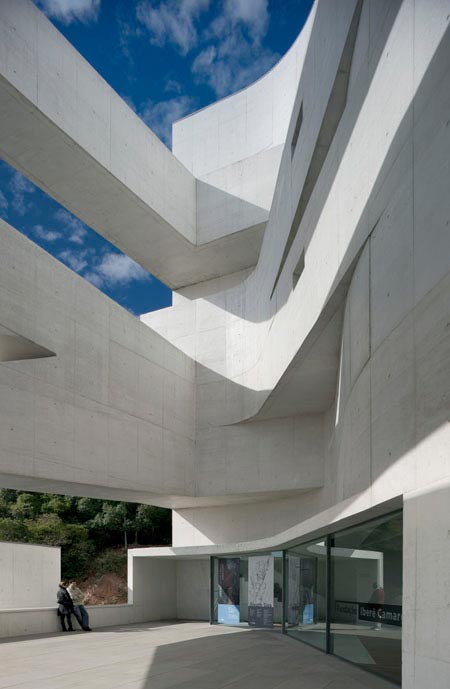
Above: Ibere Camargo Foundation
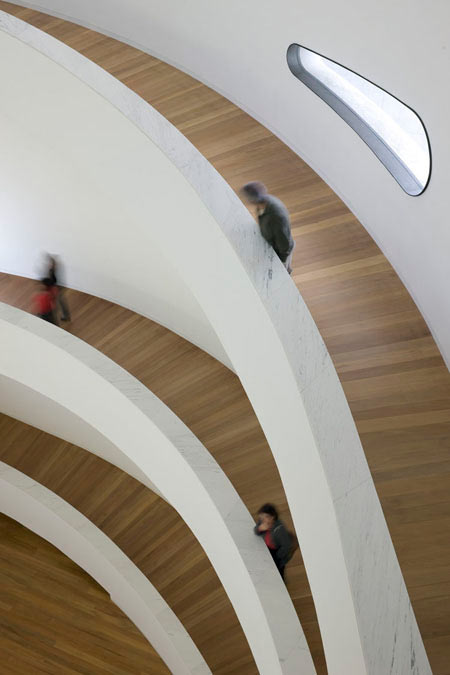
Above: Ibere Camargo Foundation
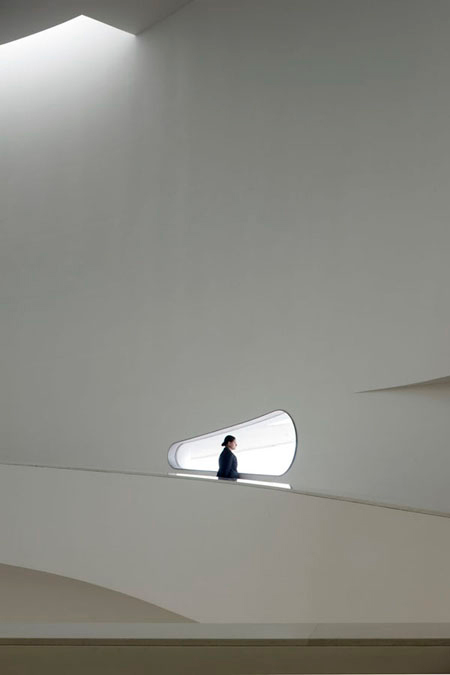
Above: Ibere Camargo Foundation
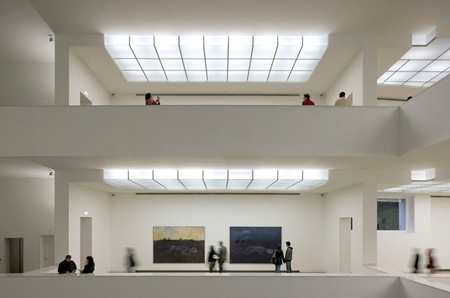
Above: Ibere Camargo Foundation
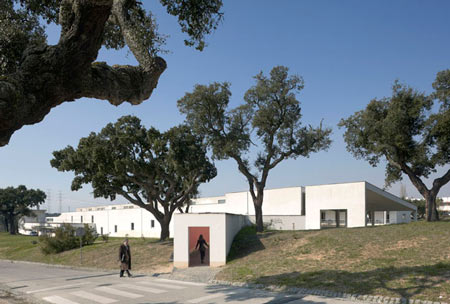
Above: E.S.E. Setubal
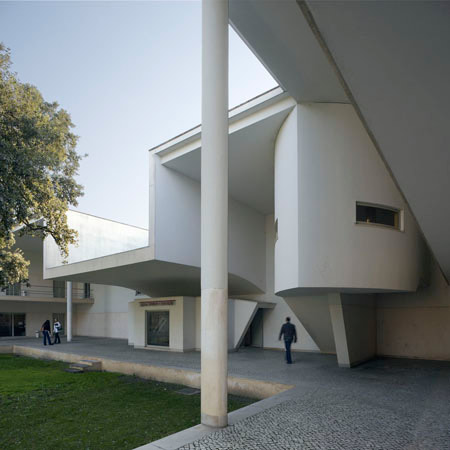
Above: E.S.E. Setubal
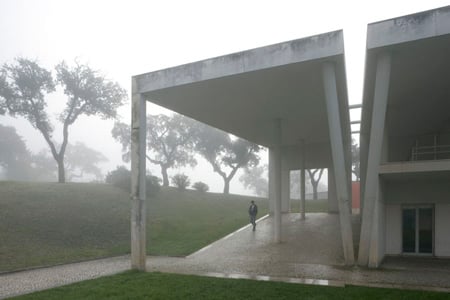
Above: E.S.E. Setubal
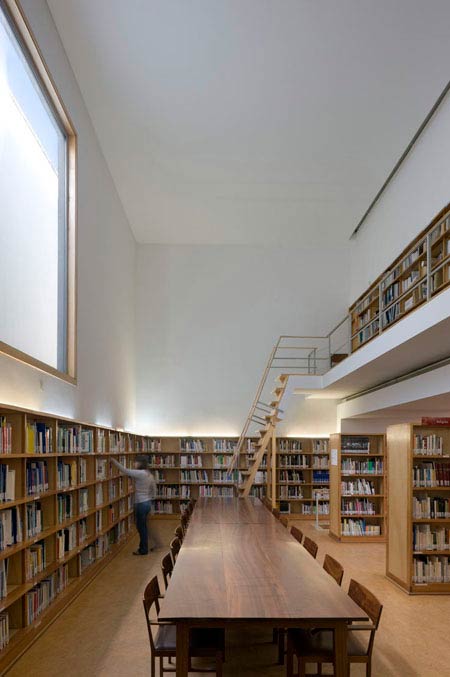
Above: E.S.E. Setubal
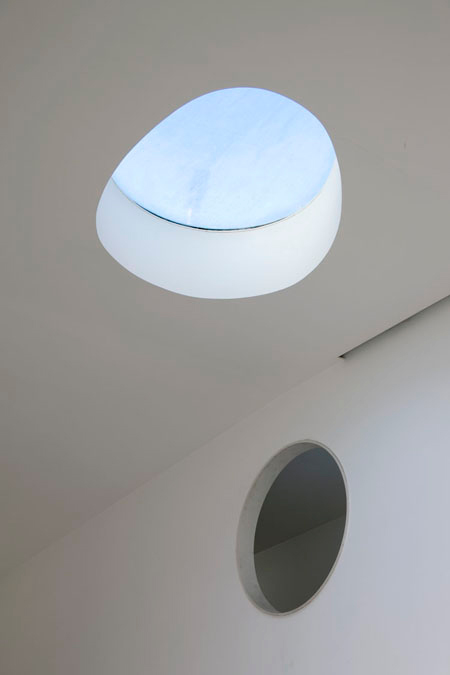
Above: E.S.E. Setubal
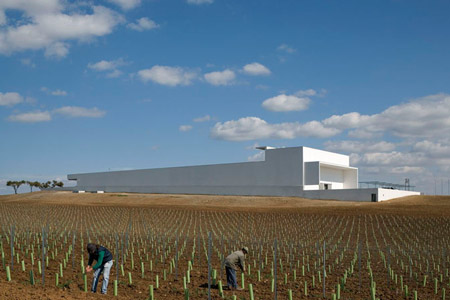
Above: Mayor Wine Cellar
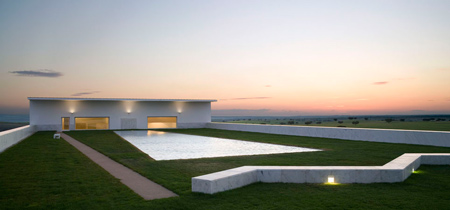
Above: Mayor Wine Cellar
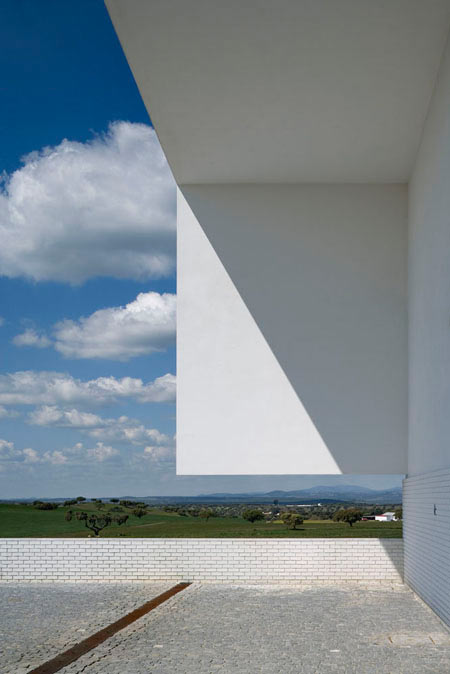
Above: Mayor Wine Cellar
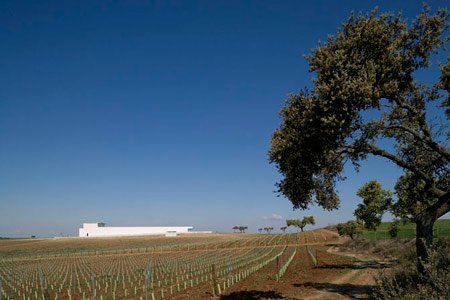
Above: Mayor Wine Cellar
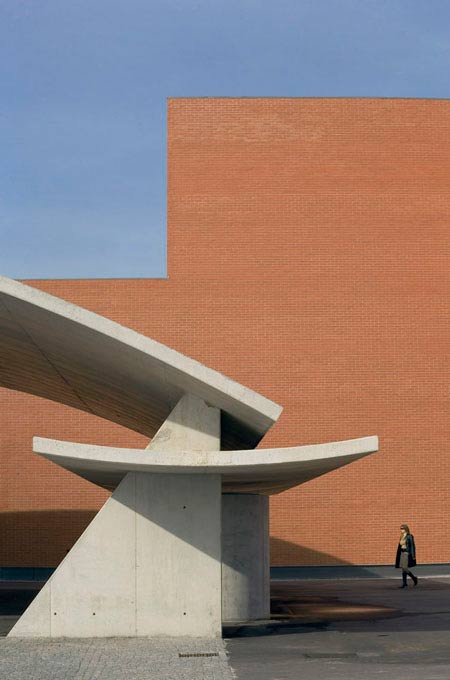
Above: Multipurpose Pavilion Gondomar
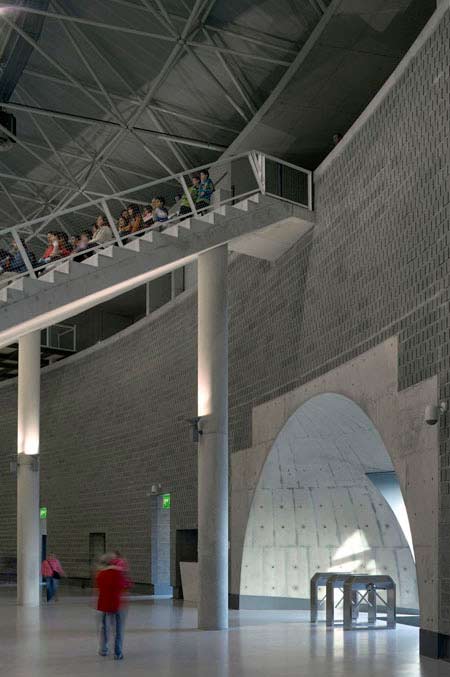
Above: Multipurpose Pavilion Gondomar
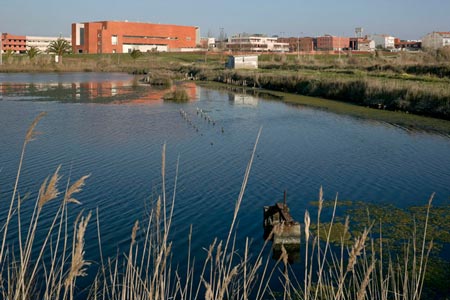
Above: Aveiro University Library
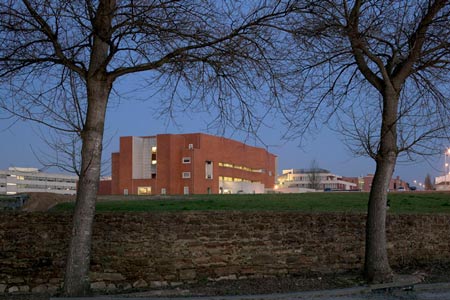
Above: Aveiro University Library
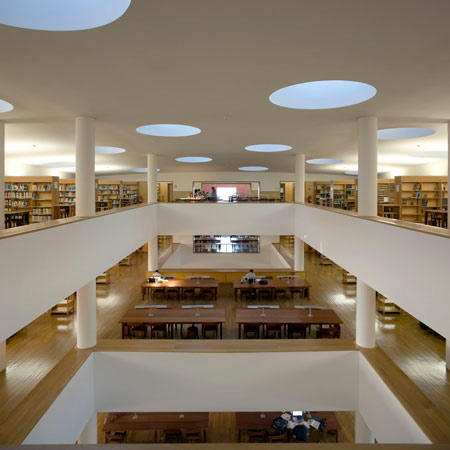
Above: Aveiro University Library
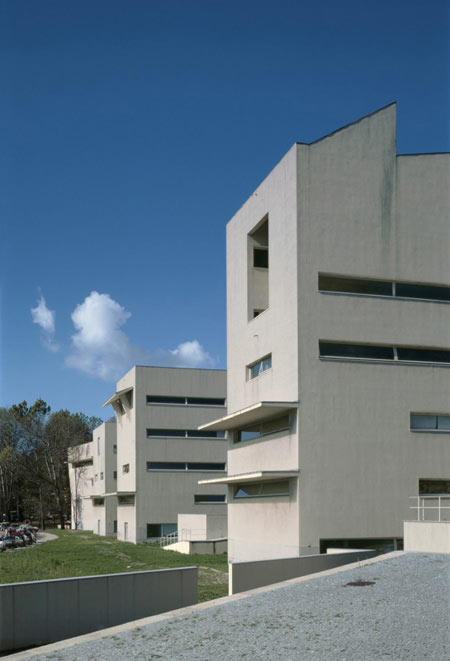
Above: Faculty of Architecture, Porto
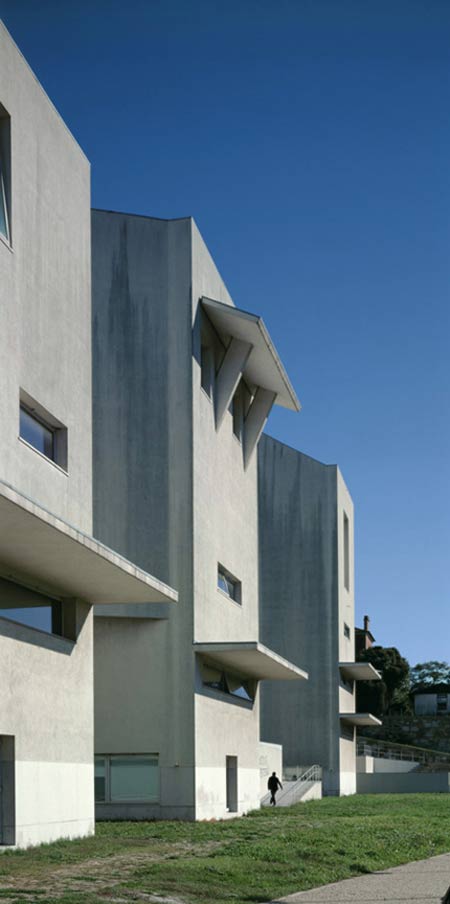
Above: Faculty of Architecture, Porto
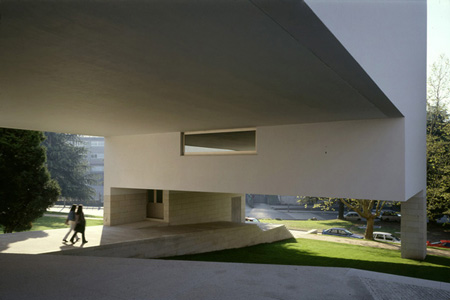
Above: Faculty of Communication Studies
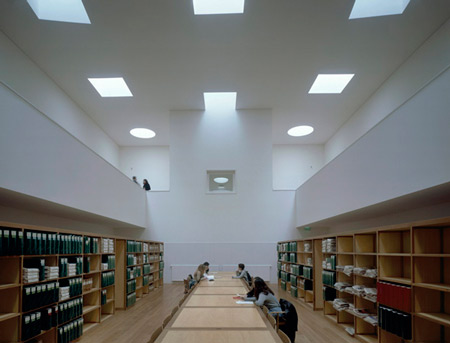
Above: Faculty of Communication Studies
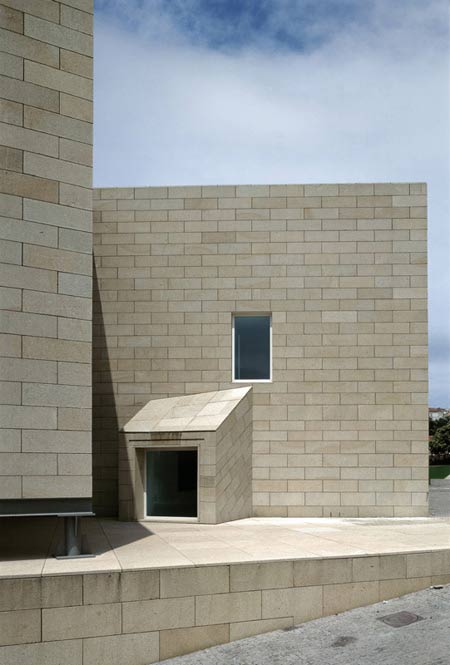
Above: Galician Centre for Contemporary Arts
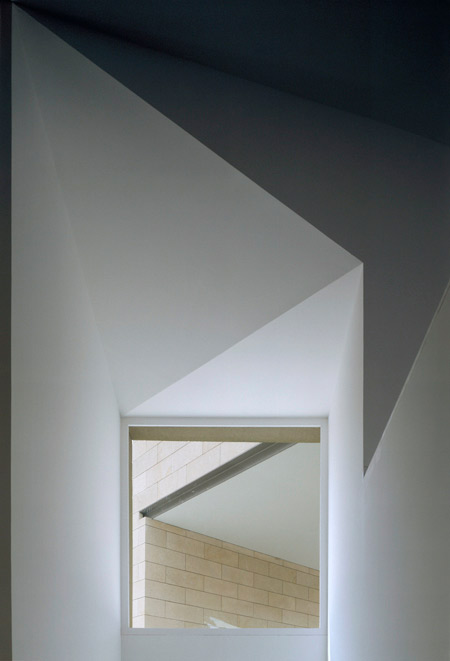
Above: Galician Centre for Contemporary Arts
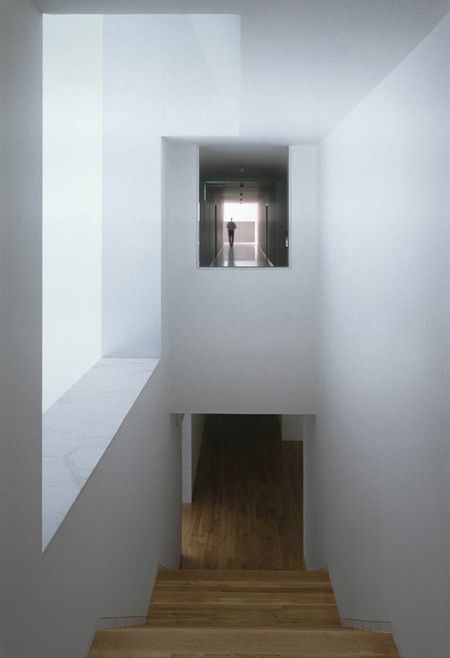
Above: Galician Centre for Contemporary Arts
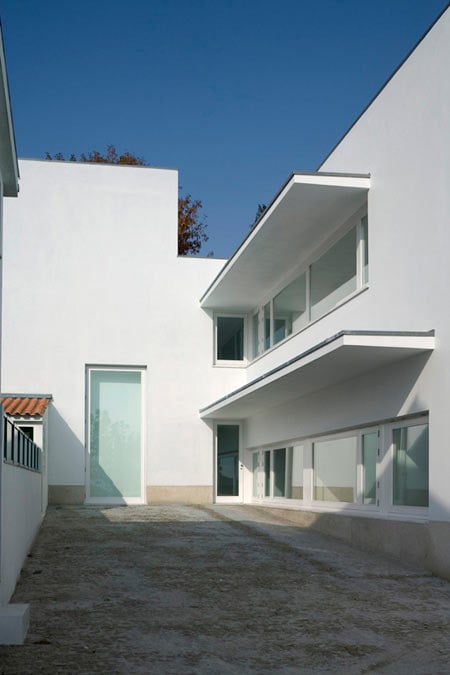
Above: Parish Centre, Marco de Canaveses
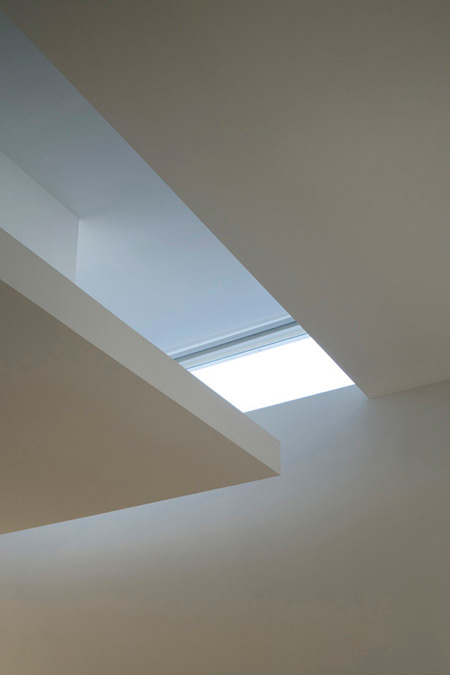
Above: Parish Centre, Marco de Canaveses
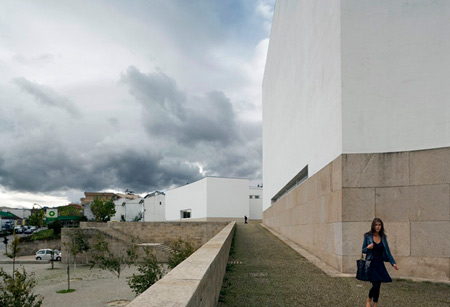
Above: Parish Centre, Marco de Canaveses
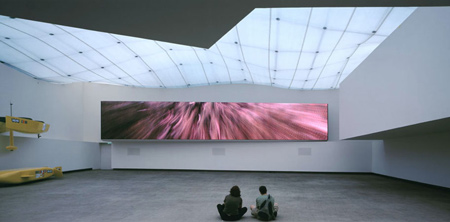
Above: Portuguese Pavilion Expo 2000
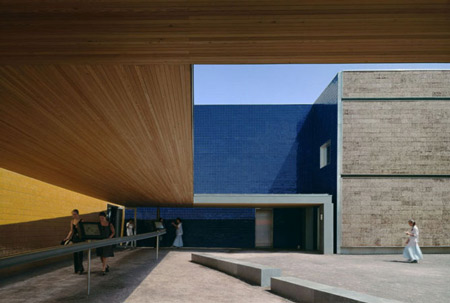
Above: Portuguese Pavilion Expo 2000
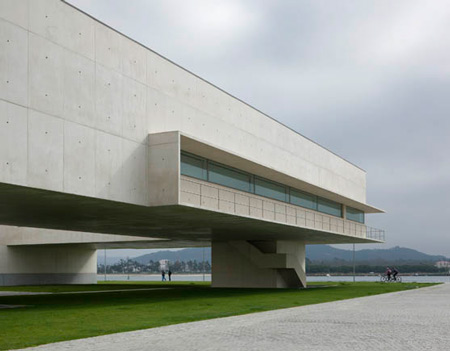
Above: Public Library Viana do Castelo
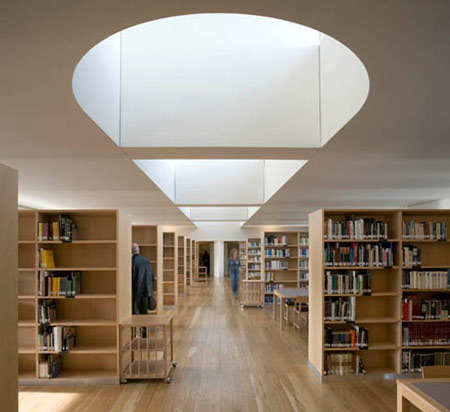
Above: Public Library Viana do Castelo
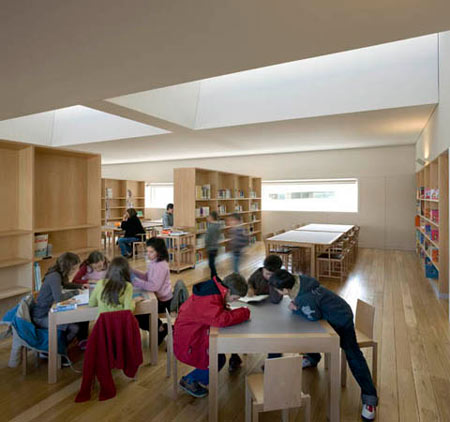
Above: Public Library Viana do Castelo
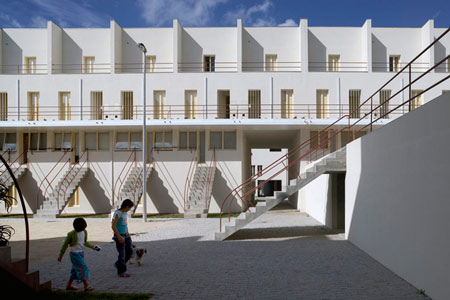
Above: SAAL Bouça Housing
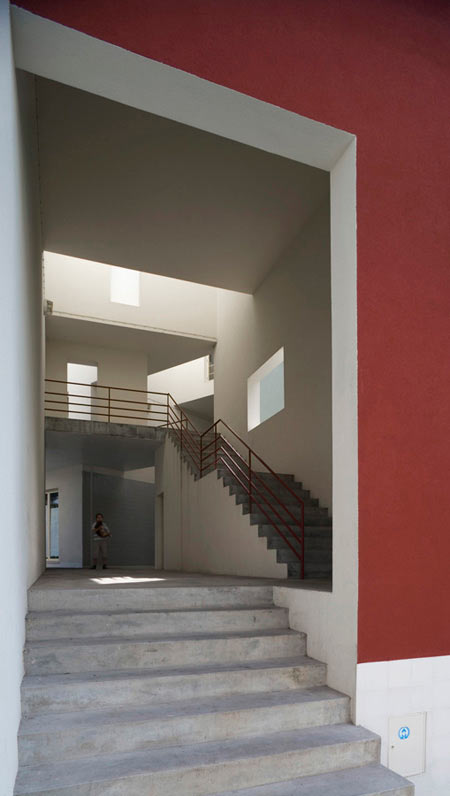
Above: SAAL Bouça Housing
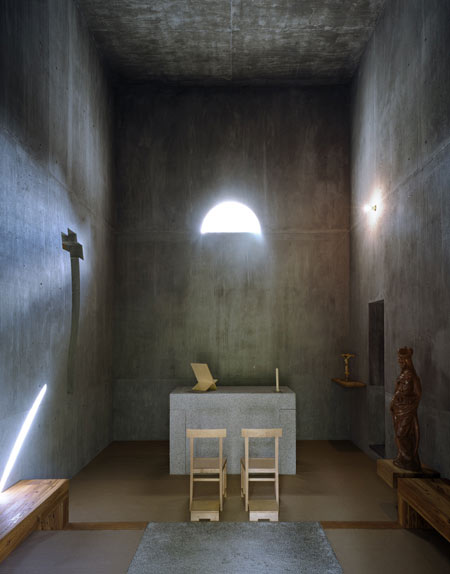
Above: Santo Ovidio State
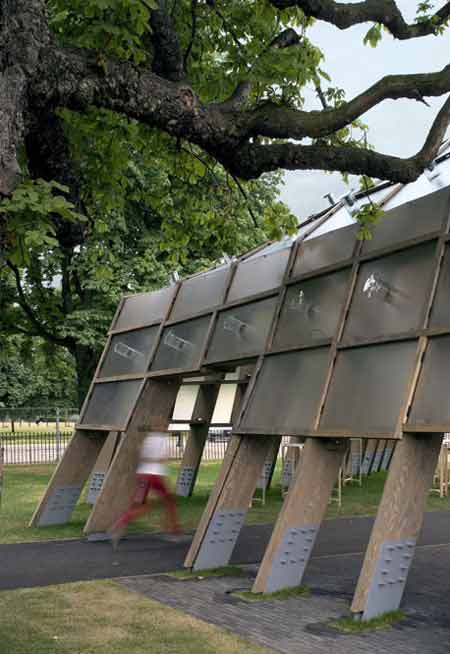
Above: Serpentine Gallery Pavilion 2005
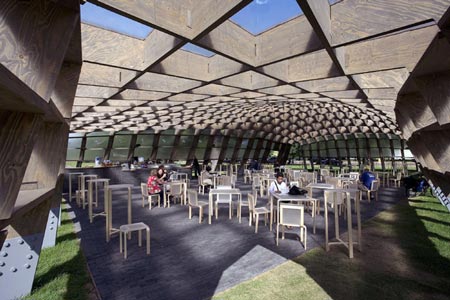
Above: Serpentine Gallery Pavilion 2005
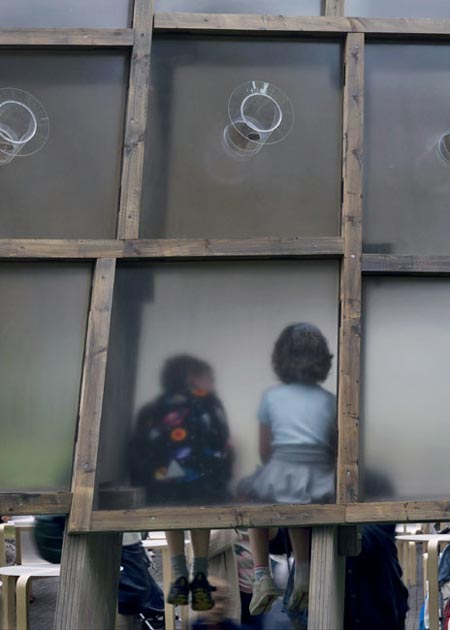
Above: Serpentine Gallery Pavilion 2005
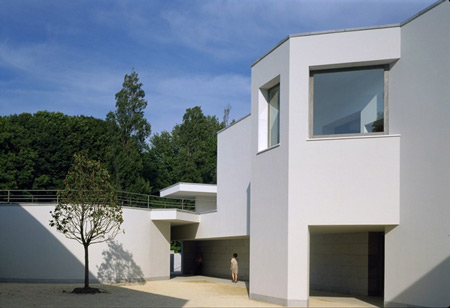
Above: Serralves Foundation
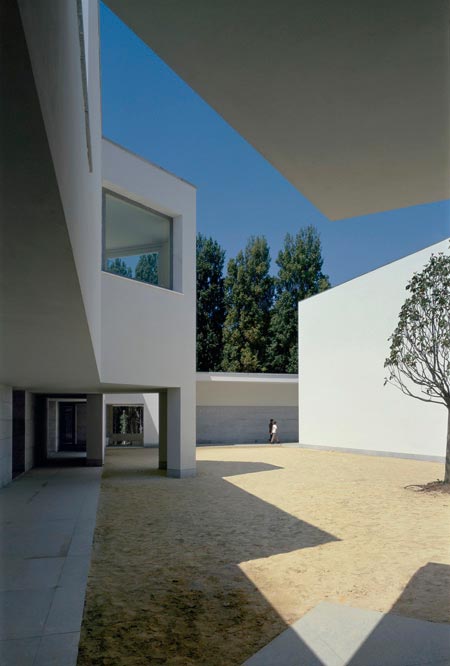
Above: Serralves Foundation
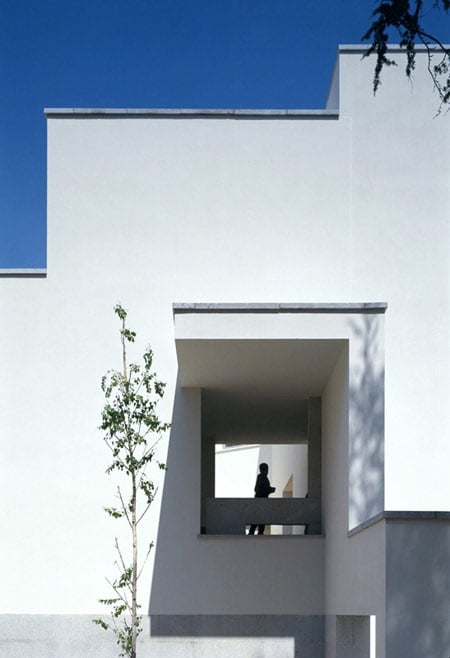
Above: Serralves Foundation
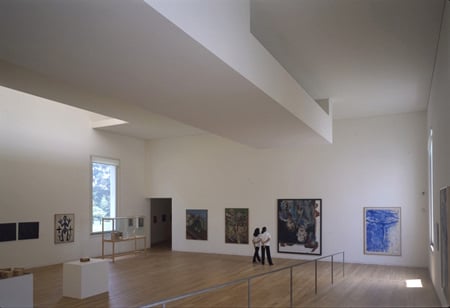
Above: Serralves Foundation
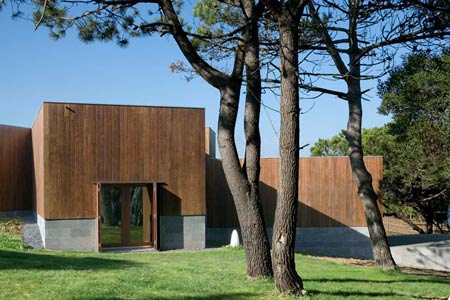
Above: Summer House in Sintra
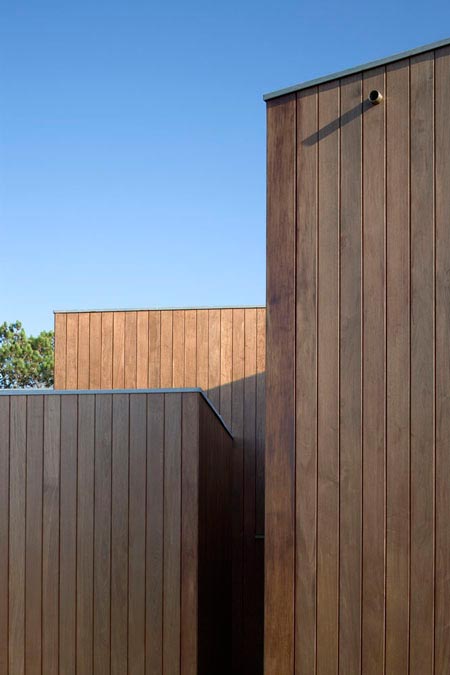
Above: Summer House in Sintra
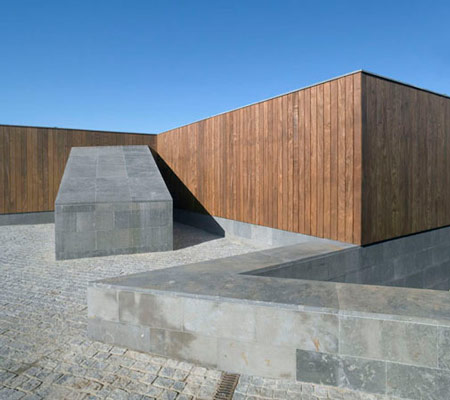
Above: Summer House in Sintra
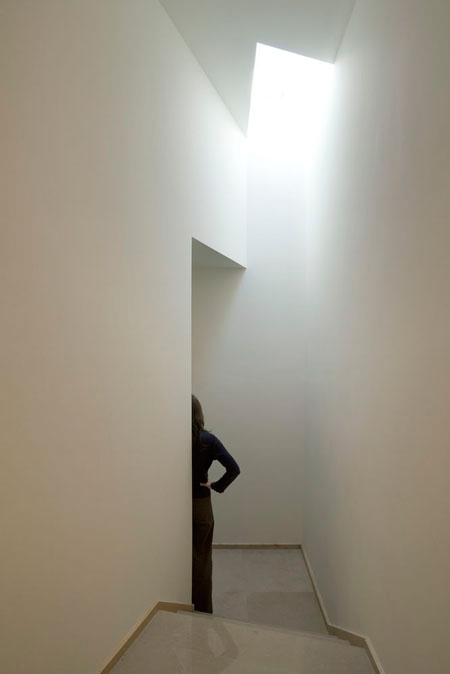
Above: Summer House in Sintra
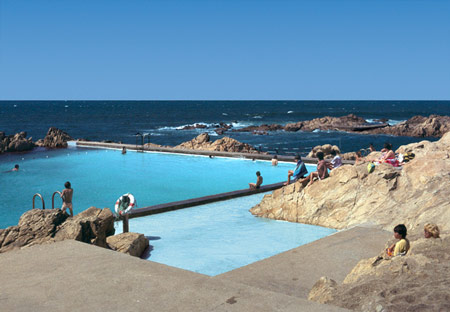
Swimming pool Leça da Palmeira
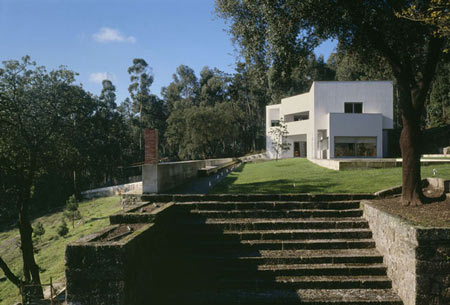
Above: Vieira de Castro House
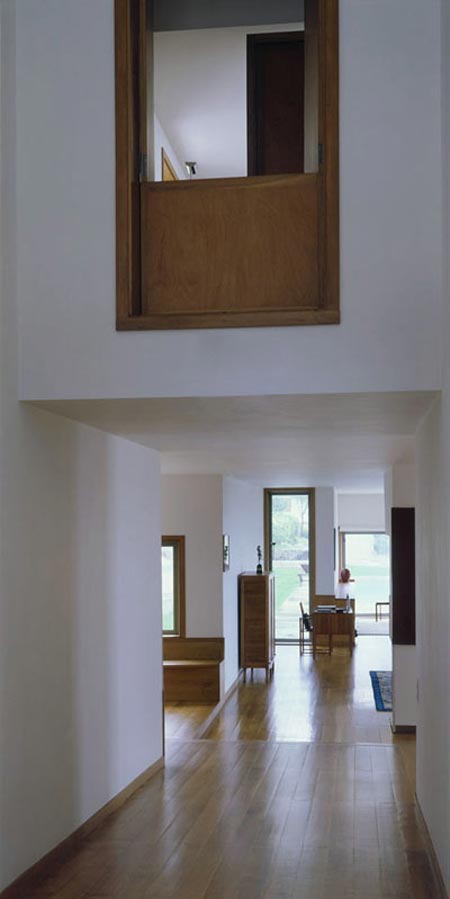
Above: Vieira de Castro House


May 23rd, 2009 at 10:20 am
Veri nice picture- i love this architect- work is simple with a little touch of crazynes
May 23rd, 2009 at 3:03 pm
Estranha-se depois entranha-se!
May 23rd, 2009 at 5:53 pm
woooooooooooooooooow!!!!!!!!
May 23rd, 2009 at 5:54 pm
Unfortunately, it’s hard to find an architect like this nowadays.
May 23rd, 2009 at 10:21 pm
Just fantastic – one of the most important architects of the 20th century!!!
May 23rd, 2009 at 10:37 pm
.
a scatterer of modernist relics, of chunky concrete forms ripped from the thirties into the contemporary world.
a poet of humbleness, a singer of numbness, of unimaginative forms,
of calvinist self inflicted architectural pain, an enemy of hedonism, horrified by the simple pleasure of the contemplation of a luxurious moulding, a rich material, a self indulgent space.
he is to architecture what religious integralism is to society,
self obsessed by moral architecural integrity, his greatest fear, to design a building that a common man could describe simply as beautiful.
May 23rd, 2009 at 11:07 pm
Álvaro Siza’s work is true architecture. His buildings have always such a respect to their surroundings. The landscape is always respected. Space breads.
Good work to Duccio. Your photographs transmit serenity towards Siza’a work.
May 24th, 2009 at 12:00 am
One of the world’s (living) Top 5 architects….
May 24th, 2009 at 1:10 am
breath-taking
May 24th, 2009 at 6:30 am
stunning… always admired his works and always will… hail siza!
May 24th, 2009 at 9:36 am
Funny how this story goes uncommented and every story on Zaha Hadid gets dozens of meaningless comments.
Siza is one of the few living masters.
Do not take this as an insult to Zaha Hadid.
May 24th, 2009 at 12:15 pm
Fantastic visual overload! Great images of great architecture…
May 24th, 2009 at 6:29 pm
great architect, great photographer.
May 24th, 2009 at 10:56 pm
fantastic. his studio is hitting on all cylinders right now.
May 24th, 2009 at 11:35 pm
I just love Siza’s architecture….I think its just….wow.
Thank you guys so much for this article!
Great photography!!
Awsome all…..As you can see, I’m very happy
May 25th, 2009 at 1:23 am
the greatest architect alive! beautiful, honest, human architecture, sublime!
May 25th, 2009 at 5:27 am
Just Great !
May 25th, 2009 at 2:49 pm
Some remarkable symmetry in there. Bravo.
What an achievement.
May 25th, 2009 at 3:51 pm
Alvaro is a genius!
May 25th, 2009 at 10:36 pm
Monumental some of it, but always with a human scale. I wish I could walk some of that space.
May 26th, 2009 at 12:30 pm
these photos are wonderful!
i always admire alvaro siza!! his work has a kind of ‘ever-expanding’ quality.
May 27th, 2009 at 2:55 am
one of the best architects in the world!
great works, great photographs!
May 27th, 2009 at 12:41 pm
windbag… you’re an idiot.
it is deplorable when a pretentious insignificant feck like you decides to write such inflammatory and incorrect stuff about one of the best architects alive. shame on you you blog parasite!
May 27th, 2009 at 8:37 pm
windbag… let us know who you’re suggesting is the anti-thesis of this miserable monk. then we can all have a good laugh.
May 27th, 2009 at 8:39 pm
Frank+Brad Pitt probably. huh? or maybe even they are not hedonistic enough to fit your criteria.
May 27th, 2009 at 10:59 pm
roadkill, a fan uh?
May 27th, 2009 at 11:05 pm
25 comments of people fainting just by hearing the name “Alvaro”, 1 comment slightly critical, seems fair enough to me.
sorry to have spoiled the 100% approval record.
I’m open to discuss about Siza, but not with diehard fans, sorry Sahand.
May 28th, 2009 at 11:23 am
you are definitely in the wrong section mate… try http://www.windbagisanidiot.com
May 28th, 2009 at 10:17 pm
lol, a 5 year old fan of Siza, wierd!
May 29th, 2009 at 3:56 pm
Windbag – I’m not a diehard fan, I would say I’ve just discovered his work, but I think your analysis is unsophisticated. I can’t believe you think he’s “an enemy of hedonism, horrified by the simple pleasure of the contemplation of a luxurious moulding” – ok, luxurious moulding no, but simple pleasures, yes. Many of these photos made me smile, responding to the the subtle, beautiful ways they frame human and landscape. You may read it as moralism, but I don’t think there’s anything puritannical about formal restraint; it is an enabling architecture rather than one that speaks to the users too much, like the “self indulgent space” you seem keen on.
I think actually it’s possible to affirm more lasting pleasure and deny hedonism – the compulsive, all-consuming pursuit of ephemeral pleasures, and this to me seems healthy rather than moralistic.
May 31st, 2009 at 11:09 pm
Jamiego, I had him as a teacher and belive me, he’d rather cut off his arm rather then drawing a decorative, non functional element. That’s just the way he is, that’s not necessarily to say it’s a negative thing, but in my opinion it’s a limit.
We live in a post modern society, where contaminations and freedom of expression have reached unexpected possibility, it seems limited to me to work today with the frame of mind of brazilian modernism of the thirties.
June 1st, 2009 at 7:00 pm
Well, is a decorative, non-functional element ever good architecture? What’s the point of being excessive just for the sake of it?
June 1st, 2009 at 11:45 pm
Jamiego, sorry but it seems like you’re stuck in 1908 with Adolf Loos and his Ornament and Crime.
I suggest you update your vision by reading “Complexity and Contradiction in Architecture” by Robert Venturi, a book that changed everything about Architecture after its publication and, well, will surely answer your 2 questions above.
June 5th, 2009 at 6:53 pm
Windbag, you are unnecessarily condescending.
Your rejection of modernism and embrace of a very crass take on post-modernism seems to be iconoclastic for the sake of it, and is frankly boring. Unlike Siza’s architecture, which is both considered and delightful.
June 5th, 2009 at 6:56 pm
As for comparing me to Loos – the little architecture he produced was rubbish, and the Secessionist style he criticised was exquisite. So I don’t see many parallels there.
June 6th, 2009 at 12:21 am
well, i’m proud to be portuguese
brilliant architecture, hard to find nowadays!
June 6th, 2009 at 2:24 pm
Jamiego, Sezession was all about “decorative, non-functional elements”, so you shouldn’t consider it good Architecture, according to your statement.
And the “little architecture” of Adol Loos is at the very roots of rationalism, so, of course, of Alvaro Siza’s poetic.
I don’t think he would agree with you on the judgement on the austrian architect. As a matter of fact he is an admirer of Loos and Hoffmann, and this is quite evident looking at his buildings.
About being condescending, I was only suggesting the reading of a great book that can broaden your knowledge, you don’t need to be upset.
Personally I’m always happy if someone points me to something I don’t know, I consider it an occasion to expand my vision of things.
June 6th, 2009 at 11:32 pm
siza is a legend, just goes beyond almost all architects with his close to perfect massing
June 7th, 2009 at 1:47 pm
What an beautiful church, and the ability to capture the serenity and peace which must be experienced within the building is amazing.
June 7th, 2009 at 3:43 pm
I think Loos’ polemical writings rather than his architecture had a greater impact on the development of rationalism. I never described Secessionist style as architecture did I? I don’t really think it matters if Siza agrees with me about Loos (who you brought into the argument, and I am criticizing his architectural work, not his underlying philosophy). I was trying to illustrate that appreciating Siza’s formal restraint is not at odds with appreciating well-crafted, extravagant detailing in other places and that you do not need to invoke Venturi as some talisman that says “get over modernism” – modernism is more complicated and subtle than a Loos soundbite. Art Nouveau was also a modernist movement.
As for “suggesting the reading of a great book that can broaden your knowledge” – the original suggestion was made after saying I was stuck in 1908, so it seems reasonable to read derision into your post.
October 3rd, 2009 at 4:49 pm
I would say that Complexity and Contradiction in Architecture by Venturi has a lot to do with the complexities and contradictions on Siza’s work. It’s true that he uses the complete modern architectural repertoire of the beginning of the 20th century but he uses these in a very provocative way, distorting its orthodox rules of transparency of form following function of structural integrity (etc, etc).
The unexpected location of a structural column that contradicts our perception, the complex articulation of volumes that generate simultaneous readings of the overall mass, the up-sized scale of a 6m tall entrance door that triggers our notion of space … all of this is wisely played in Siza’s buildings to trick the eye, to create a complex chain of emotions… pretty much like the logic that drives certain baroque pieces of architecture. And in my opinion this is exactly what Venturi was talking about, not necessarily ornament.