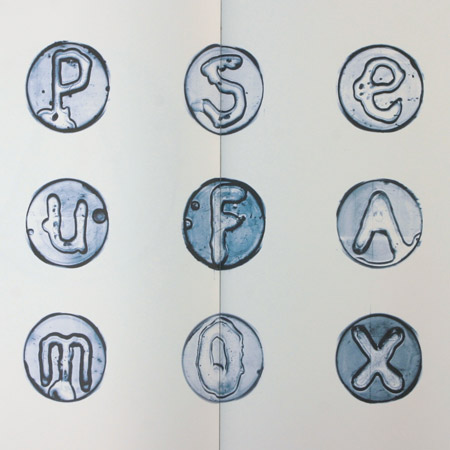
Virtureal by Jelte van Abbema


Dutch Design Week: here’s a second project by Jelte van Abbema, winner of the Rado Prize at the Dutch Design Awards in Eindhoven last week, which explores how to express emotion through the digital word.
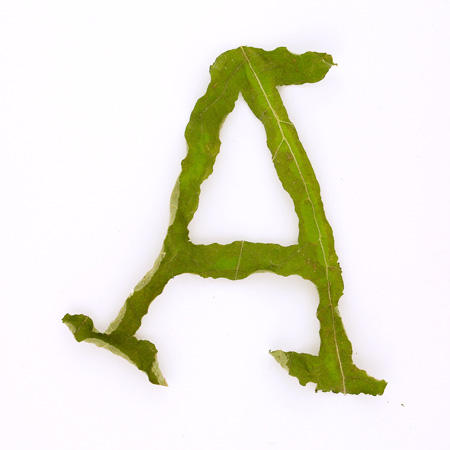
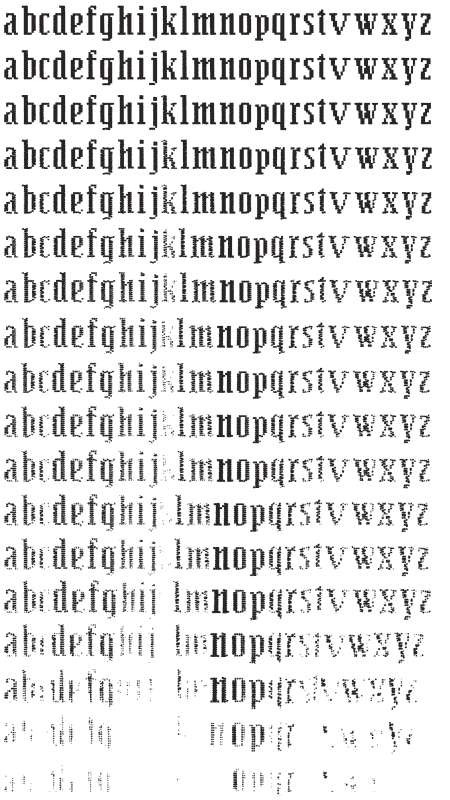
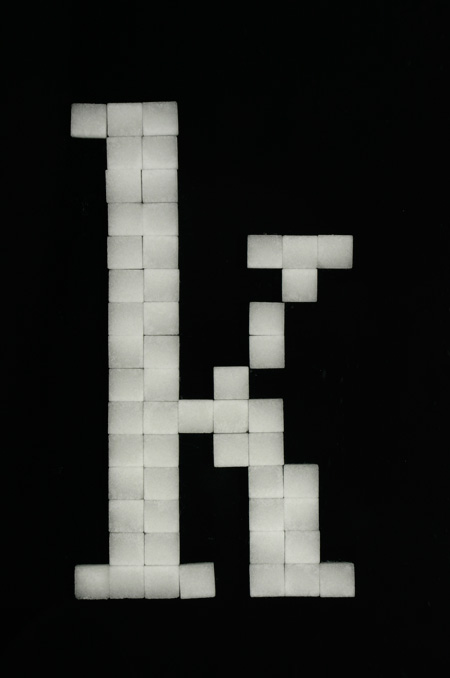
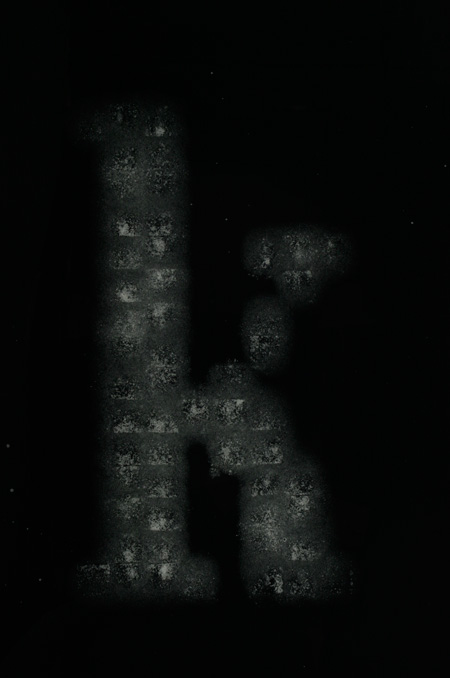
Called Virtureal, the research project involved creating fonts that deteriorate over time like a shrivelling leaf (above) or dissolving sugar.
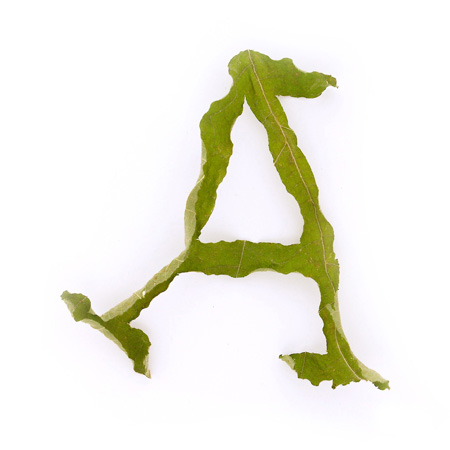
Below: Alfablad font.
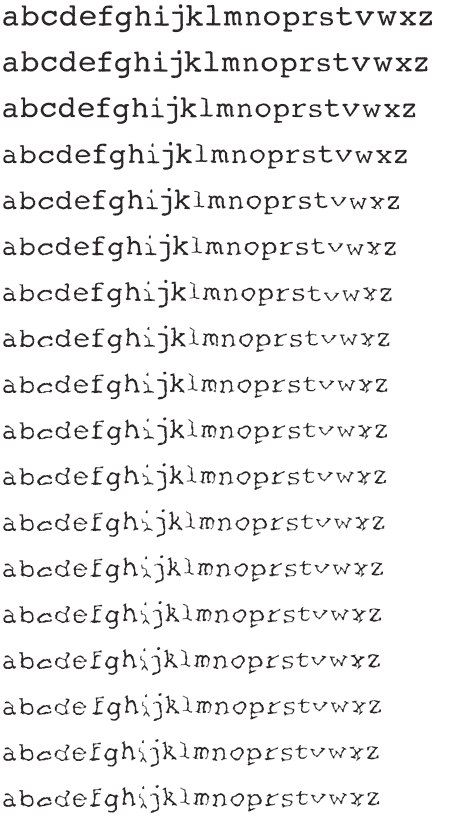
Below: Oplossen font
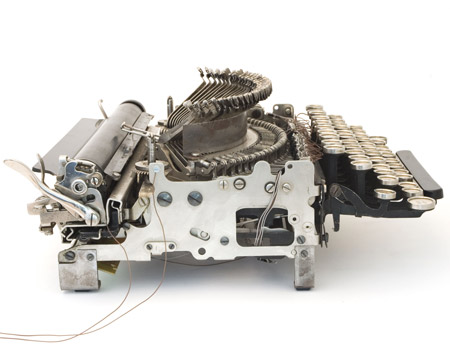
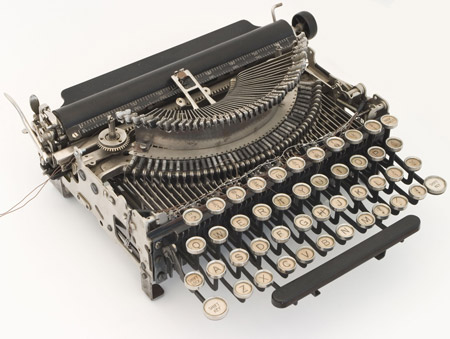
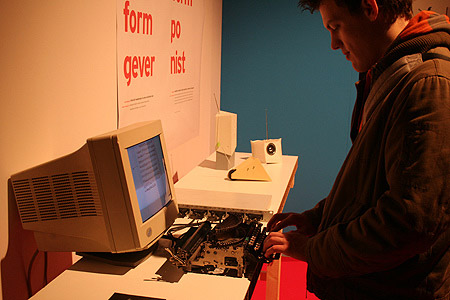
Van Abbema also attached sensors to an old-fashioned mechanical typewriter (below) so that words appearing on a computer screen varied in intensity according to how hard the keys had been struck.
See our earlier story on Symbiosis by Jelte van Abbema – a project that involved printing with bacteria.
Here’s some text from the designer:
—
Virtureal
Computers lack senses and a method for expression to transfer emotions from the writer to the reader.
The digital word is not capable of recognizing these emotions, much less the nuances or intonation of real life.
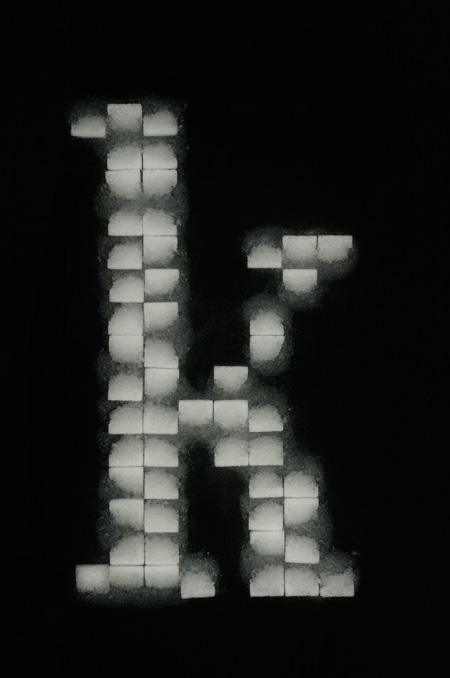
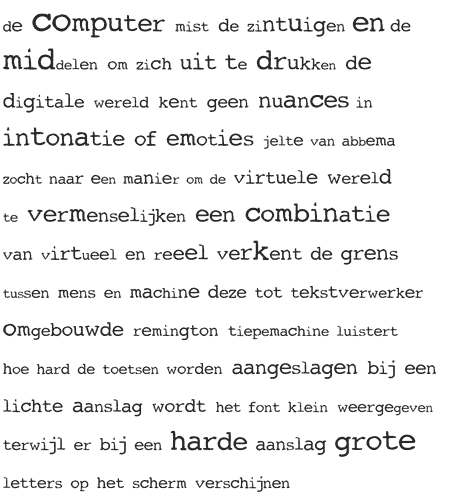
Virtureal, a combination of the virtual world and reality, explores the boundaries between man and machine by listening to the pressure of touch.
By incorporating modern sensors in an old Remington typewriter, emotional communication through a computer is recorded with each keystroke.
A light touch now becomes a whisper of small characters, and a shout can be seen to fill the screen.
Moreover, van Abbema’s fonts change with the passage of time as leaves shrivel with age or sugar cubes dissolve in water. The typography now reflects the thoughts and emotions of its creator.
Read more
Recommended stories
Vilo is a handheld device designed to provide comfort after pregnancy loss
Modern Day Snail Mail by Cristina Vanko
Ori Elisar grows typography in a lab using bacteria-filled petri dishes
Decoy Font protects messages from being read by AI
Vera van der Burg puts AI and ceramics into “reflective” feedback loop
Material choices can impact user interactions with technology says Future Facility
Haptic lingerie uses AI to craft erotica based on the user’s touch