
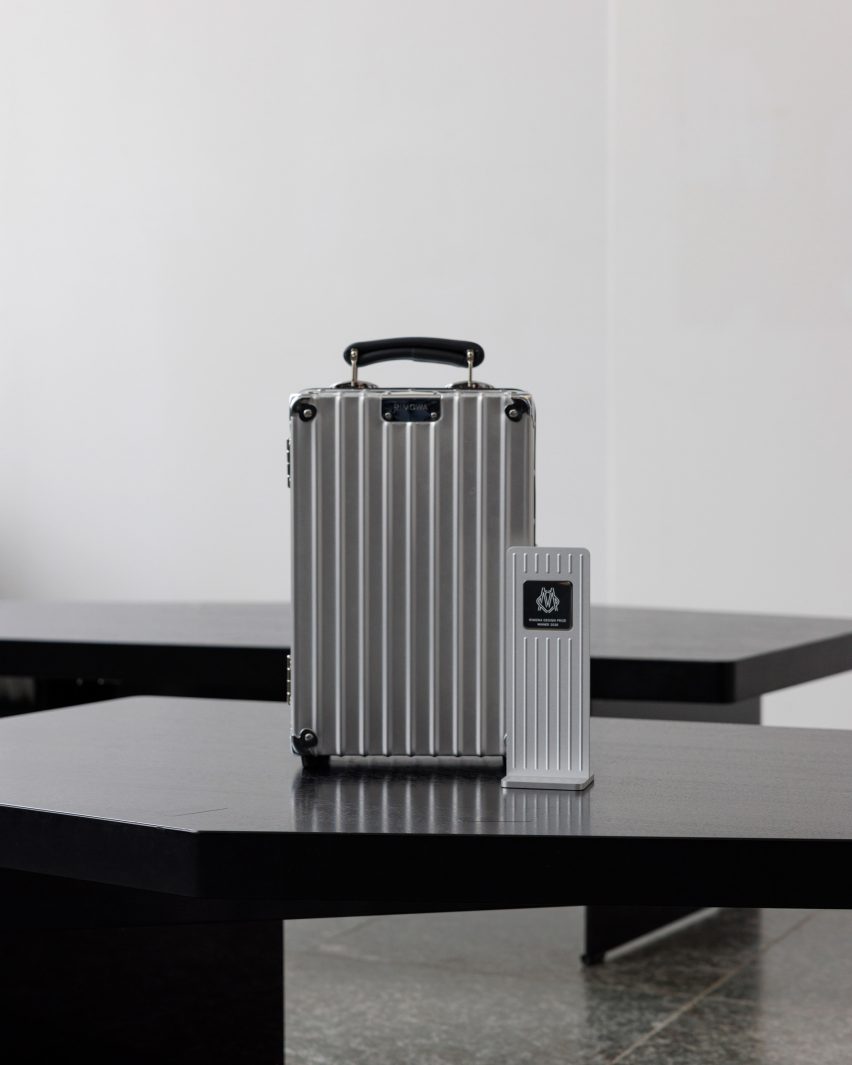
Nura, a wearable communication device that converts sign language into spoken words while converting speech into readable text for deaf users, has won the Rimowa Design Prize 2026, as shown in this video produced by Dezeen.
Presented during the annual ceremony in Berlin, the winner was selected among seven finalist concepts that explored different interpretations of mobility, ranging from emergency response tools to autonomous systems designed for pollination and biodiversity.
The Nura sign language bracelet won the Rimowa Design Prize 2026
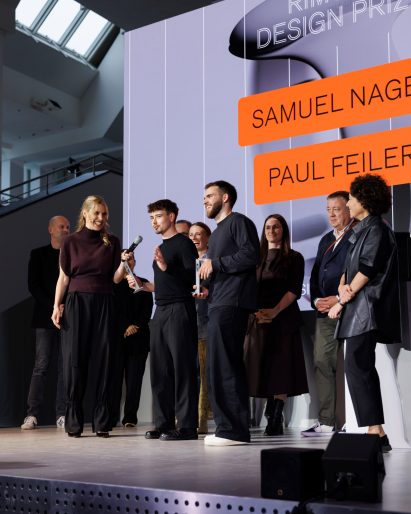
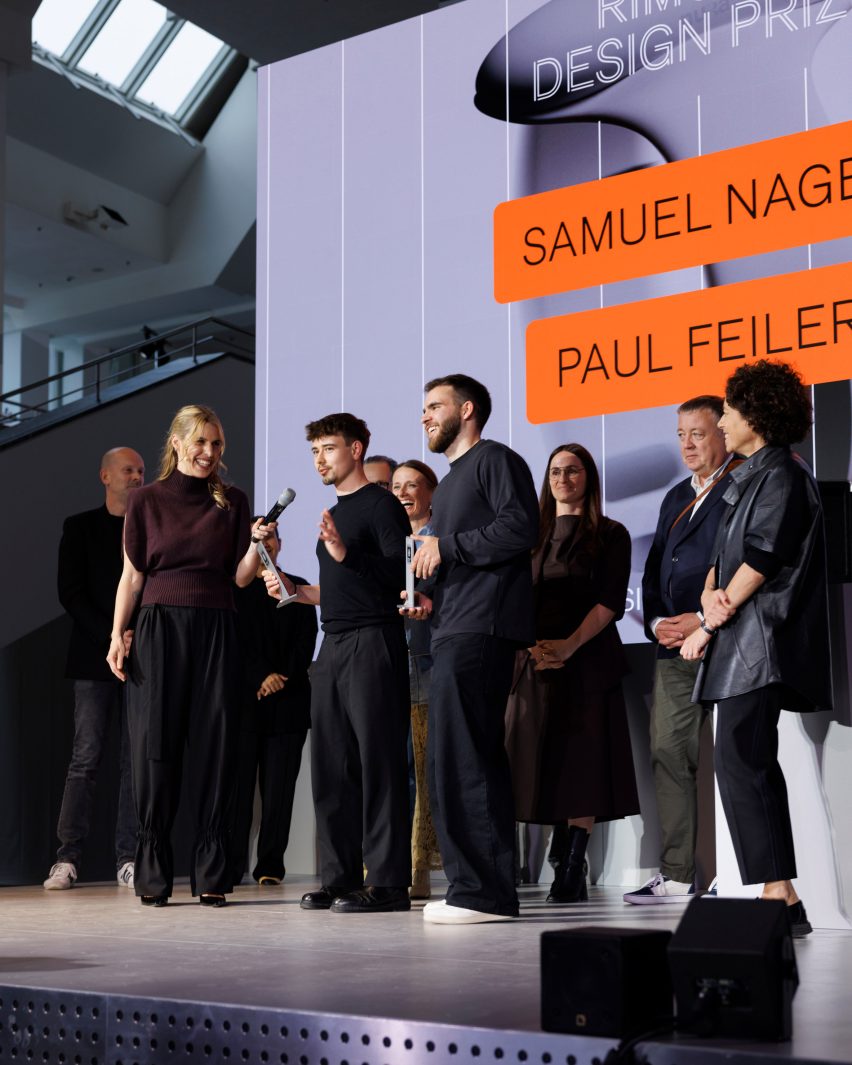
Samuel Nagel and Paul Feiler were presented with the trophy and a €20,000 prize at a ceremony at Berlin’s Kulturforum for Nura, a wearable communication device designed to bridge interactions between deaf and hearing individuals.
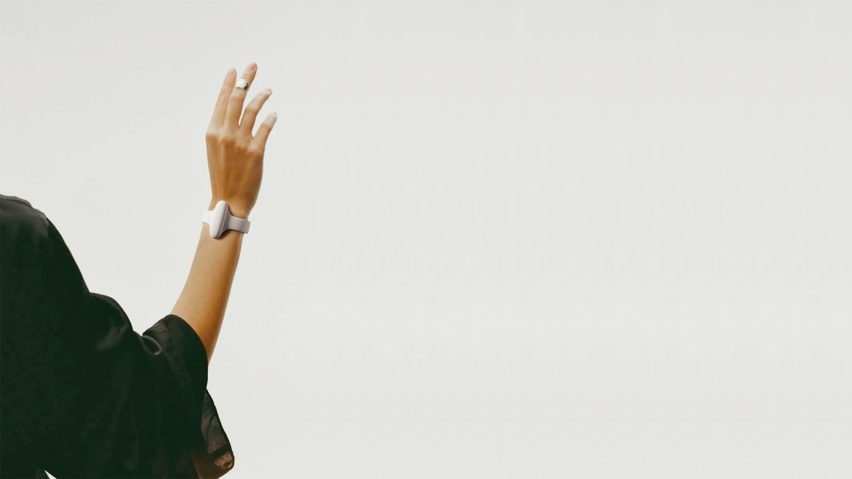
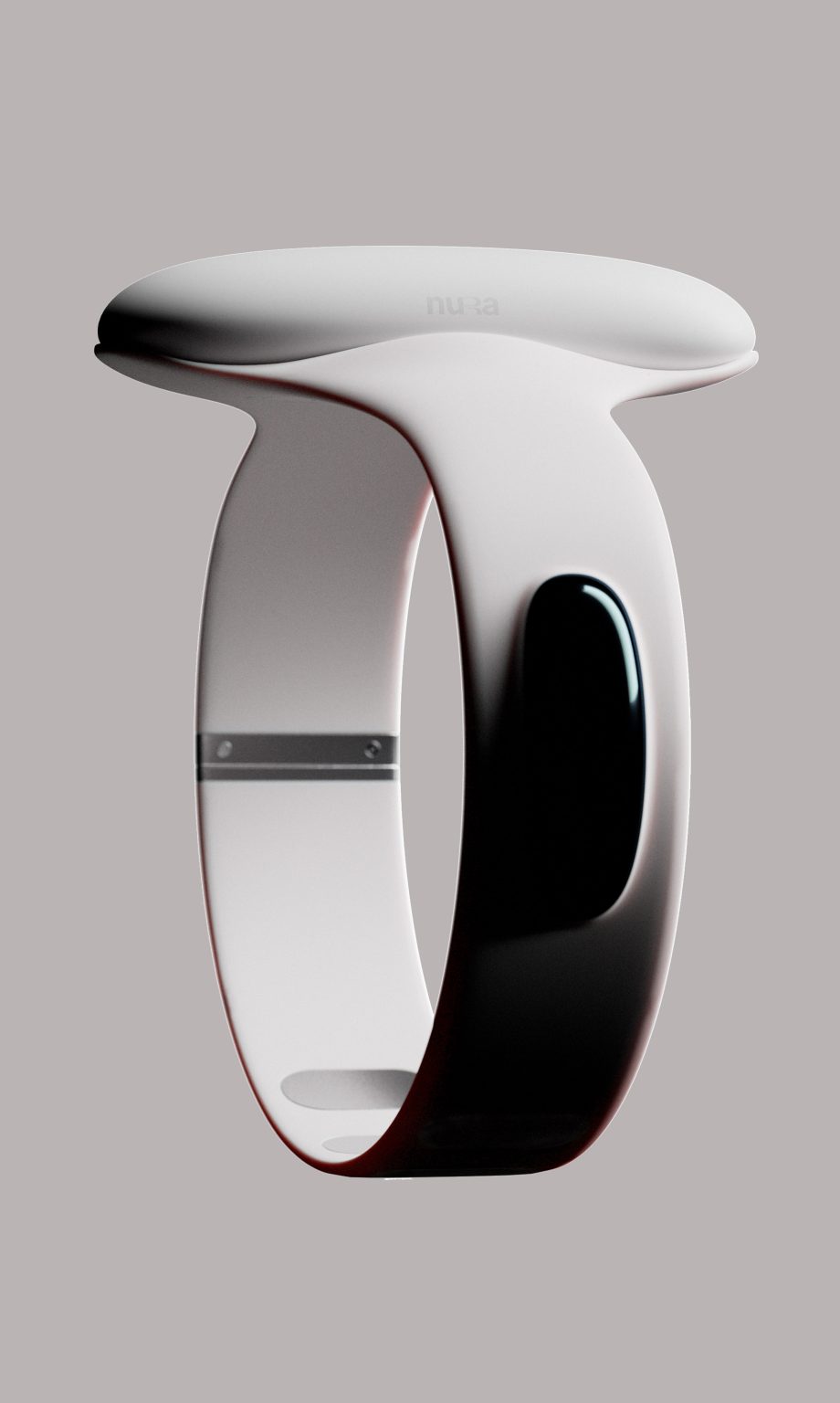
Developed under the mentorship of Siemens Healthineers head of industrial design Tim Richter, the bracelet uses electromyography (EMG) sensors to capture muscle activity in the forearm and translate sign language into spoken words.
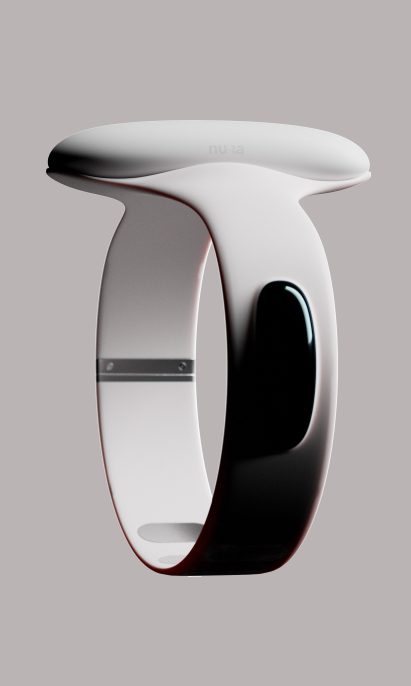
An integrated camera also analyses facial expressions to support more accurate interpretation, combining multiple forms of non-verbal communication.
Spoken words are simultaneously transcribed into readable text for deaf users, enabling two-way communication between deaf and hearing individuals.
Rather than presenting assistive technology as purely functional medical tools, the designers shaped the bracelet with flowing forms inspired by manta rays so it reads more like jewellery or a lifestyle accessory.
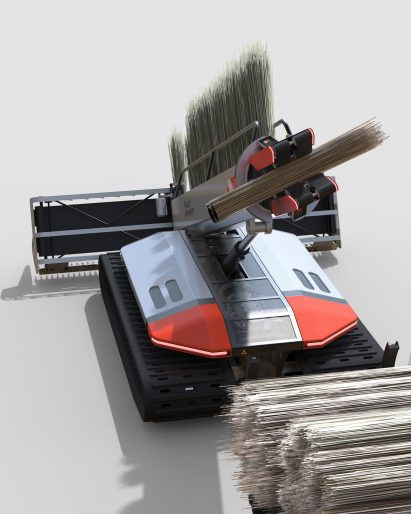
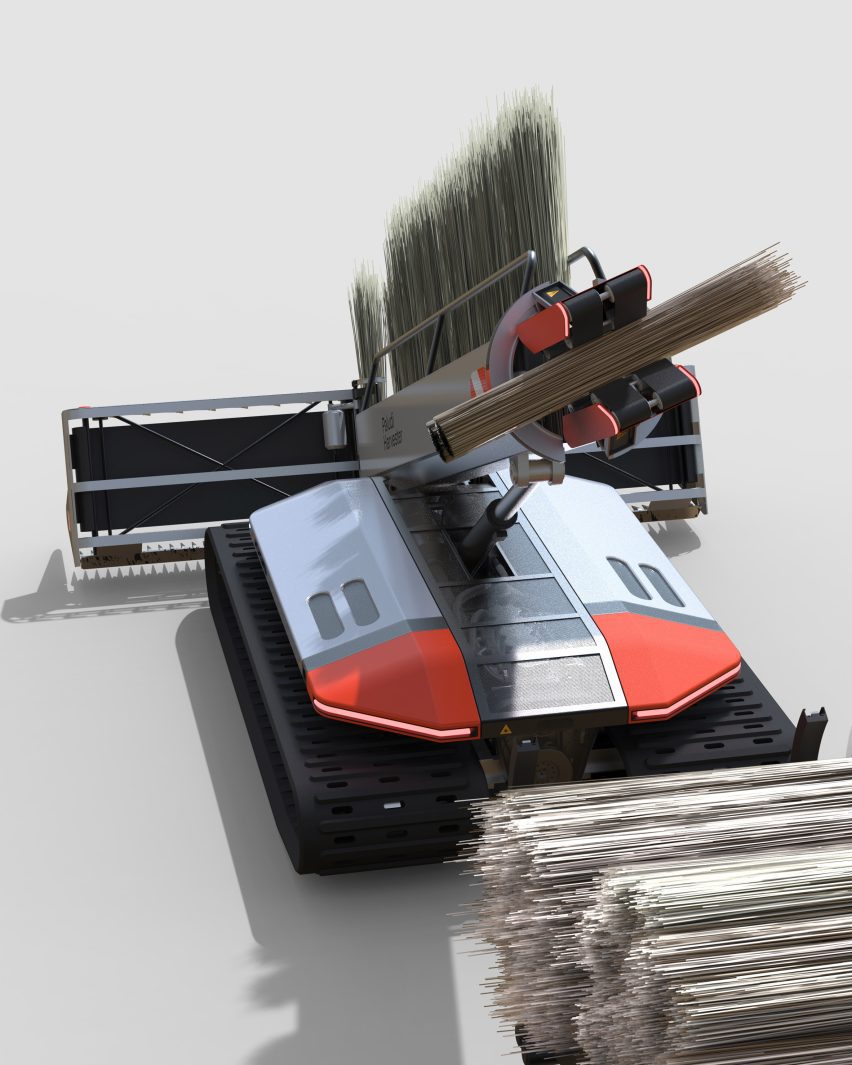
Rimowa also granted a Special Mention award to Niklas Henning, who received a €10,000 prize for Paludi Harvester, a system designed to support sustainable reed farming on peatlands.
Developed under the mentorship of Leica Camera vice president of photo and design Stefan Daniel, the concept comprises two coordinated machines that harvest reed grown on peatlands and process it into standardised bundles and bales.
The system was designed to operate during narrow harvesting windows in freezing conditions and aims to help restore peatlands, while maintaining agricultural productivity and reducing the physical strain placed on workers.
Now in its fourth edition, Rimowa Design Prize invites students from universities across Germany to develop projects responding to the theme of mobility and its wider impact on society.
Established in 2023 with participation from 15 universities, the programme has since expanded to include more than 40 institutions across Germany.
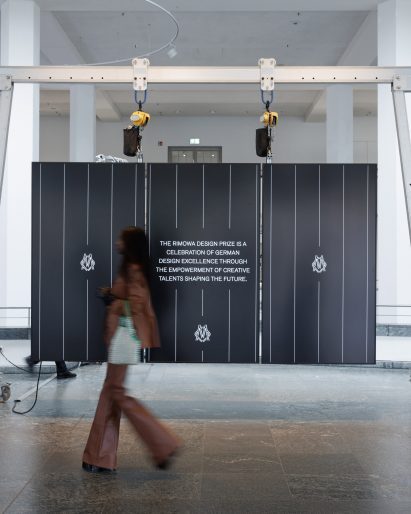
Participating students are paired with established designers and industry figures, who mentor them through the development process.
Other mentors for this edition include Konstantin Grcic, Farah Ebrahimi, Hanne Willmann and Matylda Krzykowski.
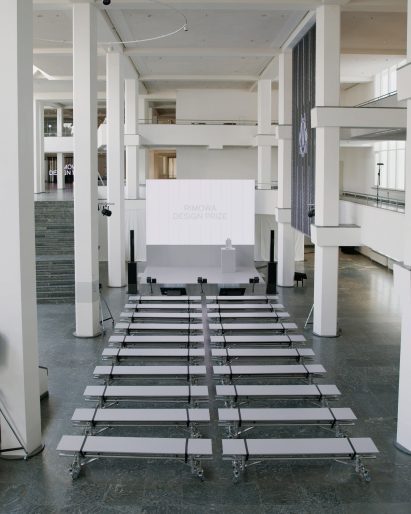
The winner and Special Mention prize recipient were selected from seven finalists who presented their work to a jury of design professionals, including Rimowa chairman Alexandre Arnault and chief executive officer Beatrice Monguidi.
Nagel and Feiler received €20,000 for winning first prize, while Henning was awarded €10,000 for the Special Mention award. The remaining finalists each received €5,000 in recognition of their projects.
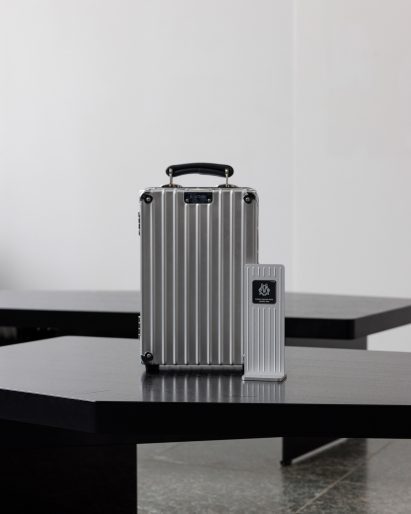
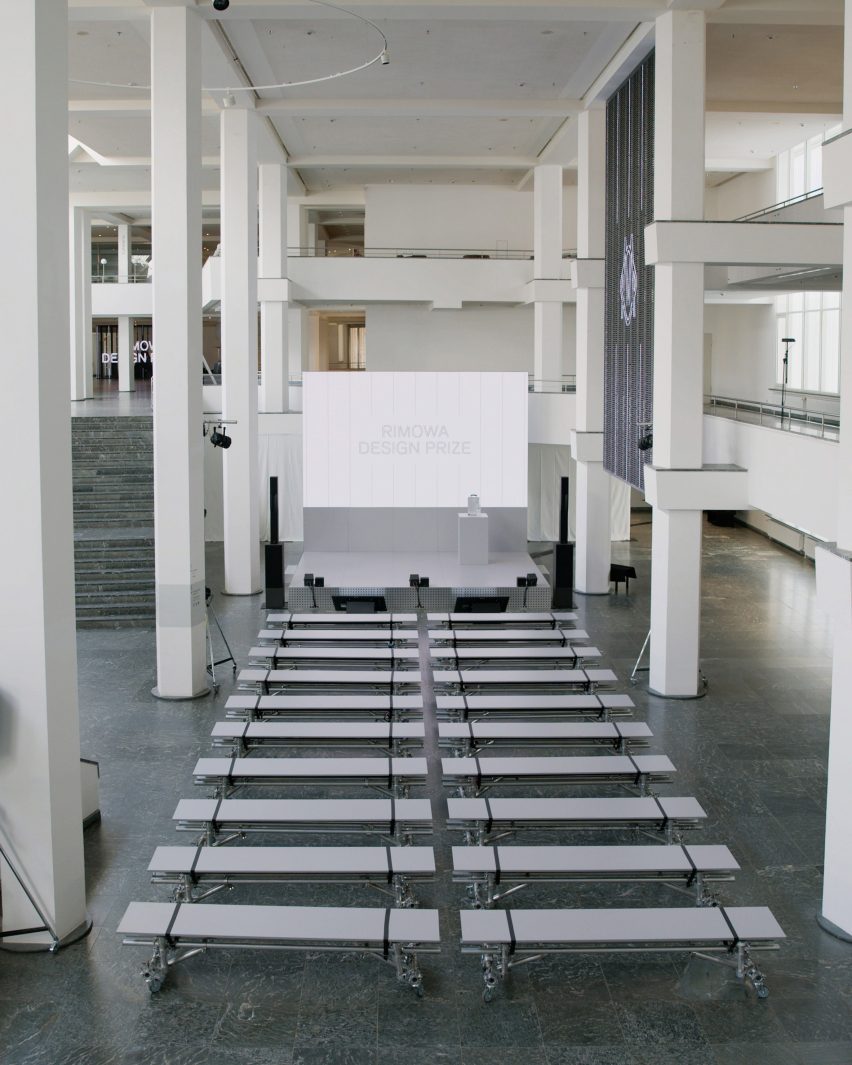
The finalist projects remained on display at the Kulturforum for two days following the ceremony and will later be exhibited alongside winning projects from the 2024 and 2025 editions at the Museum für Angewandte Kunst Frankfurt in July.
The initiative aims to support emerging design talent while exploring new approaches to mobility through real-world applications.
It forms part of Rimowa’s broader focus on mobility and design, building on the brand’s history of developing products for travel and movement.
Previous winners of the Rimowa Design Prize include Hottie, a wearable belt by Marc Hackländer and Elisabeth Lorenz that uses heat and electrical stimulation to help ease menstrual pain.
Partnership content
This video was produced for Rimowa as part of a partnership. Find out more about our partnership content here.
Read more
Recommended stories
Fourth edition of Rimowa Student Design Prize opens for submissions
Seven finalists announced for Rimowa Design Prize

Belt that eases menstrual pain wins 2025 Rimowa Design Prize
Winner of the 2024 Rimowa Design Prize revealed
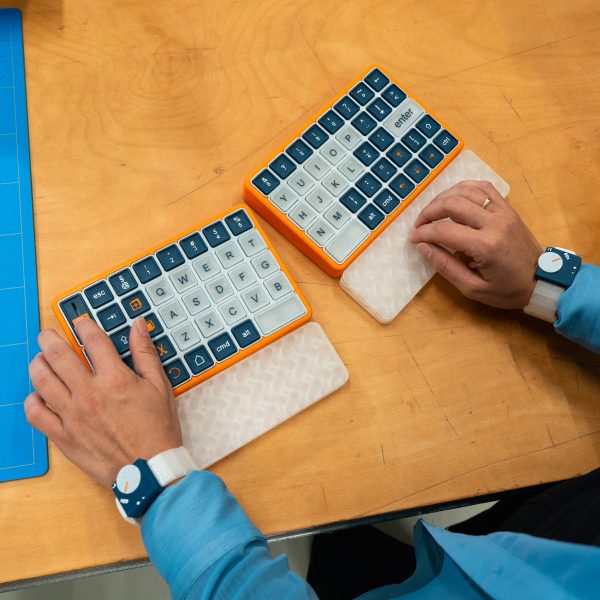
Gaming-inspired Parkinson’s keyboard wins 2025 James Dyson Award
iF Design Award spotlights the winners of the holistic human-centred solutions categories
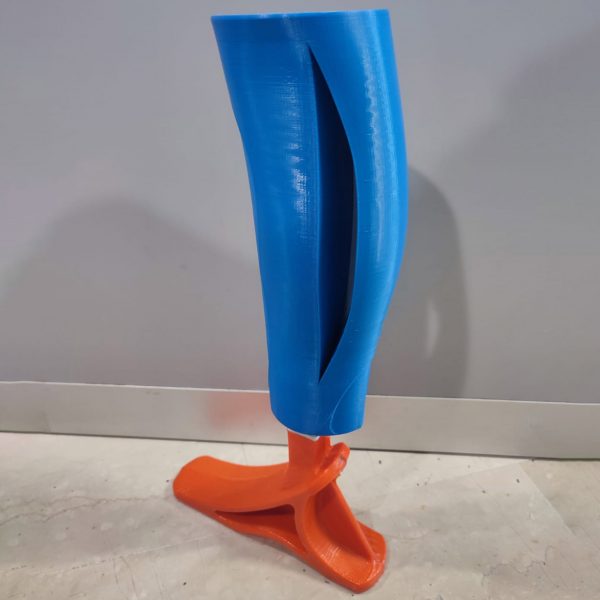
Prosthetic leg for Ukrainian amputees among 2023 Ro Plastic Prize winners