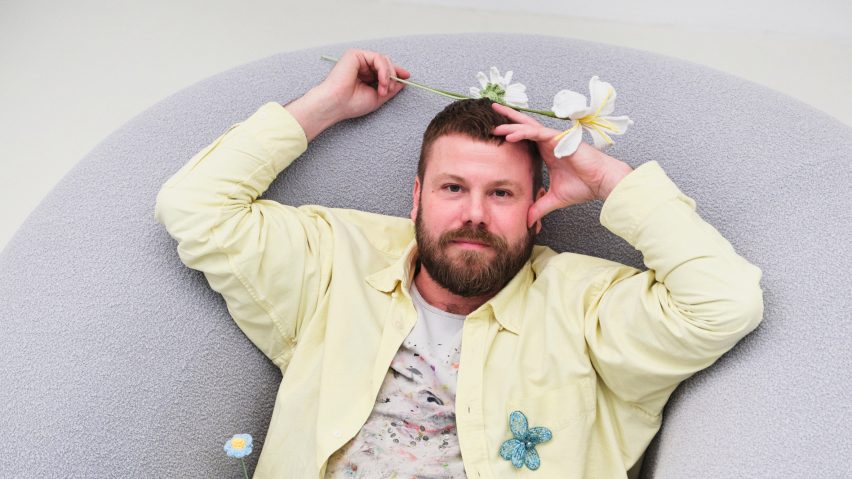
“I’ve always been the black sheep here in Copenhagen” says Tableau’s Julius Værnes Iversen

Copenhagen-based Tableau has many projects for this 3 Days of Design, including a pavilion shaped like the iconic Aalto Vase. Founder Julius Værnes Iversen tells Dezeen why architecture was the next step for his multi-hyphenate studio.
Tableau has evolved rapidly since Værnes Iversen launched it in 2018. Initially a gallery showcasing design objects and flowers, it has morphed into a creative studio with a diverse output of design, curation and creative direction.
The Aalto 90 pavilion will be its largest project to date. Developed in collaboration with homeware brand Iittala and aluminium manufacturer Hydro, this seven-metre-high structure marks the 90th anniversary of the undulating glass vase designed by Alvar and Aino Aalto.
Værnes Iversen developed the concept together with Iittala, as a way to experience this renowned design in a completely different way.
“I thought it was an occasion to do something magnificent, but also an opportunity for Tableau to step up and do something architectural,” he told Dezeen.

If that wasn’t enough, Tableau is presenting several other projects during 3 Days of Design. There are product launches with various brands, plus the second edition of Project Materia, a material-led design platform that Værnes Iversen co-founded with Nicki Friis Willumsen of Edition Solenne.
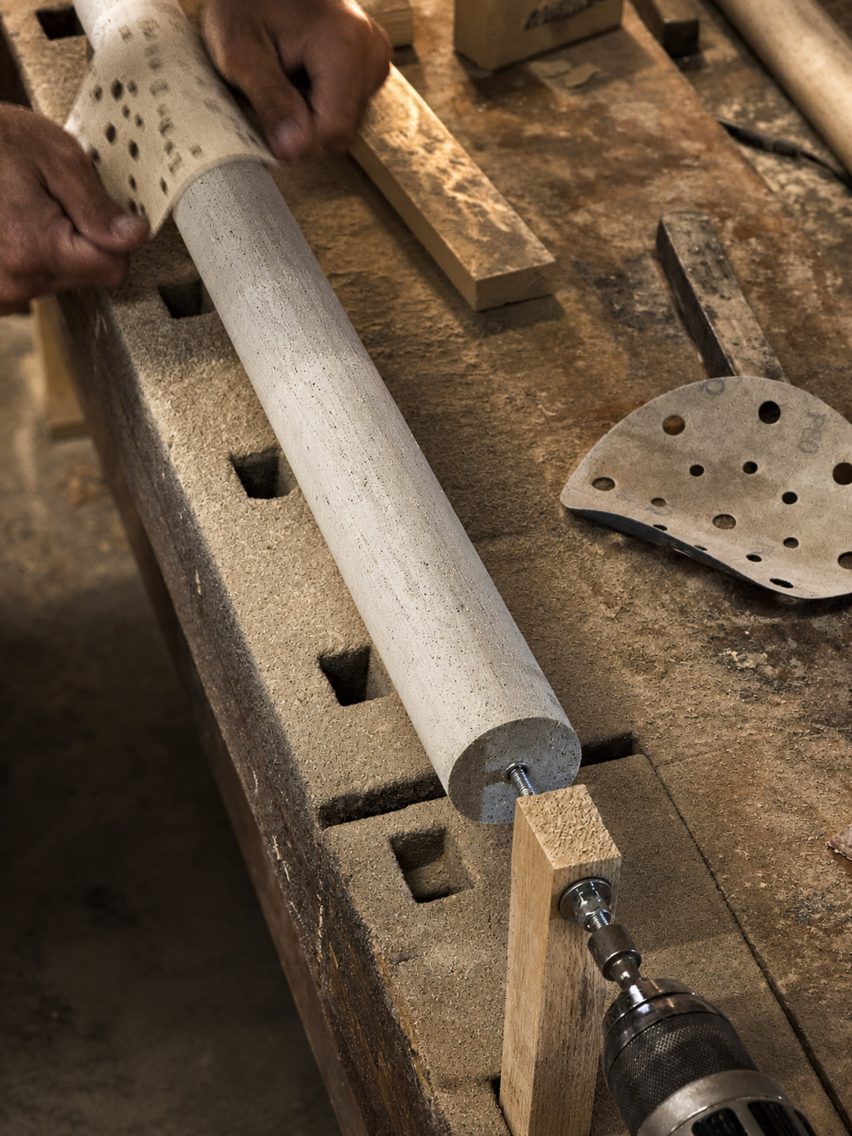
The inaugural edition, presented one year ago, invited designers to create objects using three “foundational materials” – glass, bronze and marble. Now, nine designers have been challenged to do the same with Matek, the waste-based material developed by Danish brand Mater.
With his multidisciplinary approach, Værnes Iversen offers something quite different from the broader Danish design scene.
“I didn’t do it intentionally, but I’ve always been the black sheep here in Copenhagen,” he said.
“I feel at home here, but somehow also a bit left out. Everything fits in a box. But I don’t fit within that box, so why should my work?”
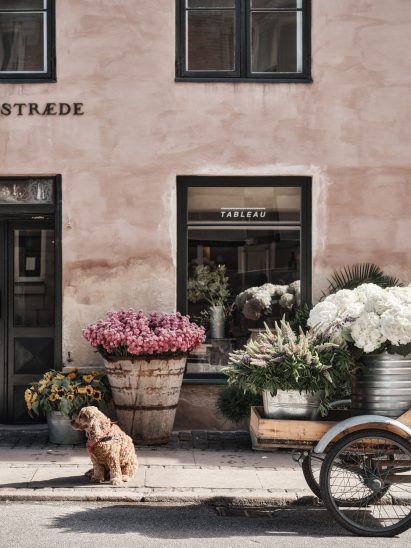
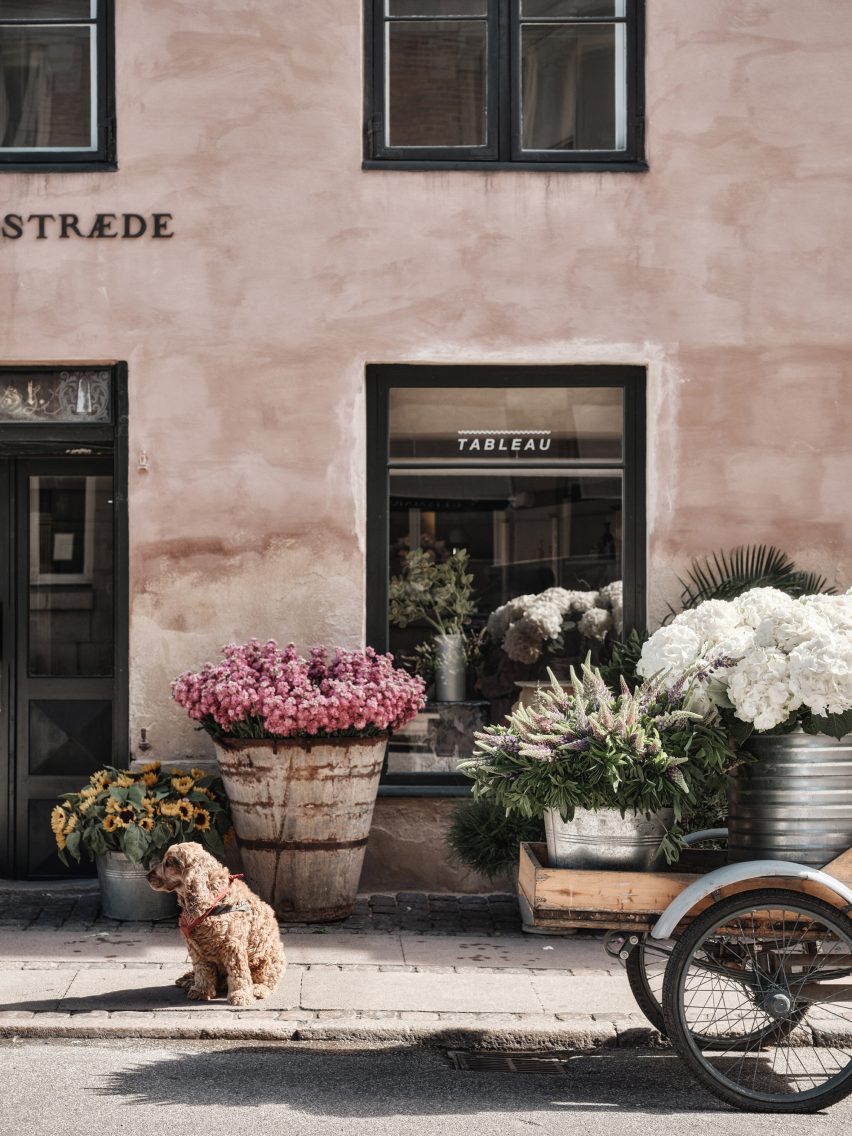
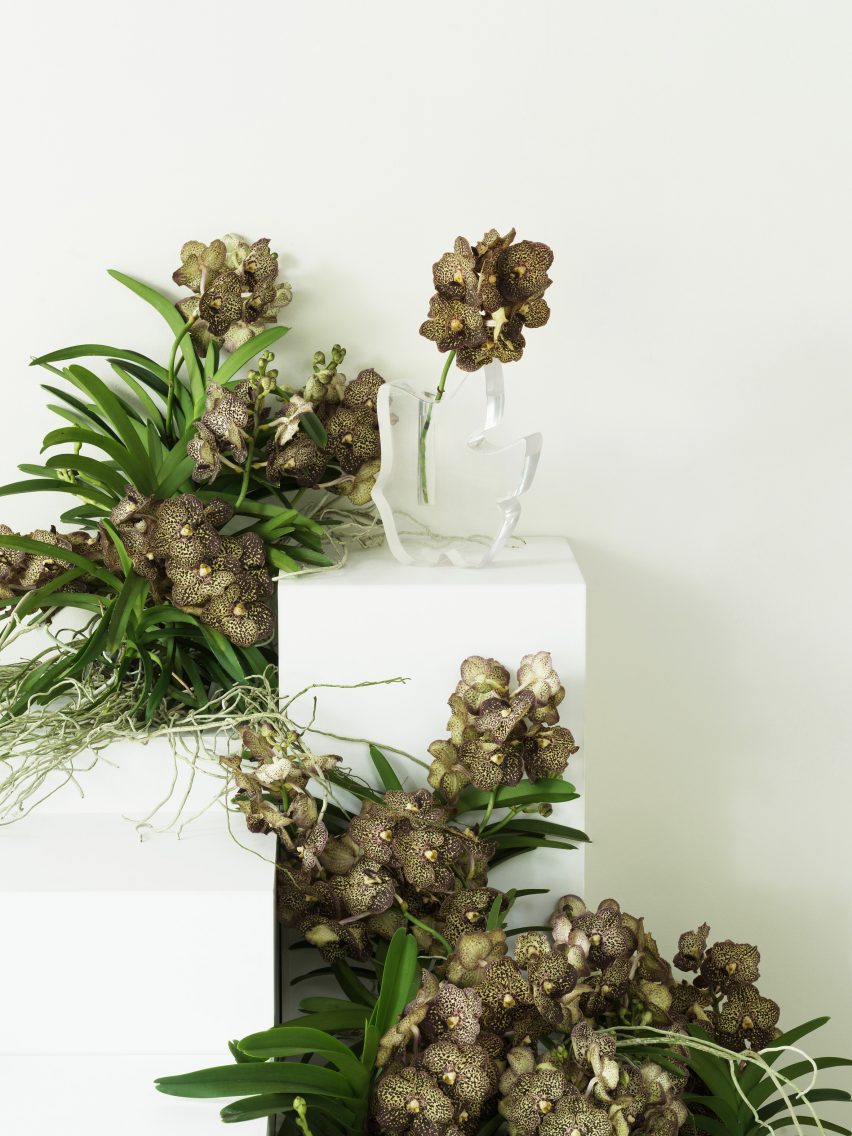
Flowers are at the core of Tableau’s identity. Having worked for his father’s flower shop from the age of 12, Værnes Iversen first caught the attention of the design industry with a series of sculptural floral installations for fashion houses.
With a distinct sense of form and colour, his floral creations became highly sought after. But Værnes Iversen wasn’t content with simply dressing spaces with flowers.
“I see flowers as a medium for creating spaces where people feel joyful,” the designer said, “so working with flowers naturally made me want to create entire rooms where people feel affected in some way, positive or negative.”
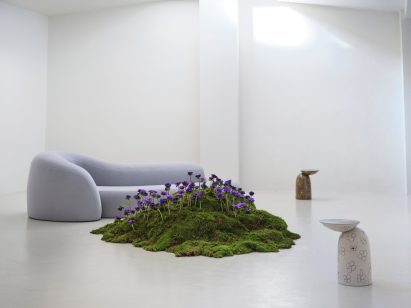
After co-inheriting the flower shop, which later evolved into a concept store, he called on architect David Thulstrup to help him design a gallery where he could showcase his floral arrangements alongside large-scale design objects.
He called it Tableau to evoke a sense of theatre or narrative.
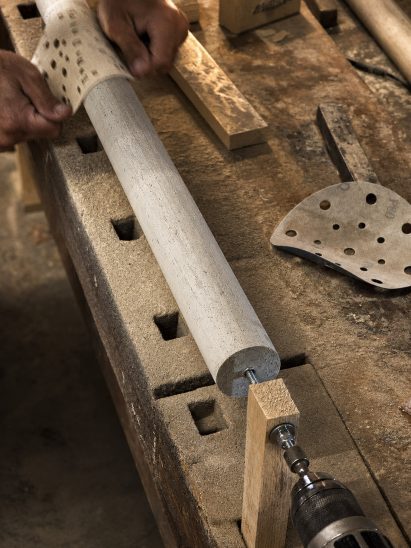
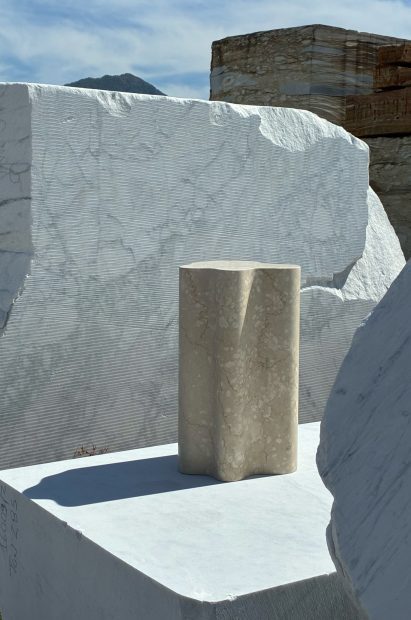
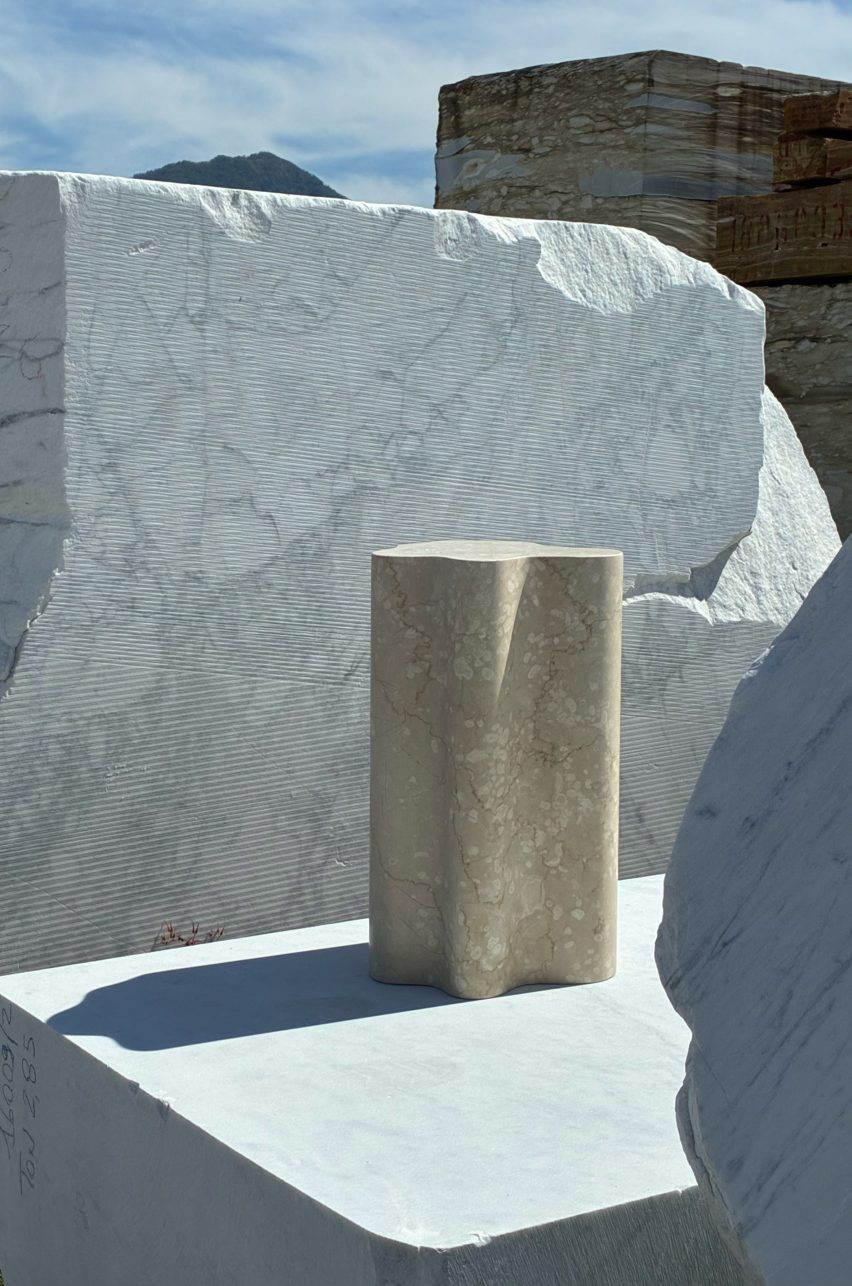
This paved the way for all kinds of design collaborations, from a cafe interior for Copenhagen Contemporary, to vases made from marble blocks and steel pipes, created with Italian brand Bloc Studios.
For Værnes Iversen, who studied law rather than design, these projects were a kind of “learning by doing”. Now, he’s ready to launch Tableau as a fully fledged design studio.
“I saw it as a more experimental practice to begin with, but it’s becoming a core design practice,” he said. “I’m intentionally taking it in that direction, because I want to create more spaces and objects.”
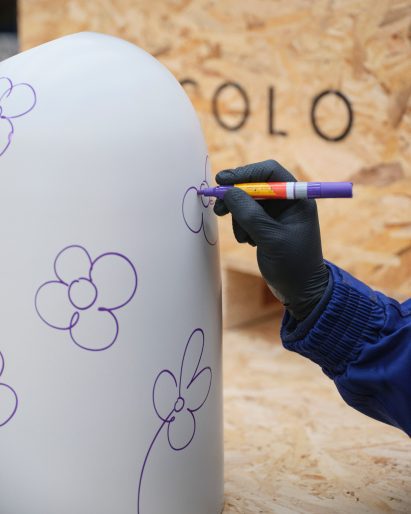
The designer has recently been working with Italian brand Secolo on a furniture collection.
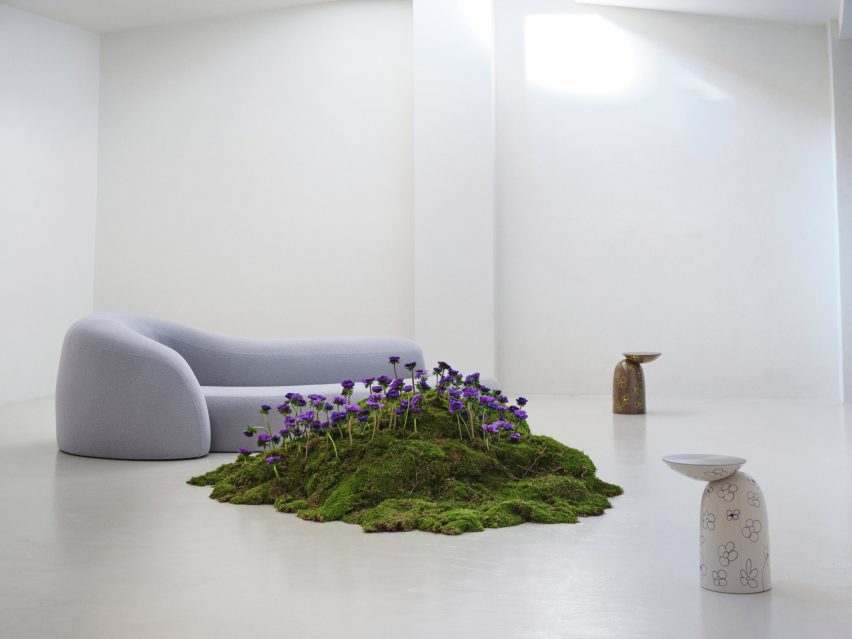
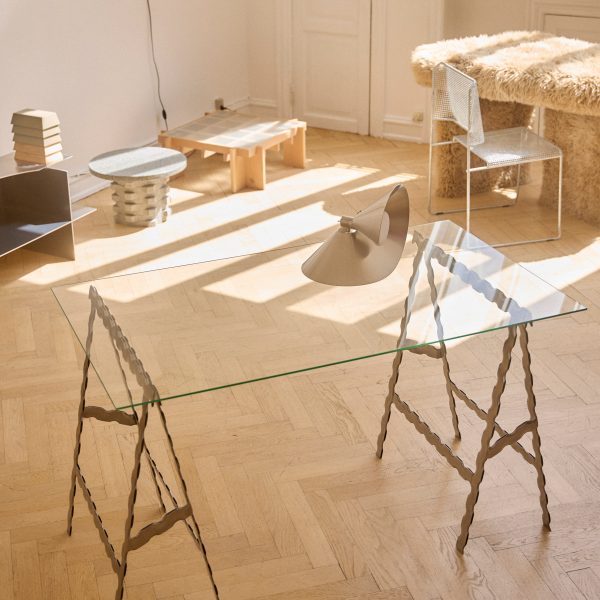
After unveiling the first offerings during Milan design week, they are launching more new pieces during 3 Days of Design, including a modular sofa shown in a 13-metre-long version. This presentation is at Tableau’s latest venue, an apartment gallery launched in 2024.
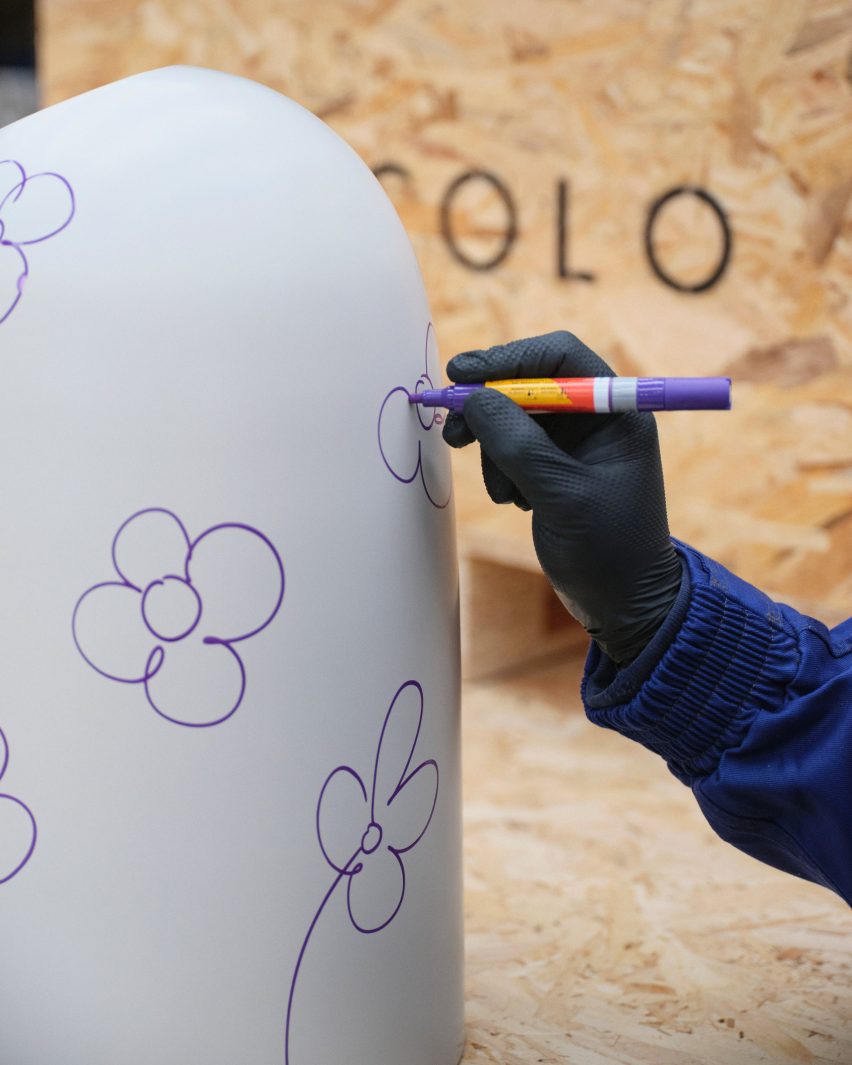
The emblems for the Secolo collection are blind drawings of flowers. This process of drawing from memory, without looking, has long been a meditative practice for Værnes Iversen. He’s now using it as a design tool.
“It’s becoming part of the DNA of my practice,” he told Dezeen.
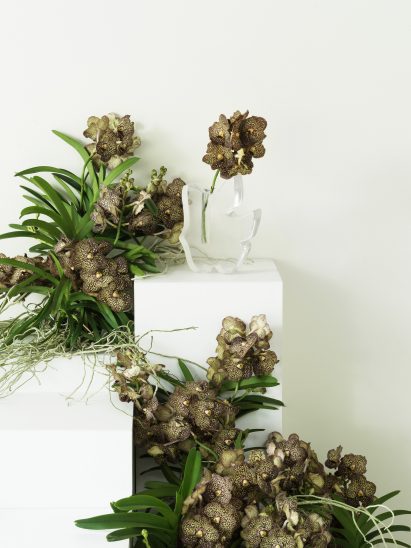
The designer used the same process to produce a new series for Bloc Studios, a collection of marble furniture pieces that look extruded, as well as Draw, a sculptural resin vase collection with furniture and homeware brand Normann Copenhagen. Both are also debuting in Copenhagen.
Each new collaboration inspires Værnes Iversen to do more. “I feed off other people’s creativity,” he said.
“I believe that outcomes are better when more people are involved,” he added. “As we create better and better collaborations, we intentionally rise up the ladder, doing even better work with larger companies.”
The partnership with Iittala will likely open more design industry doors for Tableau. Værnes Iversen is also hoping to venture into art, enabled by a residency programme he is establishing in Pietrasanta, Italy.
“I feel so lucky that I get to do my hobby every day,” he said.
“I’m probably very confusing to work with, because there are a lot of things happening all the time, and I want to do them to perfection. It’s high pressure, high speed, but we try to do everything with a smile.”
What is clear is that for Værnes Iversen, flowers will always be part of the story.
Aalto 90 Pavilion will be on show at Ofelia Plads as part of 3 Days of Design, while Project Materia will be at Købmagergade 3. Other Tableau projects can be found at the gallery at Vimmelskaftet 41a, 2nd floor, and at the flower shop and concept store at Store Strandstræde 20. See Dezeen Events Guide for more events taking place for 3 Days of Design, which runs from 10 to 12 June 2026.
Read more

Recommended stories
Tableau Gallery aims to “create a community” for designers and artists
Our favourite products from 3 Days of Design 2025
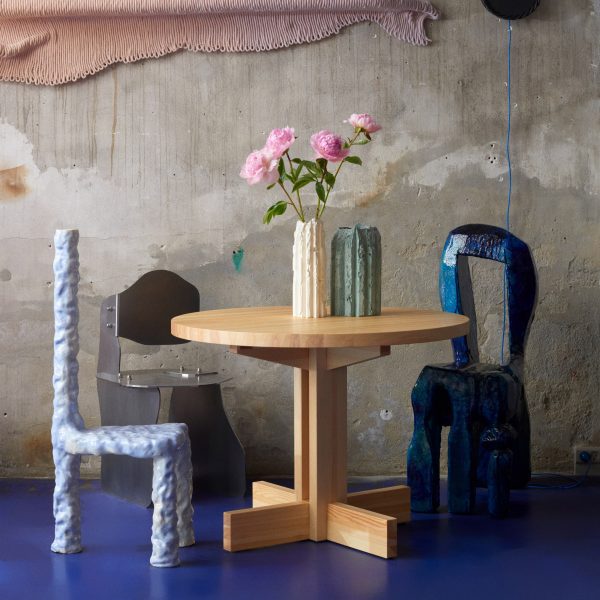
Vaarnii presents “brutal and sophisticated” wooden furniture at 3 Days of Design
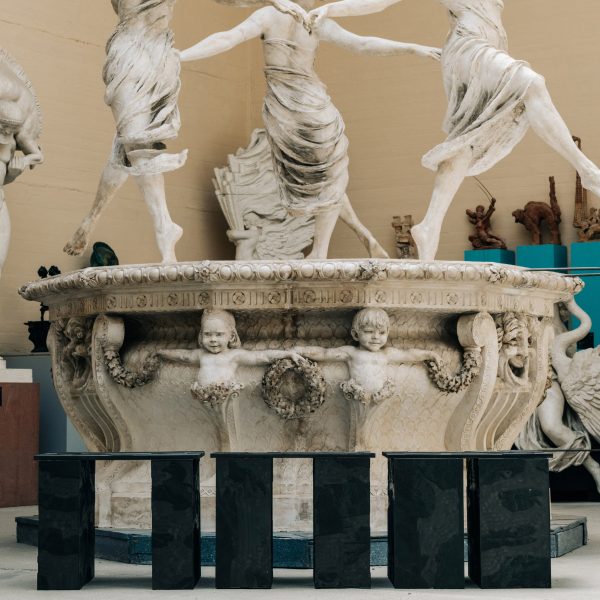
Project Materia and Mater showcase furniture made from electronic waste and coffee shells
Day two from 3 Days of Design in Copenhagen
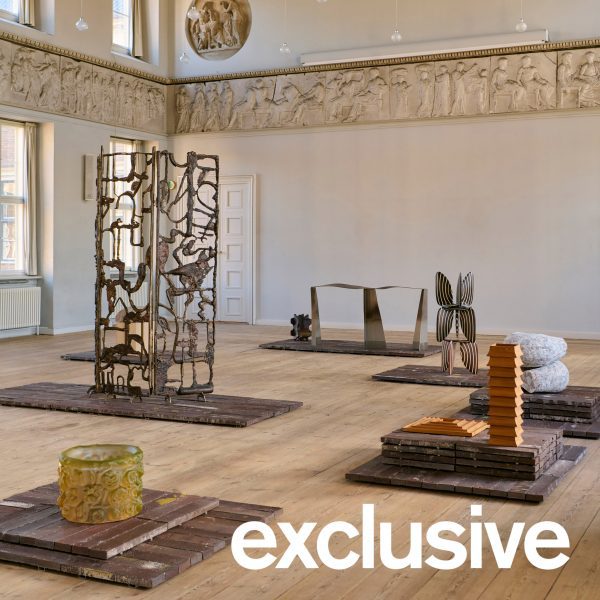
The Mindcraft Project showcases works that “lie in-between craft and design”
NoDe exhibition presents 28 emerging designers from the Nordics