


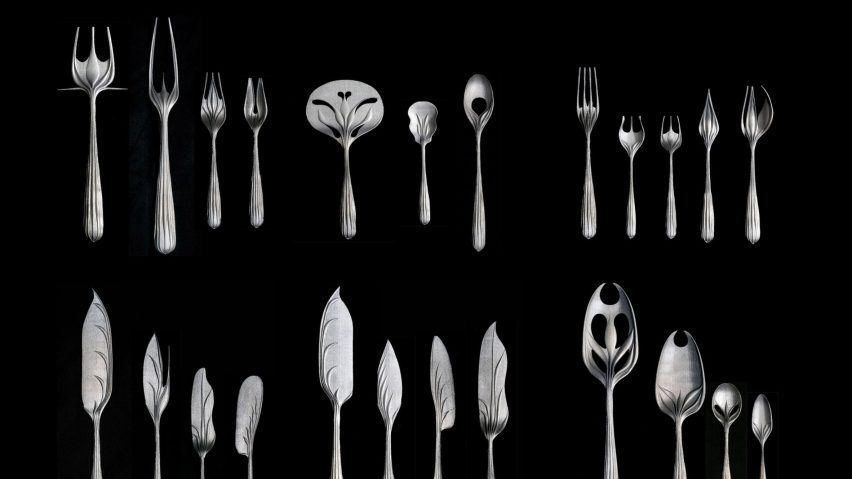
Los Angeles gallery Marta and curator Dung Ngo have created an exhibition of 3D-printed cutlery during 3 Days of Design, featuring knives, forks and spoons that would be impossible to produce using conventional methods.
Ngo selected 12 artists and designers to participate in the Knife, Fork, Spoon 3.0 exhibition, which will be presented by Marta gallery with support from furniture retailer Design Within Reach.

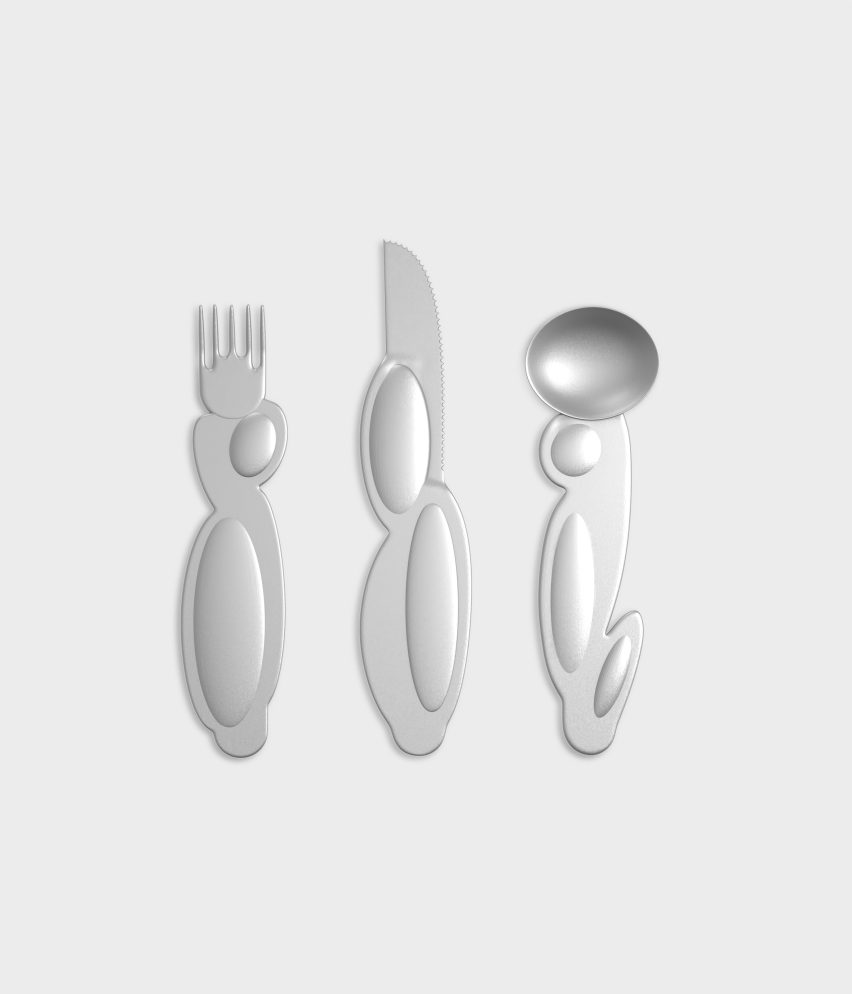
The group of established and emerging creatives were tasked with designing cutlery (also known as flatware in the US) that demonstrates how 3D printing can be used to challenge legacy manufacturing methods.
The exhibition is an evolution of Ngo's research, which formed the basis for a current exhibition at Denver Art Museum and a book titled Knife Fork Spoon: Modernist Cutlery 1900–2025.

Ngo told Dezeen he wanted to explore a more forward-thinking aspect of cutlery design, with the 3 Days of Design exhibition focusing on the potential for 3D printing to bring customisation and personalisation into the home.
"Flatware as an industry hasn't truly innovated in over 100 years, since the peak of the industrial revolution and the invention of stainless steel," explained Ngo.
"I wanted to discover what's in store for cutlery and tabletop items in the next couple of decades."

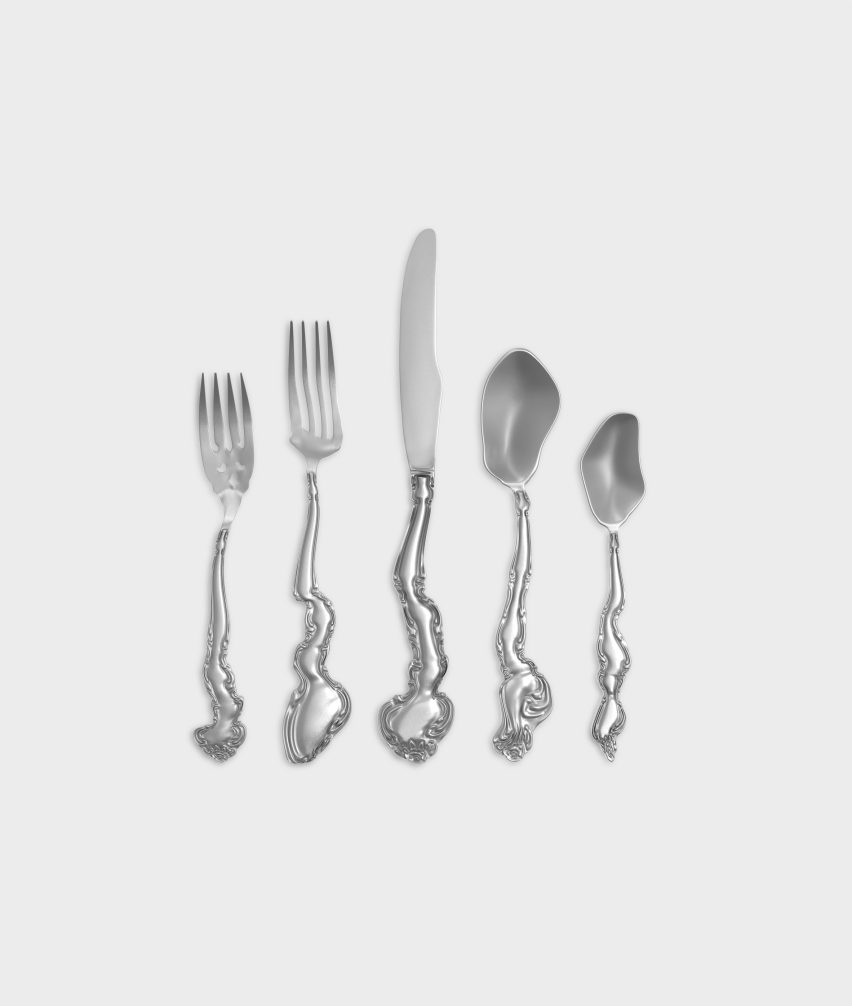
One of the project's main aims was to push the limits of 3D printing and generate outcomes that would be be impossible to manufacture from a flat piece of steel using conventional tooling and machinery.
Another objective was to update cutlery's place in contemporary global dining culture. Some of the results diverge from the traditional five-piece sets, with each designer offering a uniquely personal take on the brief.

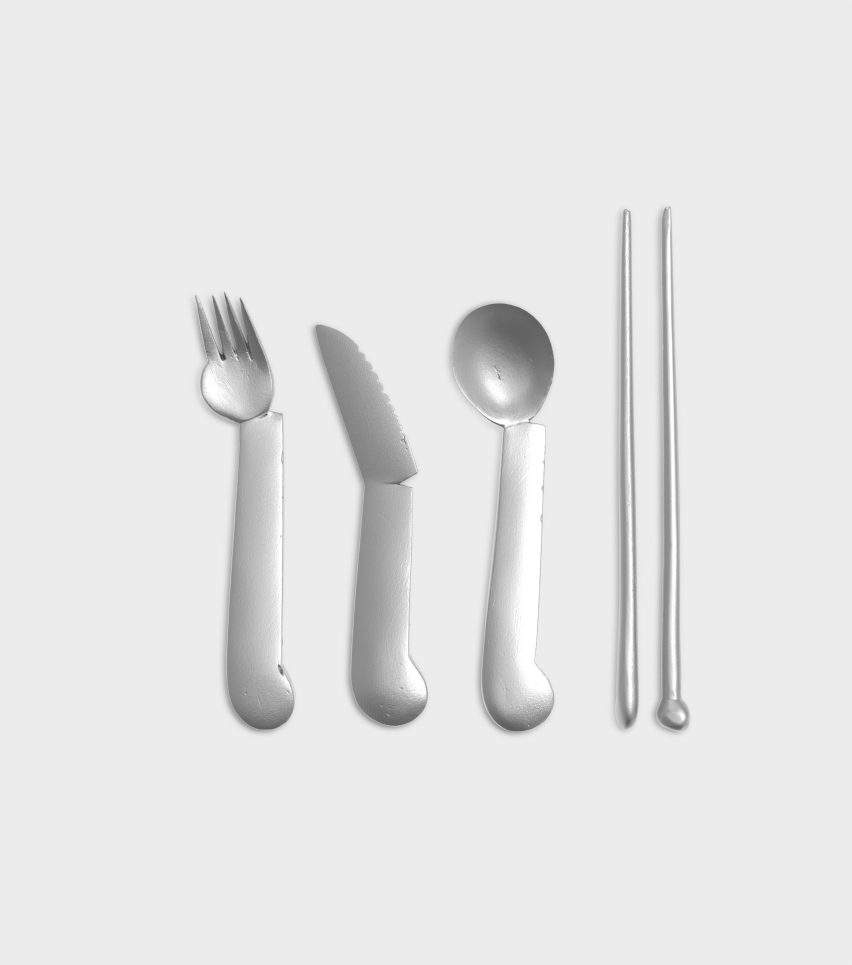
"If handmade flatware represents Version 1.0, and industrial manufacturing marks Version 2.0, then 3D-printing heralds Version 3.0," he added.
"These 12 designs are forward-thinking in both form and production technique, demonstrating that – like its social function – flatware is constantly evolving."

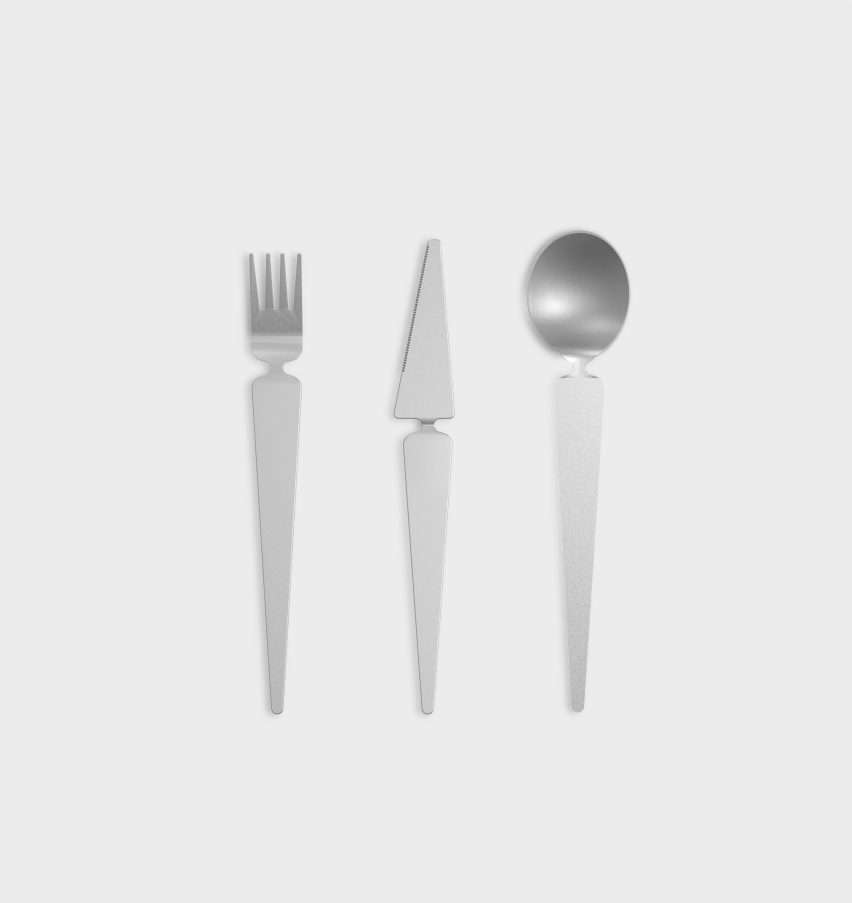
Ngo explained that he chose people with a range of creative backgrounds in order to generate varied responses to the brief. These include artists like Jolie Ngo, designers such as Rafael de Cárdenas, and architects including Charlap Hyman & Herrero.
To ensure an international perspective, designers from different countries and cultural backgrounds were invited to submit their creations, such as Minjae Kim from South Korea and Nifemi Marcus-Bello from Nigeria.

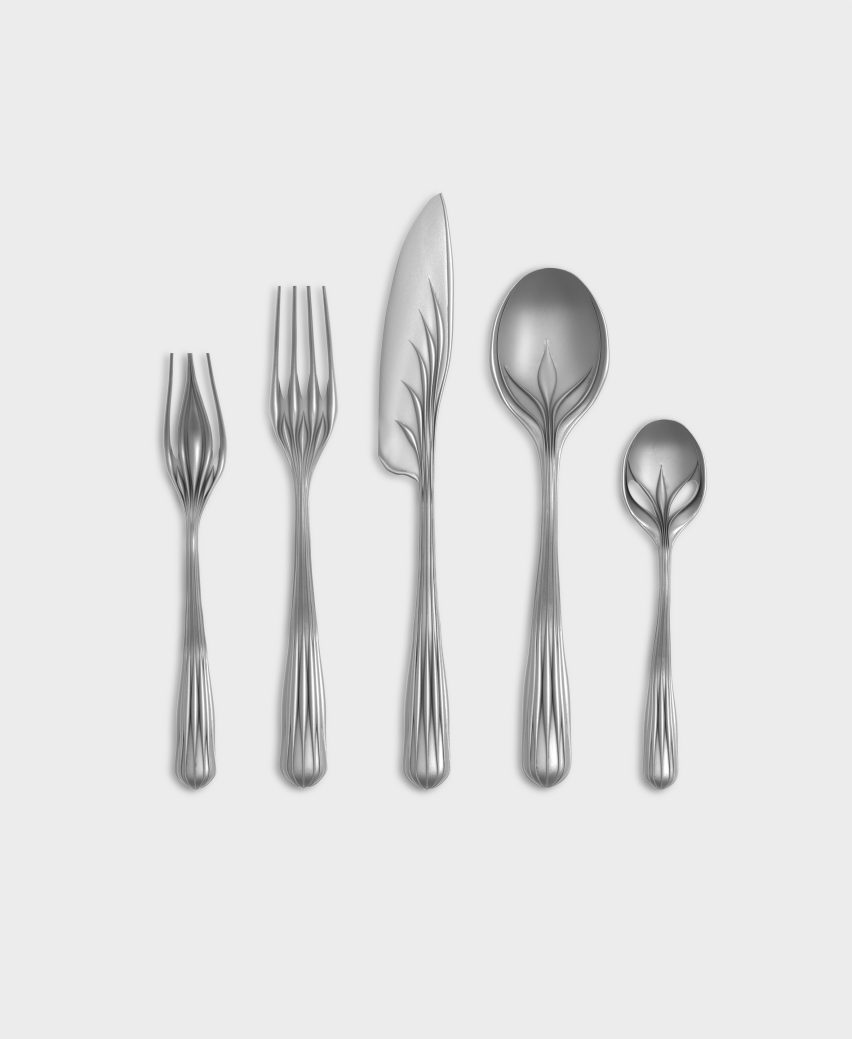
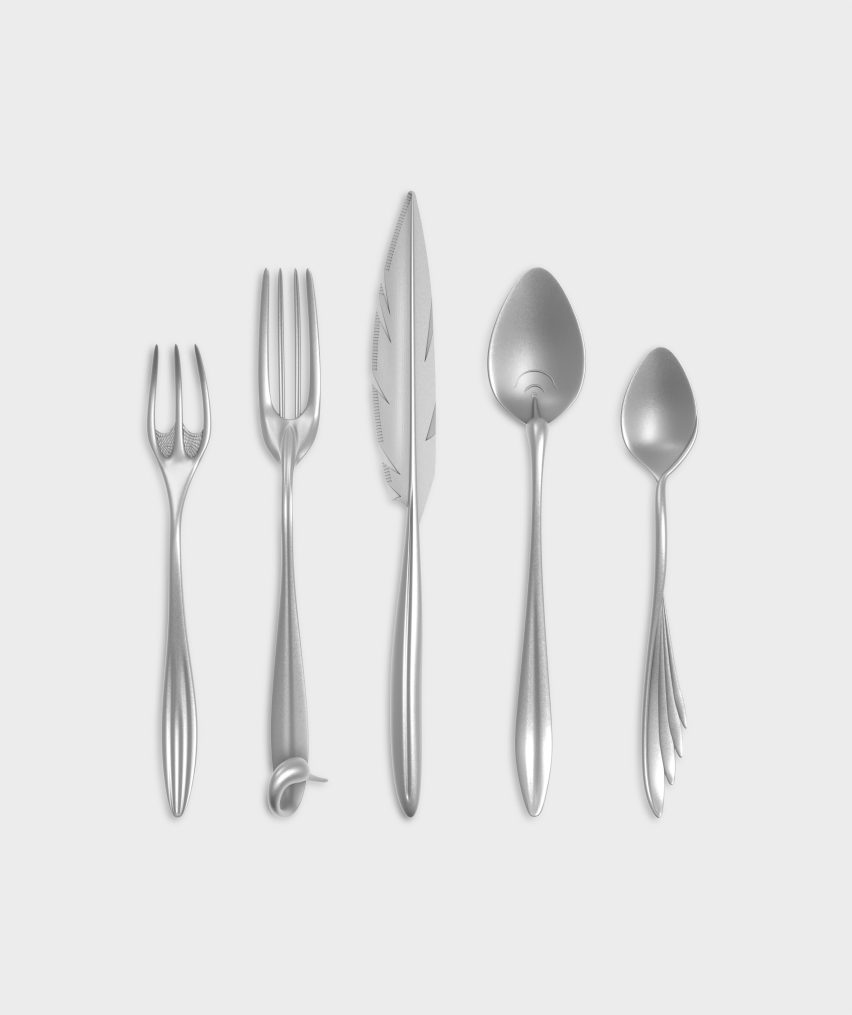
One of the designers featured in the show is Greg Lynn, who first developed his 3D-printed cutlery featuring plant-like forms for Italian design brand Alessi in 2007.
Only a small number of pieces were originally produced due to technical limitations at the time, but advances in 3D-printing technology mean that the pieces can now be made more affordably.
"The production price has gone down from astronomical to merely expensive," Ngo pointed out. "For us the goal is to shift the perception of 3D printing from the industrial sphere into the domestic sphere."
Many of the designs showcase sculptural approaches that challenge cutlery conventions and defy functionality. For example, Florian Idenburg of New York architecture office SO-IL translated familiar cutlery forms into a delicate and permeable 3D grid.

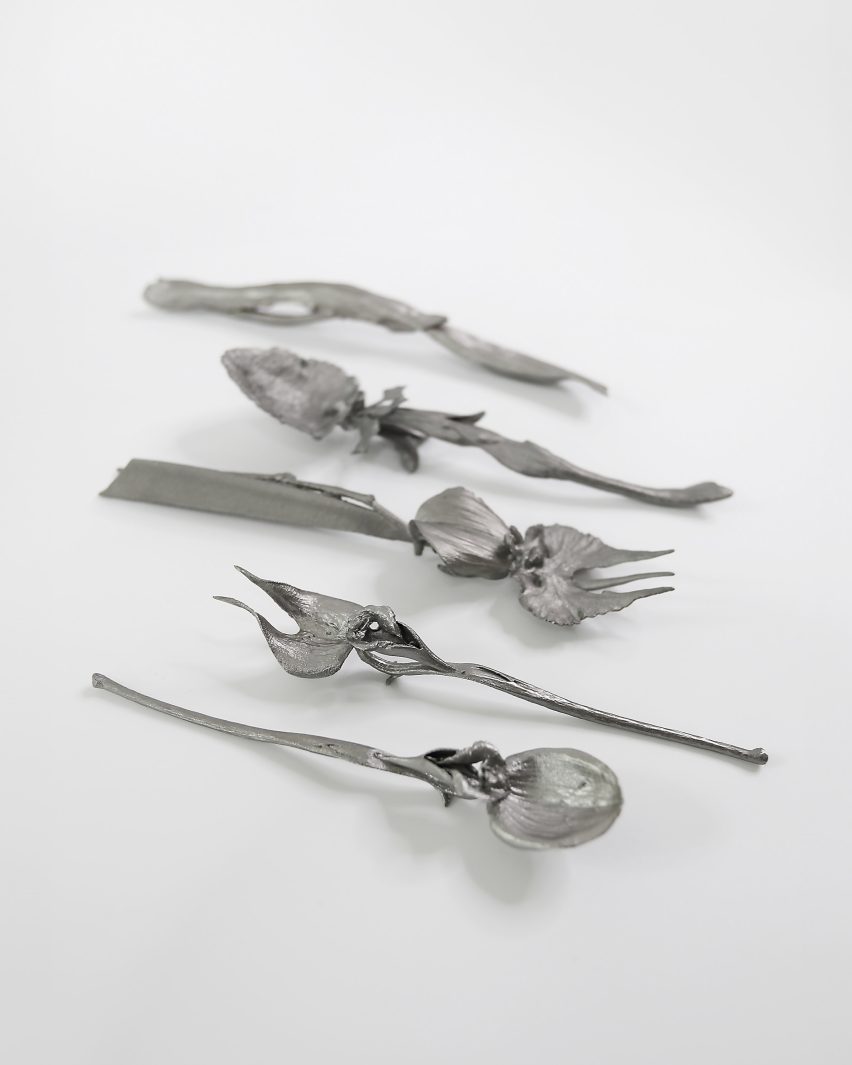
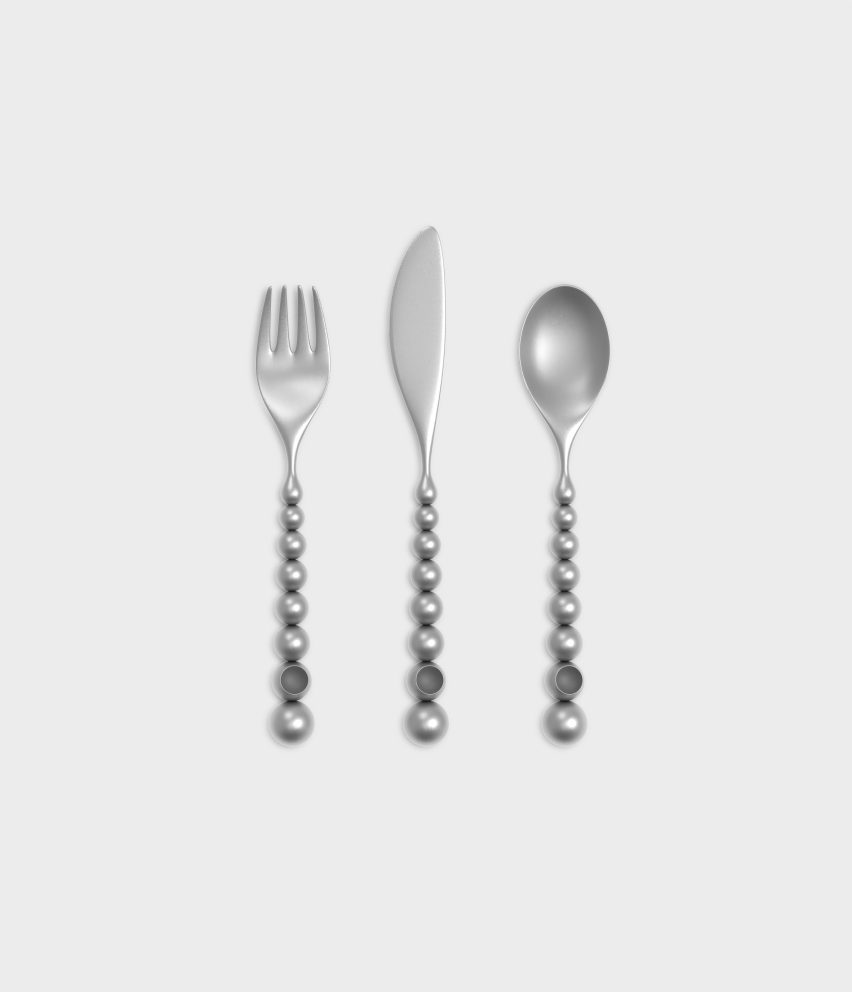
Polish artist Marcin Rusak applied his signature botanical style to pieces that resemble parts of an orchid, while London-based jeweller and designer Jacqueline Rabun created a more restrained solution featuring handles formed of stacked spheres.
Following the 3 Days of Design exhibition, the outcomes of the Knife Fork Spoon 3.0 project will be made available by Marta as an open edition.

"What's interesting about 3D printing is that it's the same cost to produce one piece as it is a dozen or hundreds of pieces," Ngo pointed out.
"It is not traditional craft in any sense of that term, but it's still made one at a time. And theoretically the design can be tweaked with each printing. We are excited to rethink how production and manufacturing can be approached in the 21st century."
3 Days of Design kicks off in Copenhagen on 10 June. To help you navigate the city-wide event, we've compiled a list of must-see exhibitions and events.
This year's programme will include an exhibition presenting British designer Max Lamb's Min Chair, produced by Swedish brand Hem.
The photography is courtesy of Marta.
3 Days of Design 2026 takes place from 10 to 12 June 2026 at various locations across Copenhagen, Denmark. See Dezeen Events Guide for more architecture and design events around the world.