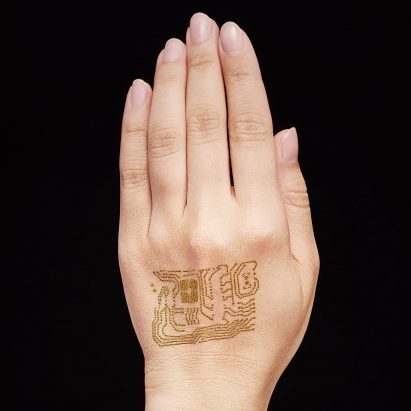
CipherX launches world’s first painless tattoo

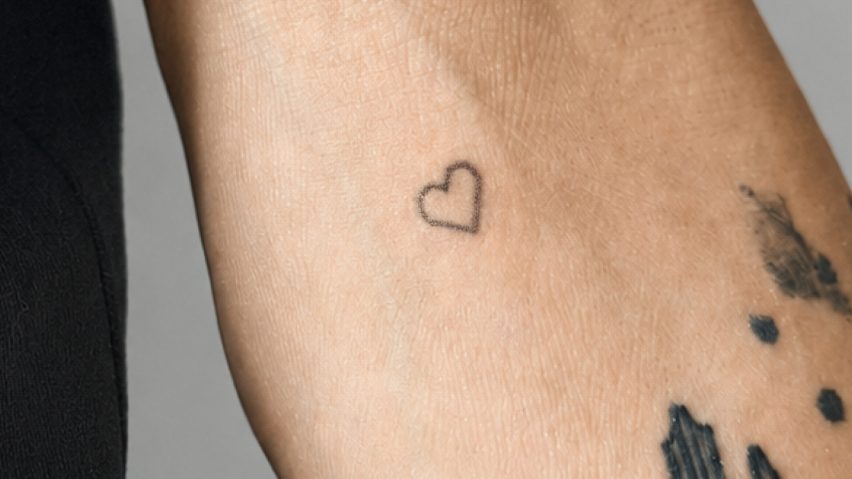
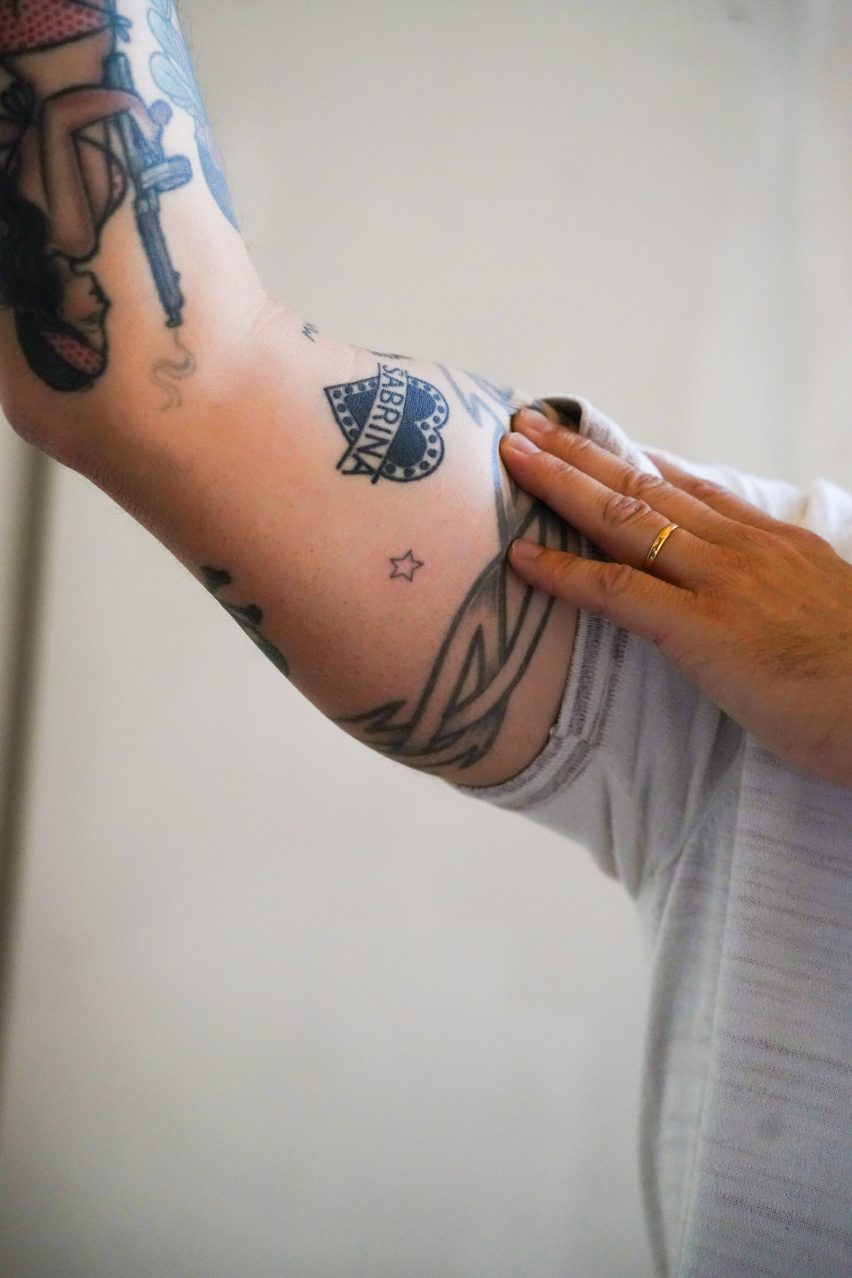
London biotech company CipherX has created the world’s first commercially available microdot tattoo, which is applied using a pain-free applicator.
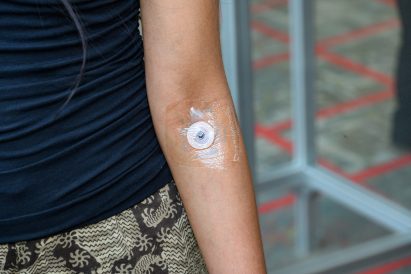
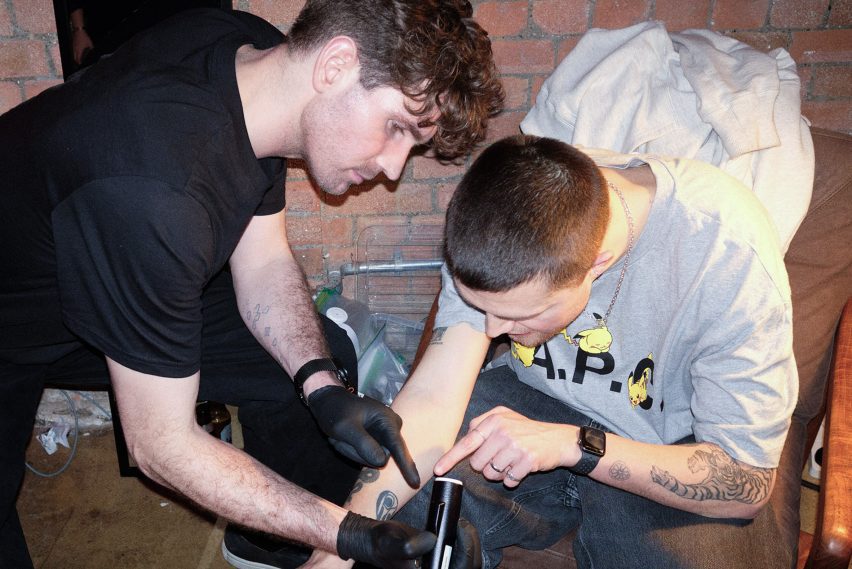
Launched yesterday, the permanent tattoos are created using dissolvable microneedles instead of a traditional tattoo gun. This means that the application is a pain-free process.
“You end up with the same permanent tattoo, and I should really stress that,” said CipherX co-founder Ferdinand Kohle. “The result is the same, but the application process is completely different.”
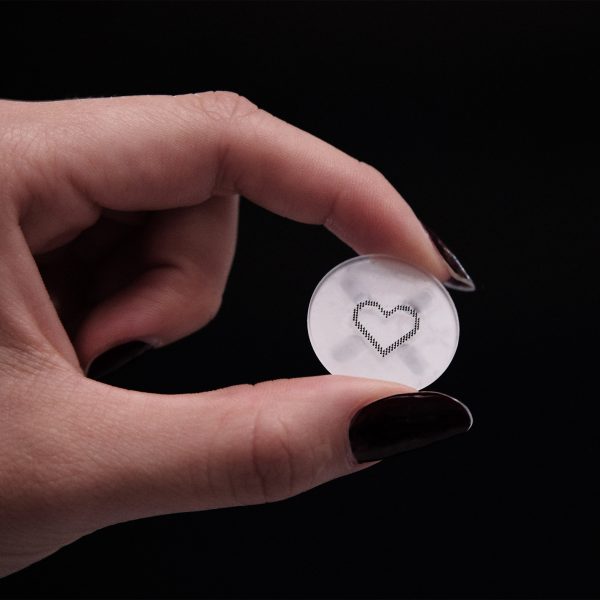
So far CipherX has applied 500 microdot tattoos, and following its launch in London, it is now available commercially for the first time.
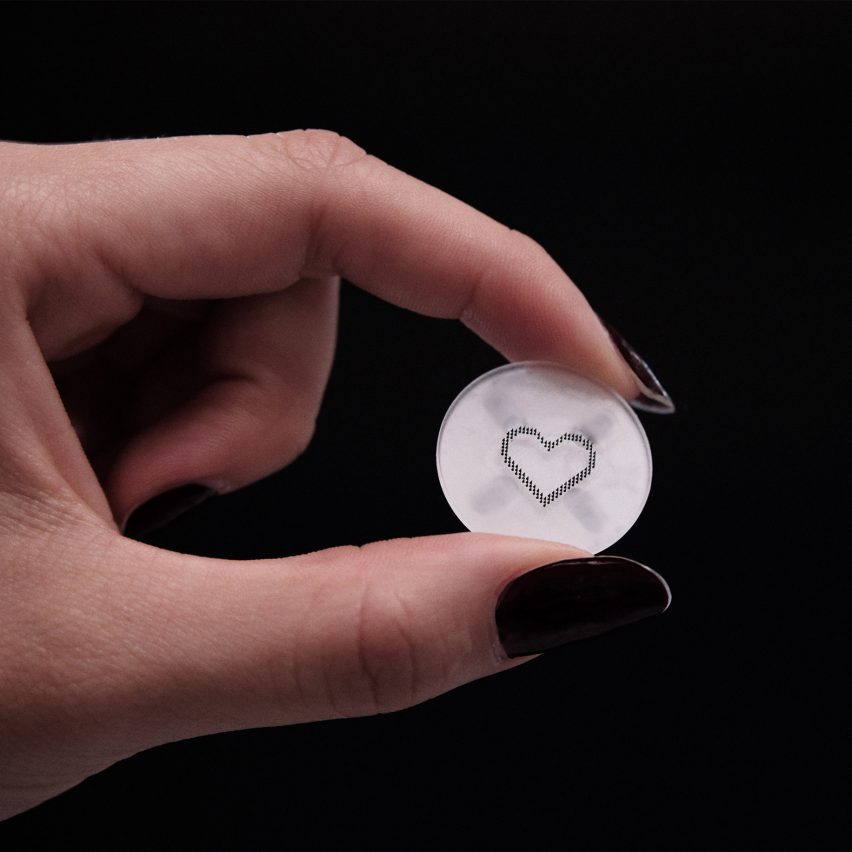
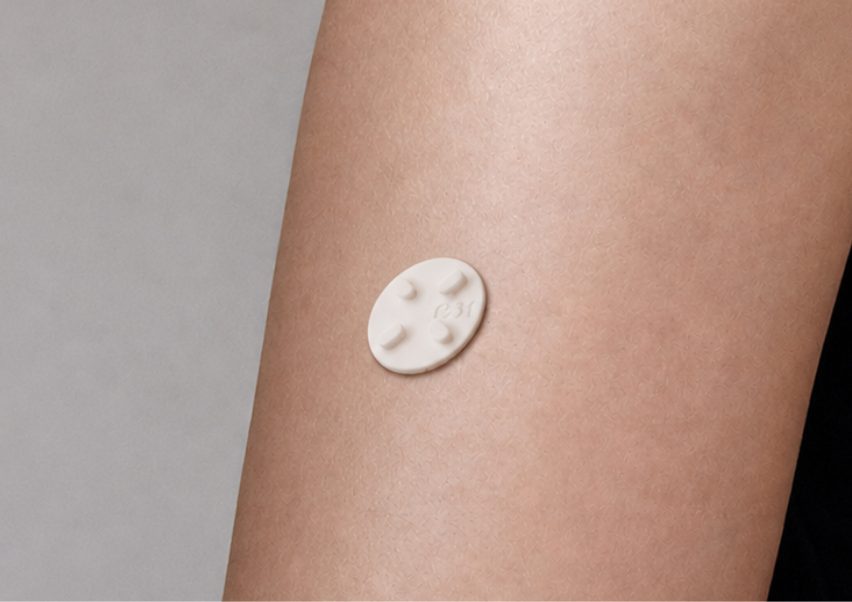
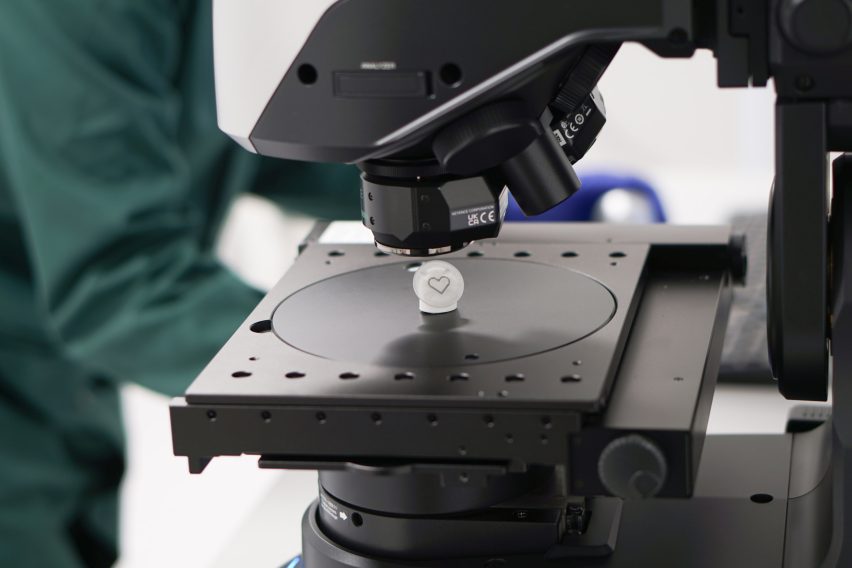
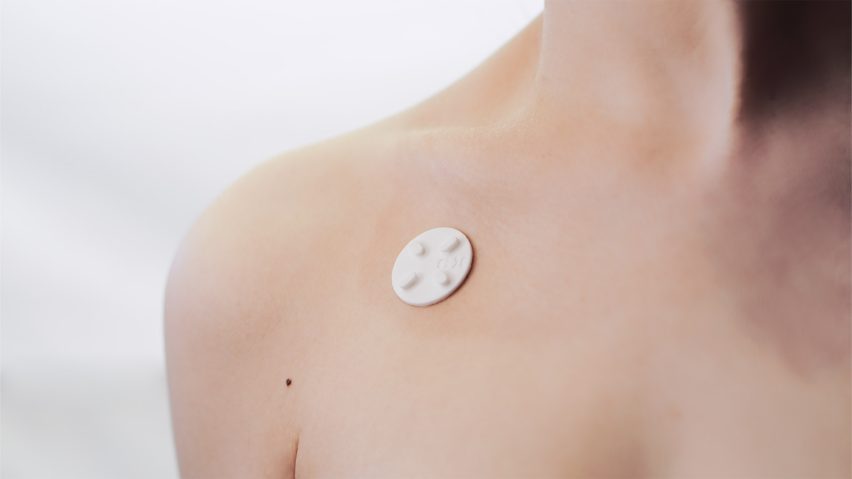
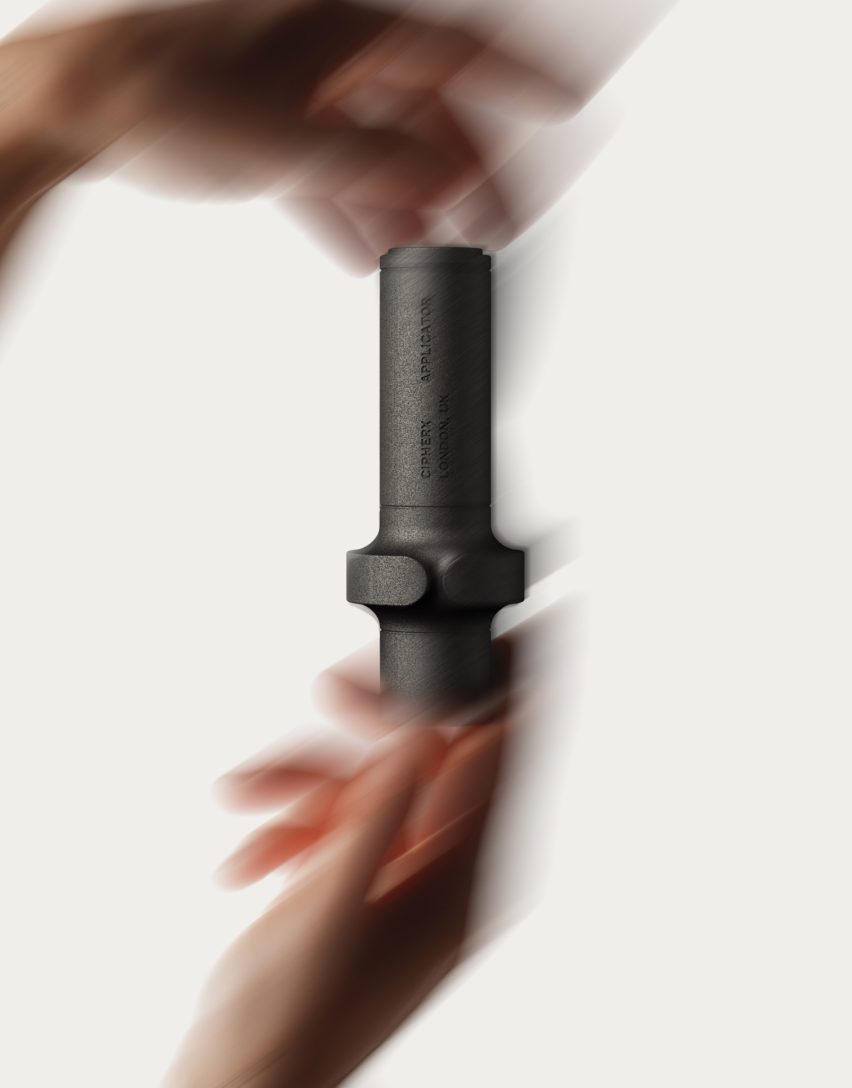
Described by CipherX as “a fundamentally new way of tattooing”, the tattoo is applied from a patch that contains numerous microneedles made of a combination of tattoo ink and a polymer.
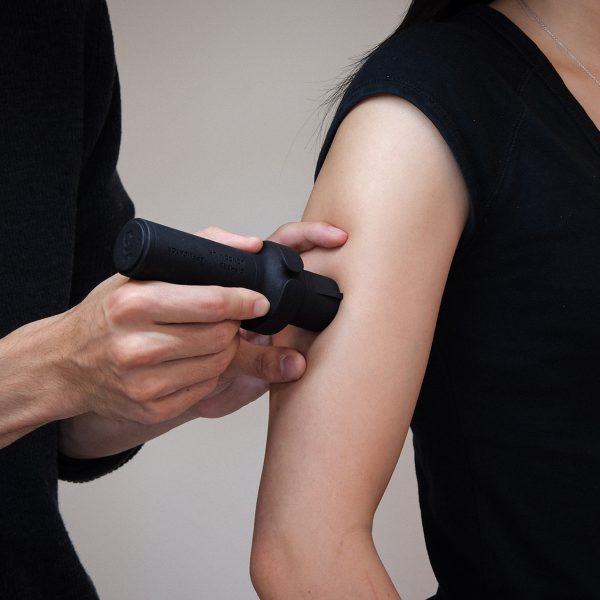
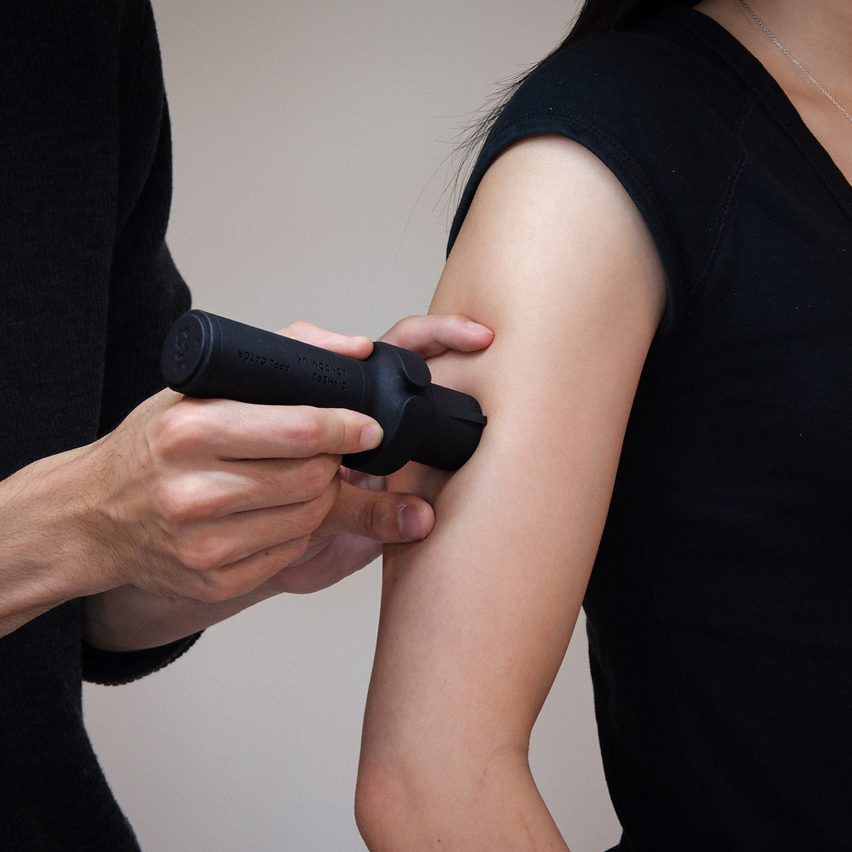
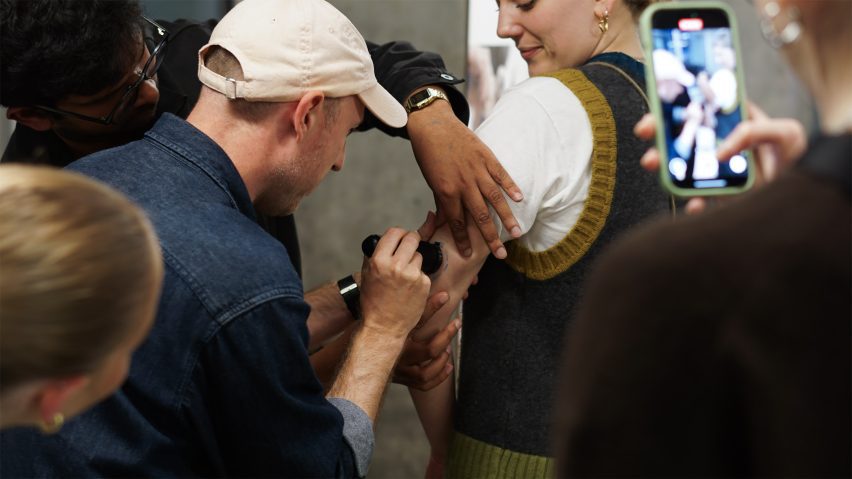
This patch is rammed onto the skin using an applicator that pushes the ink-based microneedles into the skin, which dissolve to create the permanent tattoo. The patch is left on the skin for 15 minutes then removed, with no aftercare required.
Kohle, a material scientist who gained his PhD from Cornell, developed the idea for the painless tattoos after initially planning to set up a company to develop microneedles to administer pharmaceuticals.
“I was working with injections, so it was injection devices, syringes, auto injectors, et cetera,” explained Kohle. “That was my day-to-day, but I hate needles; it’s like a true phobia – I get cold sweat even thinking about them.”
“So I was working with needles, which I thought was a little ironic, and I was always interested in entrepreneurship so I thought, okay, I am going to start a company,” he continued.
“So I came to London with the idea of starting another company, when suddenly I had the idea that you could use microneedle technology to deliver tattoos – deliver pigment.”
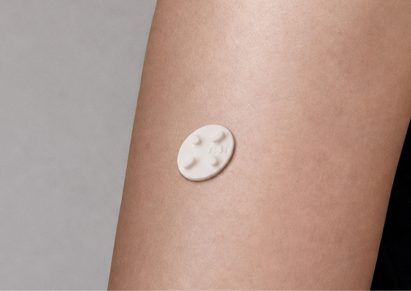
Due to the size of the ink-based microneedles, they do not penetrate as deeply into the skin as traditional tattoo needles, which makes the process painless.
“Communicating the scale is actually a very challenging topic,” said Kohle. “People have a mental image of a needle, they think immediately of the needle used for injections.”
“But you can scale it down, and that changes its properties and how you interact with it,” he continued. “When you scale the needle down and you apply it to your skin, you don’t really feel the penetration anymore because it doesn’t actually touch your pain receptors.”
Kohle hopes that his process will allow people who have previously been afraid or unable to get tattoos to get them.
“When I was like 18 or 19, I really wanted to get a tattoo, but I was a little scared, and then I never really did it,” he said. “So actually this is really cool for people like me.”
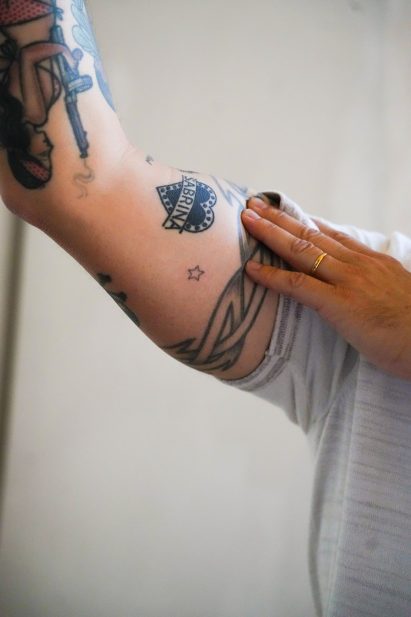
However, he is keen to express that he does not think that the microdot tattoos will replace traditional tattoos.
“We are in no means trying to replace any tattoo artists – I don’t even think that would be possible,” said Kohle.
“If you ask me, what is the target customer? One of the target groups is people like myself who would just not get a regular tattoo, and in fact, it has already been proven to be very attractive to these people.”
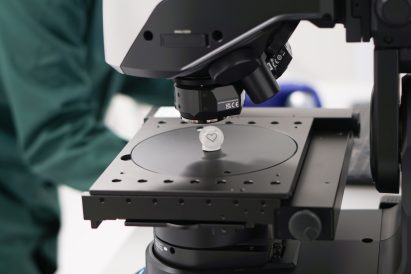
CipherX’s microdot tattoos are currently available in a limited number of designs that range in size from 3 to 11 millimetres.
Kohle is now planning to expand the range with customisation planned in the future. CipherX is also exploring medical applications and has received several grants from Innovate UK to further develop this application.
In other tattoo news, last year Blackdot developed an AI-powered tattoo device that it says is faster, safer, and less painful than a human-made tattoo.
The photography is by CipherX unless stated.
Read more
Recommended stories
Blackdot’s AI-powered tattoo device promises to make tattoos faster and less painful
Jakub Pollág designs Personal Tattoo Machine for do-it-yourself body art
French designers hack a 3D printer to make a tattooing machine
Six tattoo parlours that celebrate the “ceremonial practice” of tattooing
DuoSkin temporary tattoos can remotely control devices
MIT researchers develop tattoo inks that could act as health trackers
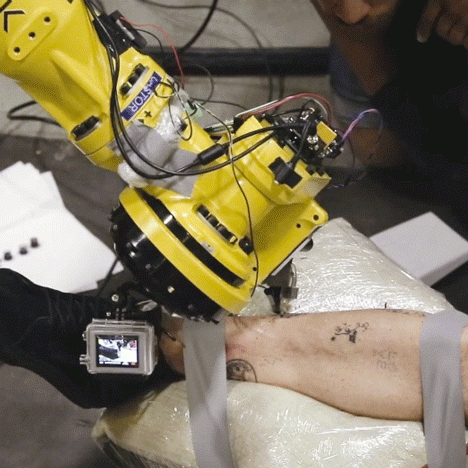
“World’s first tattoo by an industrial robot” revealed