


Continuing our Gaudí Centenary series, we've rounded up seven of the most iconic buildings designed by Antoni Gaudí, all of which are in Barcelona and UNESCO World Heritage listed.

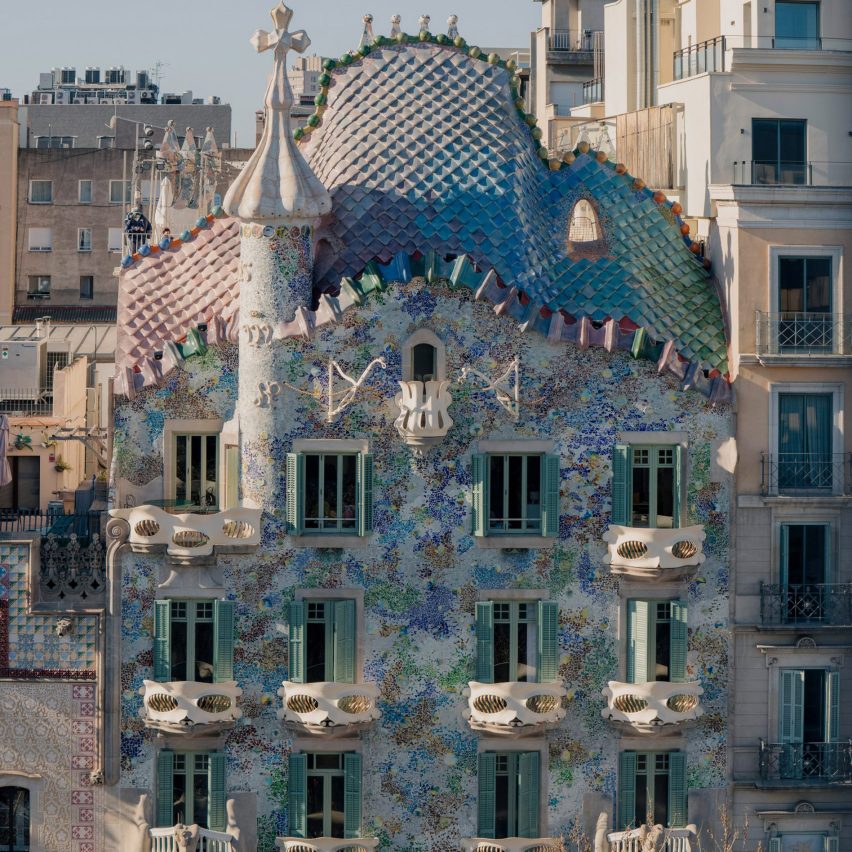
Skeletal shapes, mosaics and a scaly reptilian roof cover the exterior of Barcelona's House of Bones, or Casa Batlló, regarded as one of Gaudí's best-known and most unique works.
Now a museum, the six-storey house was originally built in 1877 by architect Emili Sala Cortés before being overhauled Gaudí between 1904 and 1906 for businessman Josep Batlló I Casanovas.
Atop its tile-covered roof, the design also features a four-armed cross pointing in the cardinal directions – similar to the one atop Gaudí's famous Sagrada Familia.
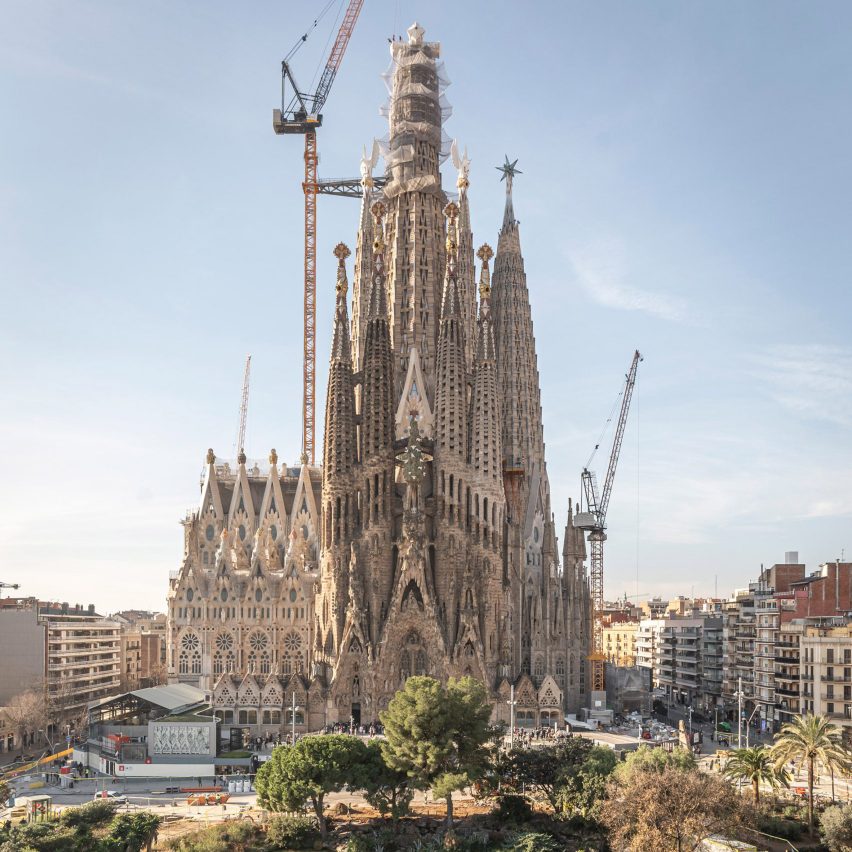
Gaudí's lauded Sagrada Familia is the architect's masterpiece, defined by its algorithmic design that features almost no right angles or rectilinear shapes.
Spanning almost his entire career, the church became Gaudí's focus for 44 years until his unexpected death in 1926.
Now, 100 years later, the structure, which at 172.5 metres recently became the tallest church in the world, is largely complete.
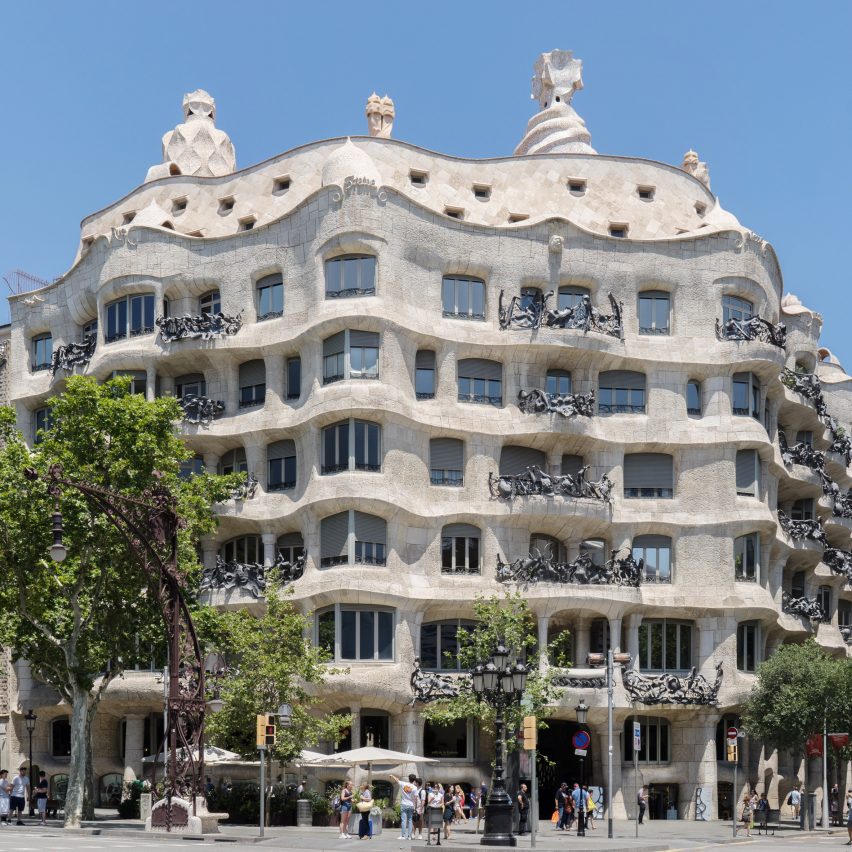
Casa Milà
An undulating curtain wall facade built from more than 6,000 stone blocks fronts Gaudí's Casa Milà, also known as La Pedrera.
Comprising two blocks arranged around a pair of courtyards, its innovate exterior is lined with 32 balconies with elaborate wrought-iron balustrades.
The structure was the last private residence designed by the architect and today is a tourist attraction and civic landmark.
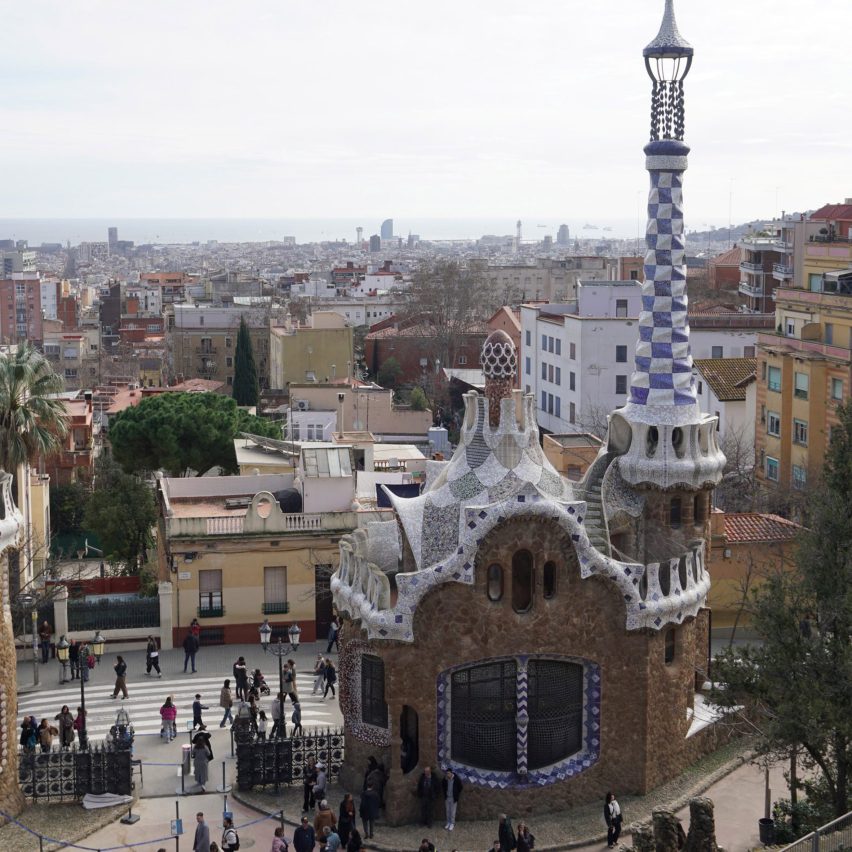
Gingerbread house-style pavilions and mosaic-covered terraces feature in Gaudí's Park Güell, a municipal garden opened in 1926 for Barcelona's residents.
The 12-hectare park was originally conceived by the architect as a private house estate for Spanish industrialist Eusebi Güell, but was later abandoned due to a lack of buyers.
Now the city's most popular park, Park Güell welcomes around 4.5 million visitors annually, which has led to protests about its "wild touristification".
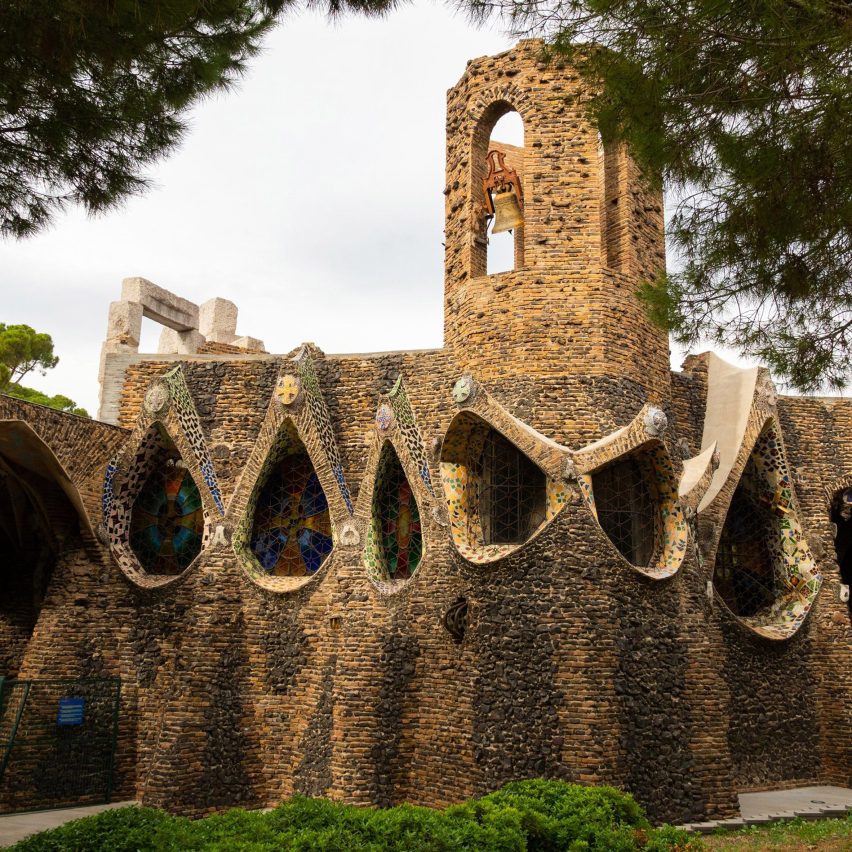
Gaudí's renowned hanging models were first developed for his design of the Church of Colònia Güell, a crypt built from clinker bricks, basalt stone and iron slag.
His design, which is complete with twisted columns and vaulted roofs and walls, was established using hanging models that marked the beginnings of parametric design.
Although the structure was never completed, it has been referred to as the architect's most original work and – according to Gaudí himself – would have been "a monumental model" of his Sagrada Familia.
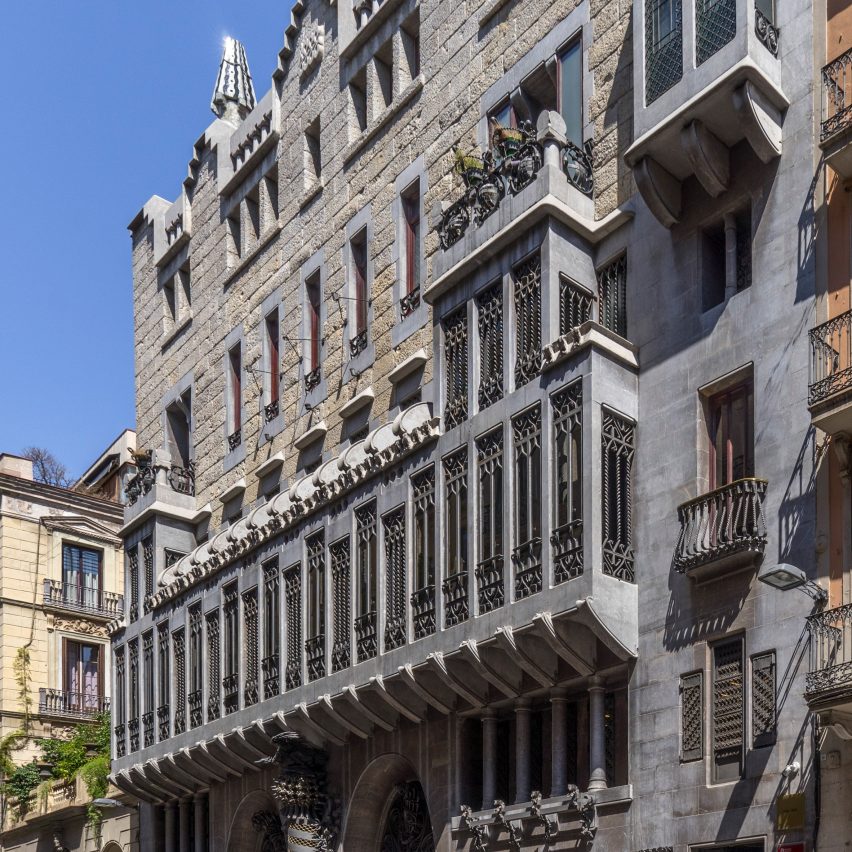
Palau Güell
Located in Barcelona's Raval district, Palau Güell was conceived as a luxurious city mansion for Güell – marking the architect's first commission from the industrialist.
The seven-storey residence is organised around a central hall and was designed to accommodate both private and public areas.
It was completed in 1890 with a stone and iron facade complete with large arched entrances at ground level and a protruding volume above.
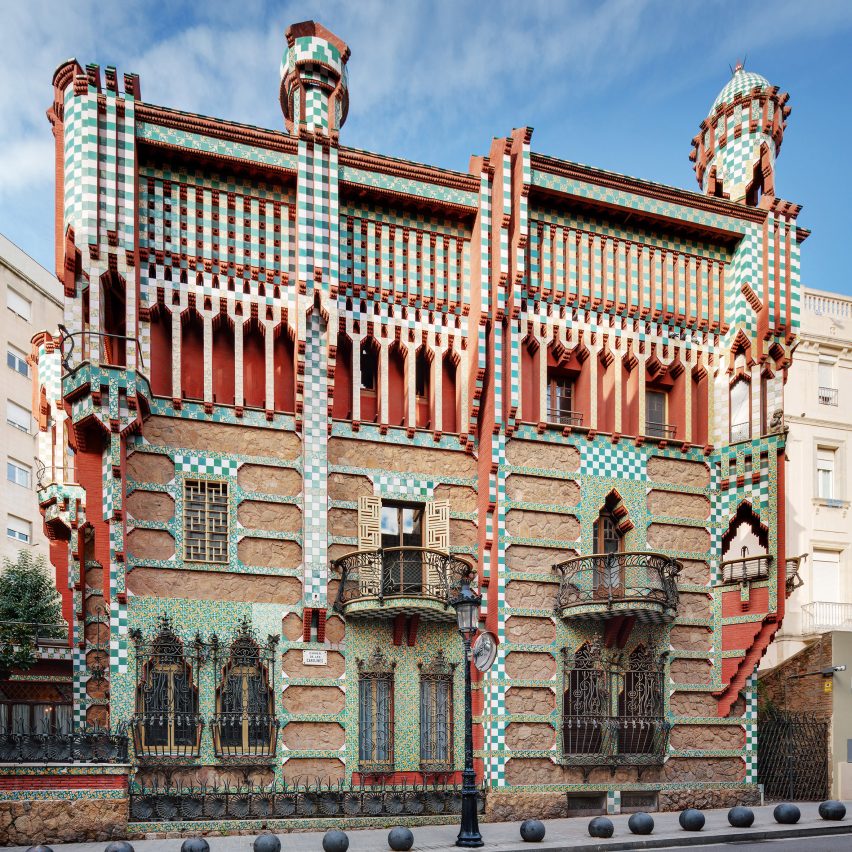
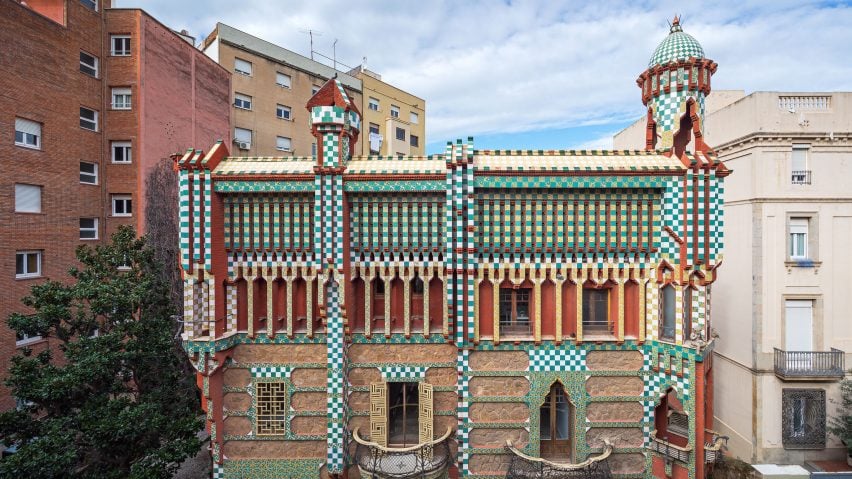
Built as a summer home for real-estate broker Manel Vicens i Montaner between 1883 and 1885, Casa Vicens is the first house designed by Gaudí.
The building is the last of Gaudí's seven UNESCO-listed projects to open to the public, after its structure was restored and converted into a museum in 2017.
Its exterior is enlivened with colourful tiles and ornate details typical of Gaudí's expressive style.