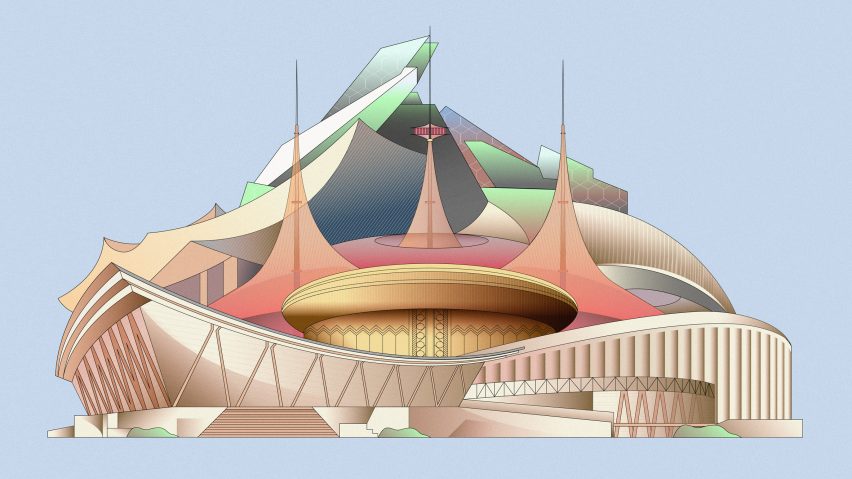
File into the Future Stadium
With stadium construction intensifying and the World Cup drawing to a close, our Future Stadium series looks at the future of one of the world's most impactful buildings.
We live in an age of entertainment, and it is no surprise that some of the most massive structures being built today are geared towards the delight of the masses.
The recent, worldwide resumption of sports mania, from the NBA to the World Cup, underscores the centrality of the competitive game in our cultural imaginary, and the stadium is its vessel. Today, a new generation of stadiums is on the horizon.
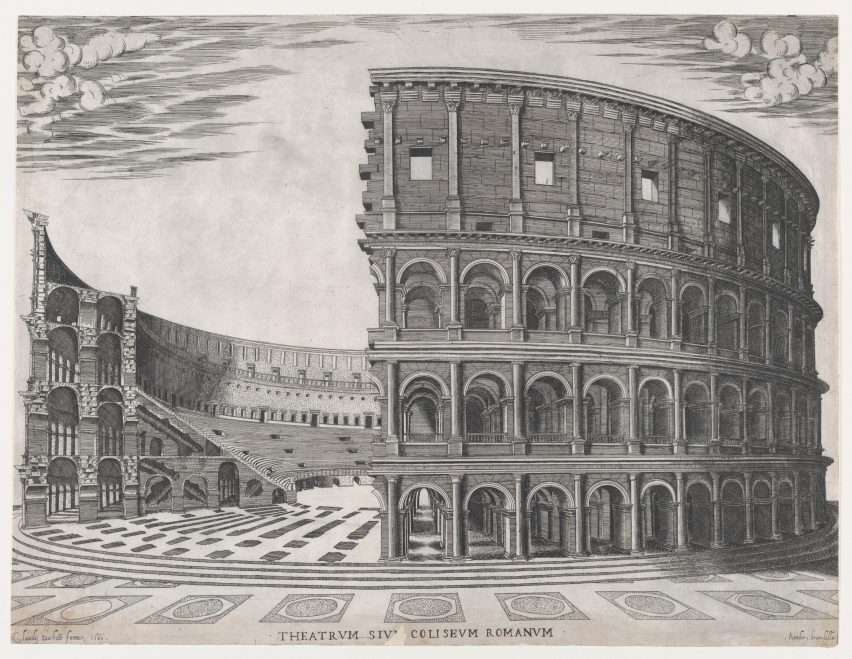
When referencing the history books, almost every account of the stadium's origins starts with the Greeks and Romans and then fast-forwards to the 19th century, as if something about the stadium is congruent with democratic eras. Whether you see this alignment as based in a requirement for communitarian gatherings or for distractions depends on which way you look at it.
Bread and circuses – and some hefty architects' fees. While everyone from the players, owners, builders and operators stand to gain mightily, the stadium needs to be taken seriously as an architectural category, where architects are still able to go big and experiment with form.
There are currently more than 200 stadiums capable of holding 40,000 people (the minimum required to host a FIFA World Cup match) across the world, with dozens more under construction.
They come in all shapes and sizes, from hippodromes to amphitheatres, the latter category including the American football and basketball stadiums and many of the world's football pitches. They are sites of national drama, and their planning can present discord or cooperation between team owners and government officials.
Stadia have always played multiple roles in the communities that host them. These buildings are recognisable on their own, large enough to be seen from some distance by virtue of their function as holders of the masses.
On the other hand, they are sites of deep emotional connection, giving shape to the feelings fans have for their teams. They are place-makers, with some becoming symbols for entire cities, as is the case in places as disparate as Denver, Barcelona and Istanbul.
Stadia also project power and culture, featuring heavily in nation-building projects.
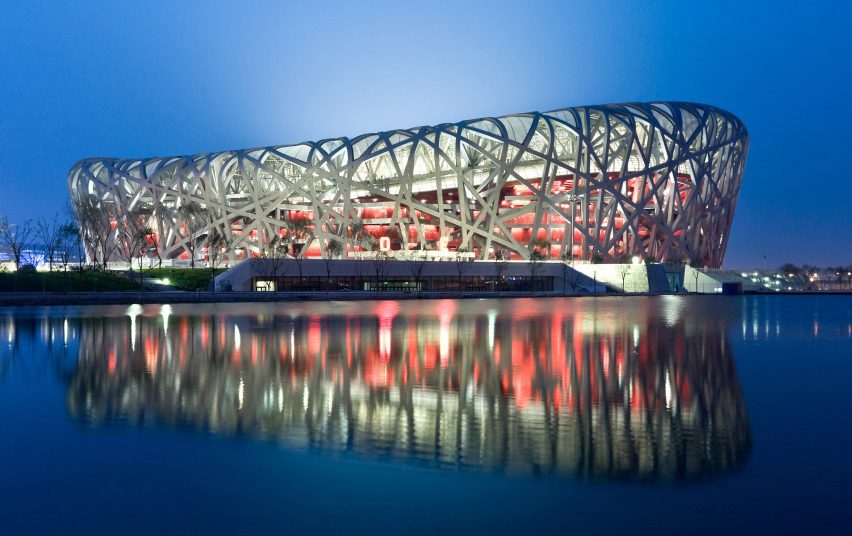
In 2008, China introduced its infrastructural prowess to the world with its fantastical constructions seen during the Beijing Summer Olympic Games. Today the country uses stadiums as part of its foreign policy through so-called "stadium diplomacy", which has seen dozens of stadiums built in developing countries to promote diplomatic and economic ties.
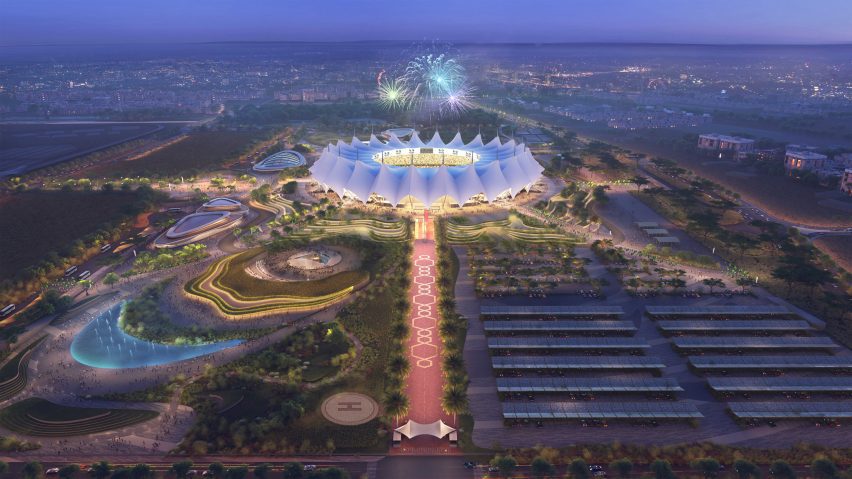
Today, we still see prospective host nations for international sporting events using the structures as a signifier of construction ability, as with the series of stadiums designed by well-known architecture studios built for Saudi Arabia's 2034 World Cup.
At a time when growing scrutiny is being cast on the extraction and carbon expenditure needed to produce buildings, especially large buildings, the stadium sticks out like a sore thumb. Even though some architects have floated mass timber and other less-carbon-intensive materials as alternatives, the sheer size of the biggest stadiums means concrete, steel and plastic, and lots of it.
They've also been central to our conception of disaster, from images of Japanese stadiums filled with refugees to the horrifying images of the Superdome in New Orleans, the only structure that could house the thousands of desperate people flooded from their homes by Hurricane Katrina.
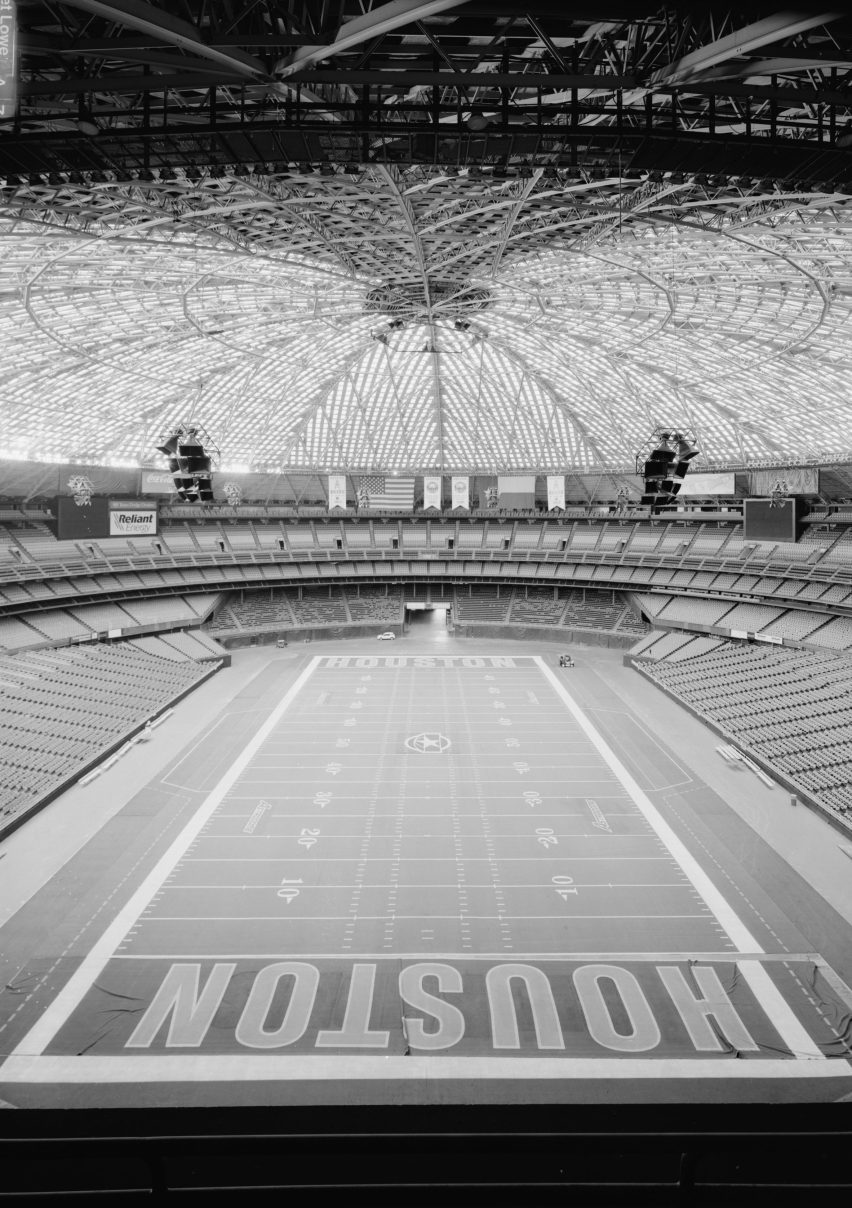
The size of these structures has, in many regards, been a laboratory for engineering in architecture. The Colosseum was an early example of mass crowd control. Frei Otto's Munich Olympic Stadium's tensile roof was an early example of computational design, while the enclosed Astrodome in Houston was one of the largest enclosed spaces in history and incidentally required the invention of Astroturf artificial grass.
The stadium, like the skyscraper, is a product of the industrial age.
As writer Simon Inglis notes in his work on British sports design pioneer Archibald Leitch, stadium design was once seen as the province of the engineer, not the architect.
Though Le Corbusier did design a speculative stadium for Paris meant to seat 100,000 people, it wasn't until later in the 20th century that high-profile architects such as Herzog & de Meuron, Norman Foster and Zaha Hadid entered the medium with all the fanfare that accompanies starchitecture.
In the 21st century, the specialist designer has taken centre stage, with massive studios such as Populous merging architecture with multi-national business practice to execute huge projects all over the world.
Today and looking forward, the main innovations occurring in stadiums – while there is still much focus on fan enjoyment – are two-fold and reflect the state of 21st-century life: the capture of data through integrated systems and the maximisation of profit.
The former sees the integration of payment tracking technologies, as in Los Angeles' SoFi Stadium, and an almost complete integration of screens and monitors into the architecture itself. Just as stadiums are machines for viewing, they are machines for being viewed.
The second innovation sees stadiums moving back into cities, unmoored from the suburban context where they proliferate in America. This move creates pressure on cities to integrate ever-more expansive programming, even building residential complexes adjacent to the site and, somewhat ironically, spurring urban transit projects to make sure the venues are filled all year long.
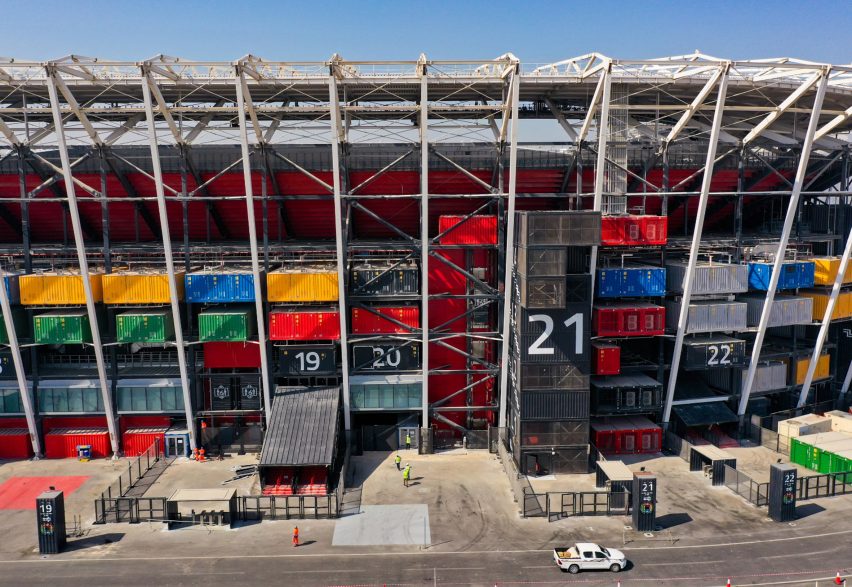
There are some undeniable positives. The stadium complex has often been used as a site for urban parkland as Archi-tectonic carried out in Hangzhou, while Fenwick Iribarren Architects created a demountable stadium using shipping containers for the 2022 World Cup in Qatar, showing that the typology can indeed be a venue for experimentation.
This series will look at some of the most iconic stadia of the last few years, the firms that make them, and ask questions about how the stadium will continue to drive city planning and image-making for the nation state.
Because with the stadium, maybe more than anywhere else, architects are shaping the future.
Future Stadium
This article is part of Future Stadium, our series exploring the growing role of monumental sports buildings in architecture and urbanism around the world.