FSB relaunches 1986 Dieter Rams door handle with “effortless grip”

German hardware specialist Franz Schneider Brakel has updated and relaunched a door handle designed 40 years ago by influential industrial designer Dieter Rams, replacing its plastic parts with an all-metal design to make it more durable.
Rams originally developed the FSB 1138 handle during a workshop held at the Franz Schneider Brakel (FSB) headquarters in East Westphalia in 1986.
Led by German designer Otl Aicher, the workshop invited international architects and designers including Mario Botta and Peter Eisenman to rethink the door handle as a point of interaction between the human body and architecture.
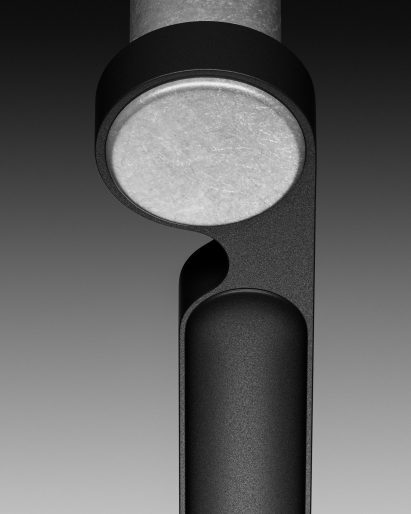
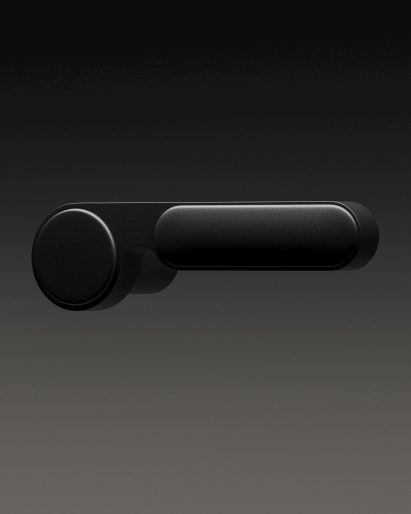
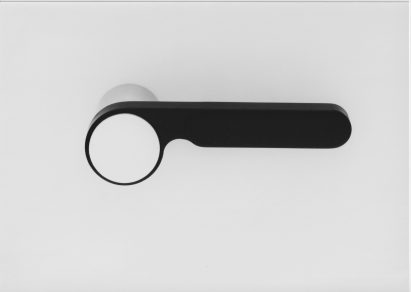
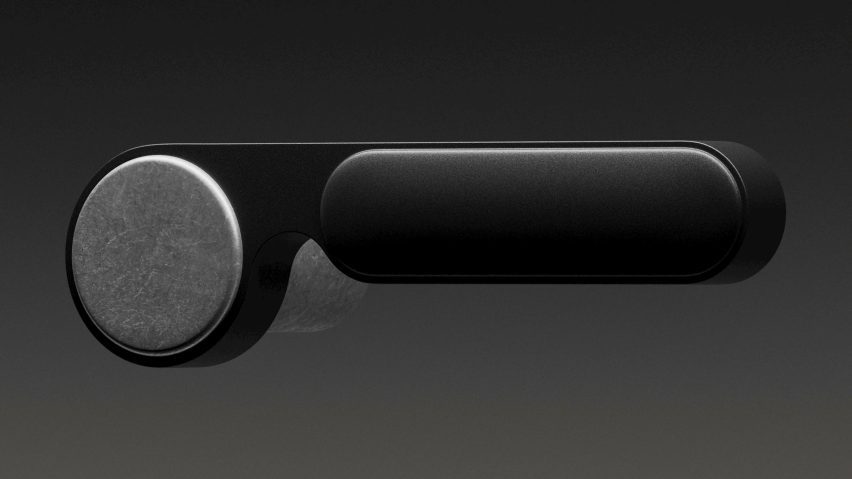
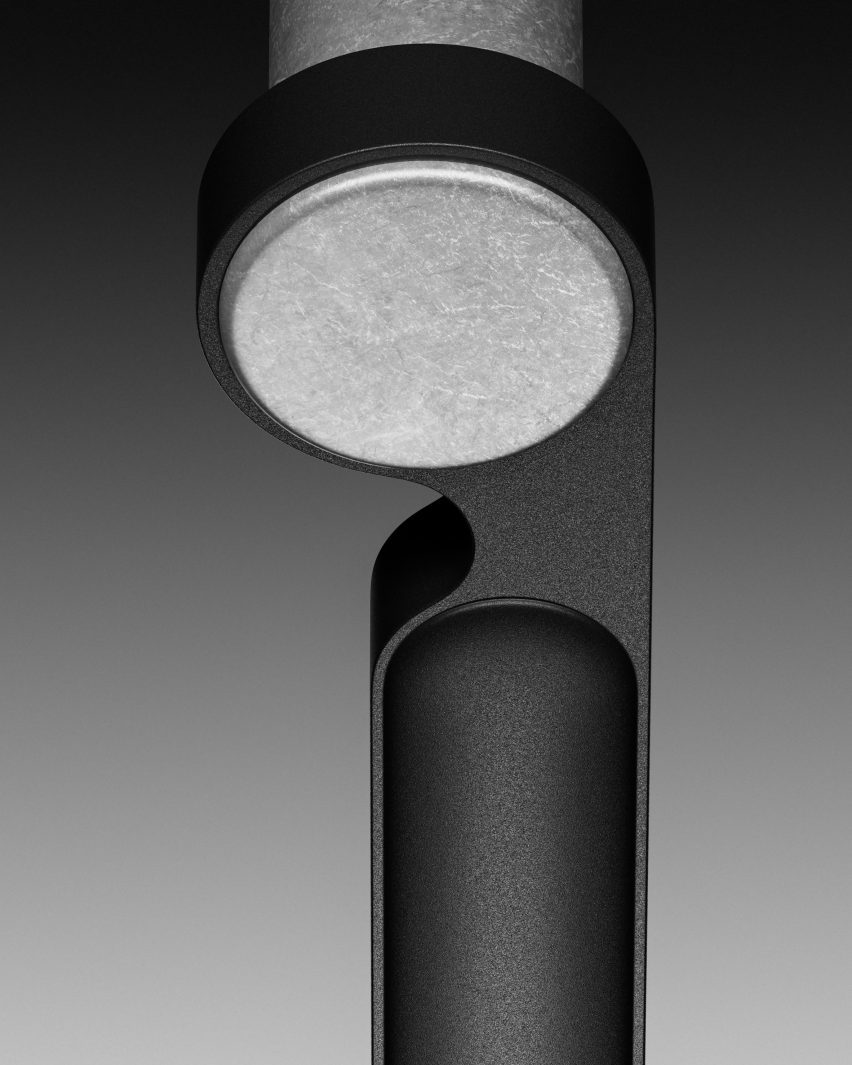
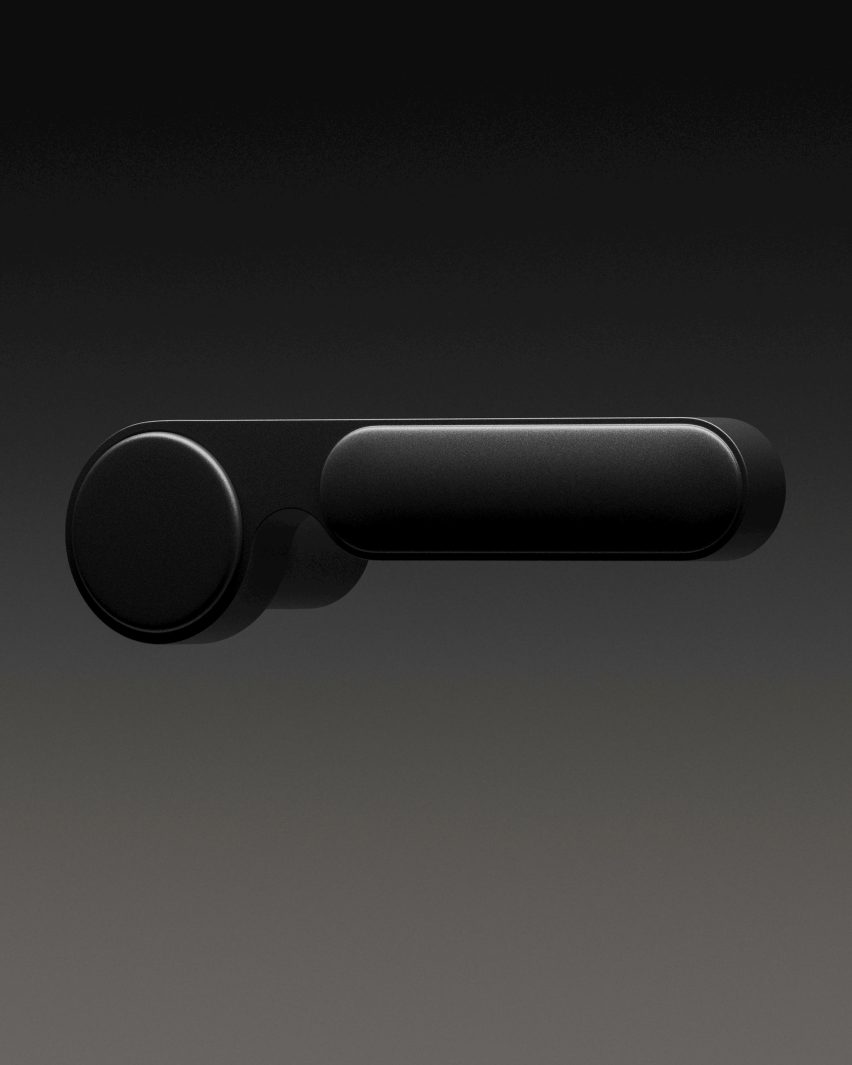
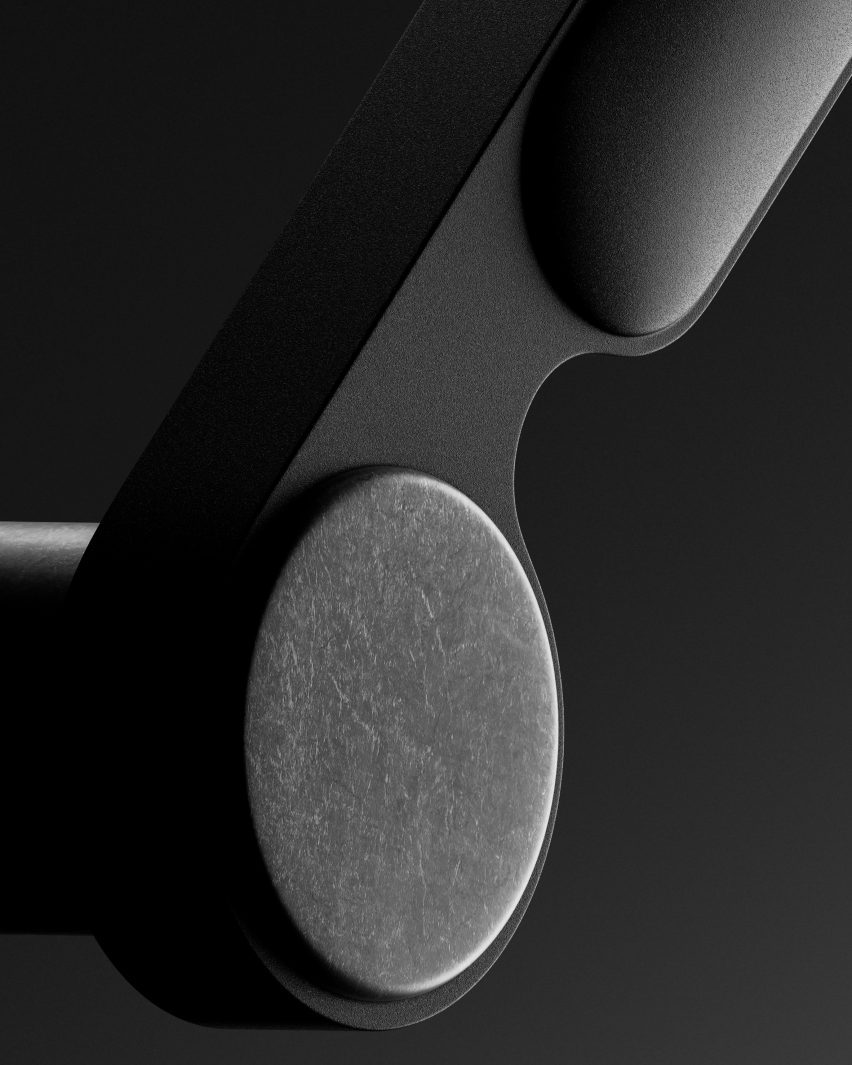
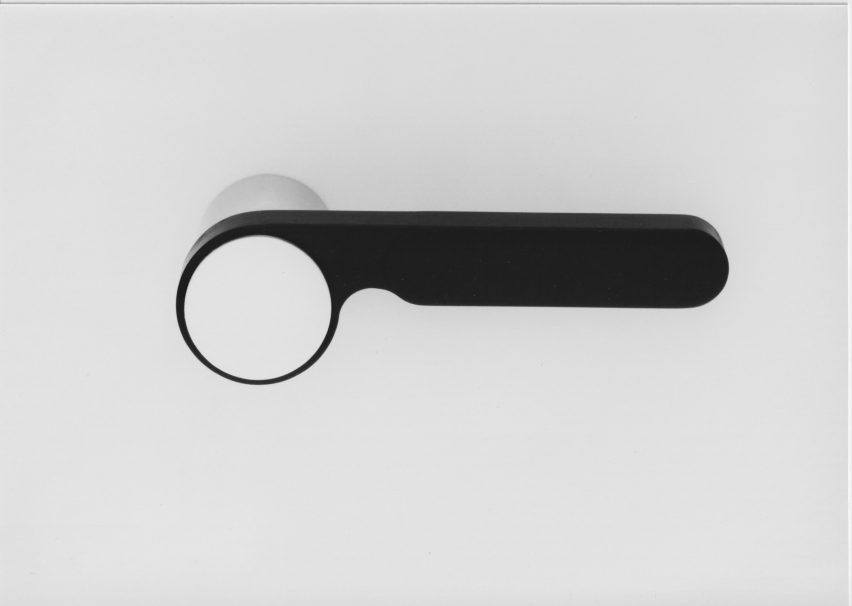
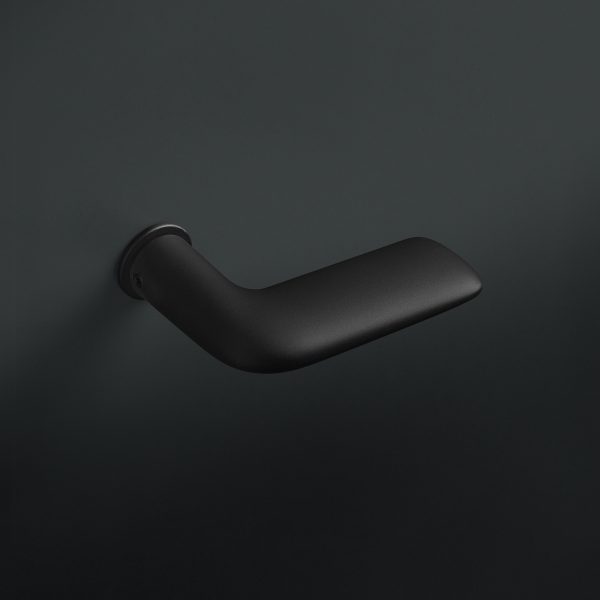
Rams’ solution presented a clear and intuitive form, comprising a circular rose, an index-finger recess and a gently rounded lever.
The product’s simple shapes and graphic contrast are consistent with the designer’s “less but better” approach, which he applied most notably in his role as head of design at German electronics company Braun.
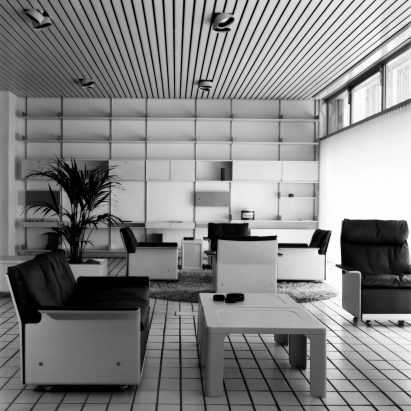
He also designed furniture for Vitsœ, including the iconic 606 Universal Shelving System and the 620 Chair Programme, which was relaunched in 2013.
Now aged 94, Rams told Dezeen he sees FSB 1138 as an example of everyday design that is so distinctive it “speaks for itself”.
“Such products are rare, but they serve as an essential source of inspiration and encouragement for the way we shape our environment,” he explained. “They become a benchmark for the future.”
Rams developed the door handle with support from his student Angelika Knoop in response to a brief that invited designers to reflect on the question: “Is it even possible to create new forms anymore?”
Among the other workshop participants were Hans-Ullrich Bitsch, Shoji Hayashi, Hans Hollein, Arata Isozaki and Alessandro Mendini. Of the nine concepts developed, the designs by Hollein, Mendini and Rams were added to FSB’s product range.
The original RGS (Rams Grau Schwarz) version of the door handle was manufactured using aluminium and thermoplastic.
The aluminium component was produced at FSB’s factory in Brakel, but the thermoplastic part had to be sourced externally. Due to its substandard performance in terms of longevity, the product was discontinued in 2005.
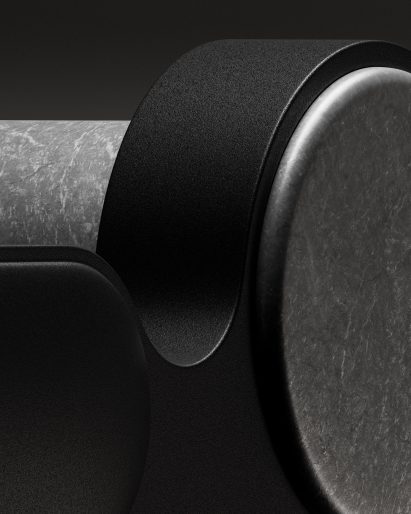
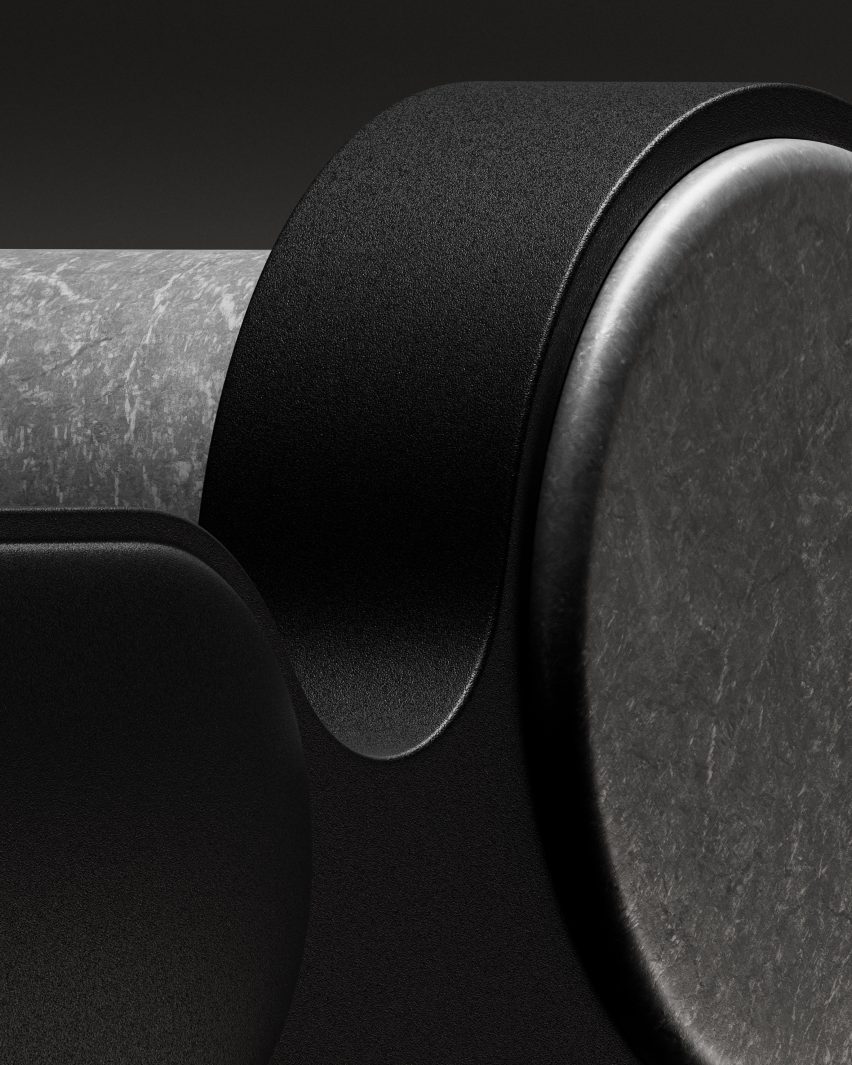
The new version features an all-metal aluminium construction, which will allow the handle to develop a unique patina over years of use.
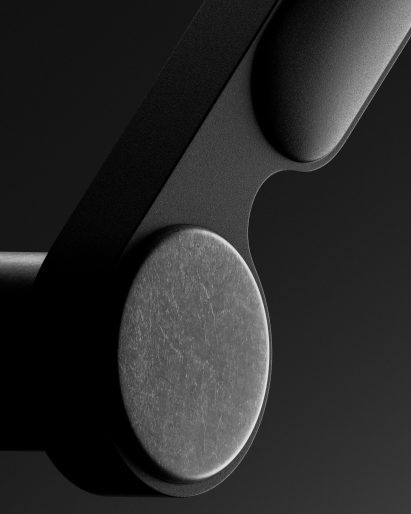
The updated door handle retains the core design DNA of its predecessor, which, according to FSB’s original 1980s brochure, set out to “create a simple yet highly visible statement amid the general chaos of formal diversity”.
“The circle communicates the turning movement, while the recess and the softly curved handle naturally indicate the position of the hand, ensuring a secure, comfortable and effortless grip,” explained Dr Klaus Klemp, author of Dieter Rams: The Complete Works.
“Its function is immediately understandable. It is a perfect example of beauty emerging from function.”
Rams was involved throughout the development process and endorsed all of the updates to the product.
The 1986 workshop marked the beginning of FSB’s international collaborations with architects and designers, with John Pawson, Heike Falkenberg, David Chipperfield and Foster + Partners among the more recent contributors to the firm’s product catalogue.
Rams retired from Braun in 1997 but continues to advise Vitsoe, which also produces a re-engineered version of his 621 side tables. He is known to have influenced designers such as Jasper Morrison and former Apple chief design officer Jony Ive.
In a 2019 interview with Dezeen, Gary Hustwit, the director of a documentary film about Rams, said the designer regretted the part he played in driving a global culture of overconsumption.
All photography is by Haw-lin Services unless otherwise stated.
Read more
Recommended stories
Foster + Partners Industrial Design team gives distinctive edge to door handles for FSB
Handles, sockets and switches demand attention at 3 Days of Design
Bankston Architectural uses tactile natural materials to create door hardware

Eclectic door knobs feature in guerrilla Milan design week exhibition
Vitsœ granted exclusive licence to produce Dieter Rams furniture
Paris exhibition aims to illustrate Dieter Rams’ principles of good design
Dezeen podcast: Dieter Rams at the Design Museum