


Craft has become cool, while industrial design has lost its sparkle. What's driving the trend? And are they really so different? Debika Ray reports.
'Handmade', 'heritage', 'bespoke' – most of us are used to reading these words by now. Just like the food industry before it, the world of design has internalised the language of craft – that of the 'local', 'artisanal' and 'authentic'.
At London Design Festival (LDF) this year, exhibitions of craft abound.
These range from Reviving Craft at Somerset House, a show of more than 60 artisans from China curated by Beijing-based media entrepreneur Yang Lan to "create a dialogue between traditional craftsmanship and contemporary design", to Wood for the Trees at the Tab Centre in Shoreditch, an "abstracted woodland" in which to contemplate responsible forestry, designed by London-based Mitre & Mondays for the American Hardwood Export Council.

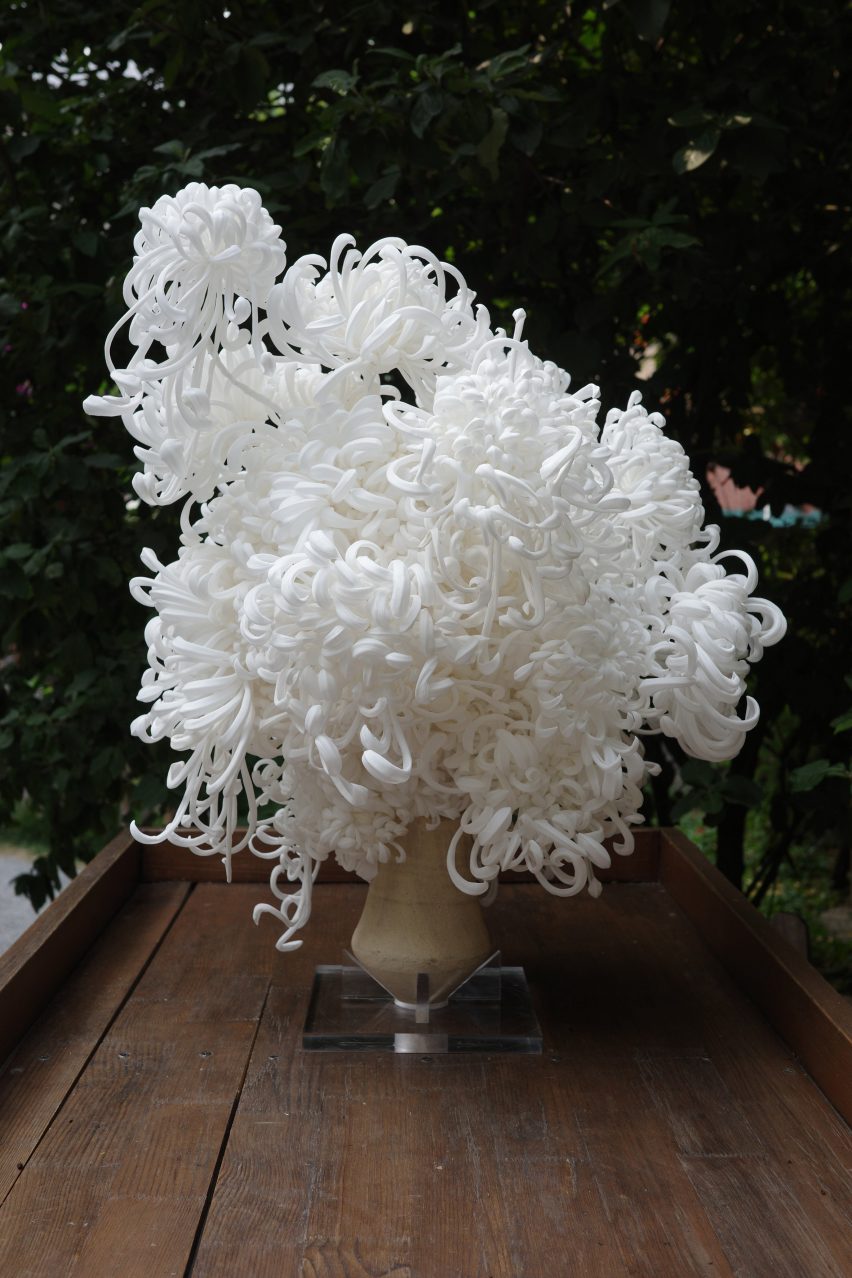
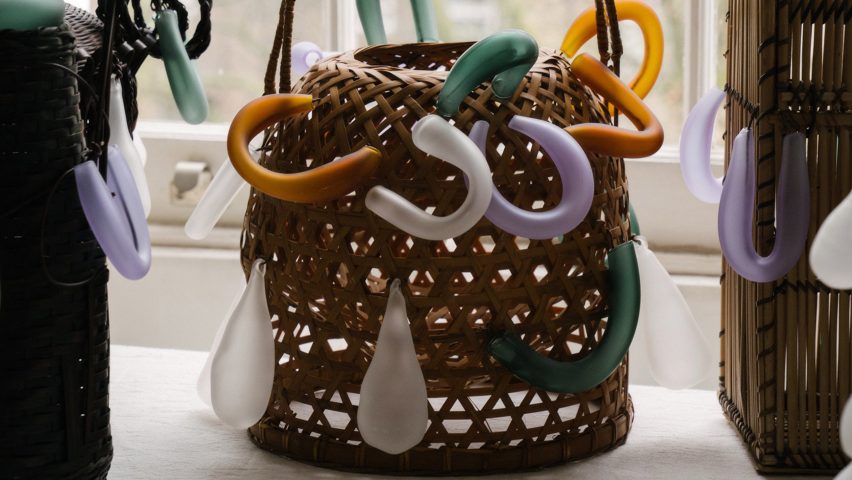
From Milan to Copenhagen, it's the same story: where once objects on display were proudly modernist, minimalist, sleek and uniform, they are now just as likely to be textured and imperfect.
The growing status of collectible design is part of the same movement – the desire for unique objects met by the inherent unpredictability of the human hand.
Pavel Klimczak, founder of design retailer Monologue London, has noticed this desire in the questions his customers now ask him.
"People are becoming much more curious about the stories behind objects," he said. "They often come for the design, but quickly the conversation turns to them asking where a piece was made, who made it, how it was made, why it was designed that way and the material used."
Craft was once dowdy. Now it's cool. And industrial design – that 20th-century emblem of democratised mass production, functional innovation and accessible beauty – has, whether fairly or unfairly, somewhat lost its sheen.
What underlying social and economic tensions does this shift reveal? And, beyond face value, is the line between 'craft' and 'design' especially meaningful in the first place?
"It's built on solid foundations"
The growing interest in craft is often attributed to our modern condition: the frictionless and ephemeral nature of our daily interactions, the cold dead pieces of technology we're continuously pawing, the deceptive nature of digital content, and the stylistic uniformity imposed over decades by globalised mass production and online connectivity.
In that context, it's no surprise we're drawn to unique objects that carry traces of human intention, are made of materials we recognise and are connected to a time, person and place.
A greater interest in the local, in heritage and in the vernacular also tracks with the current political mood: the simultaneous return, globally, of traditional values and a growing focus on cultures that have long been marginalised by modernisation and globalisation.
London Craft Week founder Guy Salter is convinced that our renewed interest in craft is here to stay.
"It's not going anywhere soon, as it's built on solid foundations – on more than just fashionability," he said. "We're rediscovering [things about quality of workmanship] that our forefathers knew for hundreds of years."
"And whenever I travel, I meet people who aren't attracted by the glossiness of luxury brands, but instead feel pleased to be supporting craft on a community basis."

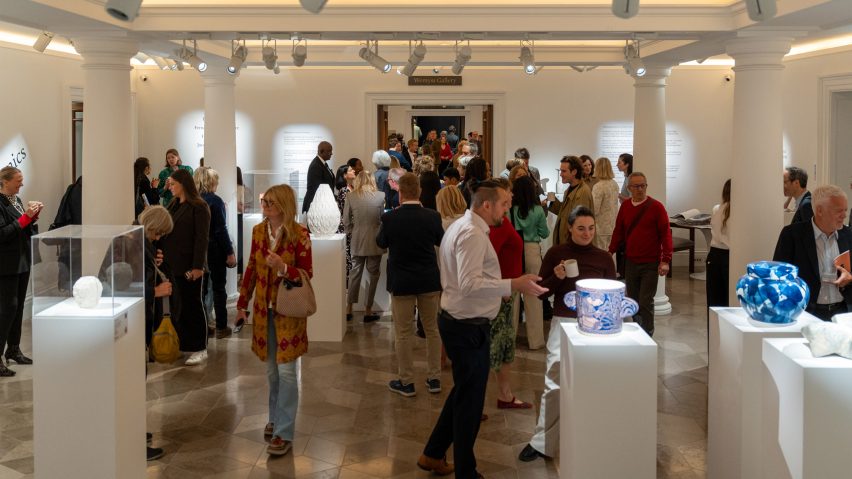
Drawing on this interest, London Craft Week (pictured top) now attracts about 250,000 visitors every year – up from about 35,000 a decade ago – which compares robustly to LDF's 475,000 in 2025.
This year, in a boost for its credentials, fashion designer Jonathan Anderson – who set up the €50,000 Loewe Craft Prize while creative director of the Spanish luxury house – came on board as a sponsor via his own brand, JW Anderson.
Alberto Merlo Carrero, Loewe Foundation's head of programmes, says the founding of the prize in 2016 was a recognition that contemporary craft was on the ascent.
"Extraordinary work was already happening around the world, yet the field remained relatively fragmented and often underrepresented within the broader cultural conversation," he said.
Fashion brands from Hermès to Gucci now more often than not tend to showcase craft in their increasingly visible presence at design weeks.
"We're drowning in products"
Fostering a healthy craft ecosystem requires long-term commitment, which – more broadly – hasn't always been evident.
Salter says the expansion and corporatisation of the luxury sector in recent years has shaken up a business model that a century ago was mostly based on "a small number of customers buying or commissioning from what were often family-owned luxury shops".
In the process of trying to attract a mass audience, he explains, money was channelled into marketing via flagship stores and advertising, with craft often taking a hit – the in-house artisan replaced by outsourced production, for example.
"Now, a number of brands have realised what was lost during that period, especially during the recent downturn, and are trying to retrofit it," he said.
Against that backdrop, Salter says, craft has become a marker of quality and trustworthiness.
He adds that, while initially those new "aspirational customers" they were after took brands at their word, today's buyers are more discerning, and trust companies with a track record of standing by their values.

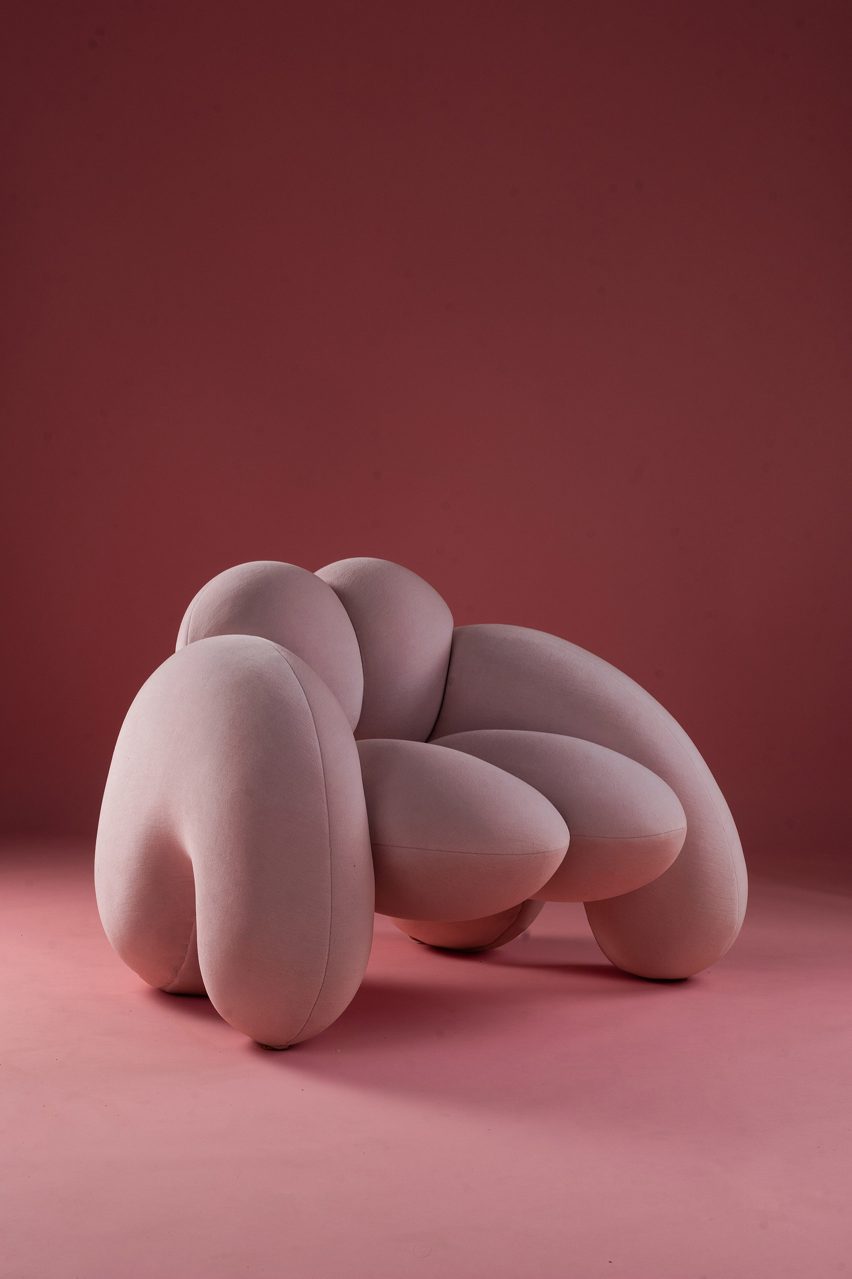
In contrast, industrial design is facing a "difficult predicament" as people increasingly question the ethics and purpose of mass production, according to London-based designer Lara Bohinc, who has collaborated with brands for decades and recently started working with clay.
"We're drowning in products. There are too many brands, too many chairs, too many beds," she said.
Meanwhile, cheaper design is often associated with bad labour practices, unsustainable processes or toxic materials – factors that are often ignored because these products are what most people can afford.
Calling something craft and charging a lot for it doesn't necessarily change the ethics behind an object, though.
Between 2023 and 2026, luxury fashion brands including Armani, Dior and Valentino were placed under court monitoring in Italy after investigations found they had outsourced production to illegal workshops where undocumented migrants were working under exploitative conditions on supposedly artisanal products.
"Just because it's handmade doesn't mean it's angelic," Bohinc points out.
"Few are making money exclusively from selling objects they've made"
Andu Masebo, a London designer who creates functional objects and art pieces in wood and metal, says he never had a "romantic notion" around craft – rather, he started making his designs simply because of the difficulty of finding a company willing to produce them for him.
He points out that the rise of craft isn't only a story about what consumers want, but also of what the industry is producing.
For designers, for example, the move to making is often driven by a fragile job market in which brands favour existing names over investing in new work, leaving emerging designers with few options but to produce things themselves.
"I feel like there could be a more positive conversation around how we create conditions that allow people to work in design and not just in the gallery space, and a concerted effort by the industry to reach out to emerging talent, not just as a marketing tool but as a way of supporting the future design pool," he said.
While craft may be in vogue, Masebo has observed that making itself doesn't necessarily offer a more sustainable livelihood than working for a design company.
"Few of my peers are making money exclusively from selling objects and furniture they've made," he said.

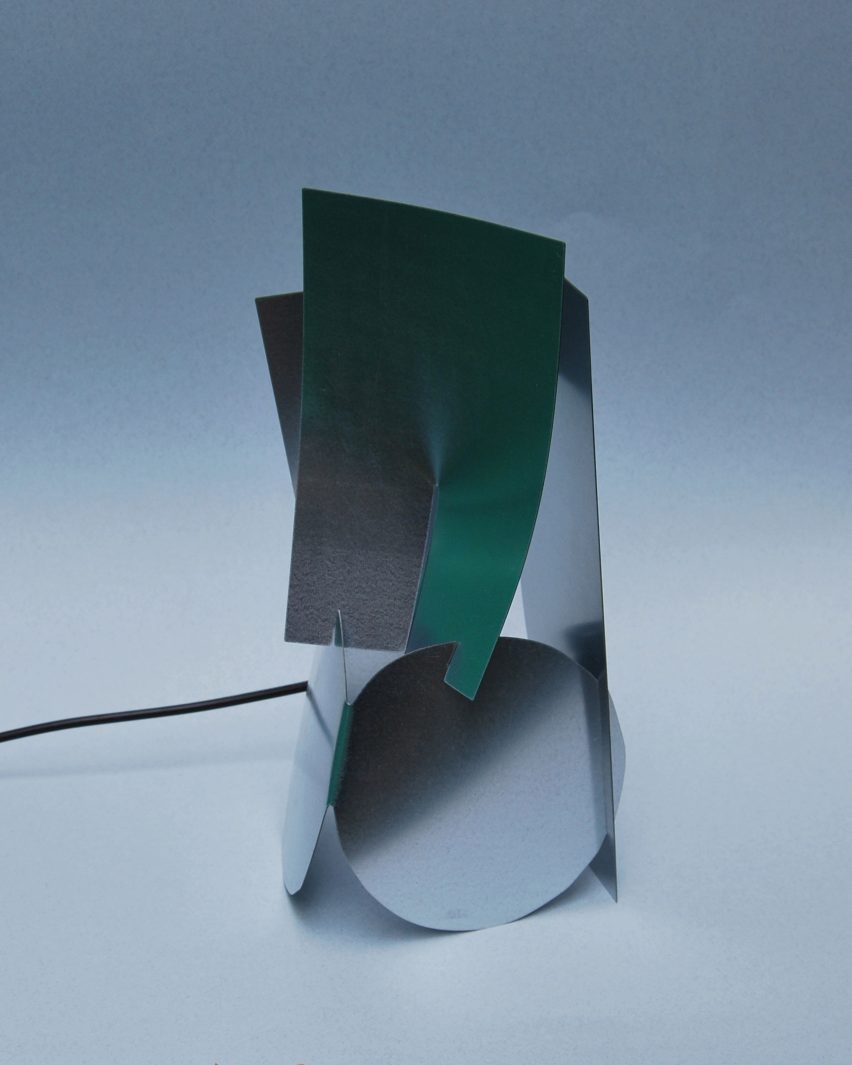
Instead, they use it to "express the highest version of their practice", while generating an income for themselves by diffusing that into a range of other related and unrelated sources, from social media to part-time jobs to commissions.
As Bohinc and Masebo highlight, categories such as craft and design may be useful from a marketing perspective, but underlying both are similar dynamics and challenges about quality, labour, employment and environmental impact that the sector cannot escape simply by changing how it describes work.
These extractive practices are among the subjects Nigerian-American designer Zoë Chinonso Ene is striving to address through her research and experiment-driven studio Homenkà.
In reality, she argues, craft and design aren't mutually exclusive categories, and the way we use those terms reveals underlying hierarchies in the value we place on different cultures of production – often based on aesthetic cues such as particular motifs, materials and styles.
"For example, with everyday objects from Igbo culture, I can see the decisions that were made to create object typologies for specific uses," said Ene, questioning why these are called craft rather than design.
For LDF, Homenkà is creating an intervention as part of Brompton Design District – a parlour that will host evenings of play, eating, conversation and remembering "in the company of everyday design".
Its broader focus is on supporting craft ecosystems in Nigeria. In envisioning these, Ene isn't a purist about the separation between hand and machine.
"It may mean artisans working in a semi-industrialised space where they do 50 per cent, not 100 per cent, by hand, to speed it up while creating a fantastic product whose materials are sourced locally and gaining and exchanging skills," she said.
London designer Bethan Laura Wood has always straddled both worlds. She recalls that during her student days "craft was a dirty word in relation to design" – certainly not the case today.
For LDF, she is showing work as part of Craft x Tech, an exhibition by design studio Tangent that brings artisans from the Tōkai region of Japan together with international designers – in her case, to create folded hanging lamps made with shibori tie-dyeing company Suzusan.
Wood points out that public interest is like a pendulum – shifting from minimalism to maximalism, machine production to craft making – even as all these things continue to exist all at once.

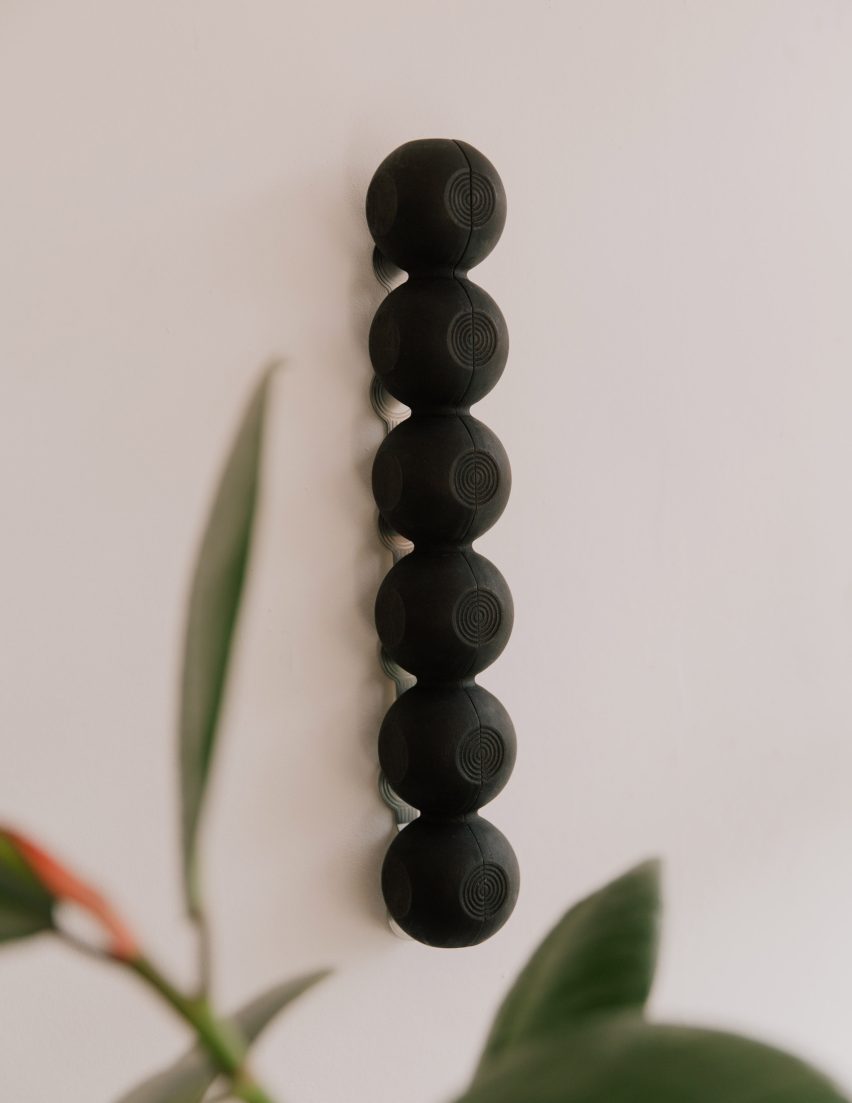
The reactionary resurgence of craft is also not a new thing – think of the Arts and Crafts movement emerging in response to the industrial revolution, she adds.
That's not to dismiss the significance of what's happening now: waves of fashion can leave behind more substantive and meaningful change.
"When industry started to pay more attention to recyclability or circular design, some companies just flirted with those ideas to tick boxes, but others adopted it into their systems in a long-term way," said Wood.
Similarly, beautifully produced videos revealing the process behind objects – the metal spinning, the turning pots, the scraping of lathes – probably won't dominate social media algorithms forever.
But what might persist is a deeper concern among all of us about the provenance of the things we buy and a relationship between makers and designers that rewards both sides equally.
This article was originally written as part of our Dezeen Dispatch magazine for LDF 2026. Read an online version of the magazine here.
LDF 2026 is taking place at various locations around the city from 12 to 20 September. To see what's on, visit Dezeen Events Guide.