Black timber elements traverse concrete fragrance store in Tokyo

Photography by Takuya Yamauchi
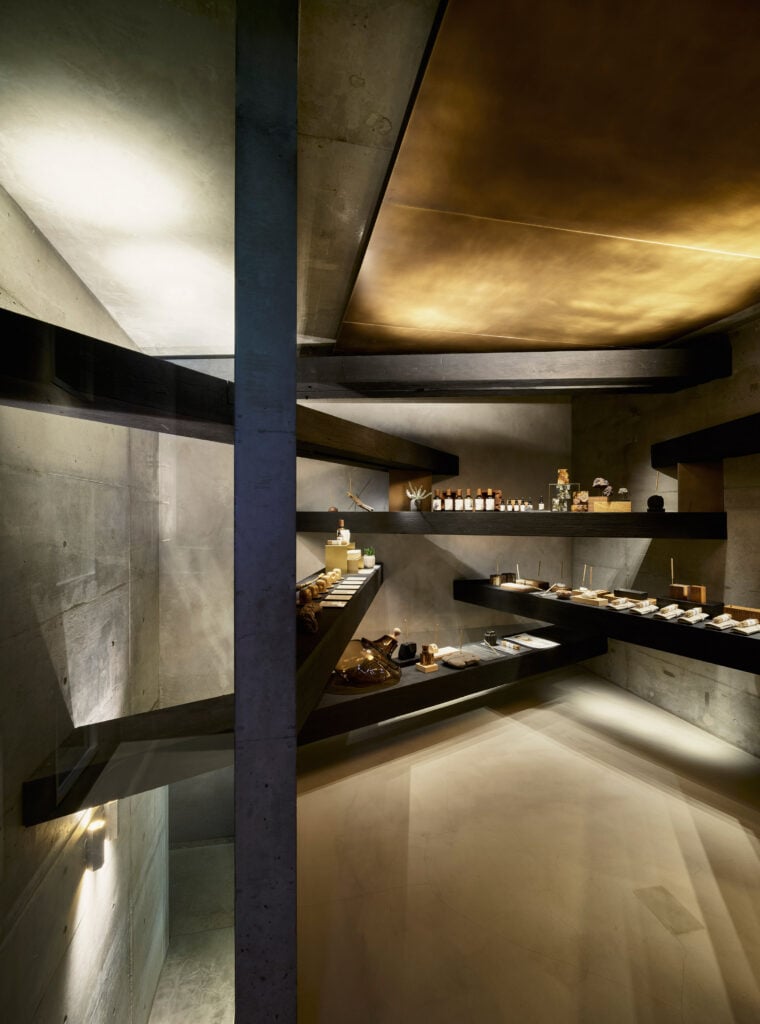
Mexican design firms Esrawe Studio and Cadena Concepts divided the interior of this concrete building in Tokyo, designed for perfume brand Xinú, with angular black-timber displays.
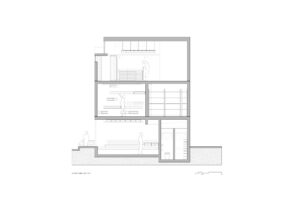
Esrawe Studio and Cadena Concepts designed the timber elements as sculptural interventions that also organise the interior of the three-storey shop, which is located in the city’s Aoyama neighbourhood.

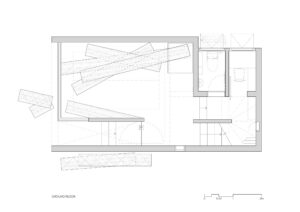
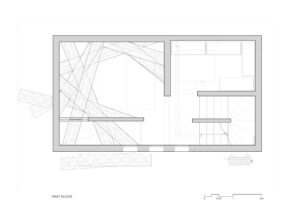
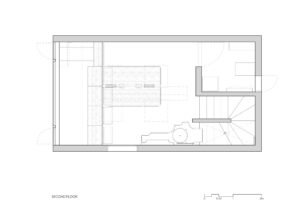
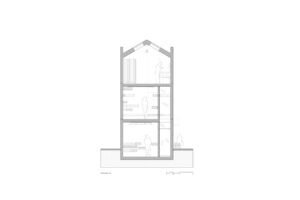
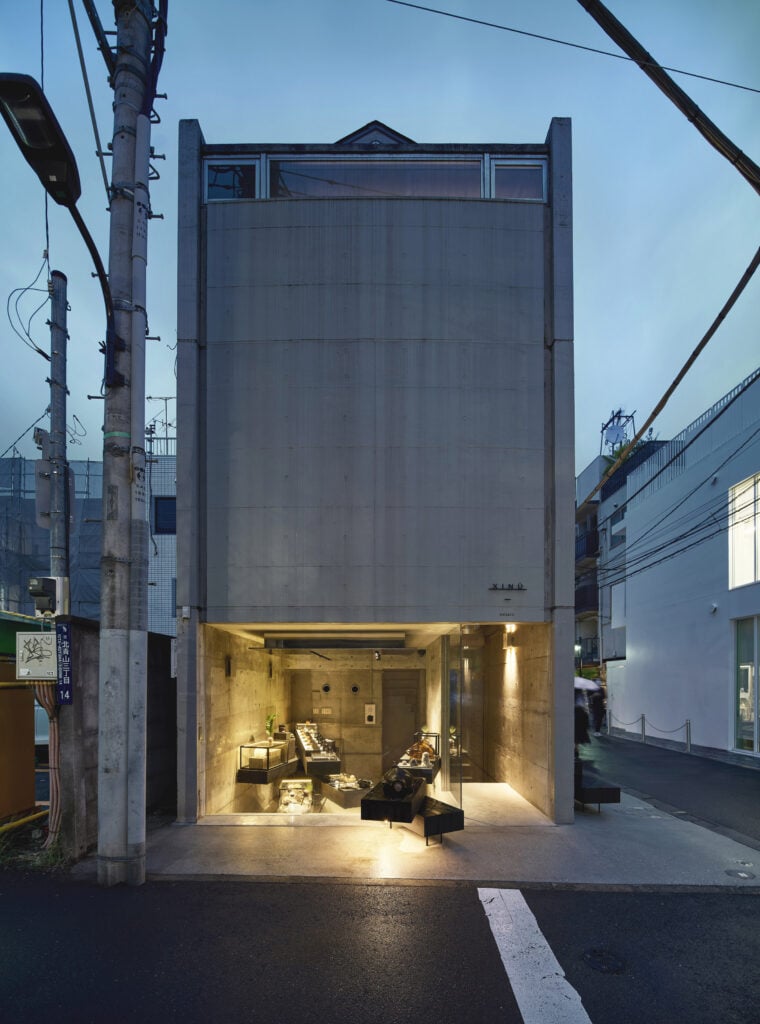
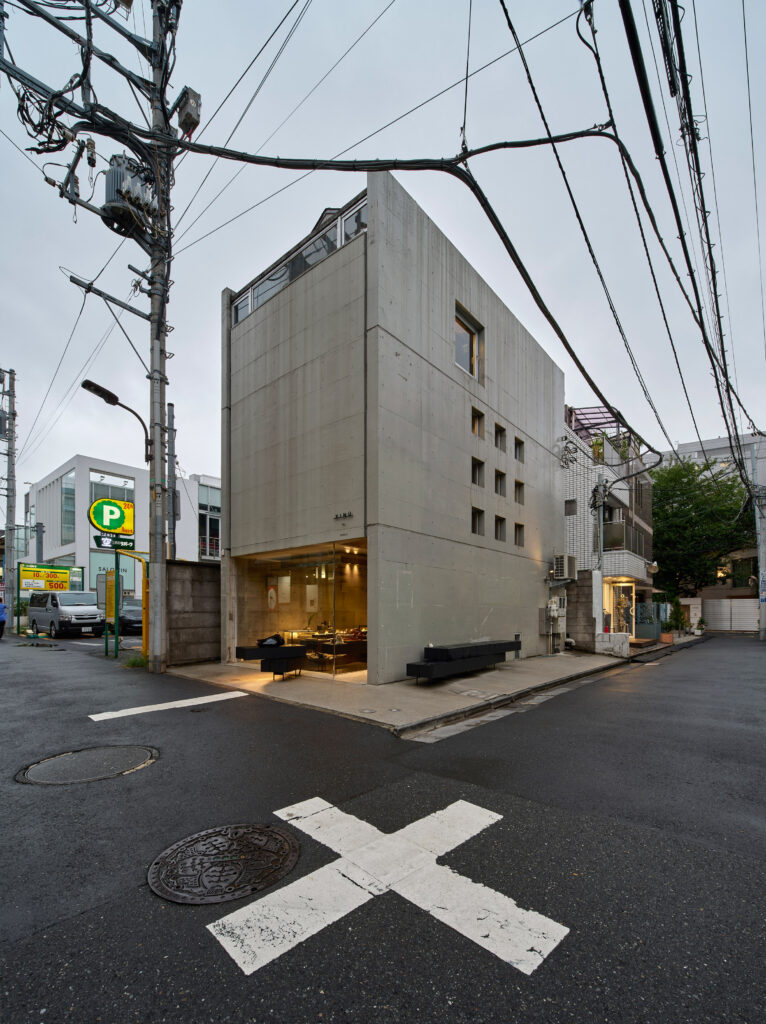
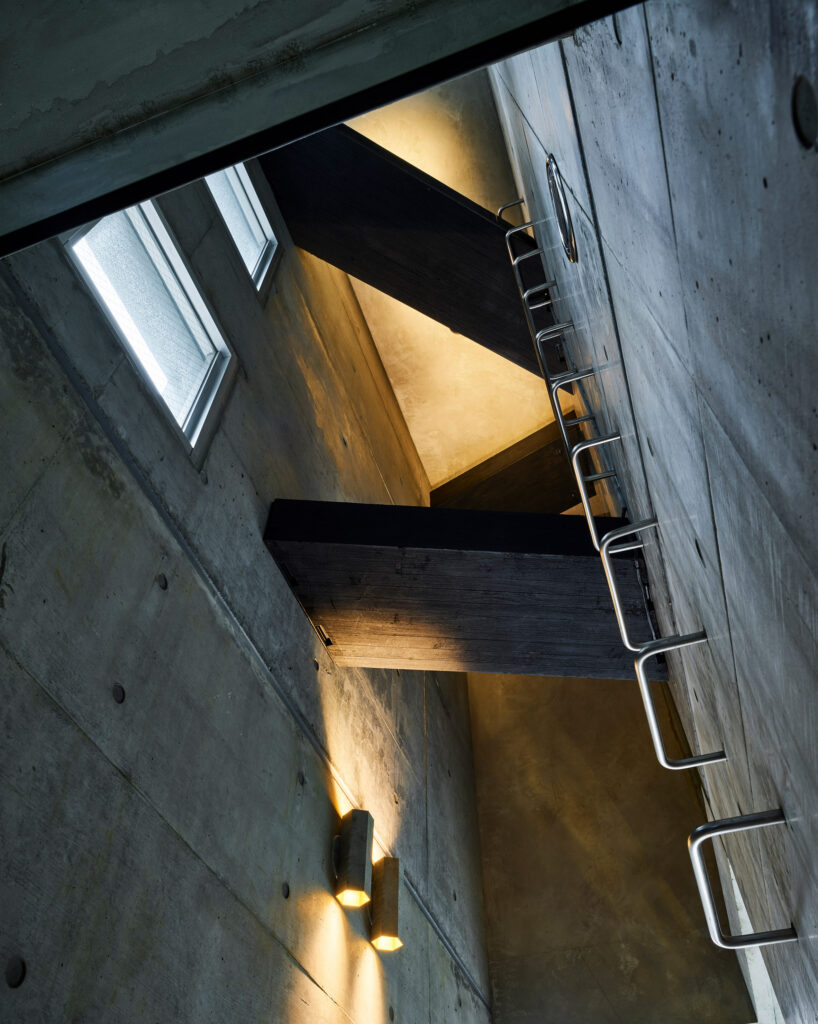
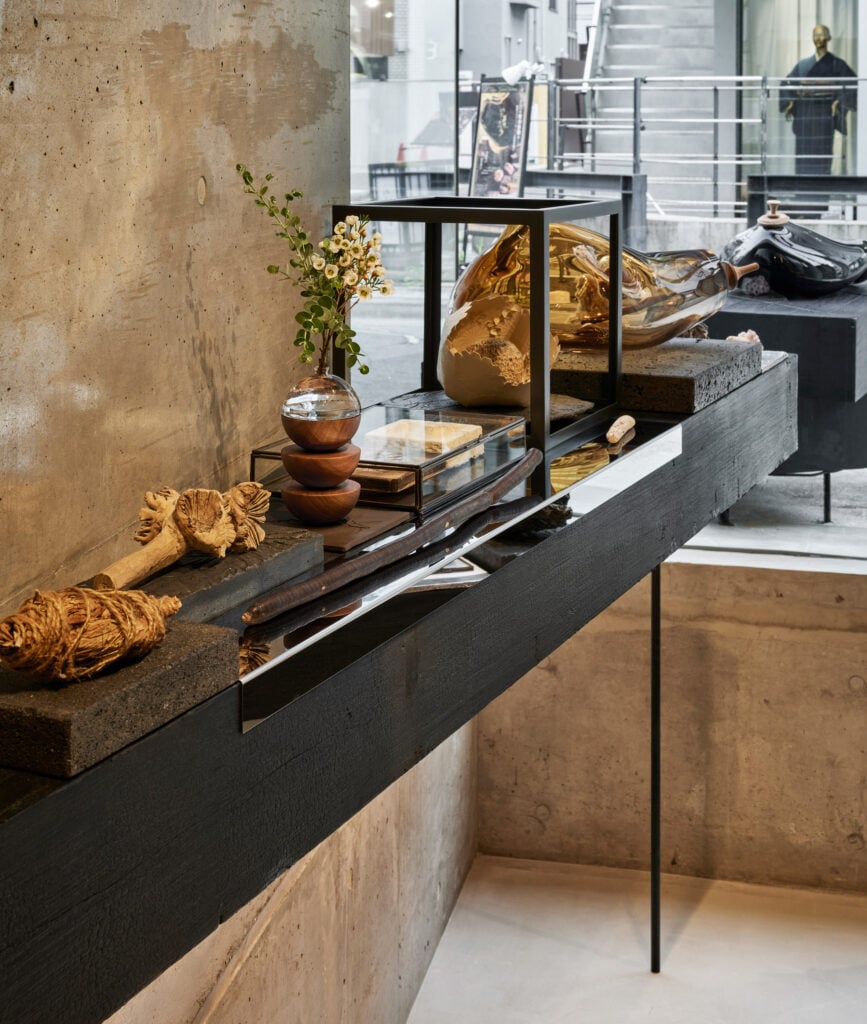
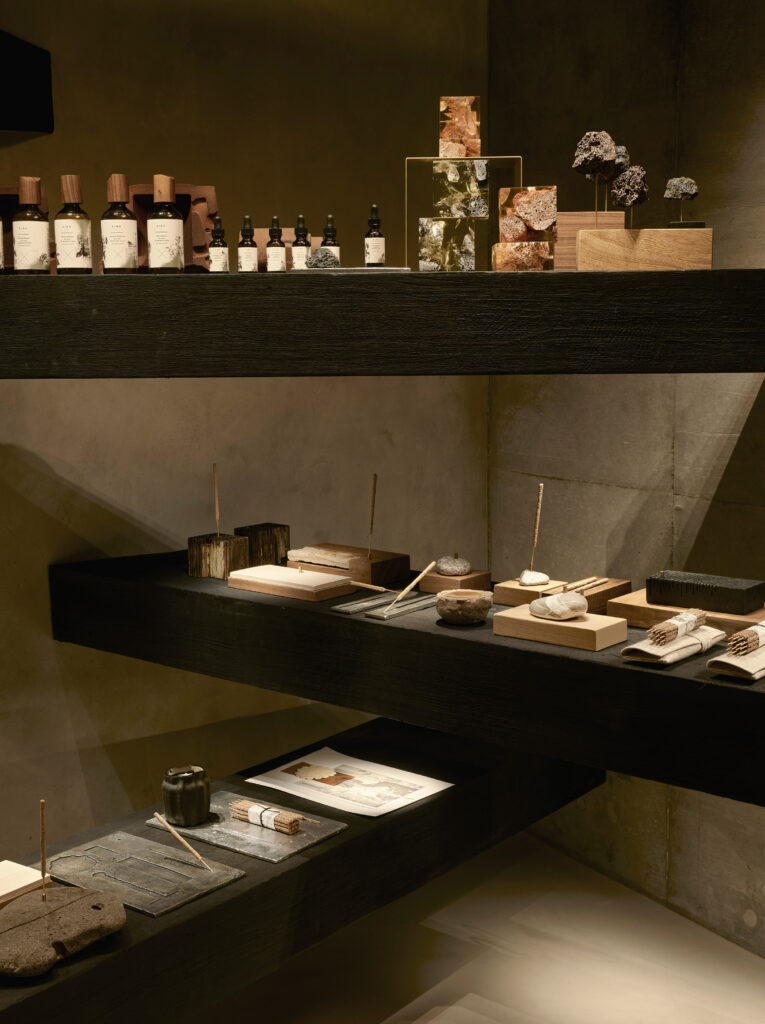
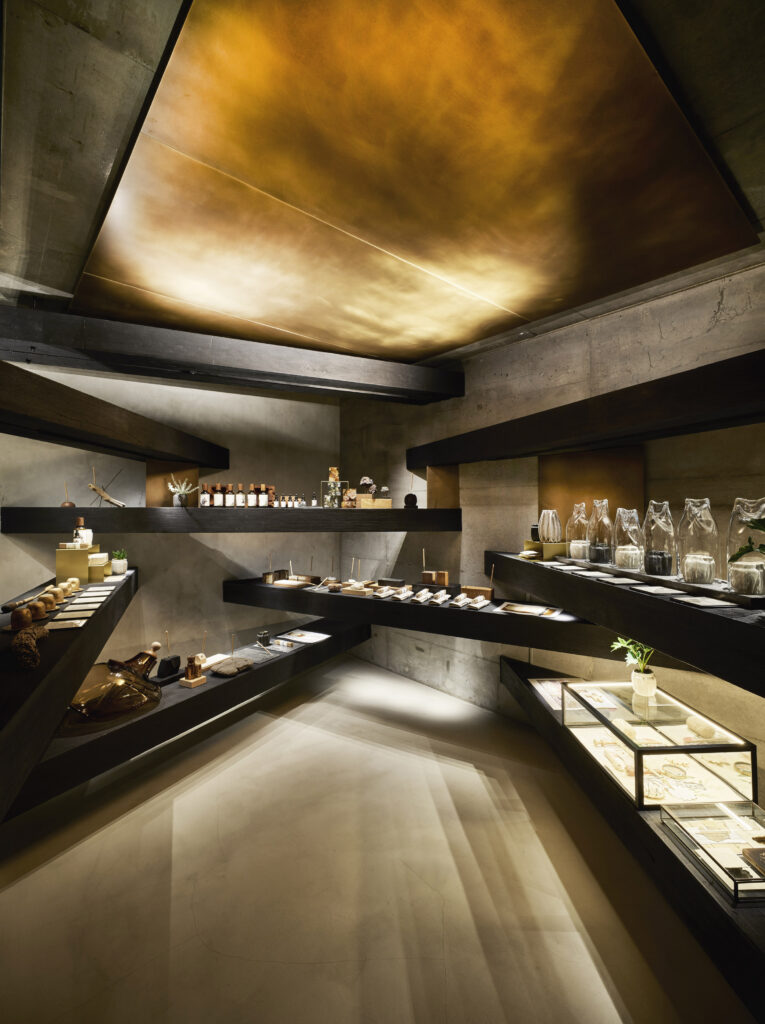
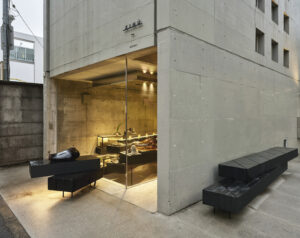
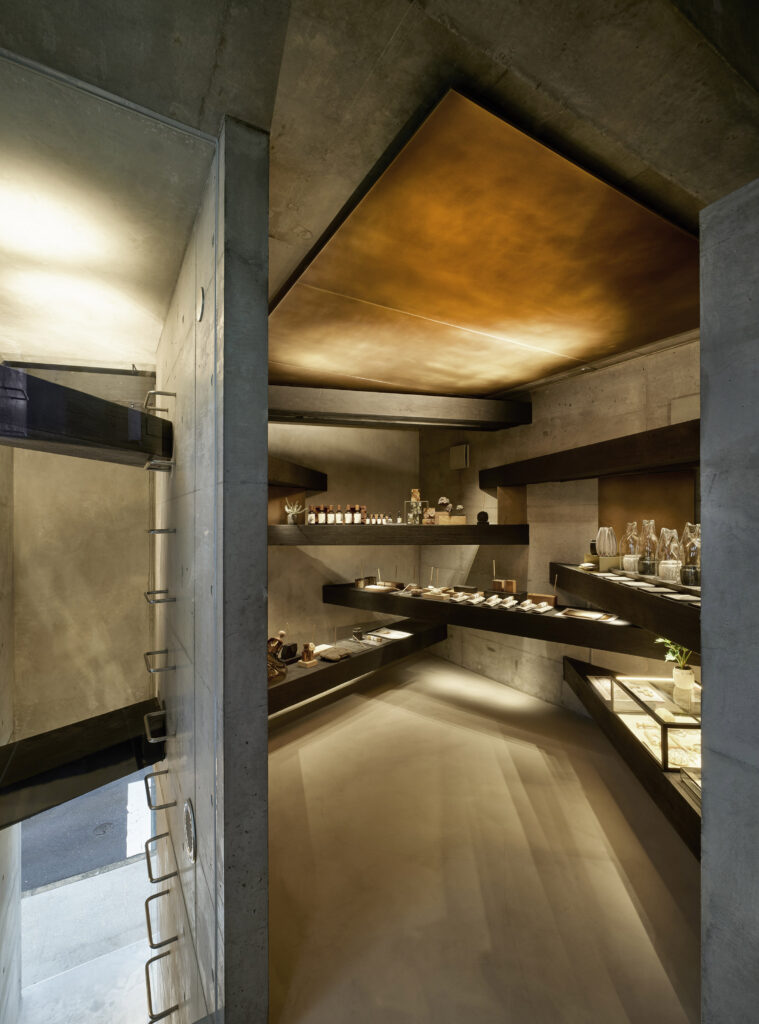
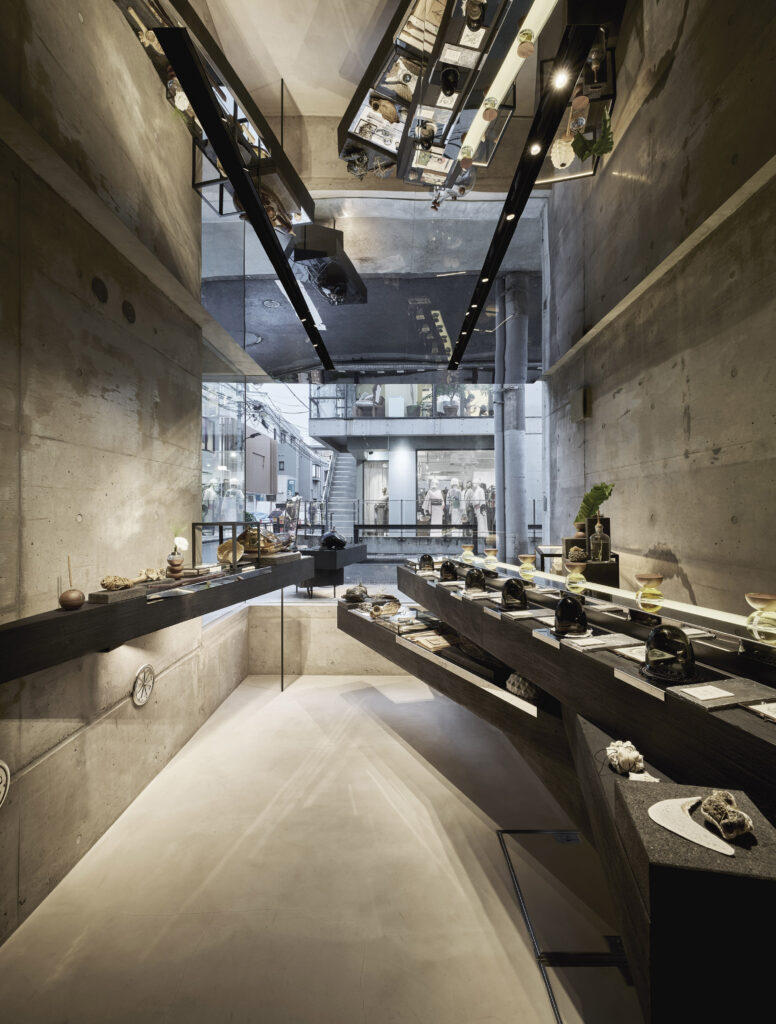
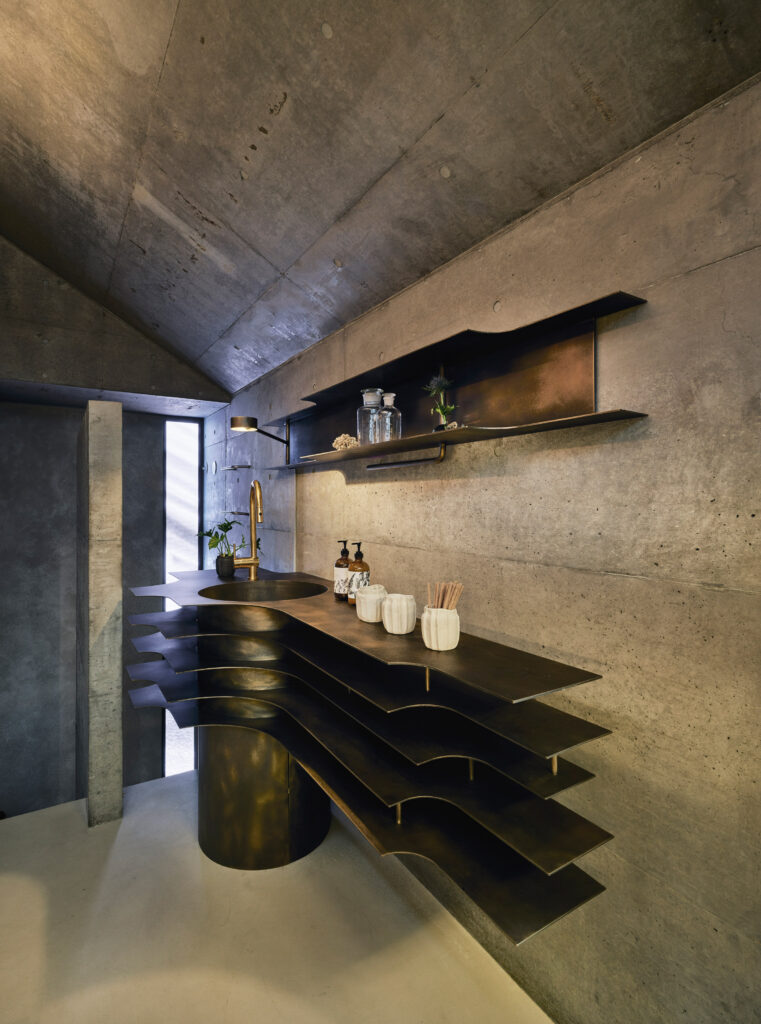
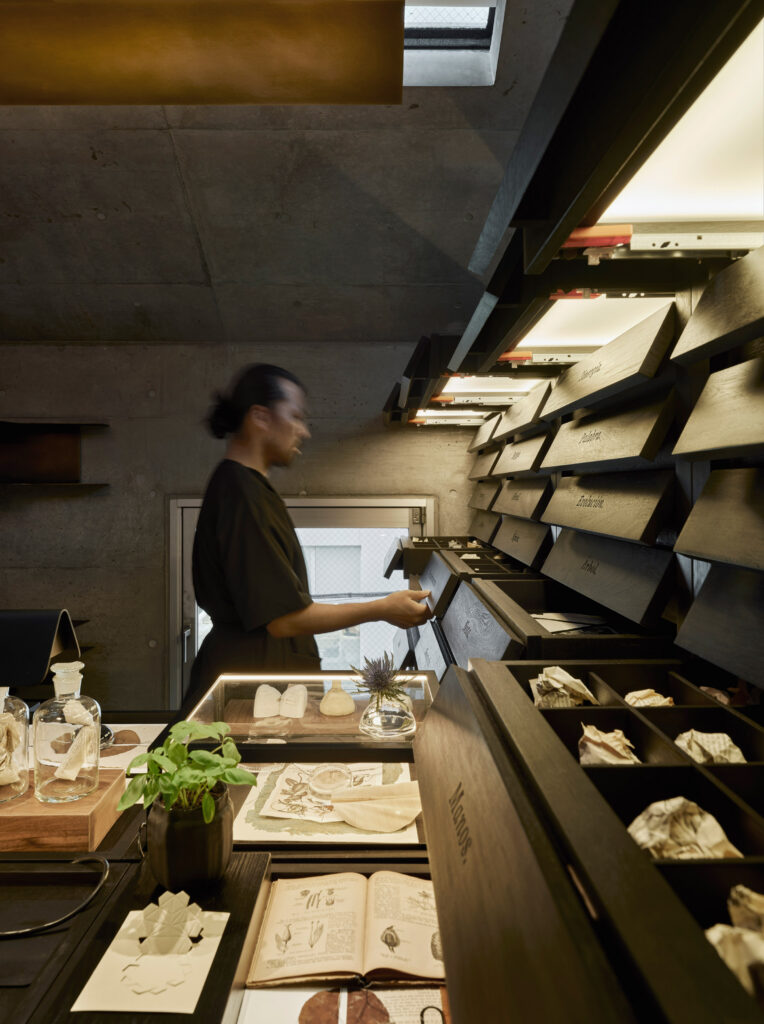
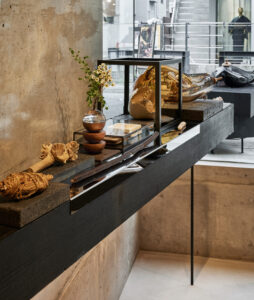
The black-laminated wooden planks span the interior walls at jaunty angles, as if puncturing the building, which was originally designed by Japanese studio Satoshi Hirano.
“We approached the project as an intervention within an existing building, rather than simply designing an interior,” said Esrawe Studio founder Héctor Esrawe, who also co-founded Xinú.
“By introducing a continuous architectural structure that traverses its different levels, appearing and disappearing throughout the volume, we intended to generate a new perception of the original architecture,” he told Dezeen.
“Both structures coexist, establishing a dialogue between what was already there and what has been introduced, creating an unexpected spatial experience.”
Long, overlapping shelves with mirrored accents display products on the ground floor, which is dedicated to body perfume.
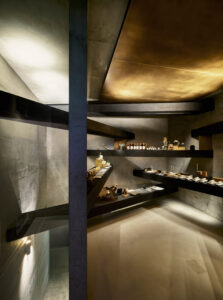
Xinú’s room scents are located on the first floor, where hand-painted brass panels on the walls and ceilings add a touch of warmth to the concrete and black-timber surfaces.
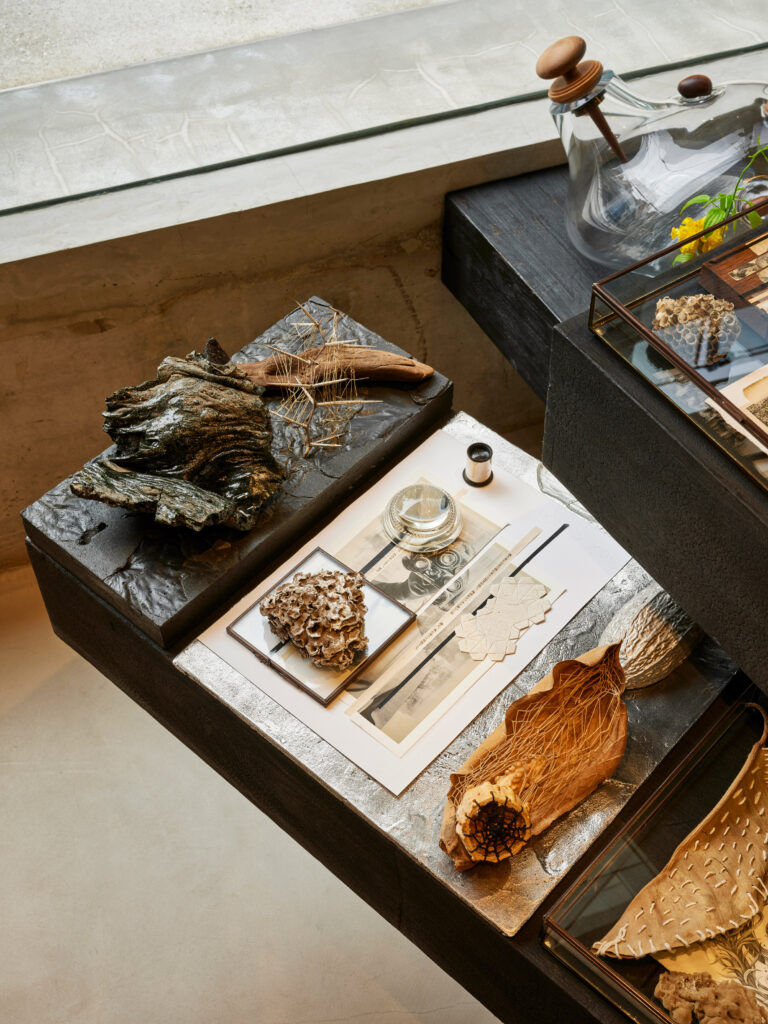
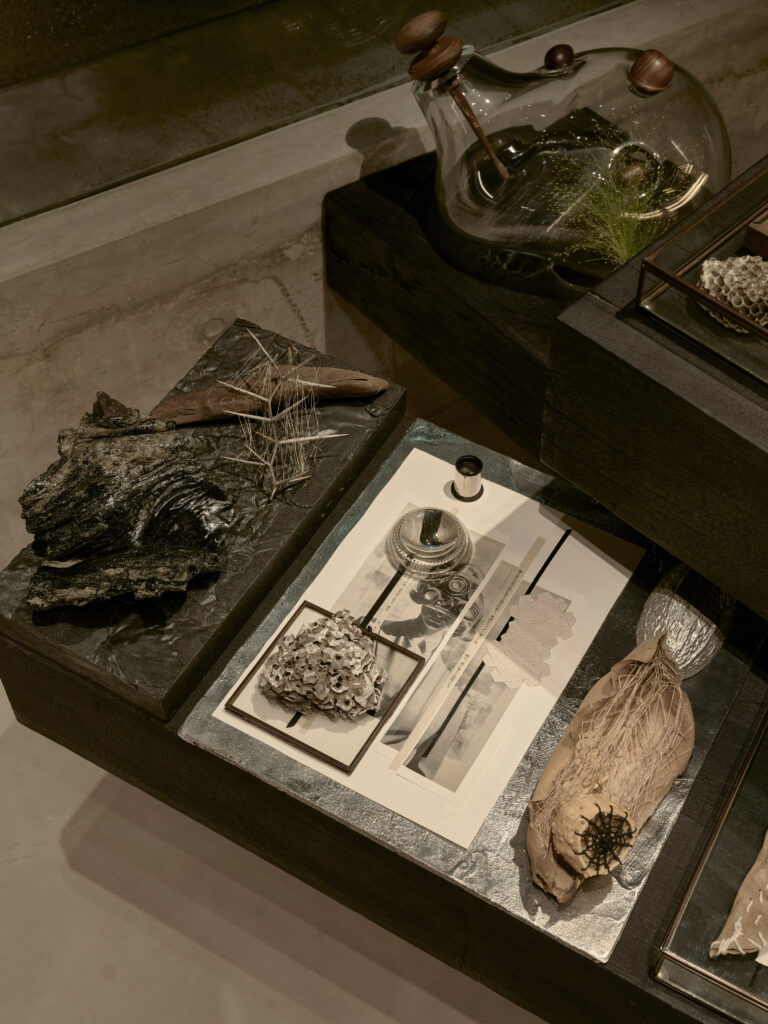
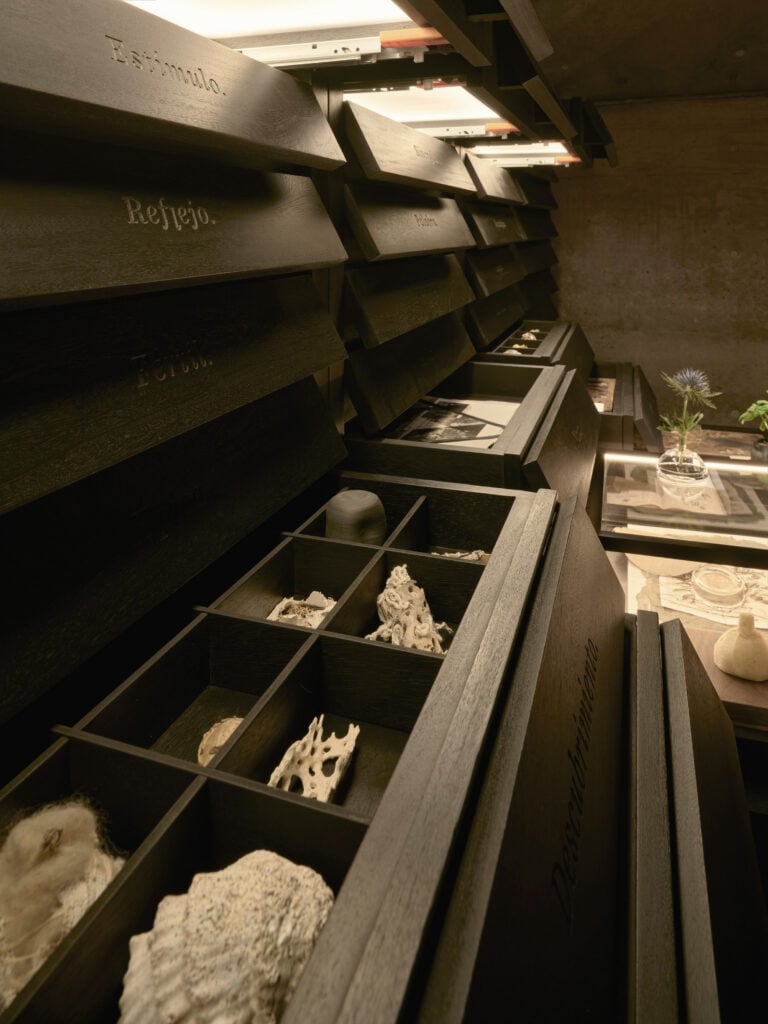
Aiming to reveal the processes behind the perfume products, the top floor displays botanical specimens, raw materials, found objects and collages in drawers.
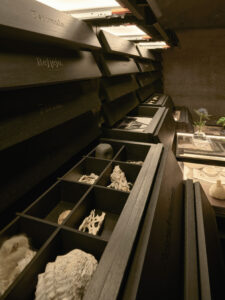
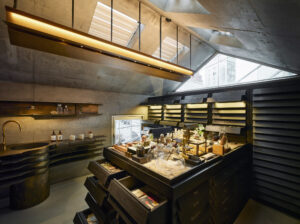
Esrawe Studio also designed cabinet drawers to reference the storage and organisation typically found in natural history museums, intending to give visitors a feeling of discovery when interacting with the furniture.
“For Xinú, architecture has never been conceived simply as a backdrop for products, but as an essential part of how they are experienced,” said Esrawe.
“Our intention is to create spaces that encourage curiosity, discovery and a more intimate relationship with objects, materials and scent,” he continued.
“In Tokyo, the inserted architectural structures move beyond conventional retail display, becoming sculptural elements that enhance the presence of the objects.”
Xinú Tokyo is the latest branch Esrawe Studio and Cadena Concepts have designed for the perfume brand. Other shops include a radial wooden pavilion in Mexico City and a showroom in Oaxaca informed by basalt rock formations.
Photography by Takuya Yamauchi
Read more

Recommended stories
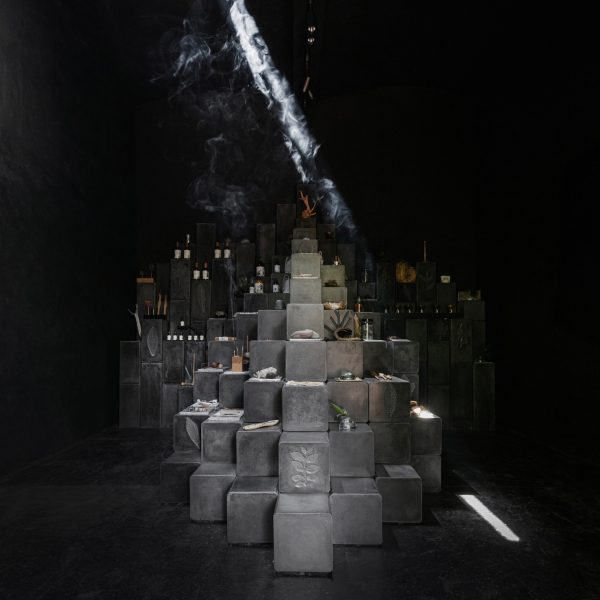
Esrawe + Cadena creates fragrance “temple” for Xinú Oaxaca showroom
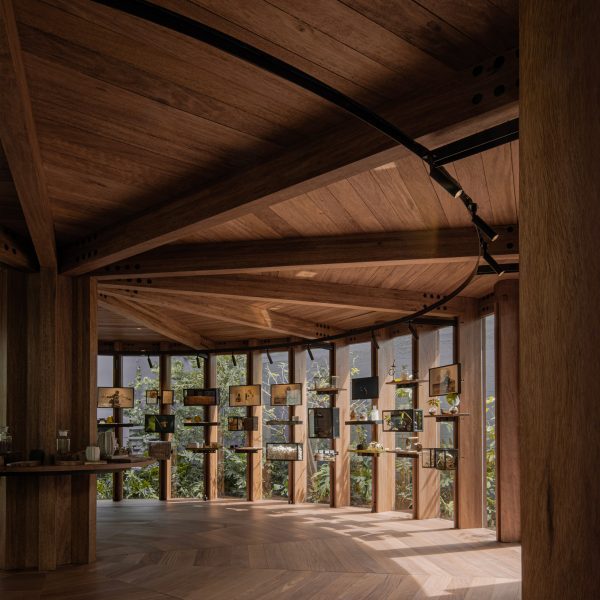
Esrawe + Cadena house Mexico City fragrance boutique within radial pavilion
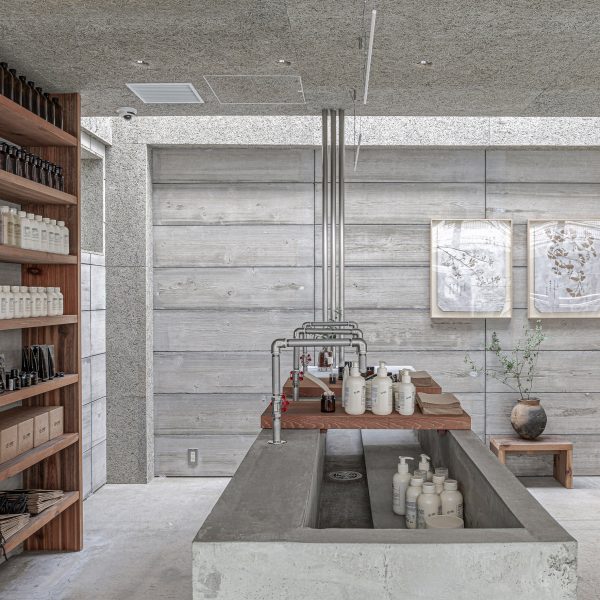
Schemata Architects designs Le Labo store to reflect Tokyo’s urban character
Schemata Architects transforms 145-year-old townhouse into Le Labo flagship

Esrawe Studio and Cadena stack two hemispheres to form reusable perfume bottle for Xinú
Five carefully renovated machiya houses in Kyoto
Studio Paul Chan evokes “raw futurism” at LA perfume boutique