
Nest Egg is a tech-based take on a children's piggy bank
Scottish design studio Filament has developed a financial learning platform for children based around a toy egg that reintroduces physical interaction to the process of saving and spending money.
The conceptual project is Filament's response to the increasing digitisation of money, which can make it harder for parents to teach children important financial lessons.

"When money becomes invisible, the core lessons attached to it disappear, too," the Glasgow-based studio explained.
"We are losing the physical friction that used to teach us the value of earning and saving. Nest Egg is designed to replace that missing friction with a physical platform that literally grows up alongside the child."
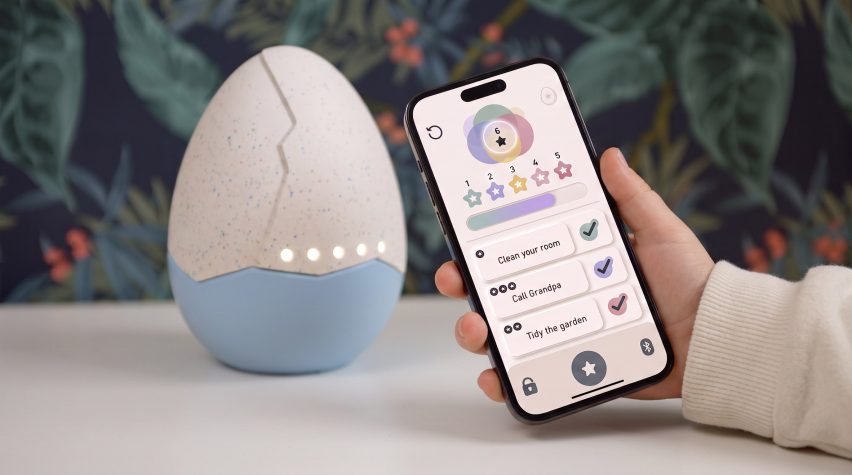
Filament set out to develop a hardware solution that evolves over time, providing tactile forms of interaction that gamify the process of saving money and move it away from a purely screen-based activity.
According to the studio's co-founder Craig Lynn, Nest Egg takes its name from an expression commonly used to refer to financial savings, while its playful form makes it easier for children to engage with.
"We noticed that physical, tangible objects are important when educating children," Lynn told Dezeen. "The shift to digital transactions is robbing them of that piggy bank smash moment enjoyed by previous generations."
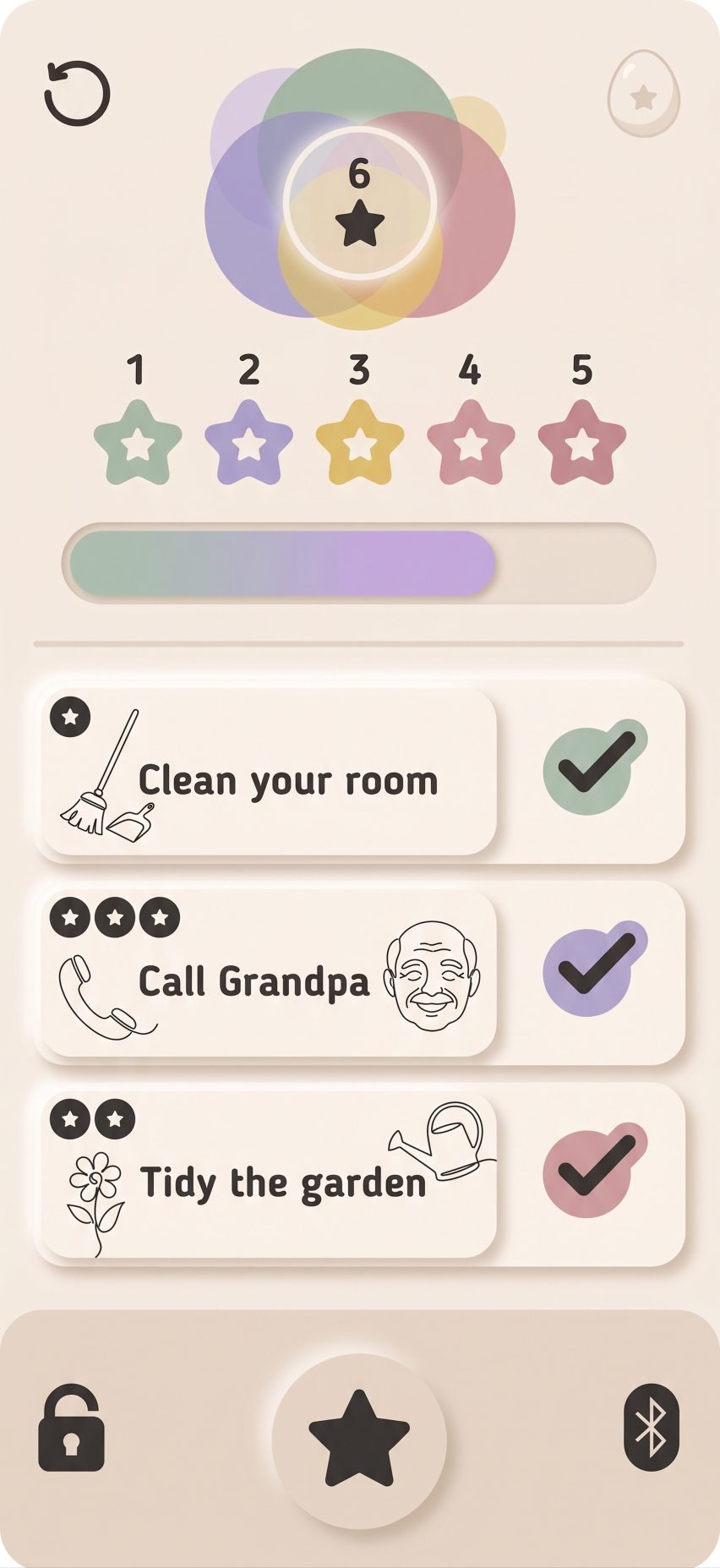
The product acts as a smart alternative to the traditional refrigerator star chart, where kids gain stars for good behaviour or completing tasks.
The main element is a physical egg that opens to release a character hidden inside once the child has collected a set number of digital stars.
Stars can be earned by undertaking chores or achieving developmental milestones set out by parents using a companion app.
This process helps build anticipation and teaches children the benefits of delayed gratification, which is important when trying to understand saving.
The fracturing egg evokes familiar toys like Hatchimals, but rather than becoming redundant once it hatches, the hidden toy then transitions into a tangible user interface.
The toy figure incorporates NFC technology that allows children to access an accrued allowance when tapped against the parent's smartphone, as well as unlocking narrative animations relating to good financial habits.

The egg remains with the child until they reach a stage of financial maturity set by parents in the app, at which point it undergoes a final mechanical crack that reveals their own real-world debit card.
"The final crack represents a physical graduation from a simulated environment into the real banking ecosystem," claimed Filament.
"It is the modern design equivalent of smashing the porcelain piggy bank. But instead of loose pennies spilling out, it hands young adults the tools for true financial independence."

Lynn pointed out that, while some financial providers in the UK like Starling and GoHenry offer prepaid bank cards for teenagers, there was nothing aimed at helping younger users take their first steps into financial literacy.
The project uses behavioural economics to subtly introduce lessons such as the benefits of saving, while also levelling up over time to retain the child's interest and reward consistent good habits.
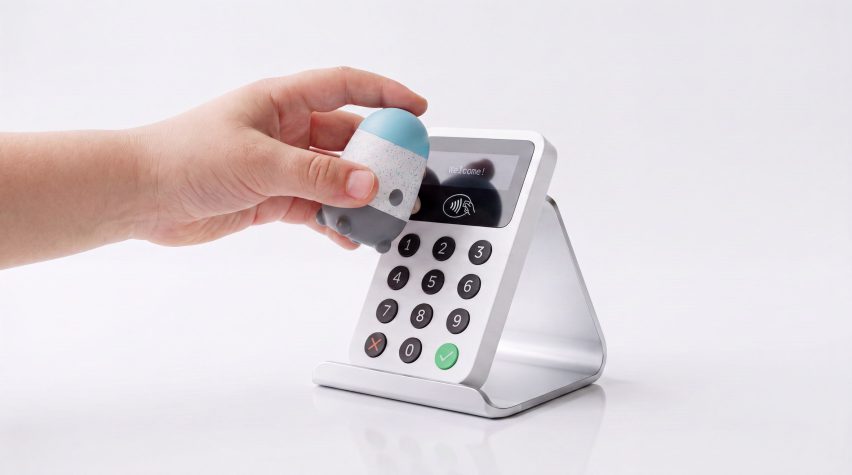
The studio is looking to partner with a suitable bank to support further development of the Nest Egg concept, which would require accompanying infrastructure to transform it into a fully functioning product.
Filament was founded in 2014 by Lynn, alongside fellow Glasgow School of Art graduates Gregor Aikman and Danny Kane. The studio aims to help businesses turn ideas into commercially ready products that align with genuine human needs.
Other technology-aided education toys that have recently been featured on Dezeen include a Tamagotchi-style reading helper and Yoto's screen-free audio player.