Competition: five copies of Newton Virus
by Troika to be won


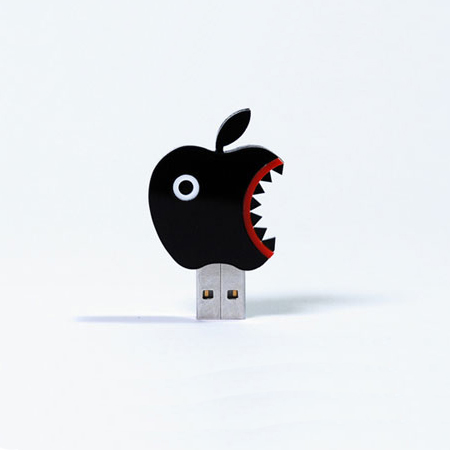
We’ve teamed up with digital designers Troika to give away five copies of Newton Virus, a non-destructive application that makes your desktop icons roll around as if affected by gravity (see movie below). More info on Newton Virus and another movie in our story from March 2008. Newton Virus can be downloaded from Troika’s website (price $9.99).
This competition has now closed.
Subscribe to our newsletter, get our RSS feed or follow us on Twitter for details of future competitions.
Here’s some text from Troika about Newton Virus:
—
Troika’s ‘Newton Virus’ is finally released into the wild and ready for you to download!
‘Newton Virus’ introduces the magical concept of gravity to your desktop. It was named after the father of modern mechanics and causes the icons on your desktop to fall, roll and tumble in whatever direction gravity pulls them delivering a little bit of reality to your virtual environment.
But not to worry, the non-destructive virus will not replicate itself, mail itself to your friends or destroy any of your files, but instead provide you with moments of blissful surprise and magic. Perfect for spicing up your colleagues day or simply enjoying the marvels of Newtonian principles at work.
There are two downloads of the ‘Newton Virus’ that you can purchase on Troika’s site. Newton Virus Install to USB allows you to download the virus directly onto your own USB key with which you can ‘infect’ any number of Macintosh laptops, and Newton Virus Screensaver that allows you to install the virus as a screensaver onto your computer.
In 2008 Troika’s first Newton Virus became part of the permanent collection at MOMA New York.
Congratulations to the winners! Jolanta Lidwin in Poland, Nick Gentile in Australia, Rami Kopty in Israel, Nuno Henriques in Portugal and Paul Bart in Germany all won copies of Newton Virus by Troika.
Read more
Recommended stories
Movie: Newton Virus by Troika
Software creates computer hive mind to help find coronavirus cure
The Washington Post’s “simple simulations” showing how to slow coronavirus is its most popular story ever
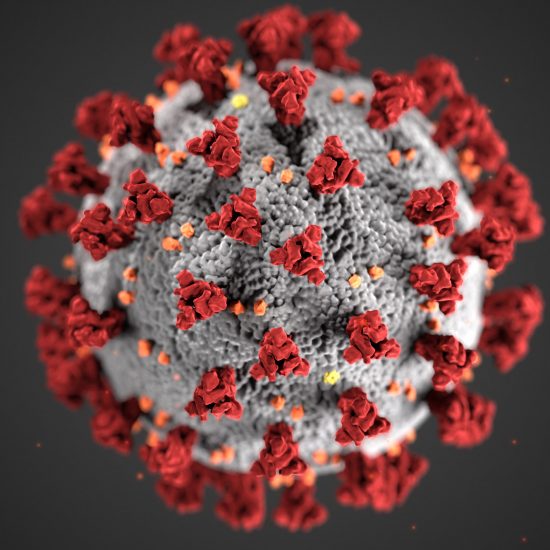
Iconic Covid-19 images designed to create “a feeling of alarm” says CDC medical illustrator Dan Higgins

Max Siedentopf apologises for offence caused by images of coronavirus masks made of everyday items
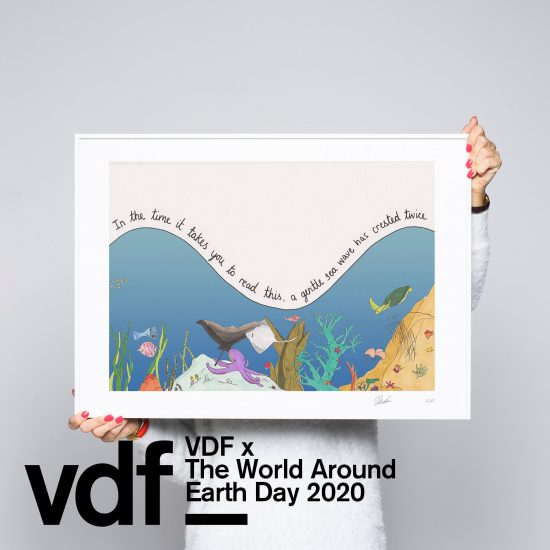
Mona Chalabi creates Stats to Help you Breathe illustrations to take people’s minds off coronavirus
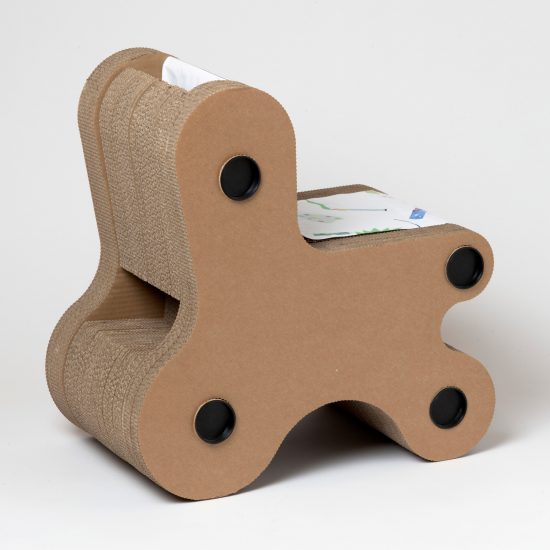
V&A curator picks five objects that have taken on new meanings during the pandemic