Chinese government sees architectural discussion as “dangerous” threat, says Ai Weiwei

China’s “fatalist” government is causing the country’s architectural profession to stagnate, according to artist and political activist Ai Weiwei.
Despite China’s huge building boom, Ai believes there is little room for intellectual thought about architecture under the country’s Communist leadership.
The Chinese artist said that open discussion about architecture is seen as a “very dangerous” threat to the country’s leadership.
“There’s very little discussion or intellectual challenge about what architecture is in this kind of fast-developing society,” said Ai during a panel discussion on Chinese architecture hosted by Asia Society Switzerland. “The whole structure is fatalistic.”
“The discussion would not benefit who is going to be profited so authorities don’t like this kind of discussion – any discussion related to aesthetics means it is about philosophy and about the legitimacy of the power – then that is very dangerous.”
Ai has worked on several architectural projects, including the National Stadium in Beijing, known as the Bird’s Nest. But he said he won’t do any more buildings in China.
“I decided not to build, I decided not to do architecture anymore. You’re trying to offer the best solution, but nobody really cares,” he said.
Ai made the comments during a panel discussion with Swiss architect and Bird’s Nest collaborator Jacques Herzog, art collector and former Swiss ambassador to China, Uli Sigg, and journalist Martin Meyer.
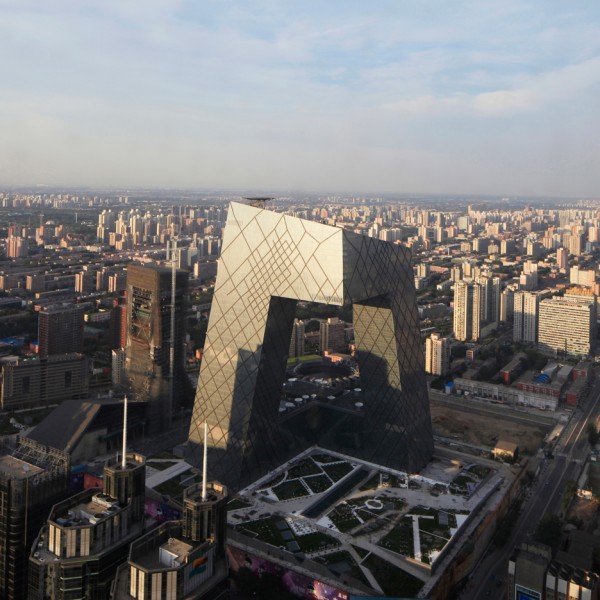
Chinese president Xi Jinping recently called for a ban on weird architecture in China following a spate of unusually shaped buildings.
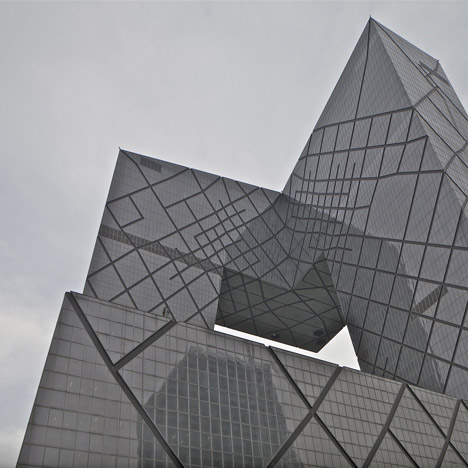
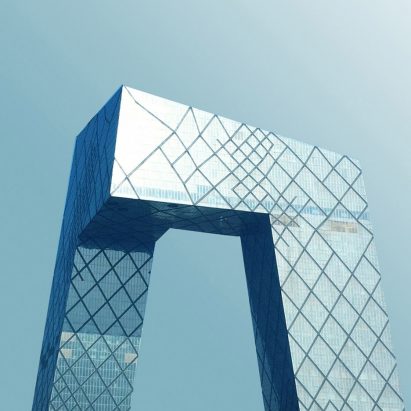
Xi criticised buildings by western architects including Rem Koolhaas, who built the CCTV headquarters in Beijing. China’s State Council later released a document banning “oversized, xenocentric and weird” buildings.
“There’s no space for discussion. This is not a democratic society, there is no clear discussion on any level,” said Ai.
“Most buildings or city planning, infrastructure are really copies of what the west has offered in the past 100 years. There’s not very conscious study or discussion in the more intellectual sets,” he added.
Read more
Recommended stories
“China is making a clear statement about its status in its architectural expression”

I understand why China is banning “weird” architecture, says Jacques Herzog
China moves to prevent “oversized, xenocentric and weird” architecture
“No more weird architecture” says Chinese president
Kris Provoost photographs the most flamboyant architecture of China’s building boom
Seven civic projects celebrating China’s cultural heritage
Watch a live talk with Ma Yansong, Peter Cook and Drawing Architecture Studio