Japan Study Abroad Program at University of North Carolina at Charlotte
The Japan Study Abroad Program at the University of North Carolina at Charlotte encourages students to explore the relationship between architecture, urban life and the intersection of public and private space through close study of Tokyo, Japan.
Course details
School: University of North Carolina at Chhttps://coaa.charlotte.edu/architecture/study-abroad/japan-summer-program/arlotte
Course: Japan Study Abroad Program
Type: Undergraduate and graduate
Location: Tokyo, Japan
Course dates: 14 May to 13 June 2027 (Summer 2027), 25 August 15 December 2027 (Fall 2027)
Application deadline: 2 January 2027
Course overview
Set within the world’s largest urban economy, the Japan Study Abroad Program is based in Tokyo, engaging one of the most liveable, high-density cities in the world. It opens up urban and architectural questions concerning the nature of public and private life in the city.
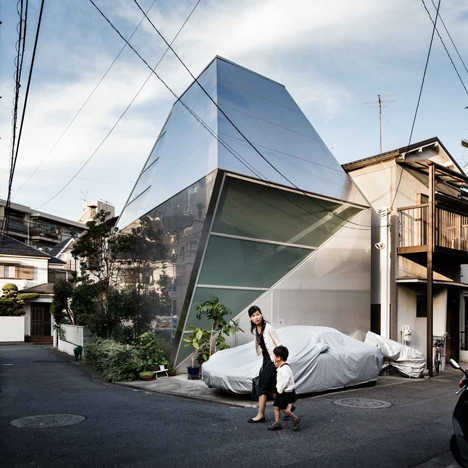
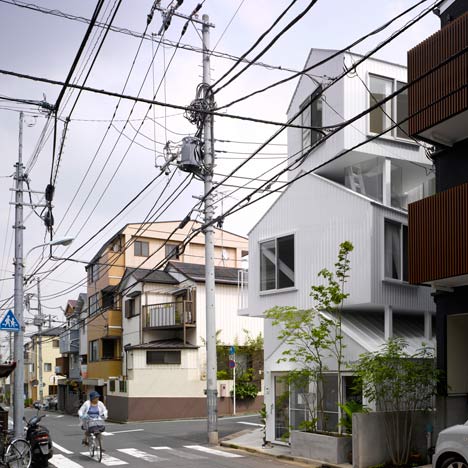
The small, intimate streets of everyday life in the wards and the bustling, electric boulevards of Shinjuku are traversed, taking stock of the unique ways public and private life intersect. Along the way, the customs and nuances of Japanese life and the way space and material is optimised and inhabited will be discovered.
By travelling to and working within Tokyo, students will develop a close understanding of its dynamic urban and architectural patterns while responding architecturally to particular cultural and environmental conditions.
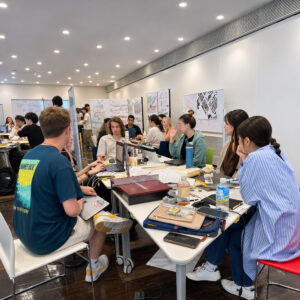
Coursework includes site visits, field research, analytical drawings and design speculations, concluding with a publication and exhibition of student work in the SoA.
Students work collectively and independently through two primary modes: analytical, which is accounting for what’s there; and speculative, projecting possible futures through “interstitial interactions” located at the seam between public and private life. This also addresses a growing need for new urban amenities and programmatic hybridities.
What will I learn during this course?
- to establish a perspective on the role and influence of architecture and the urban environment in Japanese society
- to develop an understanding of how architecture in Tokyo is shaped by and reflects cultural, social and environmental values
- to become familiar with the history of modern and contemporary architecture in Japan
What are the requirements?
Undergraduate students must complete ARCH 2102 (Sophomore Studio). Graduate students must have completed ARCH 6102 (1st-year studio).
What facilities and resources are available?
Tokyo is our laboratory. By traversing the city, students are exposed to complex urban networks and infrastructure, and a wide range of Japanese architecture including the works of:
Here’s your list as bullet points:
- Tadao Ando
- Kengo Kuma
- Toyo Ito
- SANAA
- Shigeru Ban
- Junya Ishigami
- Sou Fujimoto
- Fumihiko Maki
- Kenzo Tange
- Kisho Kurokawa
A global stage for architectural innovation, students also see works by Rem Koolhaas, Renzo Piano, David Chipperfield, FOA and others. Destinations are easy to reach using Tokyo’s well-known public transportation system.
The program includes a five-day trip on the shinkansen (bullet train) to visit Hiroshima, Takamatsu, and the Art Islands in the Seto Inland Sea. Along the way, Japan’s rich history, culture and traditions are revealed.
What career prospects can I expect upon graduating?
The course equips students with cross-cultural knowledge, making them more fluent and adaptable when working with multinational clients, consultants, and diverse collaborative teams.
Graduates gain exposure to design excellence, diverse construction methods, global building traditions, and international networks that set them apart in practice, giving them an edge in the job market.
Who teaches this course?
Chris Jarrett, professor and director of the Japan Study Abroad Program