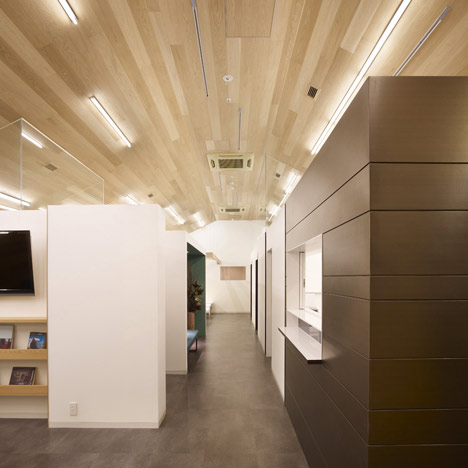
Obata Clinic by Hayato Komatsu Architects
Japanese architect Hayato Komatsu has completed the interiors for this clinic in Hiroshima, Japan, which is located within a shopping centre. More about Obata Clinic by Hayato Komatsu Architects
Japanese architect Hayato Komatsu has completed the interiors for this clinic in Hiroshima, Japan, which is located within a shopping centre. More about Obata Clinic by Hayato Komatsu Architects
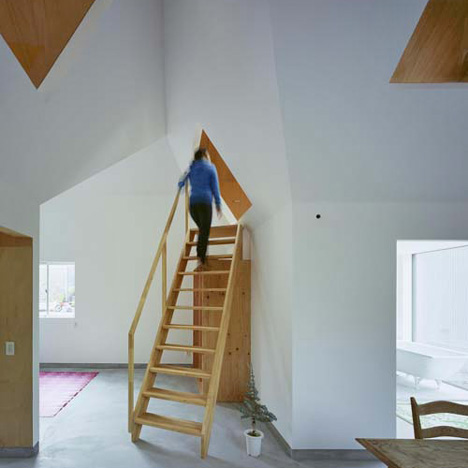
Wooden steps lead to an attic with irregular sloping walls in this residence for an artist in Shiga, Japan, by Japanese studio Tato Architects. More about House in Hieidaira by Tato Architects
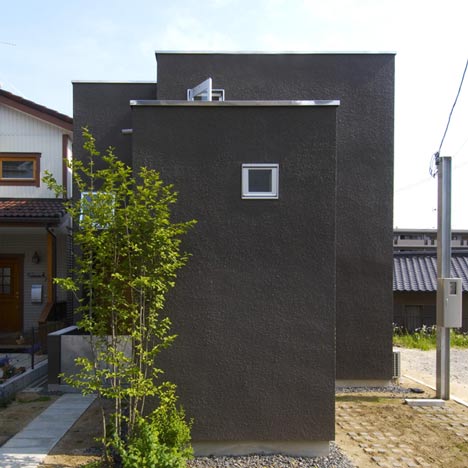
Japanese studio Ninkipen! have completed a family house in Nara, Japan, comprising staggered rectangular volumes. More about 80.84 by Ninkipen!
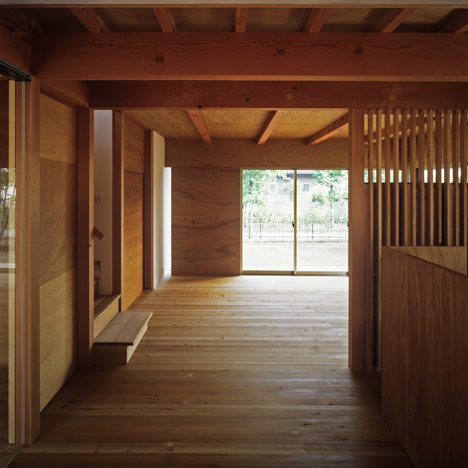
This family house with a wooden interior in Kobe, Japan is by Japanese architect Keiichi Sugiyama. More about House in Kobe by Keiichi Sugiyama
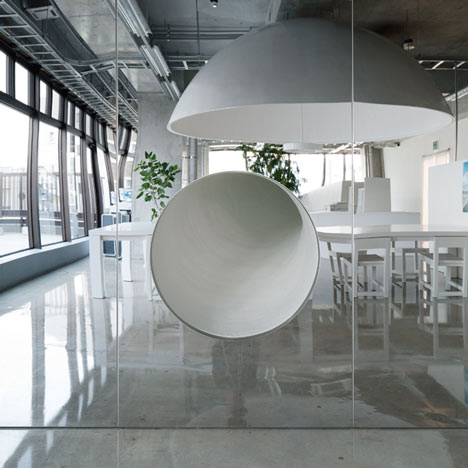
A slide is hidden behind the mirrored wall in this Tokyo office by Japanese studio Schemata Architecture Office. More about MR Design Office by Schemata Architecture Office
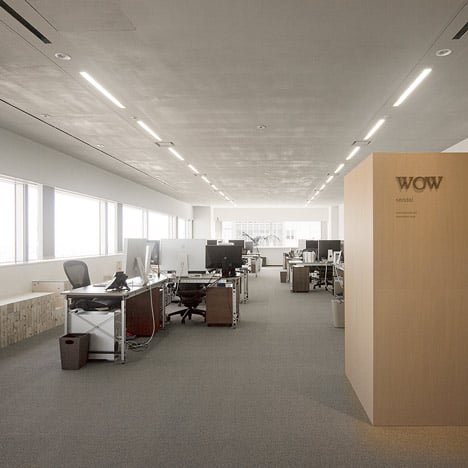
Upsetters Architects of Japan have completed the interiors for the new offices of visual design studio WOW, located in Sendai, Miyagi Prefecture, Japan. More about WOW Sendai by Upsetters Architects
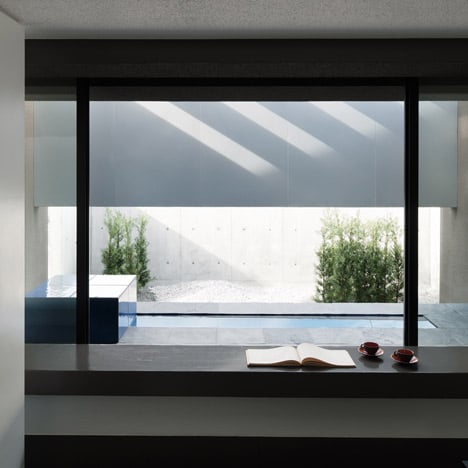
An adjacent busy road is screened from this house by Japanese firm FORM/Kouichi Kimura Architects, hidden behind a wall suspended over the terrace edge to line up with the boundary wall. More about Gable House by FORM/Kouichi Kimura Architects
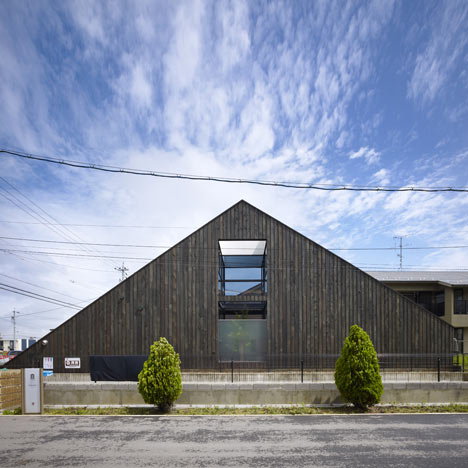
This triangular house poking out of the ground in Gifu, Japan, is by Japanese studio Katsutoshi Sasaki + Associates. More about Ogaki House by Katsutoshi Sasaki + Associates
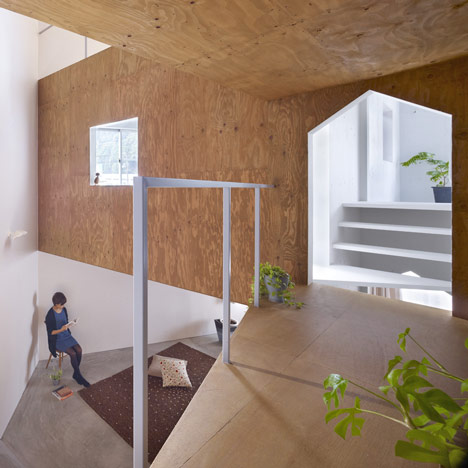
This house in Hiroshima city by Japanese firm Suppose Design Office has a central staircase branching into wooden volumes that create a series of rooms and platforms. More about House in Fukawa by Suppose Design Office
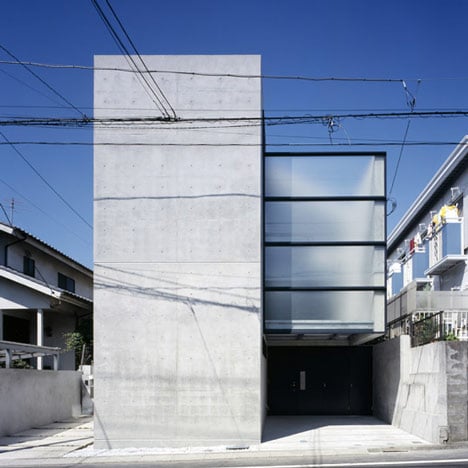
This rectangular concrete block with a volume protruding from its side is a family home in Tokyo by Japanese studio Apollo Architects & Associates. More about Knot by Apollo Architects & Associates
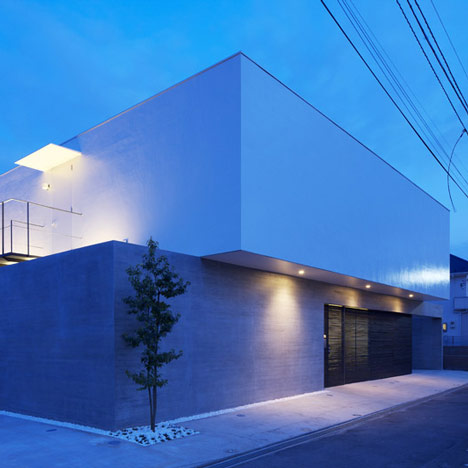
Japanese studio Apollo Architects & Associates have completed a house in Tokyo, Japan, featuring a white rendered volume sitting on top of a concrete base and no exterior windows. More about Shift by Apollo Architects & Associates
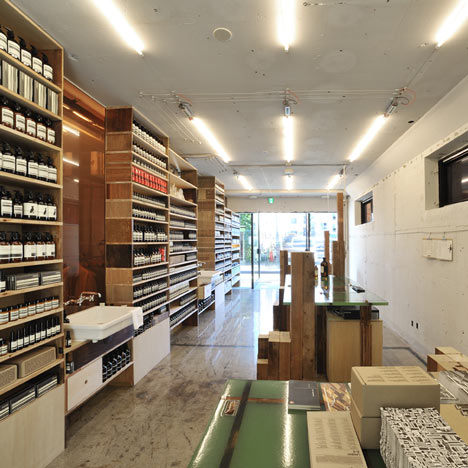
Japanese architect Jo Nagasaka of Schemata Architecture Office used materials reclaimed from a demolished house for the interior of this Tokyo shop for Australian skincare brand Aesop. More about Aesop Aoyama by Schemata Architecture Office
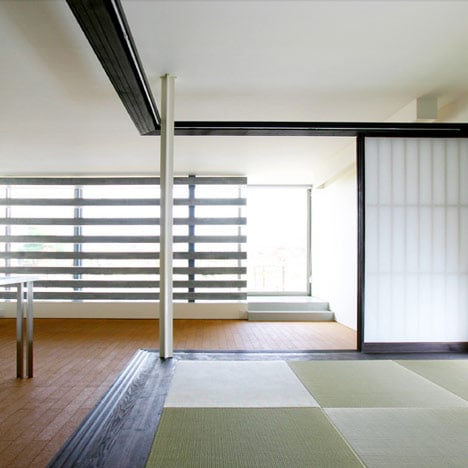
Japanese architects StudioGreenBlue have inserted concrete bars behind the glazed wall in this family home in Fukaya, Saitama Prefecture, Japan. More about House with Concrete Louvers by StudioGreenBlue
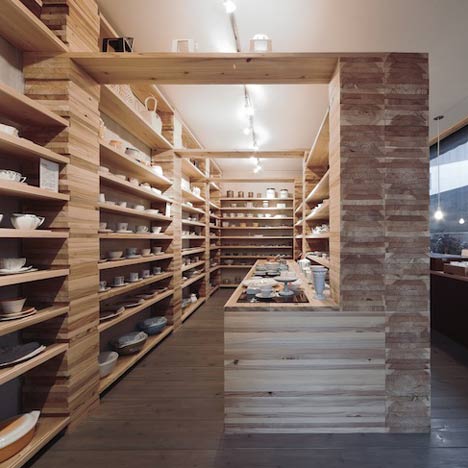
Facet Studio have completed the interior of a vintage shop in Osaka, Japan, using cedarwood, rice paper and linen. More about Habitat Antique by Facet Studio
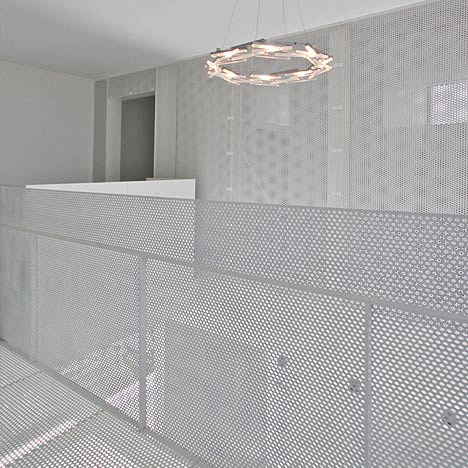
Japanese architects StudioGreenBlue have completed a house in Kōnosu City, Saitama Prefecuture, Japan, with an interior featuring white perforated screens throughout the space. More about Distance of Fog by StudioGreenBlue
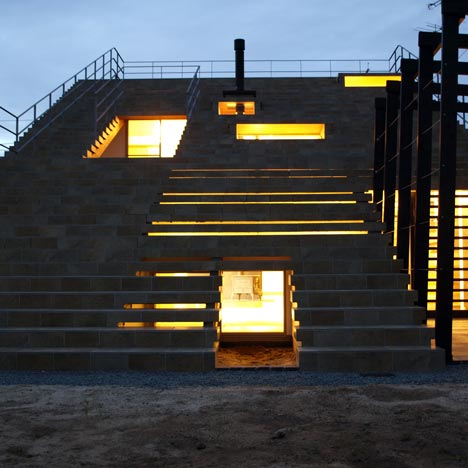
Japanese architects Y+M Design Office have completed this family house in Japan, with a façade that forms a staircase to the roof. More about Stairs-House by Y+M Design Office
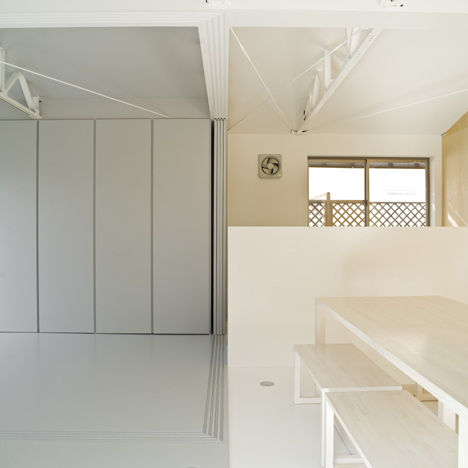
Japanese studio Epitaph have remodelled the interior of this bungalow in Iwate, Japan, by removing internal walls and exposing the roof truss structure. More about Mint by Epitaph
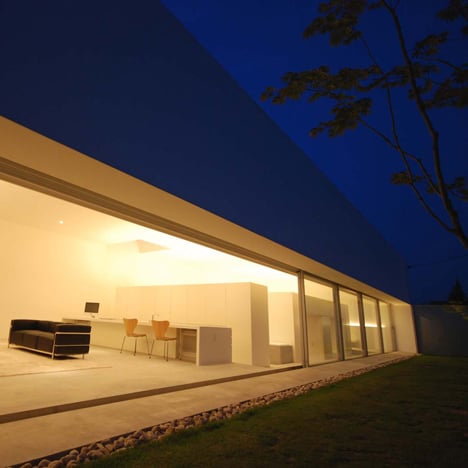
Japanese architects Shinichi Ogawa & Associates have completed this house in Hiroshima, Japan, with one wall glazed in sliding panels that open onto a grassy courtyard. More about Warehouse by Shinichi Ogawa & Associates
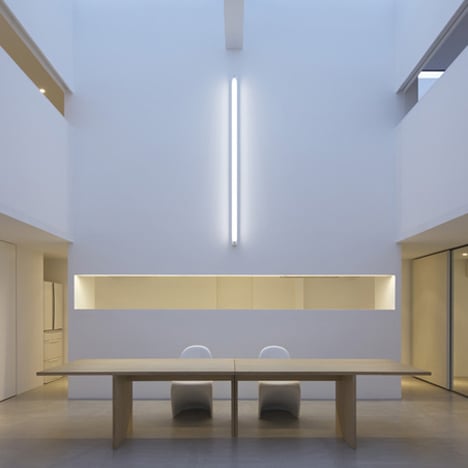
Japanese architects Shinichi Ogawa & Associates have completed this house in Kanagawa, Japan, which features a double-height central living area connecting all the rooms. More about Cube House by Shinichi Ogawa & Associates
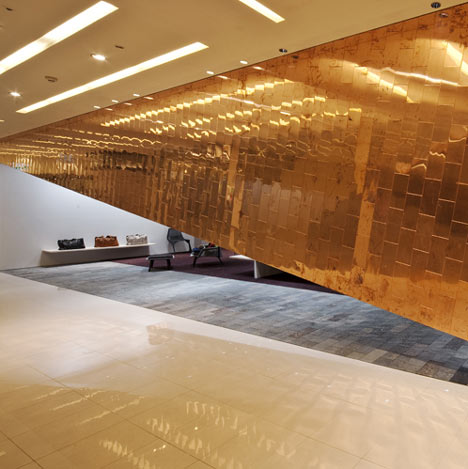
A diagonal wall clad in copper plates partially hides the interior of this boutique in Tenjin Fukuoka, Japan, by Japanese architect Toru Shimokawa of STAD. More about Trent Vioro by STAD