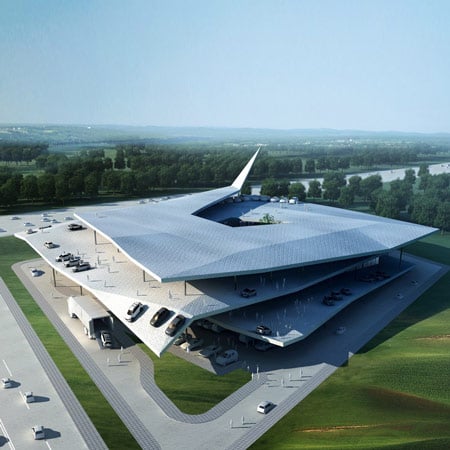
Automobile Museum by 3Gatti Architecture Studio
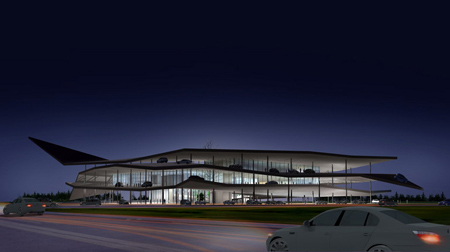
3Gatti Architecture Studio of Rome and Shanghai have won a competition to design an automobile museum in Nanjing, China.
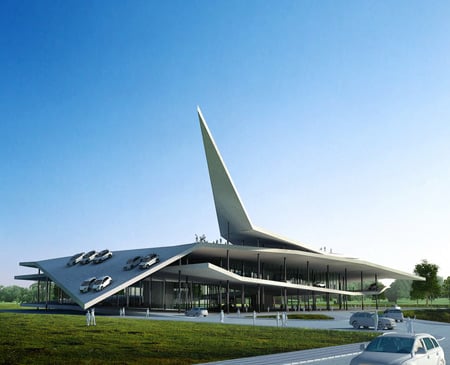
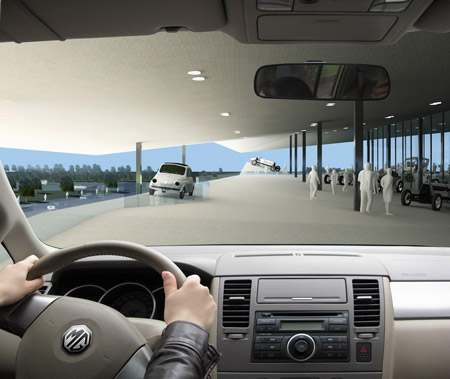
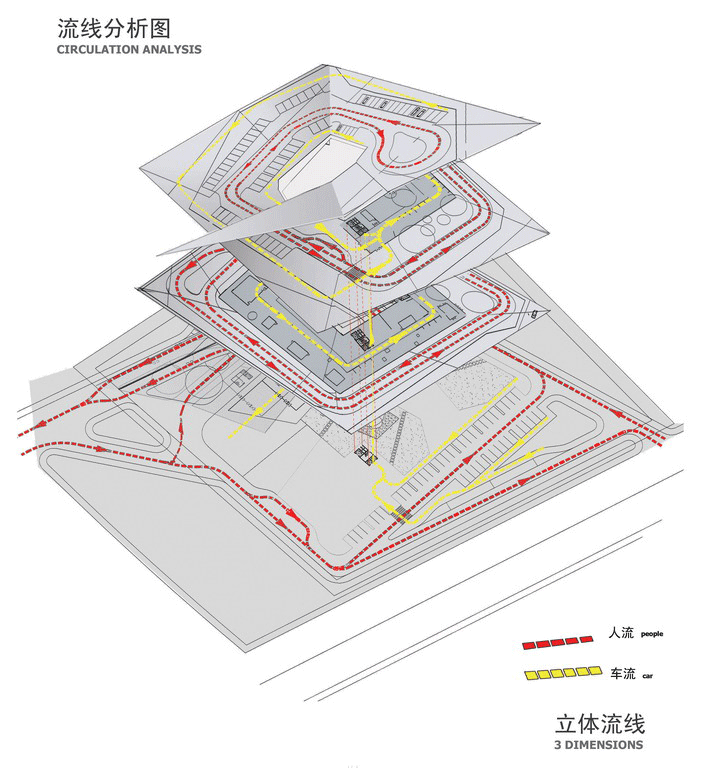
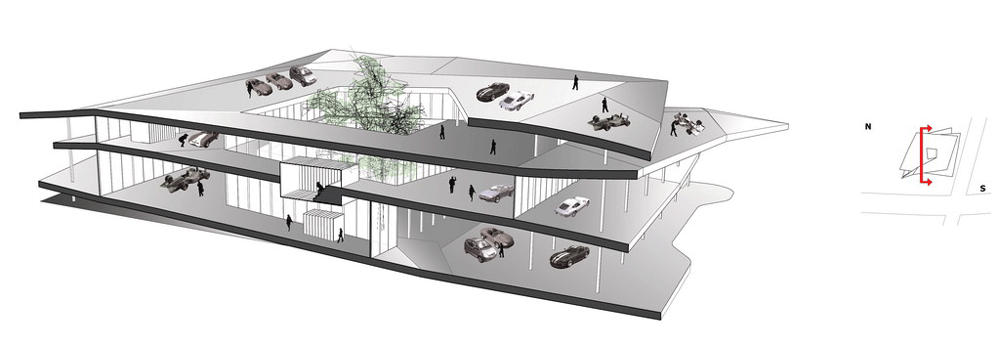
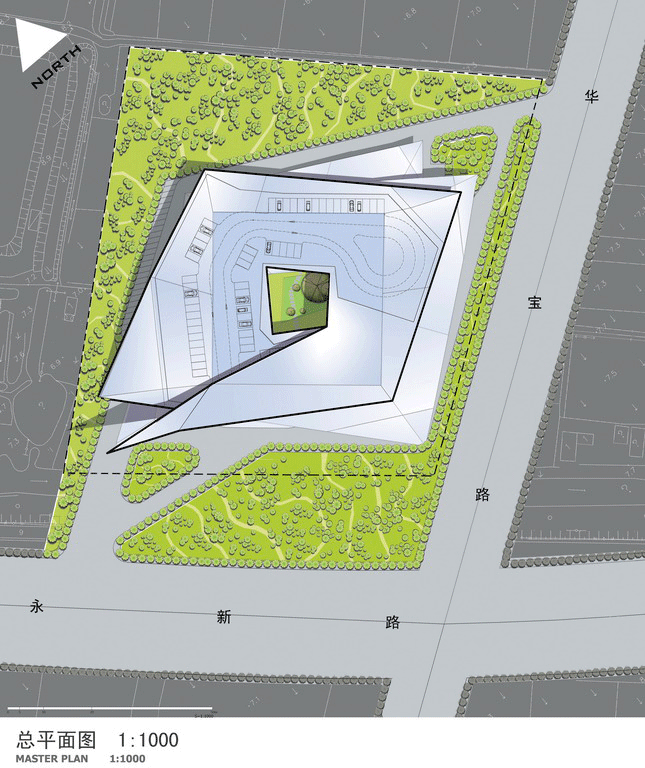
An external concentric ramp allows visitors to drive around the exterior of the museum in their own car, past the exhibits to a roof-top car park.
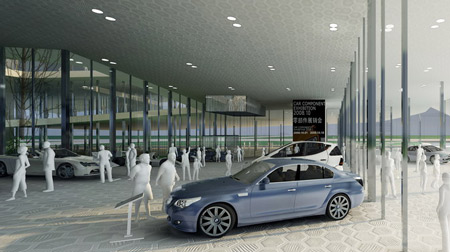
Visitors then descend through the museum on foot via an internal ramp.
Here are more details from 3Gatti:
Automobile museum in Nanjing.
It is difficult to identify one single and continuing exploratory theme in the work of Francesco Gatti. His aim is to experiment with heterogeneous solutions, each time meeting the challenge offered by his new creation’s specific conditions
From the ethereal virtual ceiling of the redevelopment project “In Factory” – his first Chinese work – to the curved forms of the Ze Bar, from the sculptural faceting of the Red Object to the spotted epidermis of his transgenic houses, the architect with Roman origins has never let himself be bound by a specific or recognisable aesthetic style.
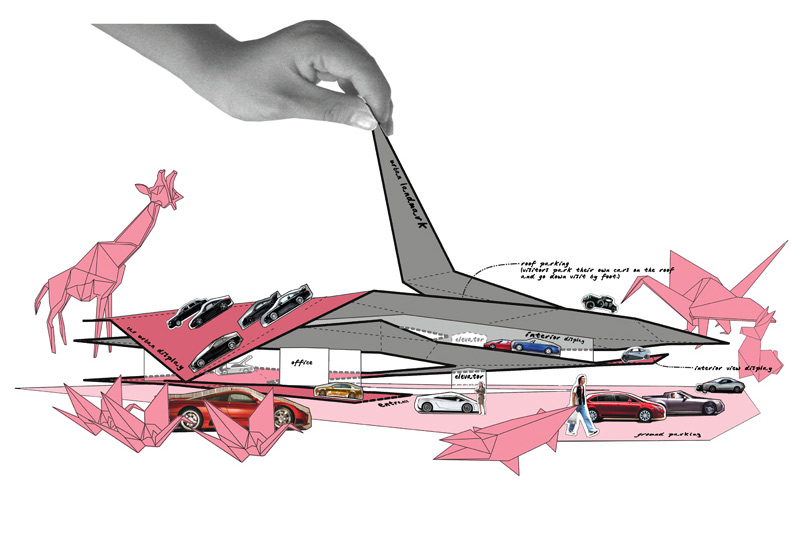
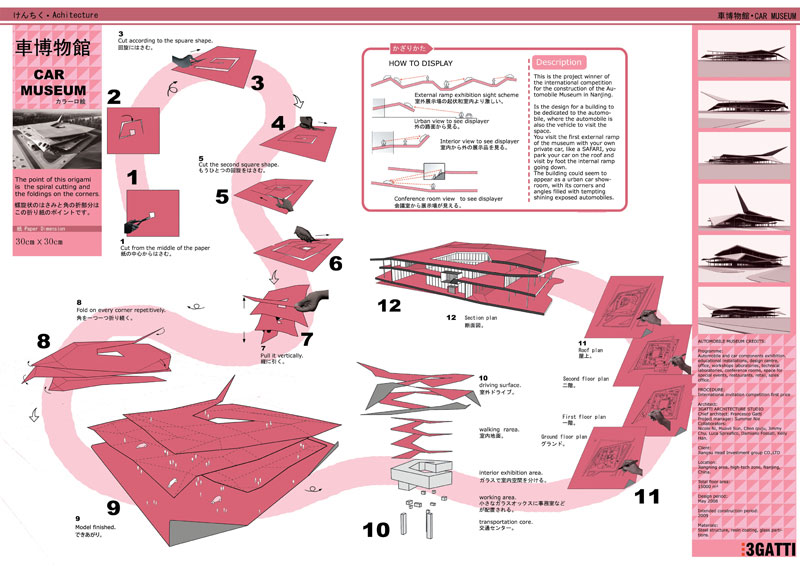
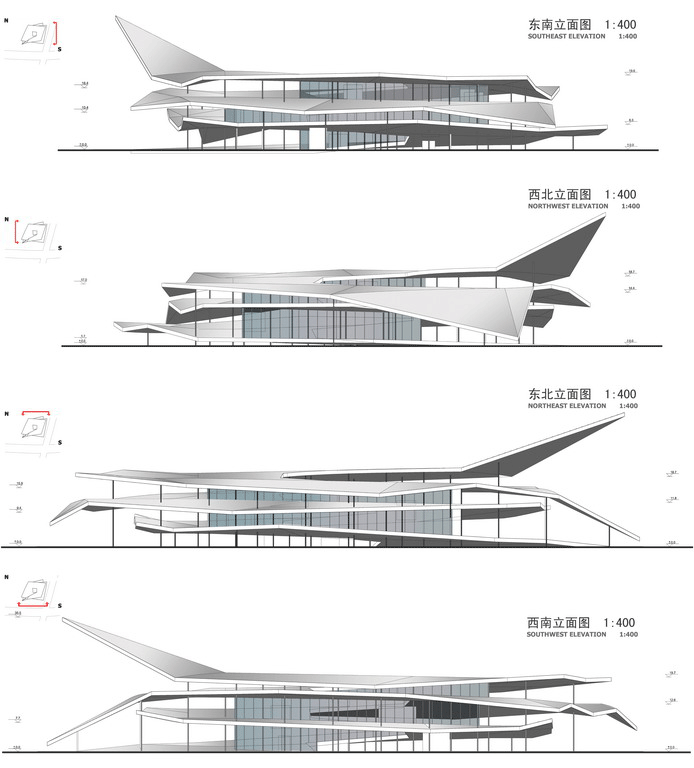
The same applies in the winning project for the new car museum at Nanchino where Gatti has envisaged an origami on urban scale.
Click for larger image.
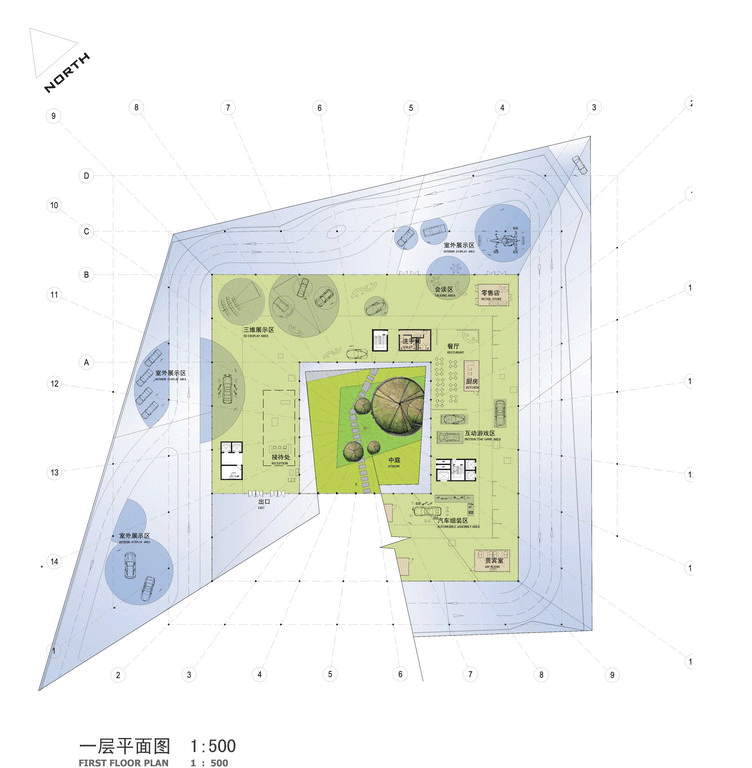
The visual design backs up the fundamental practicality of the project in that it is the distributive organisation and the functional layout that determine the shape of the building.
Click for larger image.
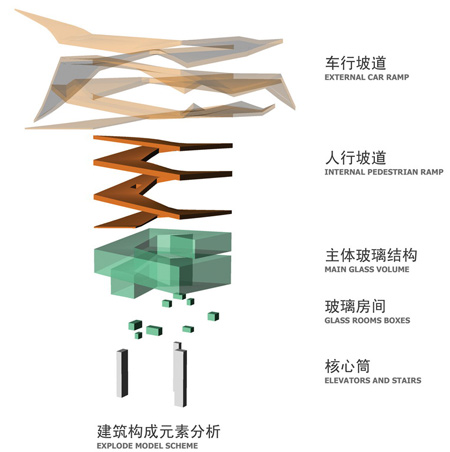
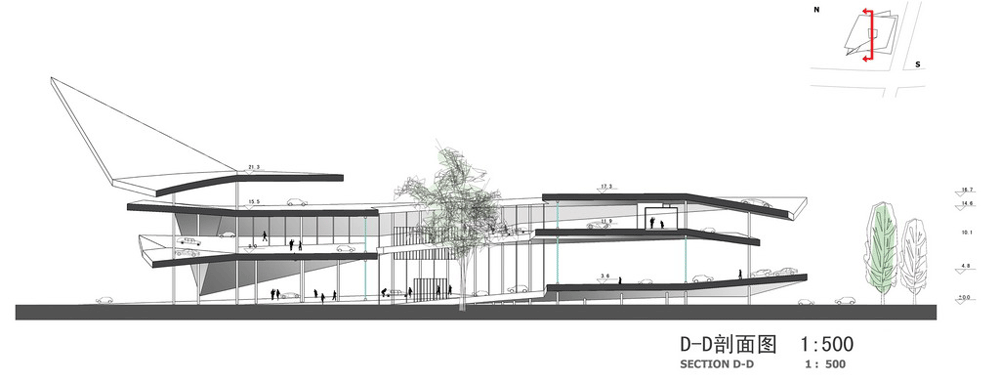
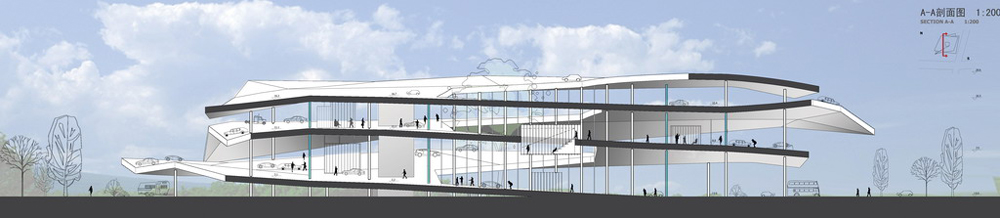
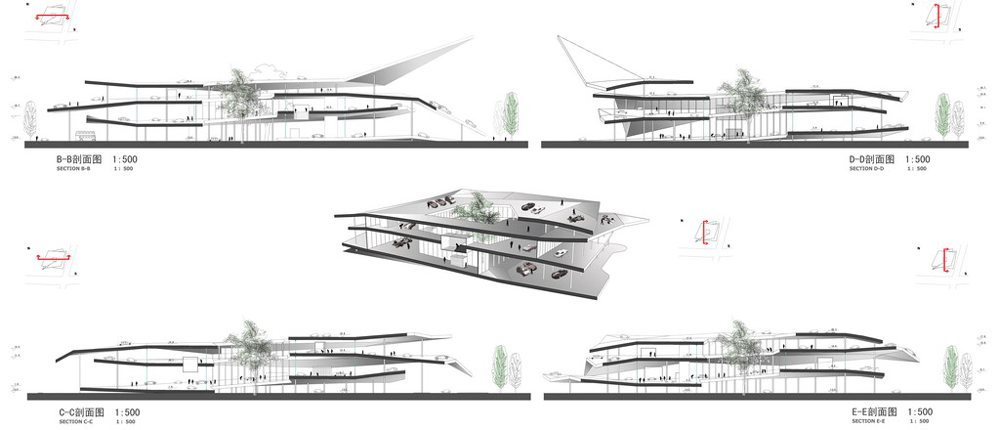
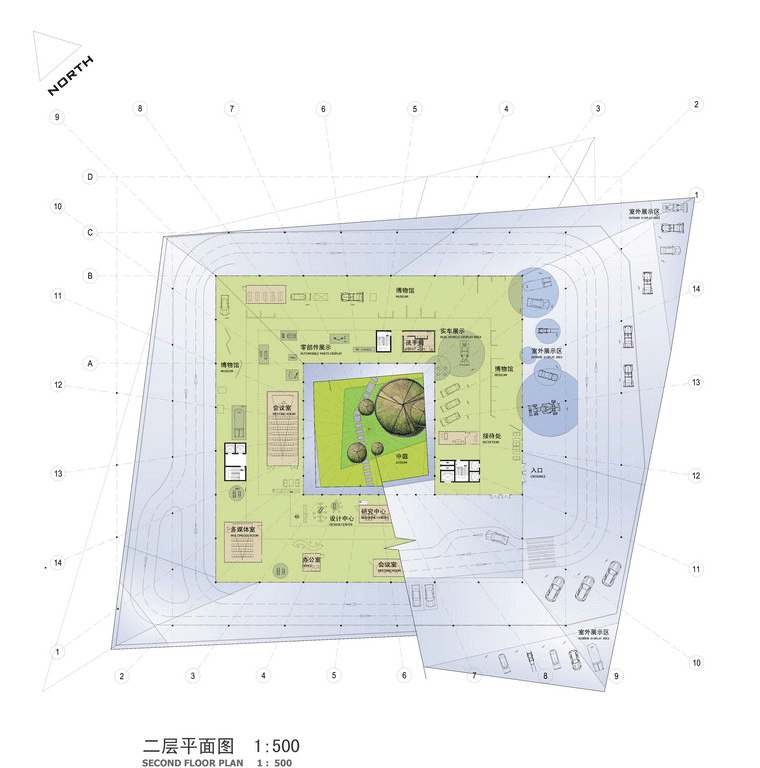
The museum is articulated in two concentric helicoidal ramps; in the external one the visitor drives up the exhibition area in his own car, an experience that the architect describes as a “safari” because the visitor, as a motorist, is an exhibit himself.
Click for larger image.
The moving cars travel upwards diachronically (chronologically) in the folds of the origami from futuristic cars down below to vintage cars above and then up again to the car park on the roof of the building.
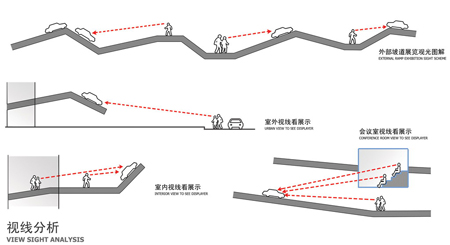
Here the visitor leaves his car and does the return journey on foot down the inner spiral ramp. Descending he sees all the exhibits as well as varying-sized glass boxes which house the complementary functions of the museum (offices, meeting rooms or laboratories).
Click for larger image.
Once on the ground floor the visitor can take a lift and return to his car on the roof, or perhaps he may find it waiting for him down below for as Gatti himself observes “In the China of opposites, those who have the economic means to possess a car also have the means to have a personal chauffeur.”
Click for larger image.
The architect describes the museum as a “movie sequence in which the principal actor is the car”, a building where two car-related panorama go hand in hand: on the one hand the architect’s conscious attention to motorway aestheticism and urban scale – the structures and materials remind one of a viaduct - and on the other, his transportation into the museum of the ergonomics of the interior of a car.
Click for larger image.
Click for larger image.
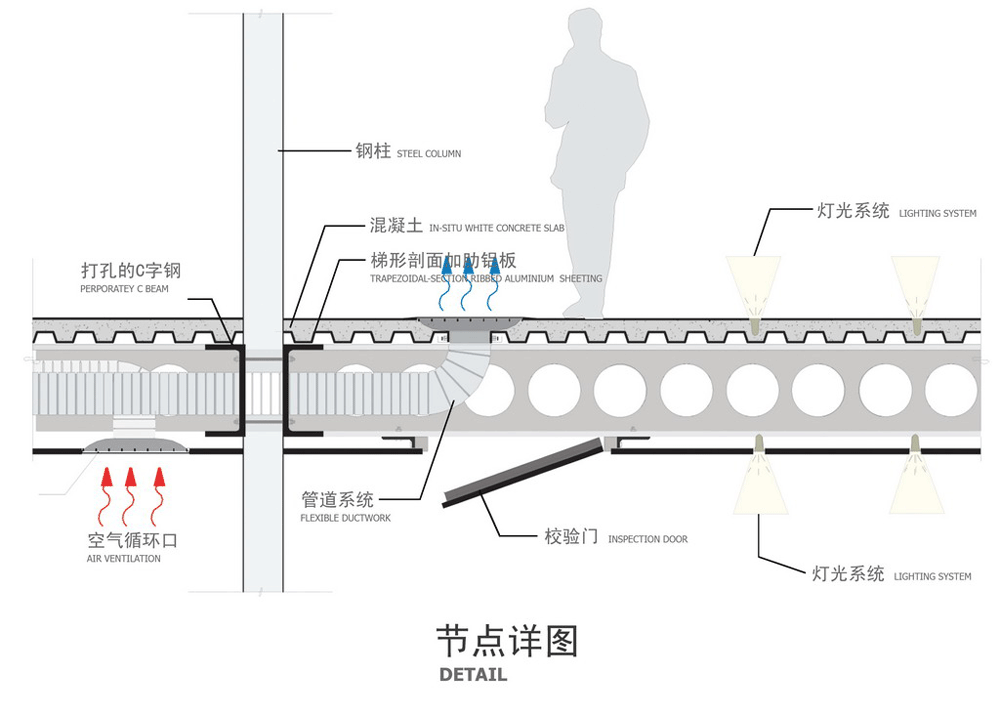
The furbishing and details within the edifice are related to and on a scale with its specific functions and it is not difficult for the visitor to imagine that he is in a car on a highway, rather than in a museum.
Text by Giampiero Sanguigni.
Click for larger image.
Automobile museum credits:
Programme: automobile and car components exhibition, educational installations, design centre, office, workshops laboratories, technical laboratories, conference rooms, space for special events, restaurants, retail, sales office.

Click for larger image.
Procedure: International invitation competition first price
Click for larger image.
Architecture Firm:
3Gatti
Chief architect: Francesco Gatti
Project manager: Summer Nie
Collaborators: Nicole Ni, Muavii Sun, Chen qiuju, Jimmy Chu, Luca Spreafico, Damiano Fossati, Kelly Han.
Click for larger image.
Client: Jiangsu Head Investment group CO.,LTD
Location: Jiangning area, high-tech zone, Nanjing, China.
Click for larger image.
Total floor area: 15000 m²
Design period: May 2008
Materials: Steel structure, resin coating, glass partitions.
See also:
.
 |
 |
 |
| 1111 Lincoln Road by Herzog & de Meuron |
Pearl River Necklace by NL Architects |
More architecture stories |